
A shaver is one of the few things you press against your face every single day, yet most of us buy one in a hurry and then live with the consequences for years. A good shaver gives you a close, comfortable shave in a few minutes and leaves your skin calm. A bad one tugs, misses patches, heats up, and leaves you with redness, ingrown hairs and a five o’clock shadow by lunchtime. The difference is not always the price. It is the cutting system, the condition of the blades, and whether the tool actually suits your beard and your skin. This guide sorts the best shavers from the worst in 2026, so you can stop guessing in the aisle and buy the one that will treat your face well.
Shaving has changed a lot in the last few years. Foil shavers have become quieter and gentler, rotary heads flex further around the jaw, and even a traditional safety razor has found a new audience among people tired of paying for cartridges. The shelves are also full of cheap lookalikes with dull blades and weak motors, and the same company can sell a superb shaver and a dreadful one in almost identical packaging.
What makes a shaver good
A good shaver cuts cleanly on the first pass. The blades should slice the hair rather than pull it, and the head should glide without you having to press hard. If you find yourself going over the same spot five times, or pushing the shaver into your cheek to get it to work, the shaver is failing. Pressure is the enemy of a comfortable shave: it causes irritation, nicks and ingrown hairs, and it wears the blades out faster. The best shavers do the work with light, short strokes and a head that follows the shape of your face.
Comfort matters as much as closeness. A shaver that leaves your skin burning, even if the result looks smooth, is not a good shaver. Look for a head that stays cool and a motor that holds its speed in thick growth instead of slowing down and snagging. A good electric shaver should give you at least two weeks of daily shaves on a charge, and a quick five-minute charge should be enough for one shave. Our comparison of the best and worst electric toothbrushes of 2026 makes the same point about bathroom gadgets in general: the best ones keep working properly between charges, while the worst ones fade exactly when you need them.
Cleaning and upkeep decide whether a good shaver stays good. Foils and rotary heads need rinsing after every shave and a proper clean at least once a week, or trapped stubble and skin oil will blunt the cut and breed smells. Replacement heads are part of the real cost, so check their price and how often they need changing before you buy. A shaver with cheap spares and a head that pops off easily will serve you better than a flashy model whose spares cost almost as much as a new shaver. Keep it dry, store it upright, and never share a shaver.

The best shavers of 2026
The best foil shavers of 2026 are the quiet achievers. A well-made foil shaver uses a thin perforated metal foil over fast-moving blades, and it suits men who shave every day, have sensitive skin, or want a neat, even finish with little fuss. The foil keeps the blade off the skin, which means fewer nicks, and the straight head is easy to guide along the cheeks and neck. The best ones run quietly, stay cool, and cut close enough that you will not feel stubble until evening. They are also the easiest to clean: rinse the head, shake it dry, and you are done.
Rotary shavers earn their place for a different kind of beard. Their three spinning heads flex and tilt, following the curves of the chin and neck where a straight foil can struggle. If you shave every two or three days rather than daily, or your beard grows in different directions, a good rotary will catch hairs a foil misses. The best rotary models have heads that pivot freely, motors that do not slow in thick growth, and a grip that does not slip when wet. They are a little noisier than foils and need their heads brushed out properly, but for coarse or patchy growth they are hard to beat.
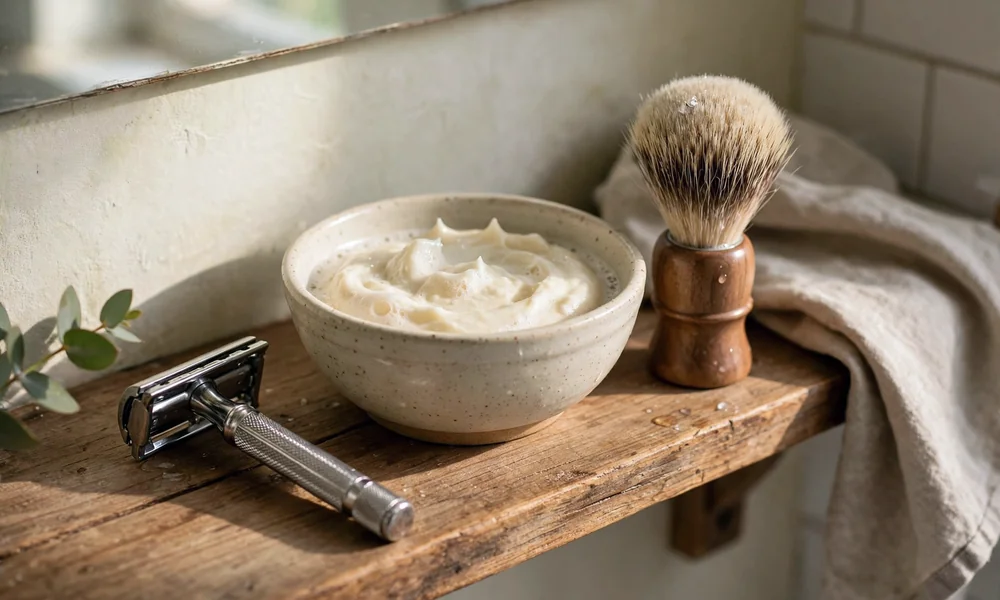
The surprise entry on the best list is the humble safety razor. A single sharp blade in a weighted metal handle gives a remarkably close shave once you learn the technique, and the blades cost pennies rather than pounds. There is no battery to charge and no motor to fail. The learning curve is real: you need light pressure, short strokes and a proper lather, and rushing will earn you a nick. But for men tired of expensive cartridges, a safety razor is the cheapest route to one of the closest shaves available, and it produces almost no plastic waste.
Wet and dry shavers round out the best list for people who shave in the shower or with gel. A genuinely waterproof model lets you shave with lather, which softens the beard and suits sensitive skin, and rinses clean in seconds. Look for a proper waterproof rating rather than a vague splash-proof claim, and dry the head afterwards so the blades do not rust. A good travel shaver is small but still cuts properly, holds a charge for a week of trips, and comes with a case that keeps the foil safe. One that only trims stubble is not a travel shaver; it is a souvenir.
The worst shavers of 2026
The worst shavers of 2026 share one flaw: dull, cheap cutting parts. A bargain electric shaver with a weak motor and a rough foil will tug at every hair, and tugging is what turns a morning shave into a sore, spotty face. These models often feel light and plasticky, the head wobbles, the battery fades after a few minutes, and the shave is patchy no matter how many passes you make. They are usually the cheapest option on the shelf, and they are cheap for a reason.
Disposable razors are the other regular on the worst list, at least when they are used past their best. A fresh disposable can give a decent shave, but the blades dull after a handful of uses, and a dull disposable is one of the harshest things you can drag across your skin. The lubricating strip wears off, the head clogs with stubble, and the result is razor burn, cuts and ingrown hairs. Keeping a disposable for weeks because it still looks fine is a mistake: if it pulls instead of gliding, it belongs in the bin. The same goes for any cartridge left damp in the shower, where the blades rust between uses.
Then there are the gimmick shavers: models sold on a single feature, like a heated head, a built-in trimmer, or a vibrating handle, while the basic cutting mechanism is poor. A heated shaver that cannot cut closely is still a bad shaver, and a fancy display does not make up for a foil that scratches. Be wary too of shavers with no replacement heads available, or heads that cost more than the shaver itself. If a shaver promises everything and costs very little, the cutting system is almost always where the money was saved.
Foil vs rotary vs manual: which suits you
Choosing between foil, rotary and manual comes down to your beard, your skin and your habits. If you shave daily and your skin complains easily, start with a foil: it is the gentlest electric option. If you shave less often or have coarse hair, try a rotary, whose flexing heads cope better with curves and longer growth. If you enjoy a slow morning routine and want the closest shave for the least money, learn the safety razor.
Skin type should steer the choice more than marketing. Sensitive skin does best with a sharp, clean cutter and as little pressure as possible, whatever the system. That means changing heads on schedule, shaving with the grain first, and using a light, fragrance-free gel or soap rather than a drying foam. If you get ingrown hairs, a single-blade manual razor often helps, because it cuts at skin level instead of below it. Whatever you choose, give it two weeks: your skin needs time to adjust, and judging a shaver on the first shave is unfair.
Budget is worth thinking about honestly. A good electric shaver costs more up front, but with heads replaced every twelve to eighteen months it can work out cheaper than cartridges over three years. A safety razor is cheapest of all once you own the handle. Do not buy the cheapest electric shaver you can find and expect it to behave like a good one: set a realistic budget, read what owners say after six months, and remember that a shaver is a daily tool.

Choosing, using and looking after your shaver
Before you buy, check the practical details. Hold the shaver if you can: it should feel balanced, and the power button should be easy to find without looking. Check the charging setup, since a shaver that needs a special dock is less useful on holiday than one that charges by USB. Check that replacement heads are sold where you shop, and check the warranty: a two-year guarantee from a maker that honours it is worth more than a five-year promise from a brand you cannot contact.
Good technique matters as much as good hardware. Shave after a warm shower, when the beard is soft. Use short, light strokes and let the shaver do the work, rinsing the head often so it does not clog. Shave with the grain first, and only go against it on a second pass if your skin tolerates it. Rinse the head after every shave, let it dry fully, and store it somewhere dry rather than in a steamy shower. Our guide to the best and worst shower caddies of 2026 is useful here, because a shaver left rattling around a damp caddy will rust and blunt far faster than one stored dry and upright. Finish with a simple, fragrance-free moisturiser rather than an alcohol-heavy splash, and your skin will thank you.
Your wider bathroom routine plays a part too. A shaver works best as one part of a calm morning, not a rushed afterthought squeezed between other chores. Keep the counter tidy, keep your tools clean, and give yourself the five minutes a proper shave deserves. The same care that makes a good hair dryer last for years applies here, and our comparison of the best and worst hair dryers of 2026 shows how much difference build quality and proper storage make to any bathroom appliance. A well-kept shaver, used gently and cleaned properly, can give you comfortable shaves for years.
The verdict
The best shaver of 2026 is the one that matches your beard and your skin: a good foil for daily shaving and sensitive skin, a good rotary for coarse or less frequent growth, and a safety razor for the closest shave at the lowest running cost. The worst shaver is any dull, weak or clogged cutter that tugs instead of cutting, whatever it cost or whatever feature it boasts. Spend a little more on sharp blades and a solid motor, keep the head clean and dry, change it on schedule, and shave with a light hand. Your face will feel the difference every single morning.


