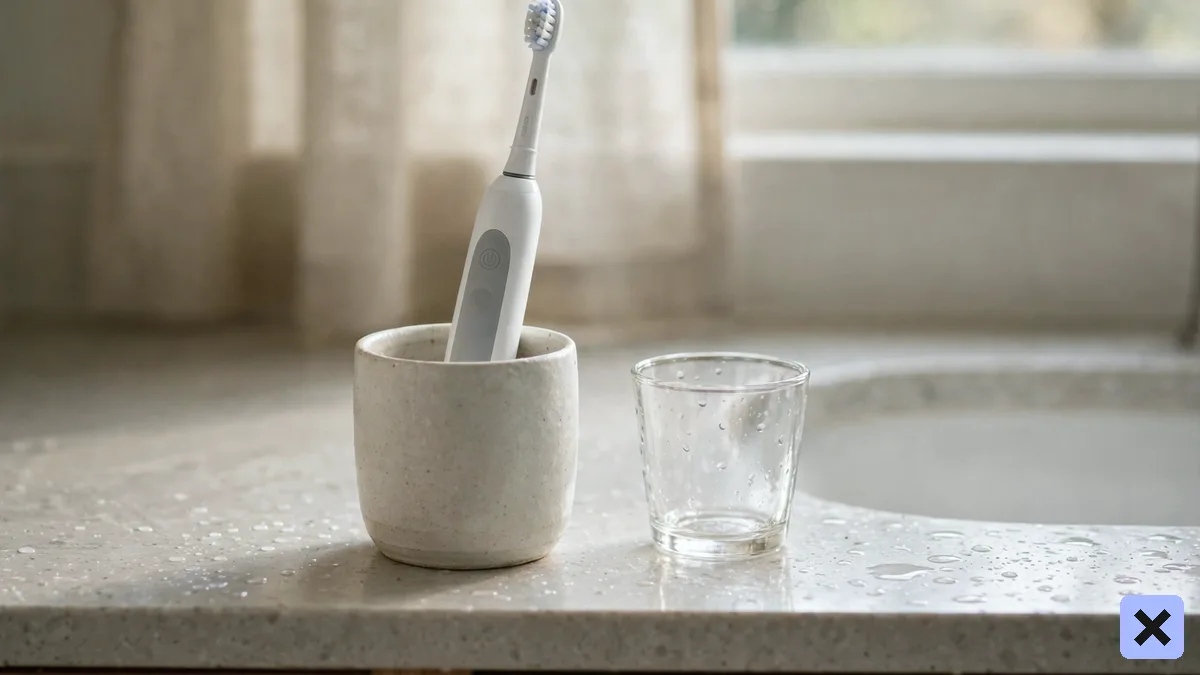
An electric toothbrush is a small machine with one job: clean your teeth properly, twice a day, without hurting your gums. When it works, it keeps your brushing steady and timed for the full two minutes, which is something most of us never manage with a manual brush. When it fails, it still vibrates in your hand, so it feels as if it is working, while plaque stays along the gum line and your gums quietly pay the price. The two kinds of brush look almost identical on the shelf, and the box rarely tells you which one you are holding.
This guide puts the best electric toothbrushes of 2026 against the worst, side by side, so you can tell them apart before you buy. We look at what the best brushes do well, the faults that sink the worst ones, and how to test any brush during the return window. If you only want the good news, our guide to the best electric toothbrushes 2026 covers the winners. If you want the full warning list, the worst electric toothbrushes 2026 guide covers the failures. Here, both sides share one page, because the fastest way to spot a bad brush is to know exactly what a good one does differently.
Key takeaways
- A two-minute timer with thirty-second quadrant prompts is the most useful feature on any electric toothbrush.
- Soft bristles and a pressure sensor protect your gums better than extra power or extra modes.
- A weak motor is the most common failure: if the brush slows down when it touches your teeth, it is not cleaning properly.
- Expensive replacement heads can turn a cheap brush into the most expensive brush you own within a year.
- Test a brush hard during the return window, because the worst faults appear in the second or third week, not the first.
How an electric toothbrush actually works
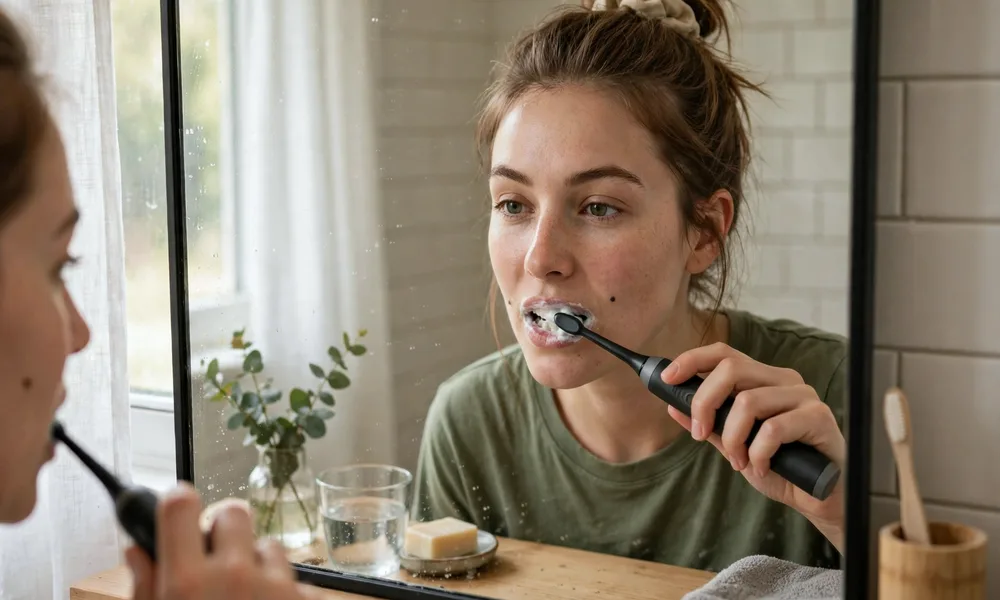
A good electric toothbrush does two things a manual brush cannot do on its own: it supplies the cleaning motion, so you only have to guide it, and it times the routine, so you brush for the full two minutes instead of the forty-five seconds most people manage. Sonic brushes vibrate from side to side at high speed, while oscillating brushes rotate a small round head in rapid circles. Both clean well, and the right choice depends on the head shape you prefer and how your gums react.
The best side: what the best electric toothbrushes get right
The best electric toothbrushes of 2026 share a short list of qualities, and none of them is about the number of modes on the box. They clean steadily, they protect your gums, they last for weeks on a charge, and they are cheap to keep running. Everything else is decoration.
A motor that never gives up mid-brush
A good motor keeps a steady speed from the first second to the last, whether the head is on a front tooth or a back molar. That steadiness is what cleans: the bristles sweep plaque away with the same force every time, instead of slowing down where the plaque is thickest. Press the head gently against your teeth in the shop, if you can, and listen. A motor that holds its note is a motor that will clean properly for years.
Soft bristles and a pressure sensor that works
The best brushes use soft bristles, because stiff bristles scrub enamel and irritate gums without cleaning better. Soft bristles bend along the gum line and sweep plaque away gently, which is exactly where it gathers. A brush with hard bristles and no pressure sensor is a bad combination, because it punishes your gums for a fault that is not yours.
A pressure sensor should warn you clearly when you push too hard, with a light, a sound, or a change in the motor, and it should be easy to notice mid-brush. The best sensors teach you a lighter touch within a week, and after that you rarely trigger them. If you press hard and nothing happens, the sensor is decoration, and your gums are doing the quality control instead.
Battery life and charging that fit real life
A good brush lasts at least two weeks on a charge, and the best last four to six weeks, so you can take it on holiday without packing a charger. USB-C charging is a real advantage, because it means one cable for your phone and your brush, instead of a proprietary dock that only works with one model and gets lost in a drawer.
Running costs that stay low
The best brushes keep replacement heads affordable, because you should replace the head every three months, and worn bristles clean poorly no matter how good the motor is. A head that costs a few pounds every three months is a small price for clean teeth. A head that costs as much as a new brush is a trap, and it tempts people to keep a worn head far too long.

The worst side: where the worst electric toothbrushes fail
The worst electric toothbrushes of 2026 are not always the cheapest brushes on the shelf. They are the models that look convincing in the box, promise a deep clean and a bright smile, and then fail at the one job that matters: cleaning your teeth properly, twice a day, without hurting your gums. The problems show up over time, in bleeding gums and replacement heads that cost more than the brush.
The weak buzz brush
The most common failure is a motor that stalls under pressure. The brush vibrates in your hand, so it feels as if it is working, but the moment the head touches your teeth the sound drops and the motion fades. Plaque stays along the gum line, and the brush leaves your teeth feeling smooth for an hour while the real cleaning never happened.
The hard scrub brush
Some bad brushes pair stiff bristles with no pressure sensor, which is the worst combination in the category. The bristles scrub enamel, the gums bleed or feel sore, and the owner brushes harder to compensate, because the teeth never feel properly clean. The damage is slow and quiet, and it shows up at the dentist long after the return window has closed.
Batteries and chargers that waste your time
A battery that lasts less than two weeks, or a charger that only works with one proprietary dock, costs more in frustration than it saves. The brush dies on a trip, the dock gets left behind, and the brush sits useless in a hotel bathroom. Some cheap brushes also lose their charge quickly with age, so a brush that lasted two weeks in January lasts four days by summer.
Heads that cost more than the brush
Expensive replacement heads are the quietest trap in the category. The brush itself is cheap, sometimes almost free, and the maker recovers the money on heads that cost a fortune and wear out fast. Within a year, the heads have cost more than the brush, and the owner faces a choice between paying up or keeping a worn head that cleans poorly.

Best vs worst at a glance
| What matters | Best electric toothbrushes | Worst electric toothbrushes |
|---|---|---|
| Motor | Keeps steady speed under pressure | Stalls or slows when it touches teeth |
| Bristles | Soft, gentle on gums, replaced every three months | Stiff, no pressure sensor, gums bleed |
| Timer | Two minutes, thirty-second quadrant prompts | No timer, or a timer that is easy to ignore |
| Battery | Two to six weeks, USB-C charging | Under two weeks, proprietary dock only |
| Head costs | Affordable, widely available | Heads cost more than the brush within a year |
| Value | Costs more once, cheap to run for years | Cheap to buy, expensive to keep, then replaced |
The verdict
The best electric toothbrushes win on the boring things: a motor that holds its speed, soft bristles, a timer you can hear, and heads you can afford. The worst lose on the same points, and they lose in ways that matter more than a whitening mode or an app: plaque left behind, gums that bleed, and a brush that costs more to run than to buy. For most people, the right buy is a mid-range sonic or oscillating brush from a maker with a record of solid motors, rather than the cheapest brush with the longest feature list.
The comparison in manual vs electric toothbrushes shows why the head and the motion matter more than the power setting, and the same lesson holds here. Buy the brush that does the steady work well. A two-minute timer, a pressure sensor, and a soft head are the whole product, and a brush that nails those three will clean better than a fancier model left in the drawer.
Who each side is for
The best brushes are for anyone who brushes twice a day and wants the routine to work without thinking about it: busy mornings, sensitive gums, families sharing one charger, and anyone who has ever been told by a dentist to brush longer and press lighter. They are worth the money because the cost spreads across hundreds of brushes, and the benefit shows up at every check-up. The worst brushes suit almost nobody, but they can survive as a travel spare kept in a wash bag, where a weak motor costs you nothing and a dead battery is a shrug rather than a missed clean.
Between the two sits the honest middle: a brush that is not the best on paper but holds its speed, has soft bristles, and takes affordable heads. That middle is where most buyers should land. Pay for the motor and the heads, not for an app or a whitening claim, and remember that a brush you enjoy using twice a day beats a premium brush you leave in the drawer.
Checklist before you buy
- Press the head gently against a tooth and listen: the motor should hold its speed, not fade.
- Check the bristles are soft, and that the pressure sensor warns you clearly when you push too hard.
- Look for a two-minute timer with thirty-second quadrant prompts.
- Price a year of replacement heads before you buy the brush, not after.
- Check the battery lasts at least two weeks, and prefer USB-C charging over a proprietary dock.
- Keep the receipt and the return window, and test the brush hard in the first two weeks.
Frequently asked questions
How often should I replace an electric toothbrush head?
Replace the head every three months, or sooner if the bristles look splayed or worn. Worn bristles clean poorly no matter how good the motor is, and they can irritate your gums. Set a reminder when you fit a new head, because three months passes faster than most people expect.
Are sonic or oscillating brushes better?
Both clean well, and the right choice depends on the head shape you prefer and how your gums react. Sonic brushes suit most people, with a long head that sweeps side to side, while small round oscillating heads suit those who prefer a compact head and a focused clean. Try both if you can, and choose the one that feels comfortable, because comfort decides whether you brush properly twice a day.
Do I need an app or extra modes on my toothbrush?
No. A timer, a pressure sensor, and soft bristles do the real work, and no app makes up for a poor motor, a poor head, or a poor battery. Extra modes are harmless if the basics are right, but they are never a reason to choose a brush whose motor stalls or whose heads cost a fortune.


