Manual vs electric toothbrushes is one of those small daily decisions that sparks a surprisingly strong debate. Walk down any pharmacy aisle and you will see the two camps side by side: simple manual brushes for very little money, and electric models promising timers and thousands of movements per minute.
The truth is less dramatic than the marketing suggests. Both types can keep your teeth and gums healthy when used properly, twice a day, for two full minutes. The real difference is how much help you get, how much you spend, and which brush you will enjoy using every day.
This guide compares manual vs electric toothbrushes on cleaning power, gum health, ease of use, cost, and who each type suits best.
Key takeaways
- Electric toothbrushes remove slightly more plaque, because timers and steady motion help people brush for two minutes.
- A manual toothbrush cleans just as well with good technique, a soft head and two minutes, twice a day.
- Electric brushes suit people with limited hand strength, braces, or a habit of brushing too hard.
- Manual brushes win on price, travel and simplicity, with no charging and nothing to break.
- The best toothbrush is the one you will use properly every day.
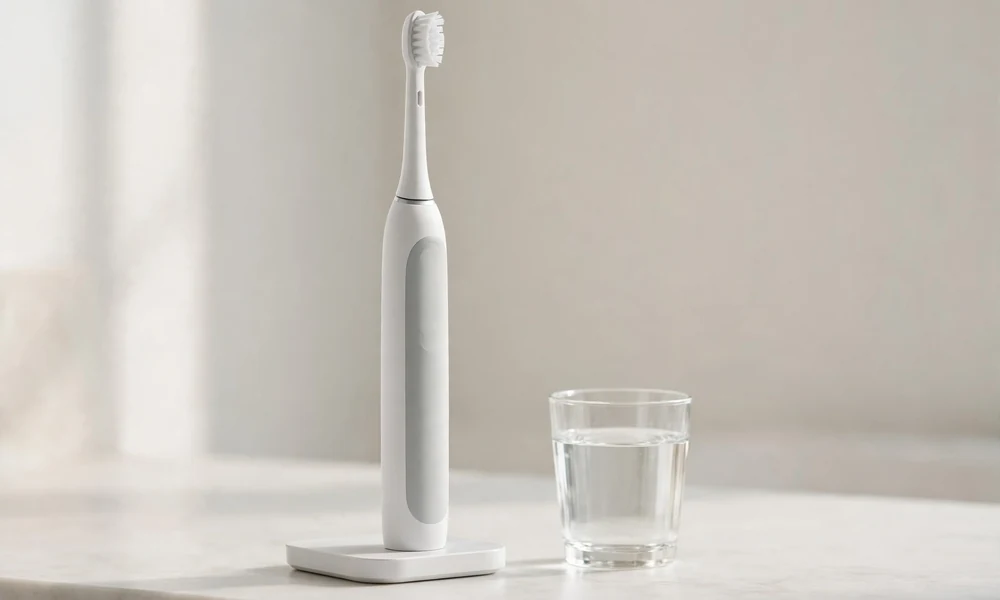
The Short Answer: Electric Wins on Cleaning, Manual Wins on Simplicity
An electric toothbrush cleans a little better for most people, while a manual toothbrush is cheaper, simpler and perfectly good enough when used well. That small gap is real, but not large enough to make a manual brush a bad choice.
The advantage of an electric brush comes mostly from consistency. Its head moves thousands of times per minute, far faster than any hand can manage, and its timer nudges you to keep going for the full two minutes. Many models also warn you when you press too hard, protecting your gums. Like choosing between coffee and tea for morning energy, the best option depends on your routine, not on one being right for everyone.
A manual brush asks nothing of you: no charger, no socket, no replacement heads. It costs very little, it travels anywhere, and it gives you complete control over pressure and angle. For a careful brusher with good technique, the results are essentially the same.
How Each Toothbrush Actually Cleans
Both brushes sweep plaque, the soft sticky film of bacteria, off your teeth and away from the gum line. The difference is how the bristles move.
The manual toothbrush
A manual toothbrush relies entirely on your hand. You supply the motion, the pressure and the timing, moving the bristles in small circles or short strokes across each tooth. A good one has a small head, soft bristles and a comfortable handle.
Its strength is control: you can feel how hard you are pressing and angle the bristles along the gum line. The weakness is human nature: most people brush for far less than two minutes, rush the back teeth, and press harder than they should. The average person brushes for about 45 seconds, and that shortfall matters more than the type of brush.
The electric toothbrush
An electric toothbrush does the moving for you. Its head oscillates and rotates in small rapid circles, or vibrates from side to side at high speed, producing thousands of brush strokes per minute. You simply guide it slowly from tooth to tooth.
Its strength is steadiness: it never rushes, and its timer divides your mouth into four 30-second sections. Many models add a pressure sensor for when you push too hard. The trade-off: it needs charging, its heads cost several times more than a manual brush, and it is bulkier to pack.
Plaque Removal: What the Research Shows
When researchers compare the two types head to head, electric toothbrushes come out slightly ahead. Large reviews of clinical trials have found that powered brushes reduce plaque and gum inflammation a little more than manual brushes over weeks and months of use. The gap is modest, and it grows with longer use.
The gap exists because electric brush users brush longer, cover more surfaces and press less hard. A manual brush user who brushes for a full two minutes with careful technique can match or beat a careless electric brush user who waves the brush around for 40 seconds. Technique and time are the real cleaners; the motor is a helper, not a substitute.
Gum health follows the same pattern. Electric brushes tend to reduce gum bleeding and swelling slightly more, because their steady motion cleans along the gum line without harsh scrubbing. Yet a soft manual brush used gently is also kind to gums.
Manual vs Electric Toothbrushes at a Glance
The table below sums up the main differences.
| Feature | Manual toothbrush | Electric toothbrush |
|---|---|---|
| Cleaning power | Good with proper technique | Slightly better on average |
| Built-in timer | None | Two-minute timer |
| Pressure control | Entirely up to you | Pressure sensor |
| Upfront cost | Very low | Moderate to high |
| Running cost per year | Very low | Higher |
| Travel | Light, simple, no charging | Bulkier, needs a charger |
| Ease of use | Needs good technique | Does the motion for you |
| Best for | Careful brushers, tight budgets | Children, braces, sensitive gums |
Cost Over a Year: The Honest Maths
Price is where the manual brush wins by a wide margin. A decent manual toothbrush costs very little, and dentists recommend replacing it every three months. Four brushes a year add up to a small sum, and there is nothing else to buy.
An electric toothbrush costs far more to start with, from a modest sum for a basic rechargeable model to a much larger amount for a premium brush with an app and multiple modes. Then come replacement heads, changed every three months at several times the price of a manual brush. Over a year, an electric brush can easily cost ten times as much as a manual one.
The gap narrows if you think in terms of value: a brush that helps you clean better may save on dental visits. A basic electric model delivers almost all of the benefit at a fraction of the premium price. There is no need to buy the most expensive brush to get the key features: a timer, a pressure sensor and a small soft head.
Technique Matters More Than the Motor
Whichever brush you choose, how you use it matters more than what it is. A perfect brush used badly cleans worse than a basic brush used well. Good technique is simple.
The two-minute rule
Brush for two minutes, twice a day. That is the single most important habit, and the one most people skip. An electric timer makes it easy, but a manual user can use a phone timer or a favourite song. Split your mouth into four sections, giving each one 30 seconds.
Angle and pressure
Hold the bristles at a gentle 45-degree angle to the gum line, where plaque gathers most. Use small, soft movements rather than hard scrubbing, and let the bristles do the work. Pressing harder does not clean better; it wears enamel and pushes gums back. Splayed bristles mean you are pressing too hard.
Do not forget the details
Brush every surface: outer, inner and chewing tops. Spit out the toothpaste rather than rinsing straight away, so fluoride stays on your teeth longer. Replace the brush head every three months, or sooner if the bristles look bent, because worn bristles clean far less well.
Your Daily Routine: Morning and Night
If your mornings are rushed, an electric brush with a timer takes the guesswork out of a half-awake routine. Pairing it with other calm habits, like deciding between a shower and a bath for your daily routine, can make the whole morning feel more settled.
Night-time brushing matters even more, because saliva flow slows while you sleep. Small comforts such as the best sleep masks for 2026 can turn the last hour into a proper routine.
Travel is when a manual brush clearly wins. It weighs almost nothing, it cannot run out of charge, and it needs no accessories. Your teeth do not care which brush you use on holiday, as long as you brush twice a day.
Who Should Choose Which Brush
There is no single best toothbrush for everyone. It depends on your hands, your teeth, your budget and your habits.
Choose an electric toothbrush if you
An electric brush suits anyone who finds brushing physically difficult or wants help building a good habit. Children often brush better with an electric model because the timer and the novelty keep them going for the full two minutes. People with arthritis or limited grip find a thicker handle and a motor that does the work far easier.
It is also smart if you wear braces, since the small head cleans around brackets and wires more easily. People with sensitive gums or a history of brushing too hard benefit from the pressure sensor, and anyone who rushes will get more from the timer than from willpower.
Choose a manual toothbrush if you
A manual brush is the better choice if you are on a tight budget, travel often, or prefer a simple tool with nothing to charge or maintain. Careful brushers who already brush for two minutes with good technique will see little extra benefit from switching. Some people keep both: an electric brush at home, and a manual brush in a travel bag.
Your Toothbrush Checklist
Use this checklist when you next buy a brush.
- Pick a small head that can reach your back molars.
- Choose soft bristles.
- Use a two-minute timer every time.
- Replace the brush or head every three months, or sooner if bristles splay.
- Store the brush upright and let it air-dry between uses.
- Brush twice a day and clean between your teeth daily.
Common Mistakes to Avoid
The most common mistake is brushing too hard. Many people scrub as if they were cleaning a floor, but teeth need a gentle touch. Hard scrubbing wears enamel and can push your gums back. Bleeding or sore gums usually mean you are pressing too hard.
The second mistake is rushing. Forty-five seconds is not enough, however good your brush is. Slow down, work through each section of your mouth, and give the back teeth the same attention as the front ones. The third mistake is keeping a brush for too long: worn bristles clean poorly, so replace the head every three months.
Frequently Asked Questions
Do dentists recommend electric toothbrushes?
Most dentists recommend them for people who struggle with technique, timing or pressure. A manual brush used well is perfectly fine.
Can an electric toothbrush damage your gums?
Used correctly, an electric brush is gentle on gums. Damage comes from pressing too hard or using worn bristles, which can happen with either type.
How often should I replace my toothbrush head?
Replace a manual brush or an electric head every three months, or sooner if bristles splay. Children may need replacements more often.
Is an electric toothbrush better for braces?
Yes, in most cases. The small moving head cleans around brackets and wires more effectively, and the timer helps every area get attention.
Can children use electric toothbrushes?
Yes, and many children enjoy them more than manual brushes. Choose a child-sized model with a smaller head and softer bristles, and supervise young children.
Is it worth buying an expensive electric toothbrush?
Not usually. A basic electric brush with a timer, a pressure sensor and a soft head delivers almost all of the benefit. Premium features do not clean noticeably better.
The Bottom Line
It comes down to a simple trade: electric brushes clean slightly better because they make good habits easier, while manual brushes are cheaper, simpler and just as effective in careful hands. If you rush your brushing, press too hard, wear braces or find gripping a slim handle difficult, an electric brush is worth the money. Whichever you pick, brush for two minutes, twice a day, with a soft head and gentle pressure.