The best olive oil dispensers 2026 turn an everyday bottle into a precise kitchen tool. A good dispenser pours a thin, steady stream instead of a sudden glug and keeps dust and air out of your oil.
Olive oil is one of the few ingredients you reach for almost daily, whether you are dressing a salad, finishing a soup, or frying an egg. Pouring it straight from a large supermarket bottle is wasteful and messy. A purpose-built dispenser solves that, and the right one will last for years.
We compared the most popular styles, from classic glass cruets to dark ceramic bottles and steel sprayers, judging each on pour control, drip resistance, refilling, cleaning, and light protection. The nine below earned a place on the counter.
Key Takeaways
- Glass cruets with stainless steel pourers offer the best balance of control, visibility, and value.
- Dark glass or ceramic dispensers protect extra virgin olive oil from light far better than clear glass.
- A narrow, well-designed spout matters more than capacity: it stops drips and gives a thin, even stream.
- Choose 500 ml for everyday cooking and 250 ml or less for infused oils you finish slowly.
- Look for a wide mouth for easy refilling and a spout you can remove for cleaning.
Why the Right Dispenser Matters
Large retail bottles are designed for shipping and shelf life, not for the table, and their wide mouths make it almost impossible to pour a small amount. A dispenser with a narrow spout turns guesswork into precision.
Protection matters too. Olive oil degrades when exposed to light, heat, and air, losing the fresh, peppery character that makes it worth buying. The worst dispensers, usually clear glass beside a hot stove, can make oil go stale faster.
The 9 Best Olive Oil Dispensers of 2026
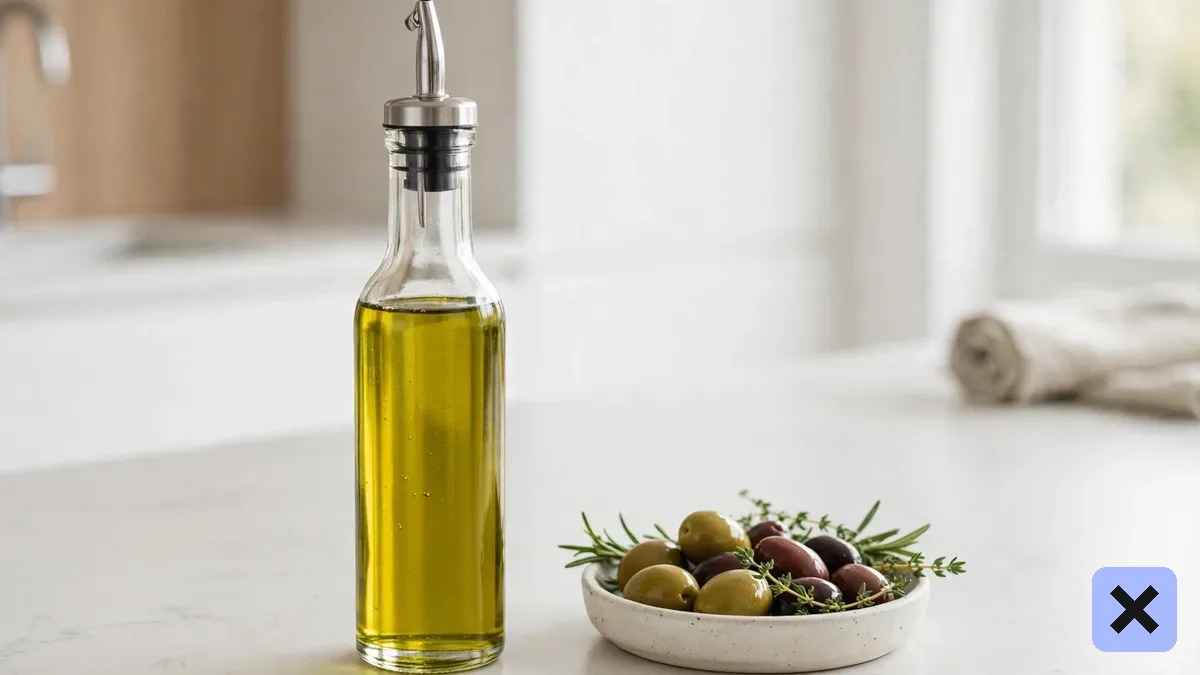
Our top pick is the classic tall glass cruet with a stainless steel pourer. It holds 500 ml, fits easily beside the stove, and suits crowded counters. The steel spout delivers a thin, controlled stream.
1. Classic Glass Cruet with Steel Pourer
This is the workhorse of the category and our overall winner. The glass body handles temperature changes well, the steel pourer fits snugly without leaking, and the flip-top cap closes with a satisfying click.
2. Dark Green Glass Dispenser
If you buy premium extra virgin olive oil, dark green glass is the traditional answer, and it works. This dispenser uses the same reliable steel pourer as our top pick but wraps it in tinted glass that blocks degrading light.
3. Ceramic Olive Oil Bottle
Ceramic dispensers are the best choice for light protection, since an opaque body blocks light completely, and they bring a handcrafted look glass and steel cannot match. The best have a glazed interior that will not absorb oil or odours.
4. Stainless Steel Dispenser
A brushed stainless steel dispenser is the toughest option here and the best pick for busy kitchens where glass feels risky. It is practically unbreakable, blocks light completely, and wipes clean in seconds.
5. Olive Oil Sprayer
Sprayers are a different kind of tool, and for certain jobs they are unbeatable. A good sprayer mists a fine, even coat of oil over a salad, a baking tray, or vegetables before roasting, using far less oil than pouring.
6. Dual Spout Dispenser
Some cooks keep two oils on hand, usually a robust extra virgin for finishing and a milder oil for cooking, and a dual dispenser keeps both in one footprint. These split the body into two chambers, each with its own spout.
7. Small Table Cruet
A small 250 ml cruet is the right choice for the dining table, for infused oils, or for anyone who cooks for one or two. It is light, easy to handle with one hand, and looks right beside a bread basket.
8. Large Capacity Dispenser
Large households should look at 750 ml or one-litre dispensers, which cut down on refilling and are the most economical way to keep oil by the stove. The best large models are wider rather than taller, so they stay stable.
9. Decorative Dispenser for the Table
Some dispensers are bought as much for how they look as how they pour, and there is nothing wrong with that. A beautifully shaped ceramic or hand-blown glass dispenser can be the centrepiece of a table setting.
Comparison Table
| Dispenser | Capacity | Material | Light Protection | Best For |
|---|---|---|---|---|
| Classic Glass Cruet | 500 ml | Glass and steel | Low | Everyday cooking |
| Dark Green Glass | 500 ml | Tinted glass | Good | Premium olive oil |
| Ceramic Bottle | 500 ml | Ceramic | Excellent | Table and storage |
| Stainless Steel | 500 ml | Steel | Excellent | Busy kitchens |
| Olive Oil Sprayer | 250 ml | Glass and steel | Low | Roasting and salads |
| Dual Spout | 2 x 250 ml | Glass | Low | Two oils at once |
| Small Table Cruet | 250 ml | Glass or ceramic | Varies | Table and infused oils |
| Large Capacity | 750 ml to 1 litre | Glass or steel | Varies | Large households |
| Decorative Dispenser | 350 to 500 ml | Ceramic or glass | Varies | Dining table |
Types of Olive Oil Dispensers Explained
Most dispensers fall into four broad families. Glass cruets are the most common: affordable, easy to clean, and they let you see the oil level, but clear glass offers little protection from light.
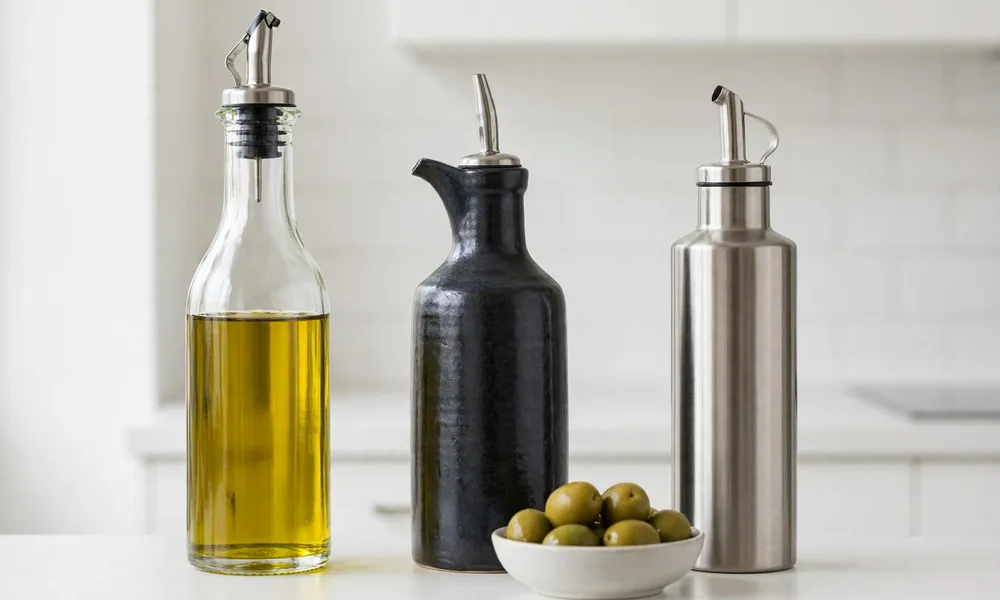
Ceramic dispensers are the traditional choice in Mediterranean kitchens and remain the best at blocking light. A well-glazed ceramic bottle will not stain or absorb flavours, and its weight gives it reassuring stability.
Sprayers work differently from pourers. Instead of a stream, they deliver a fine mist, ideal for coating a pan, a salad, or vegetables evenly with very little oil. They are at their best as a second dispenser alongside a pourer.
What to Look For When Buying
Pour Control and Drip Resistance
The spout is the single most important part of any dispenser. A good spout produces a thin, steady stream that starts and stops cleanly, with no dribble running down the side afterwards. Look for a narrow opening.
Material and Light Protection
Material decides how long your oil stays fresh. Clear glass looks beautiful but lets light in, so it suits oil you will finish within a week or two. Dark glass, ceramic, and steel all protect oil far better.
Capacity and Size
Capacity should match how fast you use oil. A 500 ml dispenser suits most households and is the size we recommend starting with, while 250 ml is right for the table or for infused oils.
Refilling and Cleaning
A dispenser you cannot clean is a dispenser you will eventually throw away. The best models have a wide mouth that accepts a funnel, a spout that pulls out for washing, and a body you can reach into with a bottle brush. The same logic applies to your storage: a tidy system built around the best meal prep containers for organised kitchens makes cooking smoother.
How to Use and Care for Your Dispenser
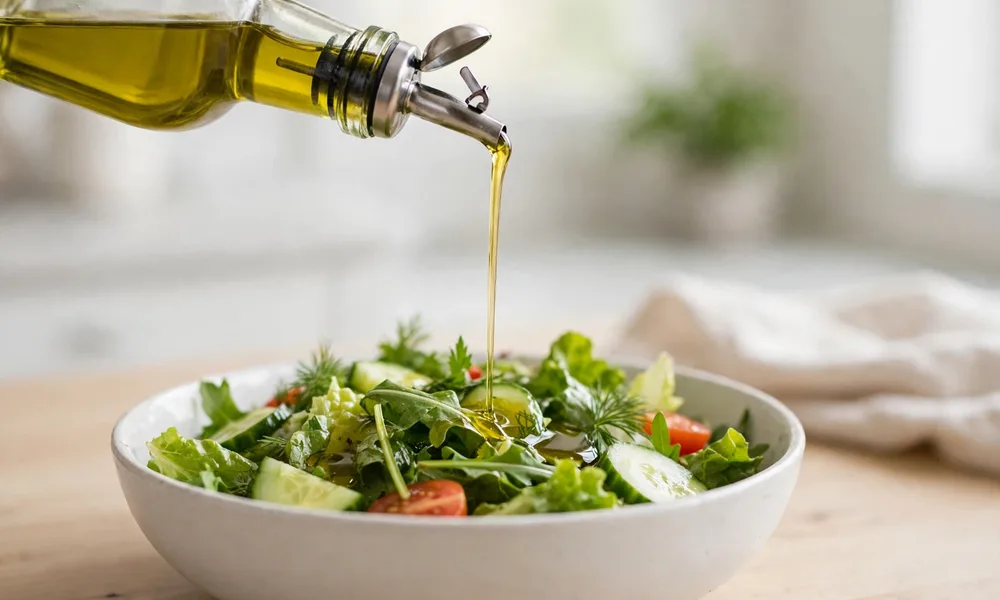
Using a dispenser well is mostly a matter of habit. Pour slowly and tilt the bottle smoothly rather than jerking it, which keeps the stream thin and prevents the spout from flooding. Hold the bottle over the food for a second after pouring.
Refill your dispenser from a larger bottle kept in a cool, dark cupboard, and only decant as much as you will use within a few weeks. Never top up a half-empty dispenser without cleaning it first, since old oil can turn rancid.
Cleaning deserves more attention than most people give it. Rinse the body with warm water, add a drop of washing-up liquid, shake well, and brush the inside if you can reach it. Soak a removable spout in warm soapy water and dry the dispenser fully before refilling.
Common Mistakes to Avoid
The most common mistake is buying on looks alone and ending up with a dispenser that drips, leaks, or cannot be cleaned. A beautiful bottle with a badly designed spout will annoy you every day, while a plain one that pours perfectly will earn its place.
Another frequent error is choosing the wrong size. A tiny table cruet as your only dispenser means constant refilling, while a litre bottle for a household that uses oil twice a week means the oil goes stale before it is finished.
Olive Oil Dispensers for Different Cooking Styles
Different cooks need different dispensers. If you fry and sauté daily, a sturdy 500 ml steel or dark glass dispenser with a fast, controlled pour is ideal: knowing the difference in ceramic vs stainless steel cookware helps you match your oil and your pan to the dish.
Roasting fans and air fryer owners get the most from a sprayer, which coats vegetables and trays evenly with a fraction of the oil pouring would use. A light mist before roasting helps vegetables crisp without pooling oil. If you are still deciding on the appliance, our guide to the best air fryers for families covers the models that pair best with a good oil sprayer.
Buyer Checklist
- Spout pours a thin, steady stream and stops cleanly without dripping down the bottle.
- Material suits your storage: dark glass, ceramic, or steel if oil sits on a bright counter.
- Capacity matches your usage, usually 500 ml for everyday cooking and 250 ml for the table.
- Wide mouth and removable spout make refilling and cleaning straightforward.
- Cap or stopper seals tightly to keep out dust and limit air exposure.
- Base is stable and the bottle feels balanced and comfortable when full.
Frequently Asked Questions
What size olive oil dispenser is best?
For most households, 500 ml is the best size: it holds enough oil for a week or two of everyday cooking without constant refills, and it is still light enough to handle easily.
Is glass or ceramic better for olive oil?
Ceramic is better at protecting oil from light, since an opaque body blocks it completely, while clear glass offers no protection at all. Dark green or amber glass sits in the middle and is a good compromise.
How do I stop my olive oil dispenser from dripping?
Choose a dispenser with a narrow spout and a drip-catching lip or flap, pour slowly, and pause for a second with the bottle tilted over the food before returning it upright.
Can I put olive oil in a spray bottle?
Yes, a purpose-made oil sprayer works well for a fine, even mist over salads, baking trays, and vegetables. Do not use a regular water spray bottle, since it will not produce a proper mist with oil and will clog quickly.
How often should I clean my olive oil dispenser?
Wash it every few refills, or about once a month with regular use, using warm soapy water and a bottle brush. Always clean it fully before topping up with fresh oil.
Does olive oil go bad in a dispenser?
Yes, olive oil can go stale in a dispenser, especially in clear glass left in sunlight or beside a hot stove. Only decant what you will use within a few weeks and keep the dispenser away from heat.
The Bottom Line
The best olive oil dispenser for most kitchens in 2026 is a 500 ml glass cruet with a stainless steel pourer, with a dark glass or ceramic model as the smarter pick if you buy premium oil. Judge it by the pour: a thin, steady stream, a clean stop, and no drips. Keep it clean, store it away from heat, and it will make every drizzle easier for years.


