Soap Dispensers That Pump Cleanly Every Time in 2026
A soap dispenser is the smallest hardware on the bathroom sink, and the one your hands touch most often. A good one gives exactly the right amount with a single smooth press. A bad one gives too much, too little, or nothing, and leaves a sticky ring you notice every morning. The best share the same few qualities: a pump that moves smoothly and springs back, a tube that reaches the bottom, and a body heavy enough to stay put while you press it one-handed. Here is how to pick one that still pumps cleanly a year from now.
Key Takeaways
- A clean pump is a measured pump: one press should give enough soap to wash your hands, not a thin smear and not a dollop that slides off.
- Metal pumps outlast plastic in a steamy bathroom, and a heavy ceramic, glass, or metal body stops the bottle tipping when pressed one-handed.
- A wide mouth makes refilling easy, while a narrow neck turns a simple job into a mess, so check the opening first.
- Thick soap needs a wider tube and stronger spring, while foaming soap needs a special pump, so match the dispenser to your soap.
- The tube should reach the bottom and stay flexible, so you use the last of the soap instead of throwing some away.
How a Soap Dispenser Pump Actually Works
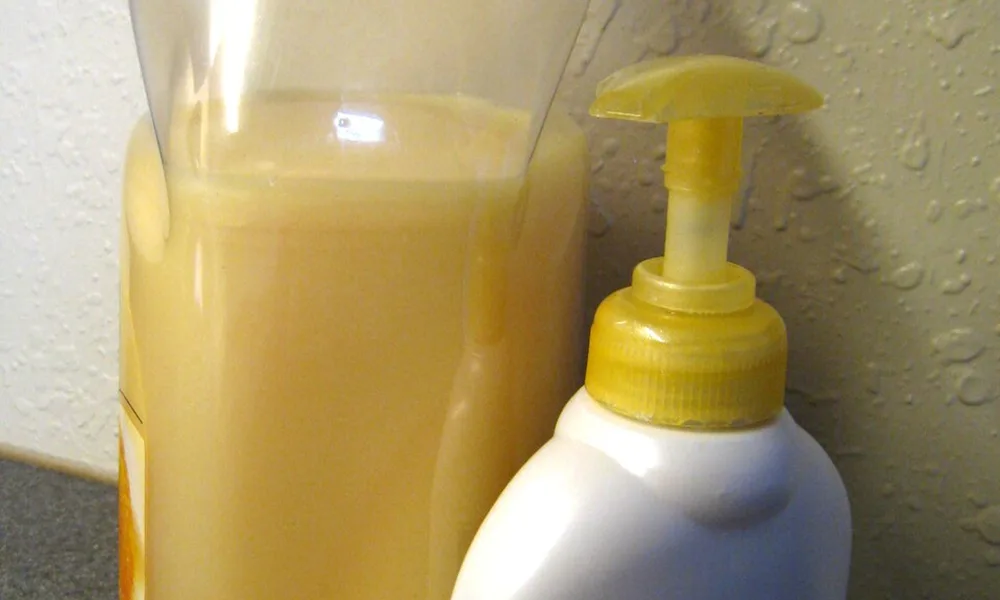
Every pump dispenser works the same way, and understanding the mechanism explains most failures. Pressing the head pushes a piston down, forcing soap up the tube and out of the nozzle. Releasing it lets a spring push the piston back up while a valve refills the chamber. The spring, the valve, and the seals decide whether it stays clean: a weak spring sticks halfway down, a leaky valve lets soap drain back so the first press gives air, and worn seals let soap creep out around the neck, leaving the sticky ring.
Soap thickness matters more than most people realise. A pump made for thin soap has a narrow tube and light spring, and will struggle with a thick, creamy soap. The soap then dries in the nozzle between uses, and the next press has to clear a plug of dried soap first. Foaming soap needs a special pump that mixes soap with air through a fine mesh; the two are not interchangeable, so decide which soap you want first, then buy the matching pump.
The Main Types of Soap Dispenser
Four types are worth considering, each suiting a different sink. The differences are not cosmetic: they change filling, cleaning, and lifespan.
Manual Pump Dispensers
The classic countertop pump is the most common type for a reason. It is simple, cheap, and easy to refill. The best have a metal pump head, a heavy body, and a tube that reaches the bottom, and they work with the widest range of soaps. The main weakness is the pump itself: a cheap plastic pump will stick, squeak, or snap, usually within months. Press the pump several times before buying: if it grates, wobbles, or sticks, put it back.
Automatic Touchless Dispensers
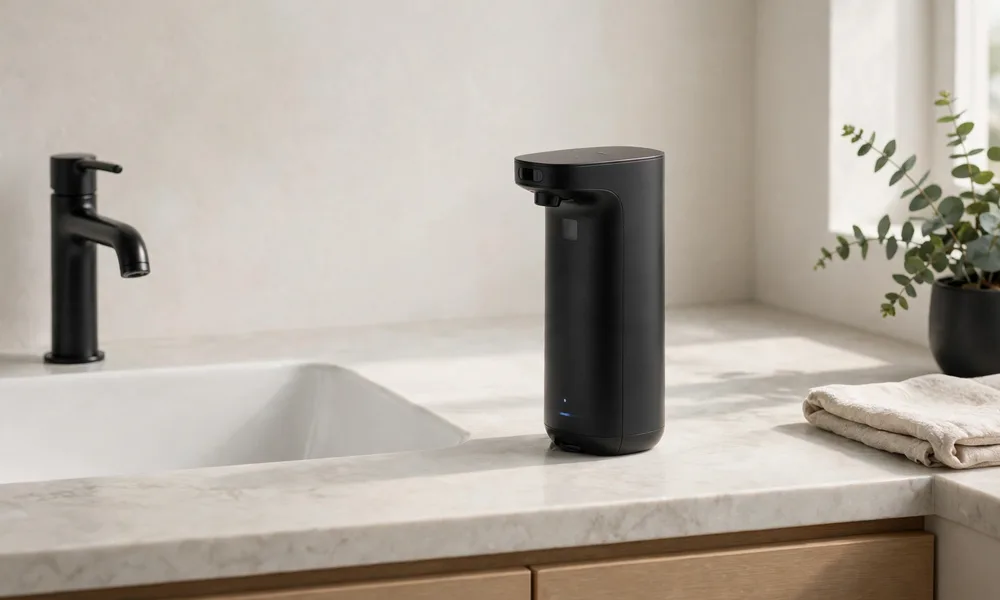
An automatic dispenser is the pick for a busy household, a home with small children, or anyone who wants to touch the pump as little as possible. You hold your hand under the nozzle and a measured amount drops into your palm, with no pump for wet hands to smear. The best ones get the dose right: too little and you wave your hand twice, too much and it slides off your hands. Look for an adjustable dose, a sensor that works in normal bathroom light, and a battery or rechargeable pack that lasts for months. It has electronics, so it will not last as long as a manual pump, but for a family bathroom the hygiene is hard to beat.
Wall-Mounted Dispensers
A wall-mounted dispenser keeps the counter clear, which suits a small bathroom or a sink with no spare space. It is fixed to the wall, and you press a button or lever to release the soap. The best models have a large, easy-to-fill reservoir and a drip-free nozzle, because a leak from a wall unit runs straight down the tiles. They are also the easiest type to keep clean, since there is no bottle base collecting water and soap scum. The trade-off is commitment: moving it means filling holes, and they hold less soap than a countertop bottle.
Built-In Sink Dispensers
A built-in dispenser sits in a hole in the sink or countertop, with the pump head above and a large bottle below, refilled from the top. Only the pump head is visible, and it cannot be knocked over. It is the natural choice when fitting a new sink. The catch is that it needs a spare hole in the sink or worktop, and the bottle below is fiddly to reach for refilling. Drilling a hole in stone or ceramic is a job for a professional. For a kitchen, the matching dish soap that cuts grease without drying your hands deserves the same care, since a kitchen dispenser is pressed far more often.

Comparison Table: Which Dispenser Suits Your Sink
| Type | Best for | Refilling | Pump reliability | Price range |
|---|---|---|---|---|
| Manual pump | Any bathroom | Easy, wide mouth | Excellent if metal | Low to medium |
| Automatic touchless | Families | Easy, lift-off top | Good, needs batteries | Medium to high |
| Wall-mounted | Small sinks | Moderate, fixed unit | Good, fewer moving parts | Low to medium |
| Built-in sink | New sinks | Fiddly, under-sink bottle | Excellent, fixed pump | Medium to high |
Materials: What Lasts and What Does Not
Ceramic is the classic choice: heavy enough to stay put and easy to wipe clean. A glazed body resists soap stains and still looks good years later. The weakness is breakability: drop it on a tiled floor and it will crack. Glass suits bulk soap buyers who want to stop throwing away plastic bottles. The best have thick glass, a wide mouth, and a pump that screws on firmly. Amber or green glass hides the soap level and keeps light away from soaps that prefer the dark.
Solid metal, usually stainless steel, is the most durable option for a bathroom that gets heavy use. A metal body will not crack, chip, or stain, and a brushed finish hides water marks better than polished chrome. Metal matters most in the pump: it resists rust, while a cheap plated pump can flake within months and jam the mechanism. Thin, light plastic is the material to avoid: it tips over easily, it stains, and its pump is usually the first part to fail.
Matching the Dispenser to Your Soap
The soap you use should decide the dispenser, not the other way round. Thin soaps work in almost any pump but leak most easily, so a tight neck seal matters most. Thick, creamy soaps need a wide tube and a strong spring, and they will clog a narrow pump within weeks. Antibacterial soaps can be harder on seals, so a metal pump with a glass or ceramic body outlasts plastic with these soaps.
Refilling is where most dispensers quietly fail. A wide mouth lets you pour from a bulk bottle without a funnel and without spilling, and it lets you see inside to clean it. Empty and rinse it every few refills: old residue thickens, clogs the tube, and can smell stale. If the mouth is too narrow for a bottle brush, it will never be properly clean. The same rules apply elsewhere: a dispenser that pours cleanly without dripping follows the same rules about bore, seal, and viscosity.
Common Problems and How to Fix Them
Most pump problems have simple fixes, and knowing them saves you from throwing away a dispenser that only needs cleaning. A pump that sticks halfway down usually has dried soap in the nozzle or a weak spring. Run the nozzle under hot water, then press the pump repeatedly with the tube in a cup of hot water until it runs clear. If it still sticks, the spring is worn and the pump head needs replacing. A pump giving air instead of soap has lost its prime: press slowly and firmly several times with the bottle full and it should prime again.
A leak around the neck means a worn seal or a pump screwed on crooked: check the rubber gasket inside the collar and thread the pump on evenly. A bottle that tips over is too light for its pump: choose a heavier body or a wall-mounted model. Thick soap dries in the nozzle between uses, so wipe it after use and keep the dispenser out of direct heat. If you love a thick soap and your pump keeps clogging, change the pump, not the soap: buy a dispenser rated for thick or gel soaps, with a wider bore tube.
Six-Point Checklist Before You Buy
- Press the pump several times: it should stroke smoothly and spring back firmly, with no grating or sticking.
- Check that the tube reaches the bottom of the bottle and stays flexible, so you can use the last of the soap instead of wasting it.
- Look for a wide mouth that lets you refill without a funnel and lets you clean inside the bottle properly.
- Choose a heavy ceramic, glass, or solid metal body that will not tip over when pressed one-handed with wet hands.
- Match the pump to your soap: a wide bore and strong spring for thick soaps, and a special foaming pump only if you use foaming soap.
- Check the seal where pump meets neck, and prefer metal over thin plastic, which sticks and flakes in a steamy bathroom.
Frequently Asked Questions
Why does my soap dispenser pump stick?
Dried soap in the nozzle or a worn spring. Run the nozzle under hot water, pump hot water through until it runs clear, and wipe the nozzle after use. If it still sticks, replace the pump head.
Can I put foaming soap in a normal pump dispenser?
No. Foaming soap needs a special pump that mixes soap with air through a fine mesh. In a normal pump it comes out thin and gloopy, and normal soap in a foaming pump comes out watery and weak.
How do I stop my soap dispenser from leaking?
Check the rubber gasket inside the pump collar and screw the pump on straight rather than cross-threaded. A worn gasket is the usual cause, and replacing the pump head fixes it. Avoid overfilling, which forces soap past the seal.
How often should I clean a soap dispenser?
Empty and rinse it every few refills, about once a month in a busy bathroom. Old residue thickens, clogs the tube, and can smell stale. A bottle brush and hot water are enough.
Are automatic soap dispensers worth it?
For a busy family or guest bathroom, yes: they are more hygienic, dose consistently, and never get sticky. They cost more, need batteries or charging, and will not last as long as a manual pump.
What size soap dispenser should I buy?
A 300 to 500 millilitre bottle suits most bathrooms and lasts a few weeks between refills. A larger bottle means fewer refills but a heavier dispenser, while one under 250 millilitres needs refilling too often. For a kitchen, go larger. The same logic applies to the hand sanitiser you reach for on the go: the right size is always full when you need it.
The Bottom Line
The best soap dispenser is not the prettiest on the shelf, it is the one whose pump still moves smoothly after a year of daily use. Choose a heavy body that will not tip, a metal pump that will not rust, a tube that reaches the bottom, and a mouth wide enough to refill and clean. Match the pump to your soap and keep the nozzle clean, and it will give you the same clean, measured amount with every press.