Best Planters 2026
A planter is the difference between a plant that survives and a plant that thrives. A pot that is too small strangles the roots within a season. A planter with no drainage drowns them after the first heavy rain, and a planter made from the wrong material cracks, fades, or cooks the soil in a summer heatwave.
Get the planter right, though, and the whole garden settles into place: the plants have room to grow, the water drains the way it should, and the entrance, patio, or balcony looks finished rather than improvised. These are the best planters of 2026, chosen for size, drainage, material, durability, and how well they suit real outdoor life.
Key Takeaways
- Buy the planter for the plant it will hold in two years, not the one you bring home today, because roots need room to grow.
- Drainage comes before looks, since a beautiful planter with no drainage hole is a slow way to kill a healthy plant.
- Large outdoor planters need weight and stability, while window boxes and wall planters need to be light enough to hang safely.
- Material decides the maintenance: terracotta breathes but dries fast, wood insulates but needs lining, and concrete lasts but is heavy.
- Match the planter to the spot first, because a sun-baked patio, a shady entrance, and a windy balcony ask for very different containers.
Planters 2026 at a Glance
| Best for | Planter type | Typical size | Standout strength |
|---|---|---|---|
| Best overall | Large terracotta planter | 50 cm wide | Breathes well and suits shrubs and small trees |
| Best for vegetables and herbs | Raised wooden planter | 120 cm long | Waist height and easy on the back |
| Best for colour | Window-box planter | 80 cm long | Turns a plain window into a flower display |
| Best for small spaces | Wall-mounted planter | 60 cm wide | Frees the floor and uses vertical space |
| Best for modern homes | Concrete planter | 45 cm wide | Heavy, steady, and built to last |
| Best for busy gardeners | Self-watering planter | 40 cm wide | Keeps soil moist for days at a time |
What a Planter Is Really For
A planter does three jobs at once. First, it gives roots a home with enough soil to hold moisture and nutrients through hot and cold weather. Second, it controls water, letting the excess drain away while keeping enough behind for the plant. Third, it shapes the garden, marking an entrance, softening a bare wall, or dividing a patio into rooms.
It helps to know the difference between a planter and its close cousins. A plant pot is usually a smaller, often indoor container for a single plant, and our guide to the best plant pots of 2026 covers that world in detail. A planter is generally larger, built for outdoor use, and often designed to hold several plants at once, or one substantial shrub or small tree.
A raised bed is another close relation, but it sits directly on the ground and works on a bigger scale. If you are planning a vegetable patch rather than a container display, our guide to the best raised garden beds of 2026 is the better starting point. Planters sit in between: bigger and tougher than pots, smaller and more movable than beds.
How to Choose the Right Size
Size is the single most common mistake in planter buying. A planter that looks generous in the shop can be far too small once a shrub has grown for a year. As a rule, allow at least five centimetres of soil around the root ball on every side, and then add more if the plant is a fast grower.
Depth matters as much as width. Shallow planters suit trailing flowers and herbs with short roots, but shrubs, roses, and small trees need depth of at least forty centimetres to anchor themselves and to hold enough soil to survive a dry spell. A tall, narrow planter looks elegant by a door, but it can dry out quickly and topple in wind if the plant grows top-heavy.
Drainage: The Detail That Decides Everything
Every outdoor planter needs a way for water to escape. Without a drainage hole, rain collects at the bottom, the soil turns sour, and the roots rot. This is the most common reason container plants die, and it has nothing to do with how often you water.
Check for holes before you buy, and check that they are large enough to stay clear. A single tiny hole clogs with soil within weeks. Several holes, or one generous hole covered with a piece of broken pot or a mesh screen, drain far more reliably. If a planter you love has no hole, drill one if the material allows, or use it as a decorative outer cover with a planted pot inside that can be lifted out.
A saucer underneath catches the drips on a balcony or a wooden deck, but it must not hold standing water. Empty it after heavy rain, or raise the planter on small feet so air can circulate underneath and the water can escape. Pot feet also keep a terracotta planter from freezing to the ground in winter and cracking when the water inside expands.
Materials Compared
Wood brings warmth that no other material matches. Cedar and oak weather to a soft grey, while painted timber can match a house exactly. Wood insulates the roots against heat and cold better than metal or plastic, which makes it a good choice for exposed spots. It does need lining with a waterproof membrane, and a drainage hole through the liner, or the timber will rot from the inside within a few seasons.
Concrete and stone planters are the heavyweights. They last for decades, they do not blow over, and they suit modern houses and formal gardens. Their weight is also their drawback: once placed, they are not moving without help. Make sure the spot is right, and check that a balcony or roof terrace can carry the load before you order one.
Large Outdoor Planters
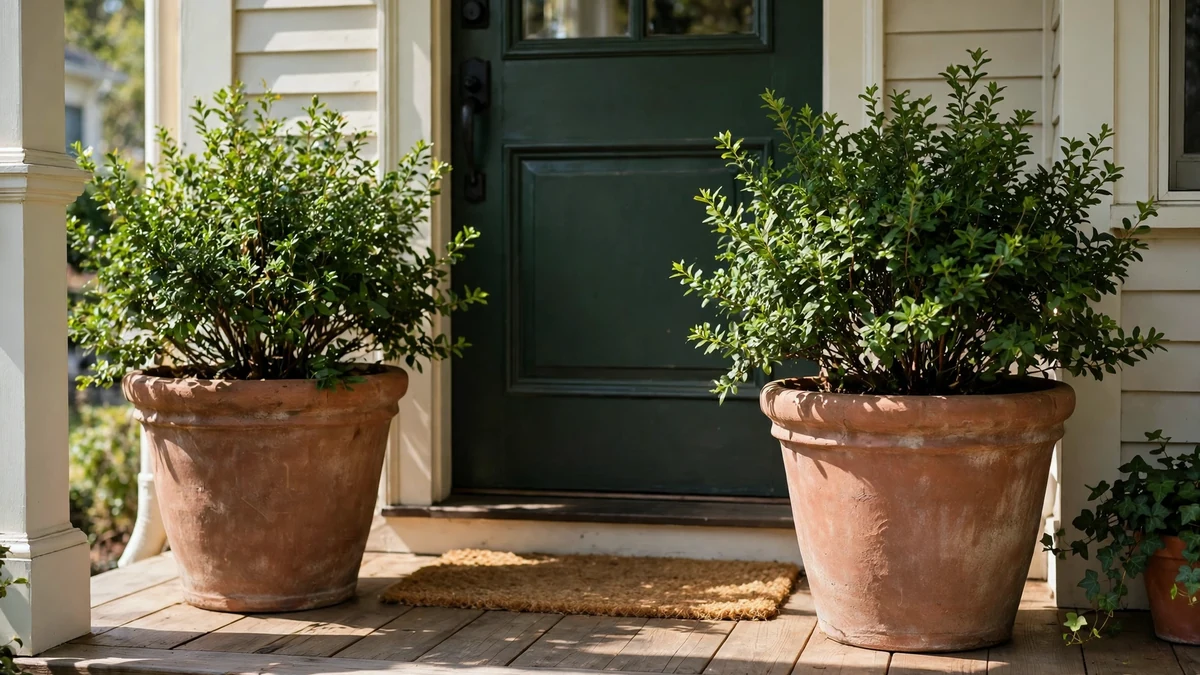
The large outdoor planter is the workhorse of the garden. It holds a shrub, a small tree, or a generous mixed planting, and it anchors a corner of the patio or frames a doorway. The best ones are at least forty-five centimetres wide and equally deep, with thick walls that insulate the roots.
Raised Planters
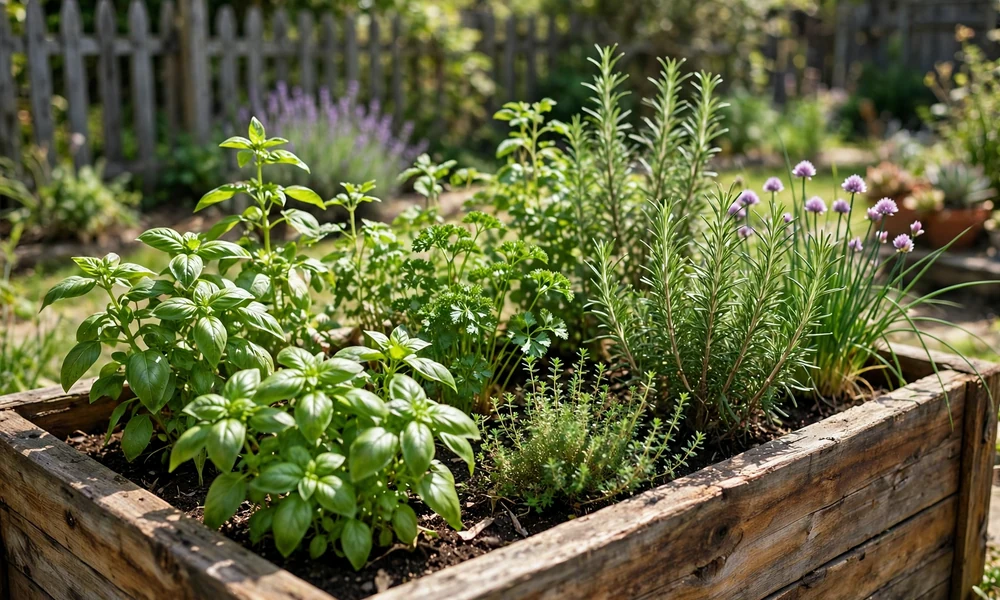
A raised planter lifts the growing space to waist height, which makes it the kindest option for anyone with a bad back or stiff knees. It also keeps the soil warmer in spring, drains well, and puts herbs and salads within easy reach of the kitchen door.
Raised planters suit herbs especially well, because the plants get sun, air, and free-draining soil in one place. If you want to grow herbs close to the kitchen, our guide to the best herb gardens for the kitchen in 2026 covers the indoor kits and windowsill options that pair well with an outdoor raised planter.
Window-Box Planters
A window box is the smallest planter with the biggest visual effect. One well-planted box turns a plain window into a flower display that can be seen from the street and enjoyed from inside the room.
The best window boxes are long, deep enough to hold a decent amount of soil, and fitted with secure brackets. A box that is too shallow dries out by midday in summer and needs watering twice a day. Aim for at least twenty centimetres of depth, and choose a box with drainage holes and a drip tray to protect the wall and the sill below.
Safety comes first with a window box, especially above the ground floor. Use brackets rated for the weight of a fully watered box, fix them into solid masonry rather than render alone, and check the fixings every spring. A window box that falls is dangerous, and it is entirely preventable.

Wall-Mounted Planters
Wall planters are the answer for a small garden, a balcony, or a courtyard with no ground to plant in. They turn a bare fence or wall into a vertical garden, and they keep the floor clear for chairs and a table.
The best wall planters are light when full, because the fixings carry the whole weight. Felt pocket planters, light resin troughs, and small wooden boxes all work well, as long as the wall and the fixings are sound. Heavy concrete or stone has no place on a wall unless it is built in by a professional.
Modern Concrete Planters
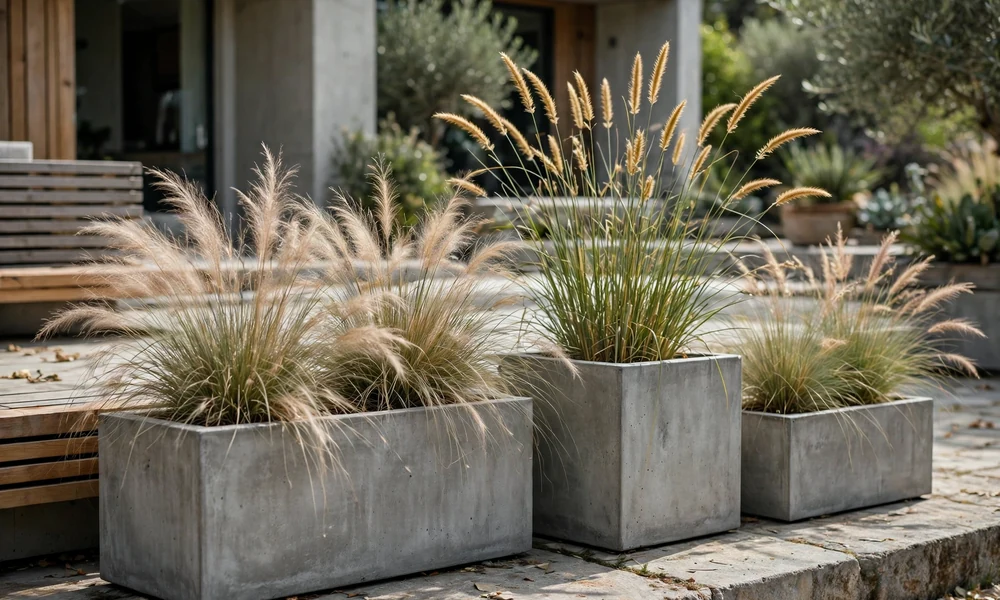
Concrete planters suit modern houses, roof terraces, and minimalist gardens. Their clean lines and grey tones let the plants do the talking, and their weight means they stay exactly where you put them, even in a storm.
The best concrete planters are cast thick enough not to chip, sealed inside so the soil does not stain the surface, and fitted with a drainage hole and feet. Ornamental grasses, olive trees, and architectural plants like agave look especially good in them, because the simple container frames a strong plant shape.
Self-Watering Planters
The best self-watering planters have a visible water gauge, so you can see at a glance whether the reservoir needs topping up, and an overflow hole so a heavy rainstorm does not flood the roots. They suit thirsty plants like tomatoes, herbs, and leafy salads particularly well.
Common Mistakes to Avoid
The most common mistake is choosing a planter that is too small. A plant that looks comfortable on the day you buy it can be root-bound within a year, with water running straight through and leaves yellowing from hunger. When in doubt, go one size up.
The third mistake is planting the wrong plant in the wrong spot. A sun-loving lavender will sulk in a shady corner, however beautiful the planter, and a shade-loving fern will scorch on a south-facing patio. Match the plant to the light and the wind first, and let the planter follow.
Looking After Your Planters
Planters need a little care through the year. In spring, empty and refresh the top few centimetres of soil, feed the plants, and check the drainage holes and fixings. In summer, water in the morning or evening, mulch the surface, and move light planters into shade during a heatwave if the plants are struggling.
Good planters repay that small amount of attention for years. A terracotta planter softens with age, a wooden planter weathers into the garden, and a concrete planter simply carries on. Buy once, plant well, and the planters become part of the garden rather than a purchase you repeat every spring.
The Bottom Line
The best planter is the one that fits the plant, the spot, and the way you garden. A large terracotta planter by the front door, a raised wooden planter for herbs, a window box full of summer colour, and a concrete planter on the patio each do a different job, and together they can transform a house and garden.
Start with the biggest job first: the entrance or the patio, where a planter makes the most difference. Choose a size larger than you think you need, check the drainage, and plant it well. The plants will do the rest, and a good planter will still be holding a thriving plant years after a cheap one has cracked, faded, or blown away.