
The best plant pots in 2026 are the ones that make your plants look better and grow better at the same time. A plant pot sounds like the simplest purchase in the home, until you bring a beautiful plant home in a pot that drowns its roots, tips over every time the cat walks past, or clashes so badly with the room that the plant disappears behind it. The best plant pots get the practical details right first: drainage, size, weight, and material, and then they look good doing it.
We judged the best plant pots on drainage first, then on the right size for the plant, material and weight, durability indoors and outdoors, and how good they look in a real room, because a pot that looks lovely in a shop and kills the plant in a month is not a good pot. The garden hoses we compared earlier keep the outdoor plants watered, but the pot is what the plant lives in, and the right one can be the difference between a plant that thrives for years and one that slowly fades on the windowsill.
Key Takeaways
- Terracotta is the best plant pot overall in 2026, with natural breathability that prevents overwatering and a warm look that suits almost any plant.
- Glazed ceramic is the best plant pot for making a plant look its best, with rich colours and finishes that turn a plant into a feature of the room.
- Self-watering pots are the best plant pots for busy people and frequent travellers, keeping soil evenly moist for weeks at a time.
- Lightweight plastic is the best plant pot for large plants and balconies, where a heavy pot would be hard to move or too much for the structure.
- Concrete and stone pots are the best plant pots for outdoor use, heavy enough to stay upright in wind and tough enough to survive frost.
The Best Plant Pots of 2026 at a Glance
| Pot Material | Best For | Drainage | Weight | Outdoor Use |
|---|---|---|---|---|
| Terracotta | Best overall | Excellent, breathable | Medium | Good, bring in for hard frost |
| Glazed ceramic | Best looks | Good with drainage holes | Heavy | Fair, can crack in frost |
| Self-watering | Busy owners | Built-in reservoir | Medium | Good indoors, fair outdoors |
| Plastic | Large plants, balconies | Good with holes | Light | Good, may fade in sun |
| Concrete or stone | Outdoor statement plants | Good with holes | Very heavy | Excellent |
How We Judged the Best Plant Pots
A plant pot earns its place on this list by doing three things well: draining properly, fitting the plant, and lasting. Drainage comes first because it is the thing that kills most houseplants. Roots sitting in water rot, and a pot without a drainage hole is a plant slowly drowning, no matter how careful you are with the watering can. Every pot on this list either has drainage holes or is designed to manage water properly.
Terracotta: The Best Plant Pots Overall
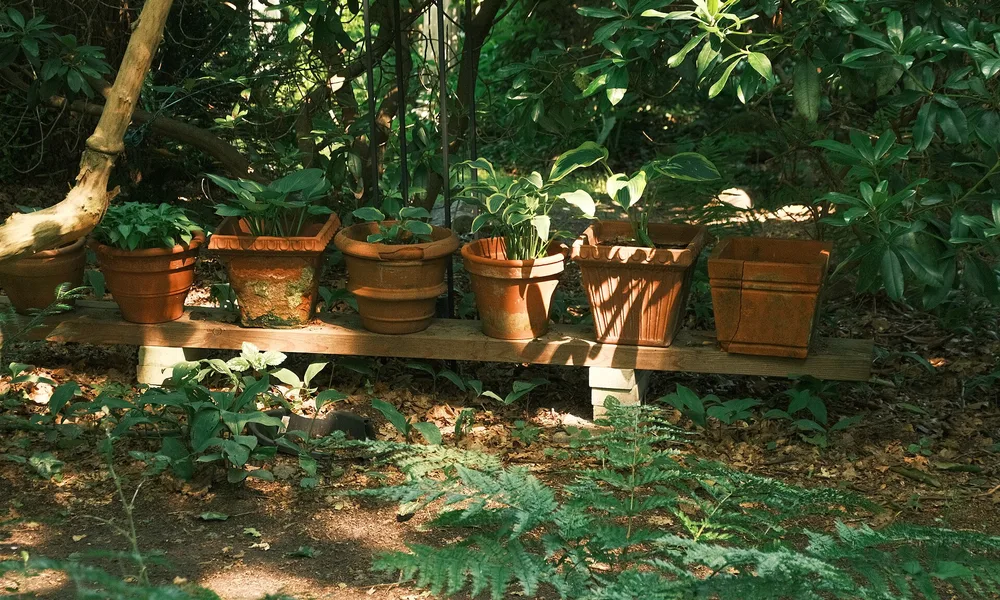
Terracotta is the classic clay pot, and it is the best plant pot overall because its porous walls do something no other material does: they breathe. Water evaporates through the clay, air reaches the roots, and the soil dries out evenly between waterings. That makes terracotta the most forgiving pot for anyone who tends to overwater, which is the most common way houseplants die. Herbs, succulents, cacti, and Mediterranean plants all love terracotta.
What to watch out for with terracotta
Terracotta dries out fast, especially in a sunny window or a warm room, so plants in terracotta need watering more often than the same plant in a glazed pot. In summer, a terracotta pot on a sunny sill can dry out in a single day. Check the soil with your finger rather than watering on a schedule, and consider a saucer underneath to catch the water that drains through, because a terracotta pot without a saucer will mark a wooden table.
Glazed Ceramic: The Best Plant Pots for Looks
A glazed ceramic pot is the best plant pot for making a plant look its best, because the glaze gives you colour, shine, and finish in a way plain clay never will. A deep green ceramic pot makes a monstera look like a piece of furniture, a white glazed pot makes a trailing plant look clean and modern, and a handmade speckled pot can carry a whole corner of a room. If the plant is the star, the pot is the frame, and ceramic gives you the widest choice of frames.
Self-Watering Pots: The Best Plant Pots for Busy People
A self-watering pot has a water reservoir at the bottom and a wick or a gap that lets the soil draw up moisture as it needs it, and it is the best plant pot for busy people and frequent travellers. Fill the reservoir and the plant waters itself for one to three weeks, depending on the size of the pot and the thirst of the plant. For anyone who has come home from a holiday to a dead plant, a self-watering pot is a genuine solution rather than a gimmick.
Plastic, Metal, and Concrete: The Practical Choices
Plastic pots are the best plant pots for large plants and balconies, because they are light. A big plant in a ceramic pot can weigh more than a person can lift, while the same plant in a plastic pot can be moved by one person. Modern plastic pots come in convincing stone, terracotta, and ceramic finishes, they do not crack in frost, and they are cheap enough to replace without thinking twice. The downsides are that they can look cheap up close, they fade in strong sun over a few years, and they are the least sustainable choice, so buy good ones and keep them for years rather than treating them as disposable.
Concrete and stone pots are the best plant pots for outdoor use. They are heavy enough that wind cannot topple them, they survive frost that would crack terracotta and ceramic, and they age gracefully, softening and weathering in a way that suits a garden. The weight is the catch: once a concrete pot is filled and planted, it is not moving, so choose its spot carefully before you fill it.
Getting the Size and the Drainage Right
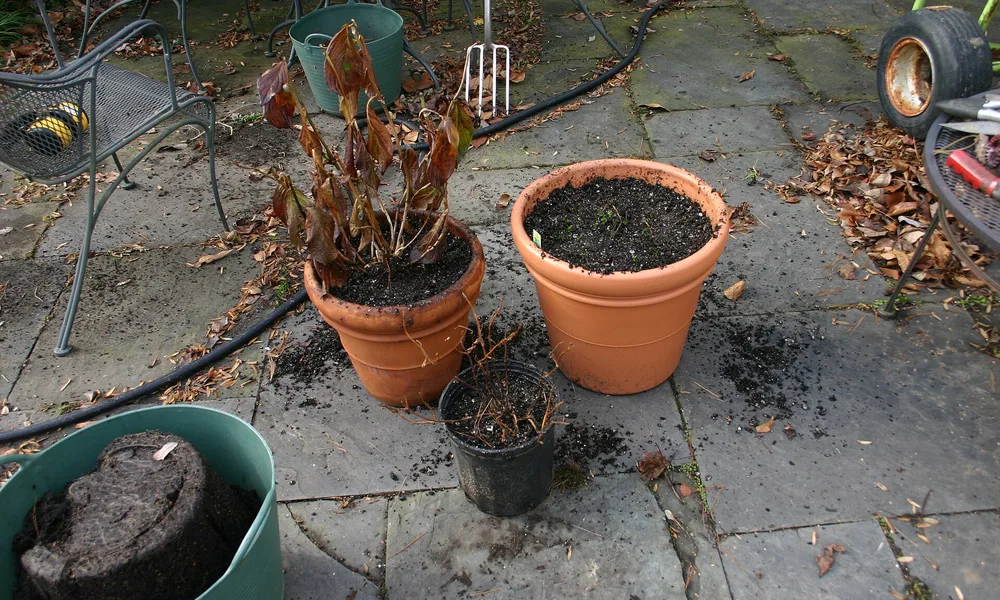
The two mistakes that kill the most plants are a pot with no drainage and a pot that is far too big. Always check for a drainage hole before you buy, and if a pot you love has none, either drill one if the material allows it, or use it as a cachepot with a smaller plastic pot inside, tipping out the excess water after every watering. A layer of stones at the bottom does not replace a drainage hole: water still sits in the stones, and the roots still rot.
When you repot, go up by one size only, about one to two inches wider than the current pot. A plant moved into a pot three sizes too big sits in wet soil it cannot use, and the roots rot before they grow. Repot in spring, when the plant is starting to grow, and use fresh potting mix rather than reusing old soil, which is exhausted and often full of pests. The sofa guide we published earlier is about choosing furniture that survives real life, and a plant pot deserves the same thinking: buy for the plant you have and the room it lives in, not the plant you wish you had.
Styling Plant Pots in a Real Home
Plant pots look best when they are chosen as a set rather than one by one. Pick one material or one colour family and repeat it through a room, varying the size and the shape of the pots rather than the material. Three terracotta pots of different sizes on a windowsill look deliberate, while three pots in three different materials look like an accident. A group of plants in matching pots reads as a collection; the same plants in random pots read as clutter.
Your Plant Pot Checklist
- Check for a drainage hole before you buy, and never plant directly into a pot without one.
- Go up one size only when repotting, about one to two inches wider than the current pot.
- Match the material to the plant: terracotta for succulents and herbs, glazed ceramic for moisture lovers.
- Put heavy pots where they will stay, and use lightweight plastic for large plants you need to move.
- Use a matching saucer under every indoor pot to protect tables and floors.
- Repot in spring with fresh potting mix, and check the soil with your finger before watering.
Frequently Asked Questions
Do plant pots need drainage holes?
Yes, almost always. A pot without a drainage hole lets water sit at the bottom, where it rots the roots and kills the plant. If a pot you love has no hole, use it as a cachepot with a smaller plastic pot inside, and tip out the excess water after every watering.
What size plant pot should I buy?
Choose a pot one to two inches wider than the plant’s current root ball. A pot that is too big holds wet soil the roots cannot use, which causes root rot, while a pot that is too small dries out in a day and restricts growth. Repot when roots appear from the drainage hole or circle the top of the soil.
Are terracotta pots better than plastic pots?
Terracotta is better for plants that like to dry out between waterings, like succulents, herbs, and cacti, because the porous clay breathes and prevents overwatering. Plastic is better for large plants and for plants that like steady moisture, because it is light and holds water for longer. The best choice depends on the plant.
Can I leave plant pots outside in winter?
Concrete and stone pots can stay outside all winter, and plastic pots are frost-proof too. Terracotta and glazed ceramic can crack in a hard freeze, because water trapped in the material expands as it freezes, so bring them under cover or into a shed before the first hard frost.
How often should I repot my plants?
Most houseplants need repotting every one to two years, in spring, when they are starting to grow. Signs that a plant needs repotting include roots coming out of the drainage hole, water running straight through the pot, and growth slowing down even though you are feeding and watering it.
What is a self-watering pot, and does it really work?
A self-watering pot has a reservoir at the bottom that lets the soil draw up water as it needs it, keeping the plant watered for one to three weeks. It works well for plants that like steady moisture, like peace lilies and ferns, but it is not suited to succulents and cacti, which need to dry out fully between waterings.
The Bottom Line
The best plant pots in 2026 are the ones that make your plants look better and grow better, and for most plants that means terracotta for the ones that like to dry out and glazed ceramic for the ones that like steady moisture, always with a drainage hole and the right size. If you travel a lot, add a self-watering pot for your thirstiest plants, and if the plant lives outside, choose concrete or stone that will stand up to wind and frost. The coffee tables we compared earlier show how one piece of furniture can change a room, and a plant in the right pot does the same thing for less money and with more life in it. Buy the pot for the plant you have, give it drainage and room to grow, and the plant will do the rest.


