
What Is the Best Curling Iron for Effortless Waves in 2026?
The best curling iron for effortless waves is not the hottest one or the most expensive one. It is the one with the right barrel size for loose waves, even heat across the whole barrel, and a temperature you can set precisely for your hair type. Waves fail for practical reasons: a barrel too narrow makes tight curls, a barrel with hot spots burns some strands and leaves others straight, and a single scorching setting fries fine hair. This guide explains what makes a curling iron good for effortless waves in 2026, and the technique behind soft waves that last all day.
Effortless waves are a specific look, not just loose curls. They are wide, soft, slightly uneven waves that start a few centimetres from the roots and fade out toward the ends. Getting them is mostly about restraint: bigger sections, a wider barrel, less heat than you think, and leaving the ends out of the clamp.
Key takeaways
- A 32mm barrel is the best size for effortless waves on most hair, while a 25mm barrel makes tighter curls and a 38mm barrel suits long, thick hair.
- Set the heat to your hair type: around 160°C for fine or damaged hair, around 180°C for normal hair, and up to 200°C for thick hair.
- Wrap wide sections of hair around the barrel and leave the last few centimetres of the ends out for a relaxed wave.
- Even heat across the barrel matters more than a high maximum temperature, because hot spots burn some strands and under-curl others.
- Let each wave cool in your hand for a few seconds before you drop it, then brush through gently once all the waves are set.
How we judged the best curling irons for waves
Every curling iron here was judged on the same five points: how evenly the barrel heats; how smoothly hair wraps and releases without snagging; how accurately the temperature dial matches the real heat; how comfortable the iron feels during a full session; and how long the waves last at the end of the day.
The best curling irons for waves at a glance
| Curling iron | Best for | Barrel | Heat range | Approx. price |
|---|---|---|---|---|
| 32mm ceramic curling iron | Effortless waves, most hair | 32mm | 120–210°C | $35–$80 |
| 25mm tourmaline curling iron | Short hair, defined waves | 25mm | 130–210°C | $30–$70 |
| 38mm large-barrel curling iron | Long, thick hair | 38mm | 140–210°C | $40–$90 |
| Clamp-free curling wand | Natural, crease-free waves | 25–32mm tapered | 120–200°C | $35–$85 |
| Interchangeable-barrel curling iron | Switching between waves and curls | 19–38mm set | 120–210°C | $60–$120 |
| Automatic rotating curling iron | Beginners, hard-to-reach hair | 25–32mm | 150–200°C | $70–$140 |
| Titanium curling iron | Thick, coarse, resistant hair | 32mm | 150–230°C | $50–$110 |
The 7 best curling irons for effortless waves in 2026
1. Best overall: 32mm ceramic curling iron
A 32mm ceramic curling iron is the best starting point for effortless waves, because the barrel is wide enough to make loose waves rather than tight curls, and ceramic heats evenly and releases hair without snagging. Ceramic is forgiving: it holds a steady temperature, avoids the hot spots that scorch fine hair, and suits every hair type. Wrap a section about three centimetres wide around the barrel, hold for eight to ten seconds, release, and let the wave cool in your hand. If you buy only one curling iron, buy this one.
2. Best for short hair: 25mm tourmaline curling iron
Short hair needs a narrower barrel, because a 32mm barrel on a bob or a pixie cut has nothing to wrap, and the waves fall out within the hour. A 25mm tourmaline iron gives short hair enough grip to form a wave, and tourmaline adds negative ions that smooth the cuticle and cut frizz. Work in small sections, wrap the hair flat around the barrel rather than twisting it, and hold for six to eight seconds.

3. Best for long hair: 38mm large-barrel curling iron
Long, thick hair swallows a narrow barrel: the hair wraps around it several times, the outer layers barely heat, and the wave drops out before you leave the house. A 38mm barrel makes fewer, wider turns, so the heat reaches the whole section evenly. Use it on fully dry hair, work in sections no wider than the barrel, and hold each section for ten to twelve seconds. Leave the last few centimetres of the ends out, which keeps the wave looking modern.
4. Best for crease-free waves: clamp-free curling wand
The clamp is the part of a curling iron that causes the most complaints, because it leaves a crease mark where it grips the hair and snags the ends when you release it. A clamp-free wand removes both problems: you wrap the hair around the barrel by hand, wearing the heat-resistant glove that comes with it, and the wave slides off cleanly with no dent. Wands suit the effortless wave look well, because wrapping by hand naturally produces slightly uneven, relaxed waves.
5. Best for versatility: interchangeable-barrel curling iron
An interchangeable-barrel iron is one handle with several barrels, usually from 19mm to 38mm, and it is the best choice if you want tight curls one day and loose waves the next without buying three tools. Swap to the 32mm barrel for everyday waves, the 25mm for a more defined look, and the 38mm for long hair. Cheaper sets heat unevenly, so check reviews for heat-up time before buying. For most people this is the best value, because it replaces two or three single tools.

6. Best for beginners: automatic rotating curling iron
An automatic rotating iron winds the hair around the barrel for you, which solves the hardest part of curling: the back of your head, where you cannot see what your hands are doing. Place a section against the barrel, press the button, and the iron draws the hair in, heats it, then beeps when the wave is done. The waves are uniform, so brush them out gently to soften them. Automatic irons cost more, and they work best on medium-length hair, because very long hair can tangle in the chamber.
7. Best for thick hair: titanium curling iron
Thick, coarse hair resists heat, and a ceramic barrel sometimes cannot hold its temperature through a thick section. Titanium heats faster, holds its temperature under load, and transfers heat more efficiently, which means fewer passes and less overall heat exposure. A 32mm titanium iron at around 200°C will wave thick hair in eight seconds where ceramic needs twelve. Titanium is the wrong choice for fine or damaged hair, because it is easy to overshoot and scorch it. Pair it with a good wash routine, and our guide to the best shampoos for every hair type covers the formulas that keep thick hair manageable.
How to get effortless waves, step by step
Start with hair that is completely dry, because a curling iron on damp hair boils the water inside the shaft and damages it. Apply a heat protectant from the mid-lengths to the ends. Divide the hair into two layers, top and bottom, and clip the top layer away. Work through the bottom layer in sections about three centimetres wide, wrapping each one around the barrel away from your face, holding for eight to ten seconds, and letting the wave cool in your palm before you drop it. Repeat on the top layer, alternating the direction of one or two sections near the front. Wait two minutes, then brush through once with a wide-tooth comb and finish with a light-hold spray.
Barrel size, heat and hair type
Barrel size decides the shape of the wave: a 19mm barrel makes tight curls, a 25mm barrel makes defined curls and waves on short hair, a 32mm barrel makes the loose waves most people want, and a 38mm barrel makes the widest waves on long hair. Heat decides whether the wave holds: fine or damaged hair needs around 160°C, normal hair works well at around 180°C, and thick hair needs up to 200°C. Start low and turn the heat up only if the waves drop out within an hour. The right dryer matters too, and our guide to the best hair dryers explains how to dry hair for waves without roughing up the cuticle.
The mistakes that ruin effortless waves
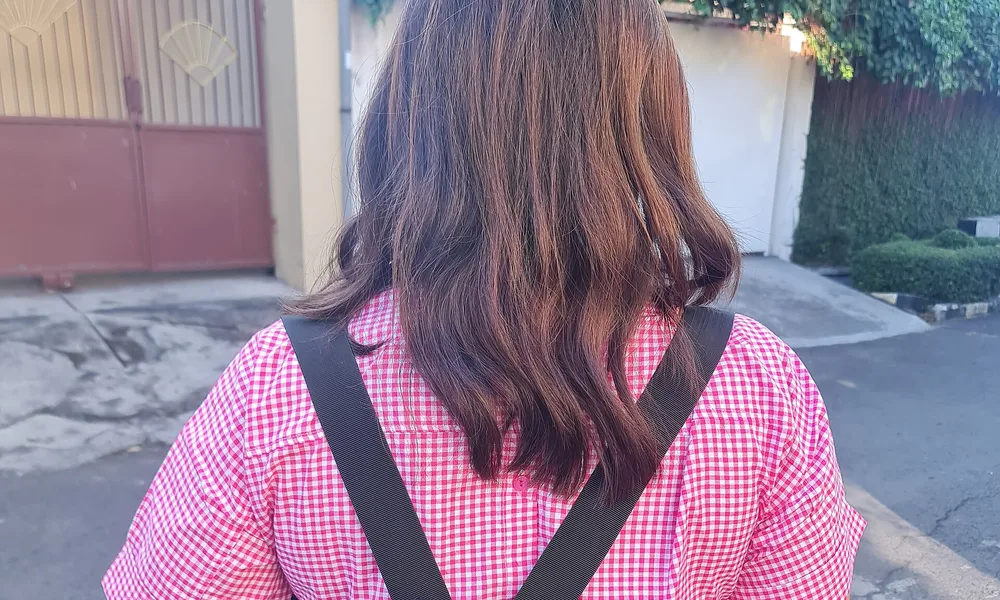
The most common mistake is using sections that are too thin, which makes tight curls instead of loose waves, so take wider sections than feels natural. The second is wrapping the ends around the barrel, which curls them into a perfect ring, so leave the last few centimetres out. The third is brushing the waves out while they are still warm, which pulls them straight before they have set. The fourth is using too much heat on fine hair, which leaves it brittle and frizzy. The fifth is curling toward the face on every section, so alternate the direction on the front sections. If you want to know which irons to avoid, our comparison of the best and worst curling irons names the models with hot spots, snagging clamps and dishonest temperature dials.
Curling iron buying checklist
- Choose the barrel size for the wave you want: 32mm for effortless waves on most hair, 25mm for short hair, 38mm for long hair.
- Pick ceramic for even heat and everyday use, tourmaline for frizz-prone hair, and titanium only for thick, resistant hair.
- Check that the temperature adjusts in small steps with a real display, not a single high-low switch.
- Look for a cool tip, a swivel cord and an automatic shut-off, because all three make styling safer and easier.
- Test the clamp if it has one: it should grip firmly without creasing or snagging the hair.
- Buy a heat protectant at the same time, and use it every time you style, without exception.
Frequently asked questions
What size curling iron is best for waves?
A 32mm barrel is the best size for effortless waves on most hair lengths, because it makes wide, loose waves rather than tight curls. Use a 25mm barrel for short hair and a 38mm barrel for long, thick hair.
How hot should a curling iron be for waves?
Around 160°C for fine or damaged hair, around 180°C for normal hair, and up to 200°C for thick or coarse hair. Start low, and turn the heat up only if the waves drop out within an hour.
Should I curl my hair toward or away from my face?
Mostly away from your face, which opens the face up and makes the waves look natural. Alternate the direction on the front sections so the waves do not fall into a uniform pattern.
Why do my waves fall out within an hour?
Usually because the hair was not hot enough all the way through, the sections were too wide, or the waves were brushed out while still warm. Use narrower sections, hold each one for the full eight to ten seconds, and let each wave cool before touching it.
Is a curling wand better than a curling iron for waves?
A wand usually makes softer, more natural waves, because wrapping by hand produces slight unevenness and there is no clamp to leave a crease. An iron is easier to learn, because the clamp holds the hair while you position it.
Do I need heat protectant every time I curl my hair?
Yes, every single time. Heat protectant reduces the damage from the barrel and helps the wave hold its shape, and skipping it adds up to visible breakage over a few months. Apply it to damp hair before drying, or to dry hair before curling.
The bottom line
The best curling iron for effortless waves is a 32mm ceramic iron with adjustable heat, used on dry, protected hair in wide sections with the ends left out and the waves cooled before brushing. Match the barrel to your hair length and the heat to your hair type, and ten minutes gives you soft waves that last until evening.


