
A shovel is the tool most people buy once and then forget about, right up until the moment it fails. When it works well, you barely notice it: the blade bites, the handle feels solid, and the soil comes up in clean, even scoops. When it works badly, the blade bends on the first stone, the handle flexes like a fishing rod, and your back does the work the tool should have done.
The gap between the best and the worst shovels in 2026 is wider than the price tags in the garden centre suggest. Two shovels can look almost identical on the rack, with the same length, the same wooden handle, and the same shiny blade, yet one will still be digging cleanly in twenty years while the other has a bent blade, a wobbling socket, and a cracked handle after a single hard season. This guide puts the two ends of the market side by side, across every kind of shovel, so you can tell them apart before you spend anything.
Key Takeaways
- The best shovels cut into soil cleanly, hold their edge, and keep the blade firmly fixed to the handle for decades; the worst bend, flex, and work loose.
- Match the shovel to the job: a round-point shovel for digging, a square-point shovel for scooping and edging, and a trenching shovel for narrow, deep holes.
- A forged steel blade with a closed socket beats a thin stamped blade every time, especially in stony or clay soil.
- Handle length matters more than strength: a long handle suits tall users and heavy digging, while a short D-handle suits tight beds and control.
- Check the socket, the blade thickness, and the grip before you buy, and retire a shovel the moment its blade starts to move on the handle.
The Best and Worst Shovels of 2026 at a Glance
| Shovel Type | Best For | Blade | Handle | Weakness |
|---|---|---|---|---|
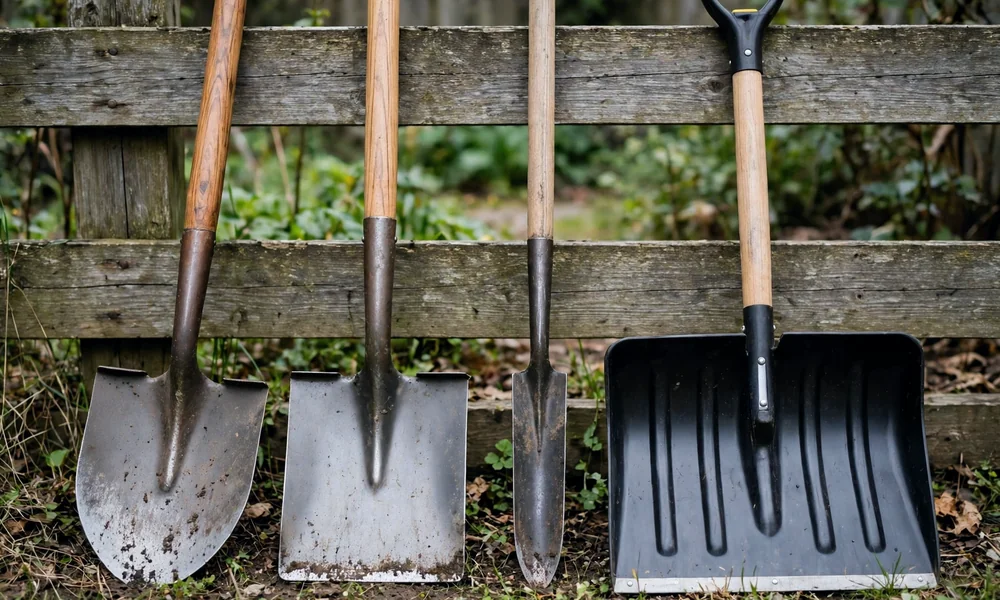
| Round-point digging | Best overall, garden digging | Forged steel, pointed | Long ash or fibreglass | Poor at scooping loose material |
| Square-point | Scooping, edging, moving soil | Forged steel, flat edge | Long or D-handle | Struggles to cut into hard ground |
| Trenching | Narrow trenches, drainage, cables | Narrow forged steel | Long handle | Too narrow for general digging |
| Snow pusher | Clearing paths and driveways | Wide plastic or steel | Long ergonomic handle | Useless for digging |
Pick the Right Type First
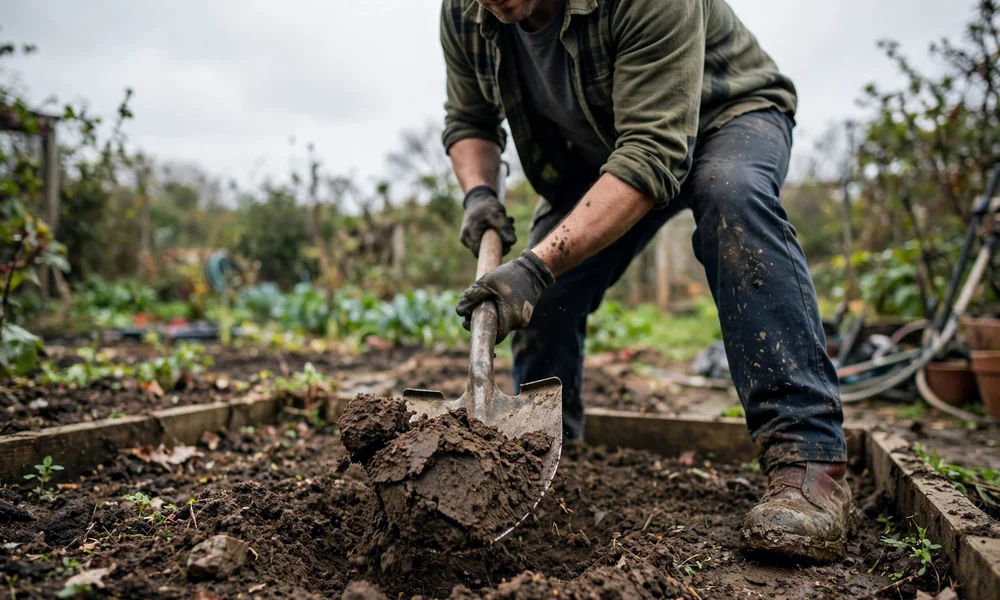
Before looking at any single shovel, decide what kind of work you will actually do. A round-point digging shovel is the household standard: its pointed blade cuts into turf and soil, pries up roots, and turns over beds, and a long handle gives you the leverage to work all afternoon without stooping. A square-point shovel, with its flat edge, is the right tool for scooping loose soil, sand, and gravel, and for cutting a clean edge along a lawn or path. If your jobs are mostly moving material rather than breaking ground, the square point will serve you better than a digging shovel ever could.
Other shovels suit narrower jobs. A trenching shovel has a long, narrow blade that digs deep, straight-sided holes for drainage pipes, cables, and fence posts, and it is the right choice when a normal blade is too wide to fit. A snow pusher has a wide, light blade that moves snow in broad sheets instead of lifting it, and it belongs in the garage for winter rather than in the garden shed. The same care that goes into choosing the right hammer applies here too, and the best vs worst hammers of 2026 show the same lesson: the tool that fits the job lasts longer and works better than the one that almost fits.
The Best Shovels of 2026
The best shovels share a simple quality: they make hard, repetitive work feel manageable. They cut cleanly, they lift without flexing, and they stay together season after season. The details that separate them from the rest are easy to check in the shop once you know what to look for, and they are worth the extra money because a good shovel is a tool you buy once.
The Round-Point Digging Shovel: Best Overall
A forged round-point shovel is the best shovel for most households, and the one to buy if you only buy one. The blade is made from a single piece of tempered steel, thick enough to hold its edge and stiff enough not to bend when it hits a stone, and the point lets it cut into turf, clay, and compacted soil that would stop a flat blade cold.
The Square-Point Shovel: Best for Scooping and Edging
A square-point shovel is the best shovel for moving loose material and cutting clean edges, and it earns its place beside the digging shovel rather than replacing it. The flat, straight edge slides under a pile of soil, sand, or gravel and lifts a full load without spilling, and it cuts a crisp line along a lawn edge or a path where a pointed blade would leave a ragged finish.
The Trenching Shovel: Best for Narrow, Deep Work
A trenching shovel is the best shovel for narrow, deep holes, and the right tool for drainage channels, cable runs, and fence post holes. Its blade is long and narrow, usually no more than fifteen centimetres across, and it cuts a straight-sided trench that a normal shovel cannot fit into.
The Snow Pusher: Best for Winter Clearing
A snow pusher is the best shovel for clearing paths and driveways in winter, and it works on a different principle from every other shovel on this list. Instead of lifting snow, you push it ahead in a broad sheet, which is far faster and far easier on your back than scooping. The best pushers have a wide blade, sixty to seventy-five centimetres across, with a steel wear strip along the bottom edge so it scrapes clean to the pavement without catching, and an ergonomic bent handle that lets you push with your legs instead of bending at the waist.
The Worst Shovels of 2026
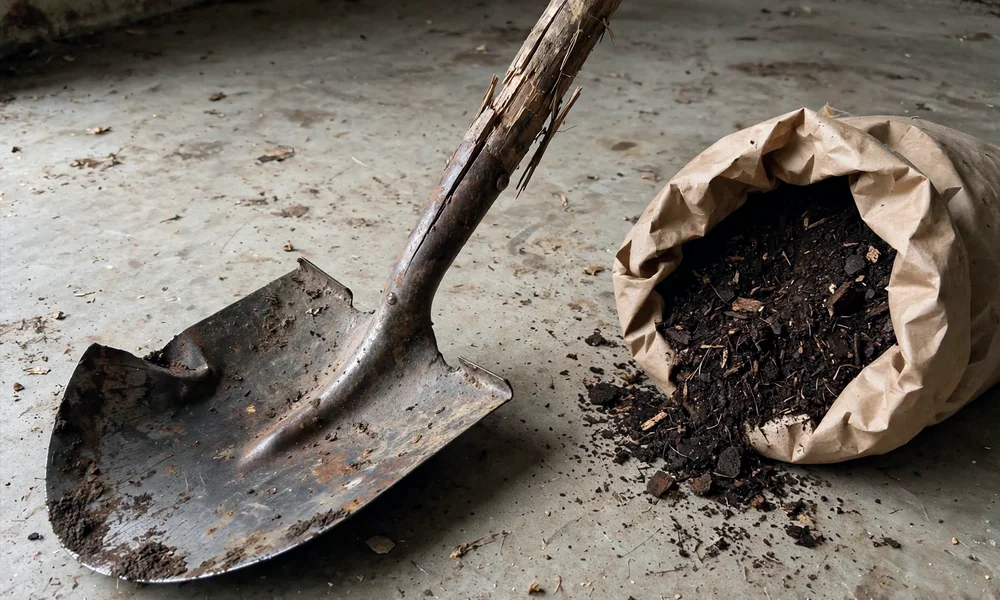
The worst shovels fail in predictable ways, and once you know the signs you can spot them on the rack before you pay. They are built to a price, not to a standard, and the savings show up in the steel, the socket, and the handle, which are the three places a shovel takes the most strain. A bad shovel does not just work poorly, it can be dangerous: a blade that snaps off its handle mid-swing can throw you off balance, and a handle that splinters under load can cut your hands badly.
Thin Stamped Blades That Bend on the First Stone
The most common fault in a cheap shovel is a thin stamped blade, pressed from sheet steel instead of forged. It looks fine in the shop, shiny and smooth, but the first stone or root in the soil bends it, and once a blade bends it never cuts straight again. A bent blade skips across the ground instead of biting, it spills its load, and it puts the strain on your arms instead of on the steel.
Open Sockets and Loose Handles
The socket is the join between the blade and the handle, and it is where cheap shovels fail most often. A good shovel has a closed socket, a tube of steel that wraps fully around the handle and is riveted or welded to the blade, so the handle cannot twist or pull out. A bad shovel has an open socket, a folded strap of thin metal that is crimped around the handle, or worse, a blade that is simply bolted to a flat handle with a single screw.
Short Handles and Gimmick Designs
The worst shovels for most people are the ones with handles that are too short for the job. A short handle forces you to stoop, which puts the strain on your lower back instead of your legs, and it gives you no leverage, so every scoop feels heavier than it should. If you are tall, the problem is worse, and a handle that ends at your waist instead of your chest will leave you aching after half an hour.
What to Check Before You Buy
Choosing a good shovel takes five minutes in the shop and saves you years of frustration. Start with the blade: it should be thick, stiff, and made from a single piece of steel, with a clean cutting edge and no visible seams or welds on the face. Press the tip against the floor and lean on the handle; a good blade will not flex, and a bad one will give visibly. A good pair of gloves helps too, and the guide to why good garden gloves are worth more than you think explains what to look for in the pair you will wear with it.
Care, Storage, and Making a Shovel Last
A good shovel will last decades if you look after it, and the care it needs takes only a few minutes after each use. Knock the soil off the blade before it dries, because dried mud holds moisture against the steel and starts rust, and wipe the blade with an oily rag a few times a season to keep the edge clean and protected. The same habits apply to the rest of your garden kit, and the best vs worst brooms of 2026 show how the same difference between a well-made tool and a cheap one plays out in the yard.
The Verdict
The best shovels of 2026 are the forged, closed-socket tools with a solid ash or fibreglass handle, matched to the job you actually do: a round-point shovel for digging, a square-point shovel for scooping and edging, a trenching shovel for narrow work, and a wide pusher for snow. The worst shovels are the thin stamped blades with open sockets, short handles, and gimmick joints, and they fail exactly where a shovel takes the most strain, usually in the middle of a job you cannot leave half finished.
Buy the right type, check the blade, the socket, and the handle before you pay, and look after the tool once it is yours. A shovel is one of the simplest tools you will ever own, and also one of the most honest: it shows you exactly what it is made of the first time you put your weight on it. Choose well, and the only thing you will notice is how little you have to think about it.
Frequently Asked Questions
What is the best shovel for general garden use?
A forged round-point digging shovel with a long ash handle is the best all-round choice for most gardens. It cuts into turf and soil, turns over beds, and digs holes for planting, and it is the one shovel to buy if you only buy one.
Why does my shovel blade keep bending?
A blade bends because it is made from thin stamped steel instead of forged steel, and it is being used on ground it cannot handle. Switch to a forged blade, match the shovel to the job, and sharpen the edge regularly so it cuts instead of being forced.


