
A virtual reality headset is either a doorway or a headache, and there is very little in between. The best VR headsets of 2026 pull you into a game, a film, or a virtual room so completely that you forget the headset is there at all. The worst headsets do the opposite. They are heavy, blurry, and fiddly to set up, and they leave you feeling queasy within twenty minutes.
This comparison puts the best VR headsets of 2026 head to head against the worst, judging them the way you would actually use them: on the sofa after work, in a spare room cleared for a game, and with friends or family taking turns. We look at picture sharpness, comfort, tracking, ease of setup, the games and apps available, and whether the headset is still pleasant to wear after the novelty has worn off. A headset is not the same as gaming headphones, which only cover sound, or a games console, which only covers the screen in front of you.
Key Takeaways
- Comfort decides whether you use a headset every week or leave it in a cupboard after a month.
- A sharp, steady picture matters more than a long list of features you will never use.
- Easy setup beats raw power, because a headset you cannot start quickly is a headset you will not start at all.
- Check the games and apps before you buy, since the best hardware is useless without things worth doing on it.
- Try a headset for a full session before you judge it, because the first ten minutes tell you almost nothing.
What Makes a VR Headset Good or Bad
A good VR headset starts with comfort. It should sit balanced on your head, with the weight spread evenly, a strap that adjusts in seconds, and padding that does not press on your forehead or cheekbones. The best headsets of 2026 can be worn for an hour without aching, and they fit over most glasses. The worst are front-heavy, so they slide down your face, dig in at the nose, and leave red marks.
The second thing that separates good from bad is the picture. A good headset has a sharp, bright display with little sign of the gaps between pixels, a wide enough view that you do not feel as though you are looking through a letterbox, and smooth motion that keeps up with your head. The worst headsets are blurry at the edges, washed out in dark scenes, and jittery when you turn quickly, which is exactly what makes people feel sick.
Tracking and setup are the third test, and they are the one most buyers underestimate. The best headsets track your hands and controllers reliably, even in a dim room, and they remember your play area so you can start in minutes. The worst lose track of a controller at the worst moment, demand a bright, empty room, and need a long setup routine every single time you put them on.
The Best VR Headsets of 2026
The best VR headsets of 2026 are mostly the easy ones, and that is exactly the point. They are the standalone headsets that need no computer, no wires, and no extra sensors: you put them on, draw your play area, and you are playing within a few minutes. They are not the most powerful machines on the market, but they are the ones their owners actually use, week after week.
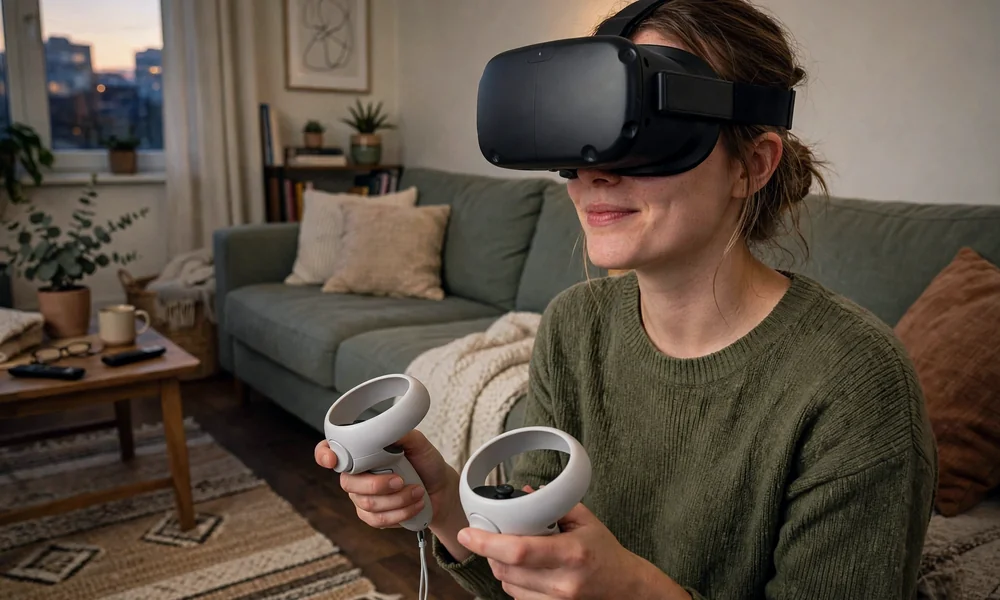
The range of things to do is another area where the best headsets quietly win. The best headsets have games, fitness apps, films, and social spaces all in one store, so different people in the same household find something they like. A headset sits alongside the rest of your gaming setup, and our comparison of the best and worst games consoles of 2026 shows how the console underneath still shapes what you can play.
The Worst VR Headsets of 2026
The worst VR headsets of 2026 are not always the cheapest, and that is what makes them so frustrating. Some look smart in the box and come with a long list of specifications, but within a few weeks the problems start: a strap that will not stay tight, lenses that fog up, and a battery that dies halfway through a game. Owners find themselves back on the shop website, looking for fixes that should never have been needed.

Comfort is where many of the worst headsets fall down hardest. They are often fitted with a thin, hard strap and a heavy front, so the whole weight hangs on your forehead and cheekbones. After twenty minutes your neck aches, your face is sore, and the headset has slipped so far down that the picture is blurred at the edges. A headset that hurts to wear is a headset you will stop wearing, however good its games are.
Then there is the picture. The worst headsets are often blurry outside the very centre of the view, with a narrow field of view that feels like peering through binoculars. Dark scenes turn grey and muddy, bright scenes flare, and fast head turns leave a smear behind them. Motion sickness follows quickly, and once you have felt sick in a headset, you are in no hurry to put it on again.
Standalone, Tethered, or Phone-Based: Which Type Wins
Standalone headsets win for most people, and it is not close. A standalone headset has everything built in: no computer, no console, and no cables to trip over. The best standalone headsets of 2026 are easy to share, easy to store, and easy to start, which is why they get used the most. Their weakness is power: they cannot match a top-end computer for the most demanding games, and their batteries run down after a couple of hours.
Tethered headsets are the choice for serious players. A headset wired to a powerful computer delivers the sharpest picture, the smoothest motion, and the biggest games, and it never runs out of battery mid-session. Their weakness is the setup: you need a fast computer, a clear room, and a cable you must learn to ignore. Sound matters just as much as the picture once you are inside a virtual world, and our comparison of the best and worst gaming headsets of 2026 covers the audio side properly.

Phone-based headsets are the cheapest way in, and that is both their charm and their problem. They use your phone as the screen, so they cost very little and need almost no setup. Their weakness is everything else: the picture is softer, the tracking is basic, the phone gets hot, and the whole thing feels like a toy after an hour. They are fine for a first taste of virtual reality, but they are not a headset you will still be using in a year.
For most households, the honest answer is a good standalone headset first, and a tethered headset only if you already own a powerful computer and a room to use it in. A phone headset is a gift, not a purchase to plan around. The same logic applies to ordinary headphones for films and music, and our comparison of the best and worst headphones of 2026 shows what good everyday sound is worth.
Sharpness, Comfort, Tracking, and the Numbers That Actually Matter
Sharpness is measured in pixels per eye, but the honest test is simpler: put the headset on and read a line of text in a virtual menu. If the text is crisp from edge to edge, the headset is sharp enough. If only the centre is clear and the edges blur, you will spend every session moving your head instead of your eyes. A wide field of view helps too: the best headsets feel open, while the worst feel like looking through a tube.
Comfort is measured in grams and in balance, not in padding alone. A lighter headset that balances well feels better than a heavier one with thick foam. The honest test is a full hour: wear the headset for a whole session, not a five-minute demo. If your neck aches, your forehead is sore, or the lenses have fogged up, the headset has failed the comfort test, however impressive its specifications look on paper.
Tracking should be tested in your real room, not in a shop. Move your controllers behind your back, reach up high, and play in dim evening light. The best headsets keep track through all of it. The worst lose a controller the moment it leaves the camera view, and the game stutters while it finds it again. Battery life deserves the same honest check: a headset that promises three hours and delivers ninety minutes will cut short every long session.
How to Buy a VR Headset Without Regret
The single most useful thing you can do before buying a VR headset is to try it for a full session. A five-minute demo tells you almost nothing. Borrow a headset if you can, or buy from a shop with a proper returns policy, and play for an hour: a game, a film, and something that asks you to move around. If anything aches, blurs, or makes you feel queasy, believe it: it will feel worse after a month, not better.
Finally, measure your room before you buy. A headset needs a clear play area, free of coffee tables, lamps, and low shelves, and you need enough space to stretch your arms without hitting anything. Clear the space first, try the headset second, and buy the games last. A headset that fits your room, your head, and your budget is worth far more than the most powerful headset on the market.
Best vs Worst at a Glance
| What matters | The best headsets | The worst headsets |
|---|---|---|
| Comfort | Balanced weight, worn for an hour without aching | Front-heavy, slips down, leaves sore red marks |
| Picture | Sharp edge to edge, smooth motion, wide view | Blurry edges, narrow view, smears when you turn |
| Setup | Playing within minutes, remembers your play area | Long setup every time, loses tracking in dim rooms |
| Games and apps | Games, fitness, films and social spaces in one store | Thin store, best games need costly extras |
| Motion sickness | Rare, even in fast games, after a full session | Common within twenty minutes, puts you off returning |
The Verdict
The best VR headsets of 2026 are the ones that make virtual reality easy without asking for much in return. They are comfortable, sharp, simple to start, and full of things worth doing, and they still feel good after months of regular use. They do not need to be the most powerful headsets on the market: they simply work, session after session, with very little fuss.
The worst VR headsets of 2026 are the ones that demand too much and give too little back: too much money for too little comfort, too much time spent setting up and fixing tracking, and too much of your evening spent feeling queasy. A headset is a device you wear on your face, and when it hurts or makes you sick, everything else about it stops mattering.
So buy with your head as well as your eyes. Choose the type that fits your real room and your real budget, try it for a full session, check the games before the hardware, and walk away from anything that feels wrong. A comfortable, sharp headset you use every week is worth far more than a powerful one gathering dust in a cupboard.


