
A games console is the centre of the living room for millions of households, and the gap between the best and the worst has rarely been wider. The best consoles of 2026 load games in seconds, run them smoothly at high frame rates, and come with controllers that feel good after hours of play. The worst consoles stutter, crash, run hot, and leave you staring at loading screens while your evening slips away.
This comparison puts the best consoles of 2026 head to head against the worst, judging them the way you would actually live with them: on the sofa after work, on a rainy weekend with friends, and in the small hours when a game finally clicks. We look at performance, game libraries, controllers, storage, noise, and whether the console still earns its place under the television after a year. The same honest approach sits behind our comparison of the best and worst video games of 2026, because a console is only as good as the games you can play on it.
Key Takeaways
- Judge a console by its games first: the fastest hardware means nothing without games you want to play.
- Loading times and frame rates shape every session, so a fast drive and steady performance matter daily.
- The controller is in your hands for hours, so comfort and battery life count as much as graphics.
- Storage fills up fast: a console with too little space becomes a chore of deleting and re-downloading.
- Buy the console your friends play on and your games live on, not the one with the loudest launch.
What Makes a Console Good or Bad
A good console starts with performance you can feel. Games should load quickly, run at a smooth frame rate, and stay smooth when the action gets busy on screen. The best consoles of 2026 do this with fast solid-state storage and enough power to hold their frame rate in demanding scenes. The worst ones hitch and stutter, drop frames at the worst moments, and take minutes to load a level you have already played a dozen times. You notice this every session, not once in a while, which is why performance sits at the top of the list.
The second thing that separates good from bad is the game library. A console lives or dies by the games made for it, and the best consoles offer a deep catalogue: big exclusive adventures, a steady stream of smaller independent games, and a subscription library that lets you try things without buying each one. The worst consoles have thin libraries, few exclusives, and long gaps between releases, so owners end up playing the same handful of games while other platforms move on.
Noise and heat belong in the same conversation. A good console stays quiet under load, its fan a soft hum you forget about within minutes. A bad console sounds like a hairdryer whenever a game gets demanding, and some run so hot they need careful ventilation and still throttle their performance. The controller matters too: the best controllers are comfortable for long sessions, with sticks that stay accurate and batteries that last a weekend. The worst feel cheap, drift within months, and need charging at the worst possible moment.
The Best Consoles of 2026
The best consoles of 2026 are the ones that disappear into the experience. You press a button, the game loads in seconds, and you are playing before you have time to reach for your phone. Their controllers feel like they were shaped around your hands, with triggers that respond to how hard you press and vibration that tells you when you are driving over gravel or drawing a bowstring. Their interfaces are quick and uncluttered, so finding your next game takes seconds rather than minutes of scrolling through adverts.

What sets the best apart is consistency. Games run at the frame rate they promise, online play is stable, and updates download in the background while you play something else. Their subscription services are genuinely useful, offering a rotating library of games worth playing rather than a pile of filler.
There is a best console for every kind of player. A powerful home console suits the player who wants the sharpest picture on a big television. A handheld console suits the player who games on the train, in bed, or while someone else uses the television. And a family-friendly console suits households where children and grandparents share the same machine. The common thread is that each of these consoles does its job properly: it plays its games well, it stays quiet, and it is still fun a year after you bought it.
The Worst Consoles of 2026
The worst consoles of 2026 are easy to spot once you know the warning signs, and the first is a tiny library dressed up with a big launch. These consoles arrive with fanfare, sell on the strength of one or two games, and then go quiet for months while owners wait for something new to play. Some are underpowered machines that struggle with modern games, producing blurry pictures and choppy frame rates that make even simple games feel sluggish.
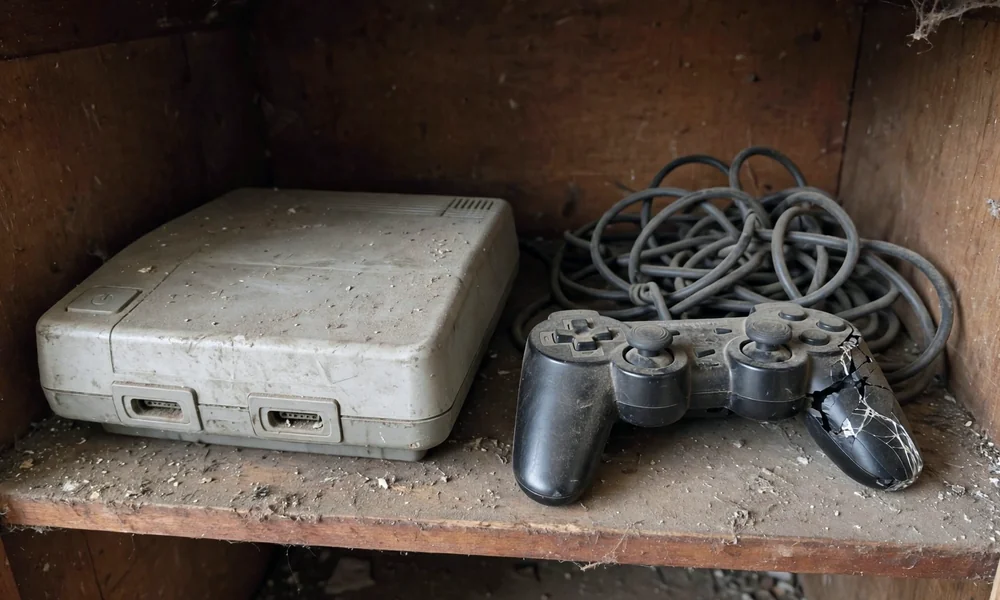
Then there are the consoles that were good once and are now sold on old glories. An ageing machine with a slow hard drive, a noisy fan, and a controller that drifts can still cost real money, and buyers discover the problems only after the return window has closed. The same trap catches consoles with tiny storage: a machine that holds only a few modern games before it is full turns every new purchase into a chore of deleting something you still play. If a console cannot hold your library, it will frustrate you every week.
The most disappointing consoles of all are the ones that fight you in daily use. Their interfaces are slow and cluttered with adverts, their updates take an age and arrive at the worst moments, and their online services drop connections or demand subscriptions for basic features. Some overheat and shut down on warm days. Others chew through controller batteries so fast that a long session needs a cable trailing across the room. A console that wastes your evening will sit unused, and a console that sits unused was a waste of money, whatever it cost. The screen you play on matters just as much, which is why our comparison of the best and worst monitors of 2026 is worth reading if you play at a desk rather than on the sofa.
Home Console, Handheld, or Both
Home consoles have one great advantage: power. Plugged into the wall and connected to a television, they run the biggest games at their best, with sharp pictures and smooth frame rates that a battery-powered device cannot match. They suit the player who has a dedicated spot in the living room and wants the best version of every game. Their controllers are full-sized and comfortable, and local multiplayer on the sofa remains one of the great pleasures of gaming.
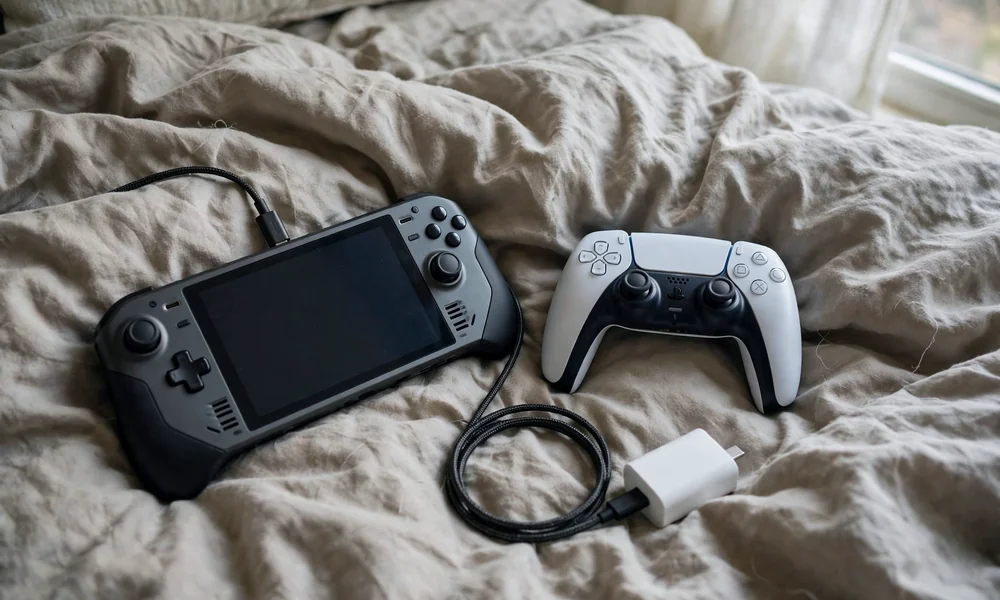
Handheld consoles win on freedom. You can play on the train, in bed, in the garden, or while someone else watches television, and the best handhelds now run surprisingly demanding games. Their batteries last a few hours of real play, their screens are bright and sharp, and docking them to a television turns them into a home console in seconds. For many players, one handheld now does the job of two machines, and that flexibility is hard to give up once you have it.
The honest answer for most households is to choose by where and how you play. If you mostly play on the sofa with friends or family, a home console is the better buy. If you play in stolen moments around the house and out and about, a handheld will get far more use. And if you can only buy one machine, pick the one whose games you want most, because the games, not the hardware, are what you will remember in a year’s time.
Performance, Storage, and the Specifications That Actually Matter
When you compare consoles, a few specifications tell you most of what you need to know, and the rest is noise. Storage speed comes first, because a fast drive means short loading times and quick resumes, while a slow drive means waiting. Next comes the graphics performance, measured in how smoothly games run rather than in numbers on a box: a console that holds a steady sixty frames a second feels better than one that claims more and stutters. The size of the storage matters too, because modern games are large and a small drive fills up fast.
Online services deserve a careful look rather than a quick glance. A good service offers stable multiplayer, cloud saves that actually work, and a library of games worth playing. The controller is another honest test: try it in your hands if you can, because sticks that drift and triggers that feel mushy will annoy you for the entire life of the console.
The specifications you can mostly ignore are the ones printed largest on the box. Maximum resolution figures mean little if games rarely reach them, and teraflops are a poor guide to how a game actually feels. Spend your attention on loading times, steady frame rates, storage size, and the games themselves, and you will choose well. Sound matters too, and our comparison of the best and worst earbuds of 2026 shows how much a good pair of earbuds can add to late-night gaming without waking the house.
How to Buy a Console Without Regret
Start by listing the games you actually want to play. If they are exclusive to one console, your decision is already made. If they are available everywhere, look at where your friends play, because multiplayer is better with people you know, and your existing library, because games you already own should carry over. Write down your five most-played games before you look at a single console, and let that list, not a sale or a launch event, make the decision for you.
Then check the total cost, not just the price on the box. A subscription, extra storage, a second controller, and a handful of games add up quickly, and a cheaper console with expensive extras can end up costing more than the dearer machine. Check the storage size against the games you own, and check whether your old games and controllers still work. A console that respects your existing library is worth more than one that makes you start again.
Finally, buy from a shop with a fair returns policy, keep the receipt, and give yourself a week of real play before you decide. Set the console up properly, download your games, and play the way you normally would. The best console is the one you reach for without thinking, and you will know it within days of using it.
The Verdict
The best consoles of 2026 are genuinely excellent, and the gap between them and the worst has never been wider. A good console loads games in seconds, runs them smoothly, and comes with a library that keeps you playing for years. A bad console wastes your money and your evenings in equal measure. Choose by games, performance, storage, and controller, buy for the way you actually play, and pick the console you will switch on without thinking. Do that, and the console will repay you every time you pick up the controller.


