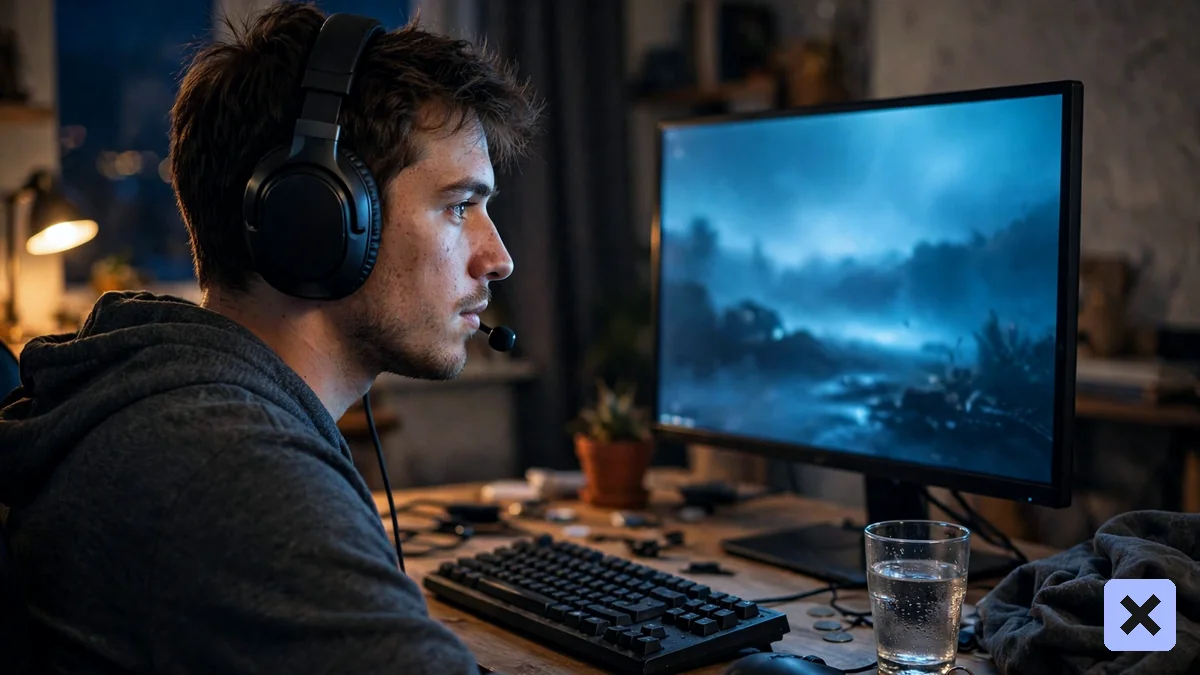
The best gaming headsets of 2026 do far more than make games louder. They place you inside the world, letting you hear an enemy reloading two rooms away and a teammate calling for help over a firefight. A good headset is the difference between reacting and guessing. The worst headsets promise the same thing and deliver the opposite: footsteps disappear under heavy bass, your teammates hear an echo of your own game, and after an hour your ears feel as if they have been pressed in a vice.
This comparison puts the best gaming headsets of 2026 head to head against the worst, judging them the way you would actually play with them: sound and imaging, microphone clarity, comfort over a long session, battery life, and build quality after months of daily use. A good headset makes you play better and enjoy the game more. A bad headset makes you play worse, and the problems only appear after the return window has closed.
Key Takeaways
- Soundstage and imaging matter more than raw bass for competitive gaming, because hearing direction clearly wins fights.
- Comfort is a performance feature, not a luxury: a headset that hurts after an hour costs you matches.
- A clear microphone matters as much as good sound, because your squad cannot act on callouts they cannot understand.
- Ignore headline battery numbers and check real-world life at normal volume, with the microphone on.
- Head shape and glasses change comfort more than any specification.
How Gaming Headsets Actually Work
A gaming headset has two jobs, and most buyers only think about one of them. The speakers have to reproduce the sounds that matter: footsteps, reloads, distant gunfire, and the direction they come from. That depends on tuning and imaging, which is how precisely the headset places sounds in space. A headset with huge bass and poor imaging sounds exciting for ten minutes, then hides the quiet sounds that win matches. The best headsets of 2026 tune for clarity first, with bass that supports explosions without burying footsteps, and a soundstage wide enough to tell whether a sound is in front of you or behind you.
The second job is the microphone, and it is the one that bad headsets fail most often. A good boom microphone sits close to your mouth, picks up your voice clearly, and rejects keyboard clatter. A bad one turns your voice into a distant buzz, picks up every keystroke, or makes your teammates hear their own voices echoing back through your headset. Wireless headsets add a third job: the connection has to be fast enough that sound and picture stay in sync, and the battery has to last a full evening without dying mid-match. If you want a closer look at the strongest models on their own merits, our guide to the best gaming headsets of 2026 compares the leading headsets on sound, comfort, microphone clarity, battery life, and value.
The Best Gaming Headsets of 2026
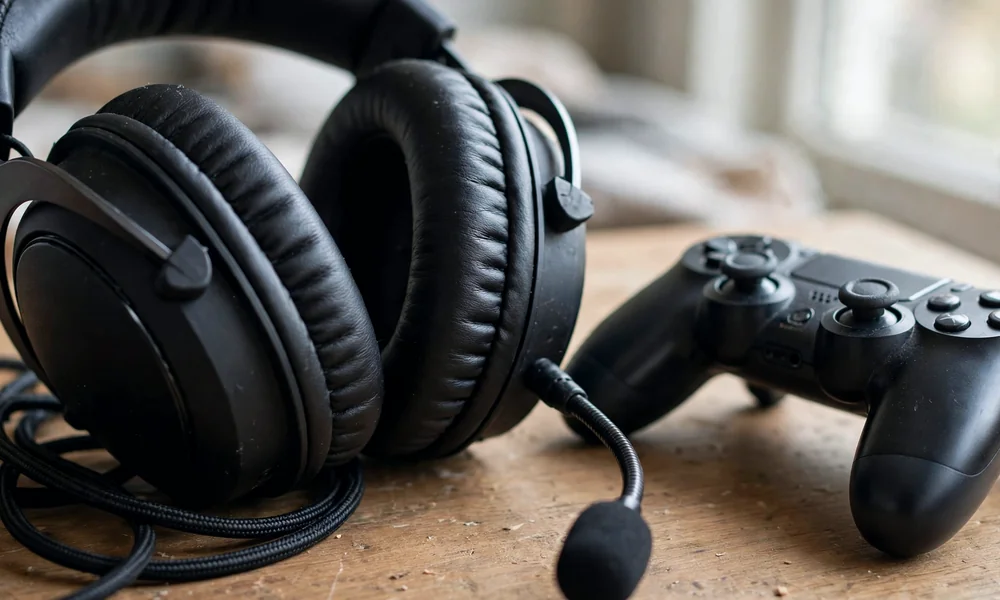
The best gaming headsets of 2026 share three traits. They image precisely, so you hear where sounds come from. They stay comfortable for hours, with light clamping force and breathable ear cups. And their microphones make your voice sound like you. They also last: solid hinges, replaceable ear pads, and batteries that still hold a charge a year later. Here are the three kinds of good headset worth buying this year.
Best for competitive play: a lightweight wired headset with precise imaging
For competitive players, a lightweight wired headset is still the best buy. Wired means zero wireless delay and zero battery anxiety, and the best competitive headsets are tuned for footsteps and voice cues rather than for booming explosions. They are usually lighter than wireless flagships, which matters in a three-hour session, and their ear cups are designed to stay cool rather than to look dramatic. The cable is the only real annoyance, and a small price for sound that never lags or dies. These headsets also cost less than wireless models of similar quality, because you are not paying for a battery and a charging dock. If your main game is a competitive shooter, this is the category to shop in: the difference is something you feel within a single match.
Best for everyday gaming: a wireless headset with long real battery life
Most players are better served by a good wireless headset. The best wireless models of 2026 last for days on a single charge at normal volume, connect over a low-latency wireless dongle rather than Bluetooth alone, and keep working while charging. They also switch between console and PC without a fuss, and the best ones remember your equaliser settings. What separates the good from the mediocre here is honesty about battery life: a maker that quotes eighty hours at low volume with the microphone off is telling you less than one that quotes forty hours at normal volume with everything running. Comfort matters even more here, because wireless headsets carry a battery, so a good one balances that weight and never presses hard on the top of your head.
Best on a budget: a simple wired headset that gets the basics right
You do not have to spend a fortune to get a good headset. The best budget headsets of 2026 are simple wired models that get the basics right: clear sound, a microphone your teammates can actually understand, ear cups that do not hurt after an hour, and a cable that does not tangle into knots. They skip the flashing lights and surround-sound marketing, and put the money into drivers and comfort instead. What matters at this price is the maker: a brand with a track record of honouring warranties and selling replacement ear pads, because pads wear out long before drivers do. Avoid unknown brands with no support history: a headset with a broken hinge and no spare parts is money thrown away. A good budget headset is boring in the best way: you put it on, you play, and you forget it is there.
The Worst Gaming Headsets of 2026
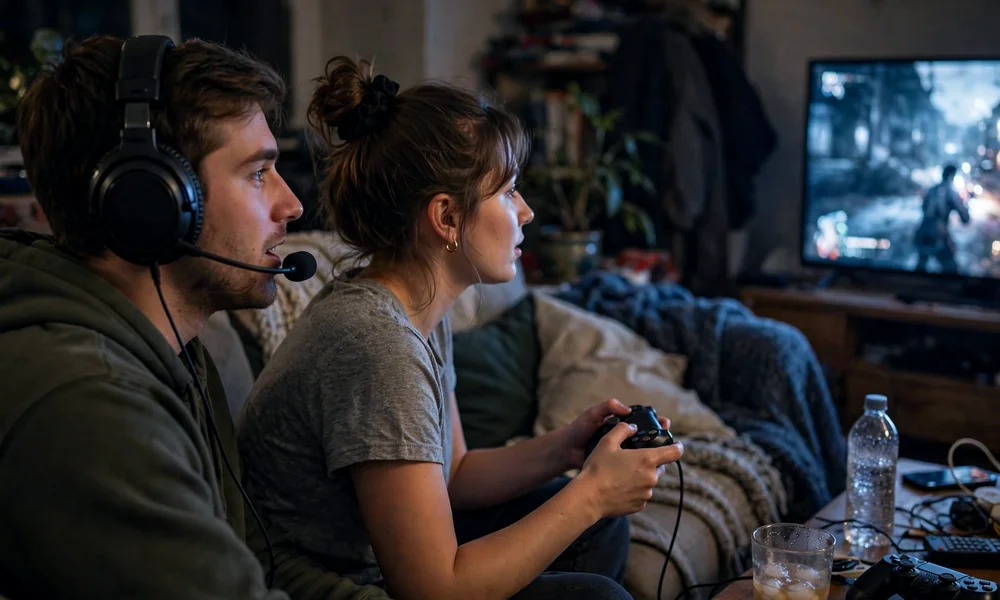
The worst gaming headsets of 2026 are not hard to find. They sit at the top of sponsored listings, promise professional sound for little money, and look convincing in a product photo. Then you put them on, load into a match, and the problems start. The patterns repeat every year, and once you know them, you can recognise a poor headset in a listing before it costs you a match.
Worst for sound: bass-heavy headsets that hide footsteps
The most common failure in cheap gaming headsets is tuning that drowns the game in bass. Explosions sound enormous, which is impressive in a shop demonstration, but footsteps, reloads, and distant movement vanish underneath the boom. In a competitive match, that is the difference between hearing an enemy approach and being surprised by them. These headsets often advertise huge driver sizes as if bigger always meant better, when what matters is how the drivers are tuned and how precisely they place sounds in space. A headset that makes everything loud is not the same as a headset that makes the right things clear. If a listing talks about earth-shaking bass but never mentions imaging, soundstage, or competitive tuning, that silence is your warning. Our guide to the worst gaming headsets of 2026 names the full list of patterns to avoid, from muddy sound to microphones that turn your voice into a buzz, and explains what to check instead before you spend anything.
Worst for comfort: heavy headsets with a vice-like clamp
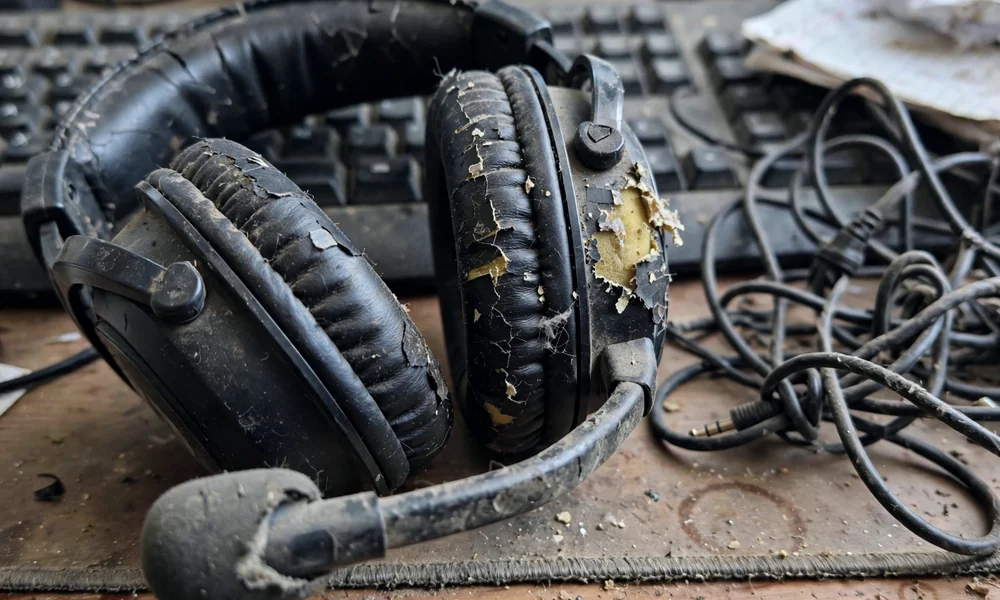
A headset that hurts is a headset you will stop wearing, however good it sounds. The worst offenders are heavy models with stiff headbands and small, shallow ear cups that press on your ears instead of around them, with pleather pads that trap heat and start peeling within months. After an hour, your ears ache; after two, you have a headache; after three, you take the headset off and play with television speakers instead, which defeats the entire purchase. Glasses wearers suffer most, as a strong clamp presses the arms of the glasses into the head. Weight and clamp force are rarely quoted honestly, so try a headset on if you can, or read reviews from people who wore it for long sessions. Comfort is not a luxury in a gaming headset. It is a performance feature, and the worst headsets fail it first.
Worst for reliability: headsets that fall apart and die mid-match
Some headsets fail in the most literal way: they break. Hinges crack, headbands snap, ear pads peel, and cables fray where they meet the ear cup, often within weeks of daily use. Wireless models add their own failures, with batteries that die halfway through an evening despite a headline figure measured at whisper volume. The worst of these headsets come from makers with no spare parts and no real warranty, so a broken hinge means buying a whole new headset. Before buying any headset, check whether ear pads and cables are replaceable, how long the warranty actually lasts, and what real users say about battery life after six months rather than on day one. A headset is something you wear for hundreds of hours a year, and build quality is what decides whether it survives the year.
Best vs Worst Head to Head
Put the two sides next to each other and the gap is not subtle. The best headsets let you hear footsteps clearly, keep your voice crisp for your squad, and stay comfortable until you choose to stop playing. The worst headsets hide the sounds that matter, make your teammates ask you to repeat yourself, and hurt after an hour. The best last for years, with replaceable pads and honest battery life; the worst fall apart in months and die mid-match. The best headsets are tuned for the game you actually play; the worst are tuned for the shop demonstration.
The most important difference is imaging. A headset that places sounds precisely in space is what separates a competitive tool from a pair of loud headphones with a microphone attached. The second difference is honesty: good makers quote battery life at normal volume, while bad ones quote laboratory numbers no player will ever see. If you are building a wider gaming setup, remember that the headset is only one part of it, and our guide to the best gifts for gamers of 2026 covers the rest of the desk, from keyboards to consoles, with the same honest approach.
The Verdict
The verdict is clear: buy a lightweight wired headset if you play competitively, a good wireless headset with honest battery life if you play every day, and a simple wired headset that gets the basics right if your budget is tight. Do not buy a headset for its bass, its lights, or its sponsored ranking. Buy it for imaging, comfort, microphone clarity, and build quality, because those are the things you live with for hundreds of hours. The best headsets of 2026 are better and cheaper than ever, and the gap between the best and the worst has never been wider.
Who Each Is For
The best gaming headsets are for anyone who plays for more than an hour at a time and cares about winning: competitive players who need to hear footsteps, friends who play together and need to hear each other clearly, and single players who want to be pulled into the world of the game. They are also for people who would rather buy once and wear a headset for years. The worst headsets, if they suit anyone at all, suit only someone who plays rarely, briefly, and casually, and even then a good budget headset costs little more and sounds far better. For everyone else, the choice is simple: buy the headset that fits your head, your game, and your sessions, and enjoy the difference every time you put it on.


