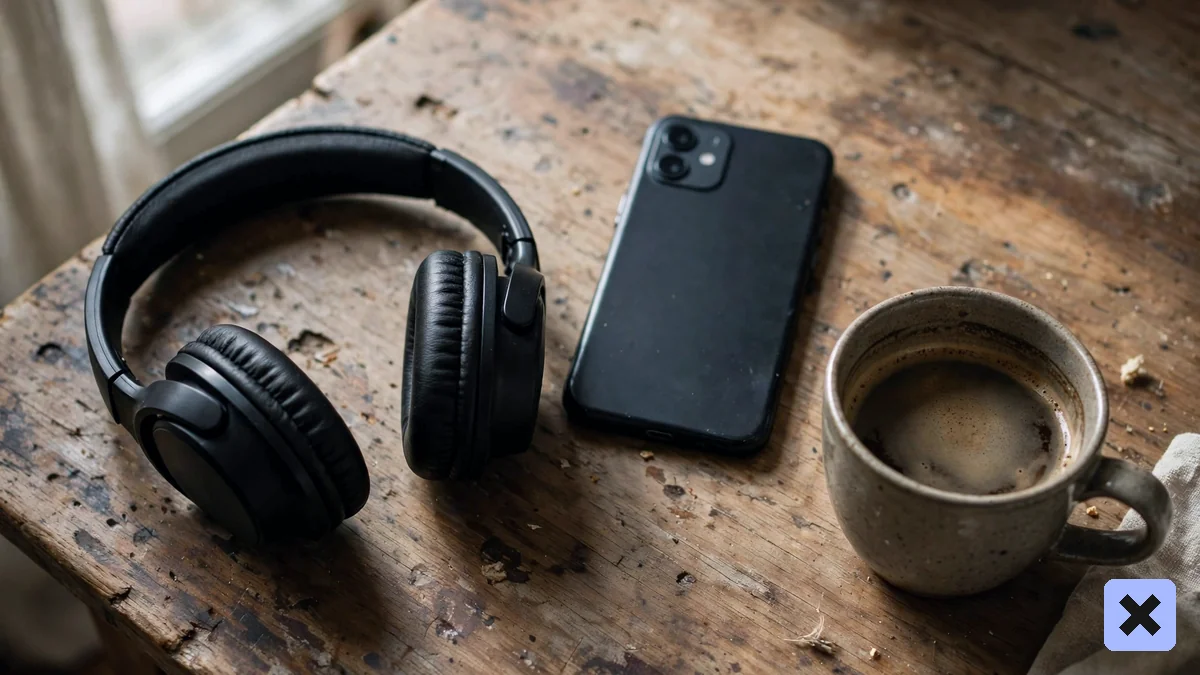
Headphones are the most personal piece of technology you own. They sit against your ears for hours at a time, they decide how your music sounds, how your calls come across, and whether the noise of the world gets in or stays out. Yet most people buy them the way they buy socks, grabbing whatever is on offer and hoping for the best, and then wonder why their favourite songs sound thin, why their ears ache after an hour, or why the headphones they loved in the shop are the ones they never reach for at home. The difference between the best and the worst is not the logo on the ear cup. It is whether the headphones were designed for listening or designed for selling.
This comparison puts the best headphones of 2026 head to head against the worst, judging them the way you will actually use them: how they sound on a quiet evening and on a crowded train, how they feel after three hours, how well they silence the world, and whether they still work properly after a year of daily use. If you want the same treatment for the smaller things that go in your ears, our guide to the best and worst earbuds of 2026 covers the pocket-sized alternative, and the verdict below is the short version of what to buy and what to walk past.
Key Takeaways
- Sound is about balance, not bass: the best headphones let you hear the bass, the voice and the detail all at once, while the worst drown everything in booming low end.
- Comfort decides whether you keep them: headphones that hurt after an hour will sit in a drawer no matter how good they sound, so fit matters as much as audio.
- Noise cancelling is either real or a sticker: true noise cancelling makes a train carriage go quiet, while fake noise cancelling just turns the volume up against the noise.
- Battery life is a promise, not a number: the best headphones last a working week of commuting on one charge, while the worst quote big figures and die by Wednesday.
- Build quality shows in the second year: cheap plastic cracks and ear pads peel, while good headphones are still comfortable and solid after hundreds of hours.
How Headphones Actually Work
A headphone is a small loudspeaker held close to your ear, and everything about it is a compromise between size, weight and sound. Inside each ear cup is a driver, a tiny disc that moves back and forth to push air and make sound, and the size and quality of that driver decides how much detail and bass you can hear.
The seal around your ear matters as much as the driver inside it. Over-ear headphones wrap the whole ear in a cushion, which blocks outside noise passively and lets the bass build up properly, while on-ear headphones press against the ear and leak sound in both directions. A good seal is why a well-fitting pair sounds full and warm, and why the same pair sounds thin and tinny when the cushions are worn or the fit is wrong.
Noise cancelling is the cleverest trick in modern headphones, and the easiest to fake. True active noise cancelling uses microphones on the outside of the ear cup to listen to the world, then plays the exact opposite sound wave to cancel it out, which is why it works best on steady sounds like engines and air conditioning. The worst do little more than muffle the world slightly, or worse, add a faint hiss of their own, and call it noise cancelling on the box.
The Best Headphones of 2026
The best headphones of 2026 are the ones you forget you are wearing. You put them on in the morning, and hours later you realise they have been sitting comfortably on your head the whole time, the music has sounded rich and clear, and the world has stayed politely outside. They are not the headphones with the longest list of features on the box. They are the ones where everything ordinary works well, every time, without fuss or fiddling.

The flagship headphones that earn their price do so with the whole package rather than one headline feature. Their sound is balanced and detailed, with bass that is deep without drowning the voice, and treble that is clear without turning harsh. Their noise cancelling genuinely silences engines and crowds, their battery lasts for days of use, and their ear cushions are soft, deep and replaceable.
The best mid-range headphones of 2026 are the smartest buys of all, because they take most of what makes a flagship good and leave out the parts nobody misses. A good mid-range pair has warm, balanced sound, noise cancelling that genuinely works on a train or a plane, a battery that lasts a working week, and ear cushions that stay comfortable for hours. The sound may be a touch less detailed and the materials a little more plastic, but in daily use the difference is small, and the price difference is not. For most people, this is where the best value in headphones lives.
Comfort is where the best headphones quietly win. A good pair spreads its weight evenly across the top of your head, with a padded band and ear cushions that seal without squeezing, so you can wear them for a whole working day without thinking about them. The best designs let you adjust the fit easily, fold flat for travel, and keep the ear cups cool enough that your ears do not sweat.
The Worst Headphones of 2026
The worst headphones of 2026 are the ones that look impressive in the shop and fall apart in daily use. They have glossy ear cups, flashing lights and a long list of features, and then the bass drowns every song, the headband digs into your skull after twenty minutes, and the battery dies halfway through a flight. The worst headphones are built to be sold, not to be listened to, and the difference shows up within the first week.
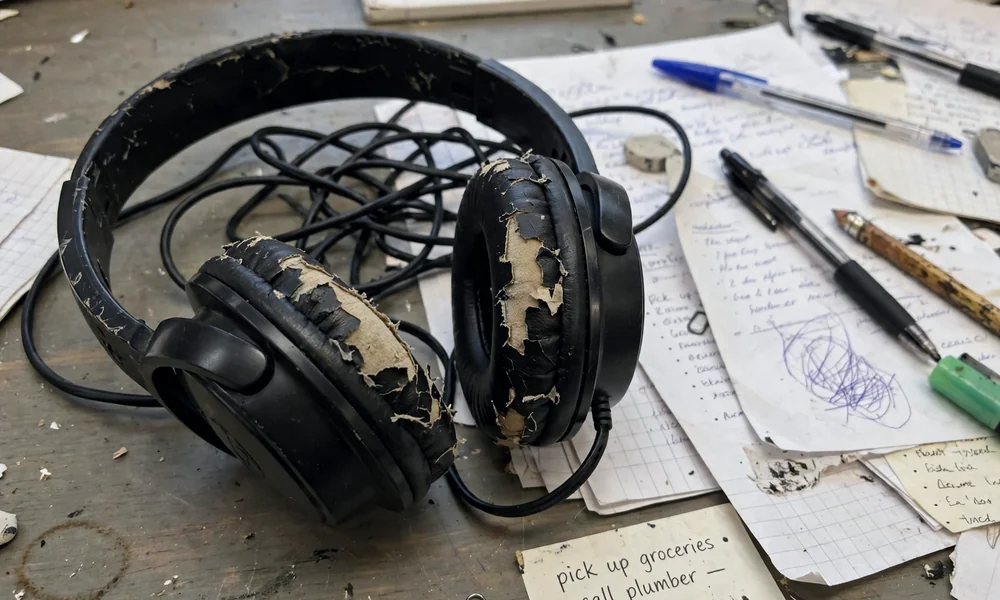
The cheapest headphones are the worst value of all, because they are cheap in the parts you cannot see. Their drivers are small and harsh, so music sounds thin and tinny, with bass that booms and voices that vanish. Their ear cushions are thin foam that flattens within weeks, their headbands are stiff plastic that pinches, and their hinges crack at the first drop. Their batteries, if they have one at all, last a few hours and then fade, and their Bluetooth drops out whenever you put your phone in your pocket.
Boomy bass is the other great failure of 2026. Some headphones are tuned to impress in a thirty-second shop demo, with bass turned up so high that everything sounds exciting for a moment, and then exhausting for an hour. The bass swallows the voice, smears the detail, and turns every song into the same dull thump. Real bass should be felt as well as heard, but it should never hide the music, and headphones that cannot play a quiet acoustic song properly cannot play anything properly. If the demo sounds impressive and the album sounds tiring, the headphones are the problem.
The worst noise cancelling is easy to spot once you know what to look for. It is the pair that claims to cancel noise and then does almost nothing on a train, or adds a faint high-pitched hiss that is worse than the noise it was meant to remove. Some pairs cancel the low rumble of an engine but let every voice through, and some simply turn the volume up and hope you do not notice. True noise cancelling makes the world go quiet. Fake noise cancelling makes you turn the music up louder, which is bad for your hearing and bad for the music.

Fragility is the quiet cost of the worst headphones. A pair with thin plastic hinges, non-replaceable ear cushions and a cable that frays where it meets the ear cup is a pair living on borrowed time. One tug, one drop into a bag, and the sound cuts out in one ear, or the headband snaps, and the repair costs almost as much as the headphones did. The best headphones are built with the expectation that they will be folded, packed and dropped, and the worst are built as though they will live on a shelf. Real life is not a shelf, and headphones that cannot survive it are a bad buy at any price.
Best vs Worst Head to Head
Put the two side by side and the differences are plain in the first hour. The best headphones feel light and soft, the music sounds full and balanced, and the world goes quiet when you switch the noise cancelling on. The worst feel tight and heavy, the music sounds boomy and harsh, and the noise cancelling does almost nothing. The best pair lasts a week on one charge and still feels comfortable at the end of the day. The worst needs charging by Wednesday and hurts after an hour. These are not small differences, and they are the differences you will notice every single day.
The price gap is smaller than the experience gap. A good mid-range pair costs little more than a bad budget pair, and it gives you balanced sound, real noise cancelling, a battery that lasts the week and cushions that stay comfortable for hours. The worst headphones look cheap and turn out expensive, because they need replacing sooner, cost more in frustration, and waste your time every day with discomfort and poor sound. What you are paying for in good headphones is not the logo, it is the engineering that you never have to think about. If you want the same best-versus-worst treatment for the sound that fills a room, the best and worst speakers of 2026 sorts the ones worth listening to from the ones worth leaving in the shop, and our guide to the best and worst smartphones of 2026 covers the device your headphones spend most of their life connected to.
The Verdict
The verdict is clear: buy the best mid-range over-ear headphones you can afford from a maker with a long record of good sound, or a flagship pair if you travel often and want the best noise cancelling. Look for balanced sound, a comfortable fit you can wear for hours, noise cancelling that genuinely silences a train, and a battery that lasts a working week. Do not buy headphones on bass alone, and do not buy the cheapest pair on the shelf, because its low price is paid for in the parts you cannot see. Good headphones disappear onto your head, and that is exactly what you want them to do.
Who Each Is For
The best headphones are for anyone who listens for hours and wants it to feel effortless: the commuter who wants the train to go quiet, the worker who needs clear calls all day, and the music lover who wants to hear the album the way it was recorded. The worst headphones, if they suit anyone at all, suit only someone who listens for a few minutes at a time and wants the cheapest possible way to hear a podcast, and even then a good mid-range pair costs little more and gives a great deal more. Buy for the hundredth hour, not the first minute, and enjoy headphones you never have to think about.


