
The best screen protectors 2026 do one simple job brilliantly: they take the scratch, the drop and the daily scrape so your phone screen does not have to. A good protector is almost invisible once it is on, it keeps touch feeling natural, and it costs a tiny fraction of a screen repair. The bad ones are easy to spot too. They bubble, they peel at the corners, they dull the display, and they make unlocking your phone a small daily annoyance.
That gap between the best and the worst is wider than most people expect. Two protectors can look identical in the packet and behave completely differently on the glass. One lines up perfectly, sticks cleanly and survives months of pockets, keys and car mounts. The other lifts at the edge within a week, traps dust under the middle and turns a bright screen slightly grey. The difference usually comes down to the material, the fit for your exact phone model and the way it was fitted, not the price on the box.
This guide keeps things practical. It compares tempered glass, plastic film, privacy and matte protectors, explains what the hardness and thickness numbers actually mean, and walks through fitting one without bubbles. It also covers tablets and watches, the mistakes that ruin an otherwise good protector, and a short checklist you can use before you buy. By the end you should be able to pick the best screen protector for the way you actually use your phone, not just the one with the loudest claims on the packaging.
Key Takeaways
- Tempered glass is the best all-round choice for most people: it feels like the original screen, resists scratches well and absorbs impact better than thin film.
- Buy a protector made for your exact phone model, not a generic size, because a millimetre of misfit is what causes lifting edges and dust traps.
- Privacy protectors trade brightness and viewing angle for privacy, so they suit public transport and open offices but not everyone.
- Matte protectors cut glare and fingerprints, yet they can soften the display slightly, which matters if you watch a lot of video.
- A careful, dust-free fitting matters as much as the protector itself, and a cheap protector fitted well often beats an expensive one fitted badly.
What a Screen Protector Actually Does
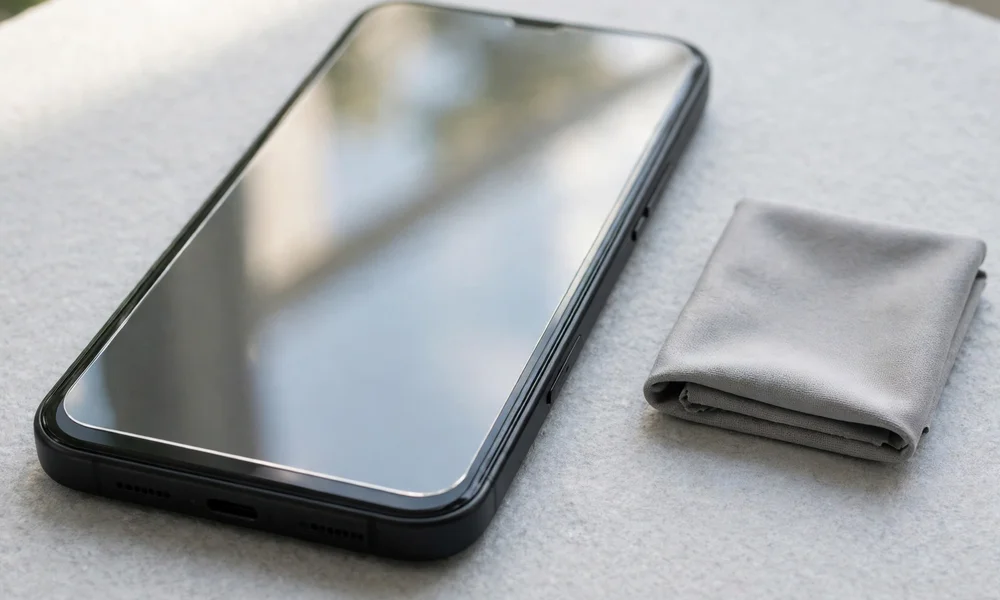
A screen protector is a thin sacrificial layer. It sits on top of your display and takes the damage first. Keys, coins, sand in a pocket and a slide across a table all meet the protector before they meet the glass underneath. Modern phone screens are already tough, but they still pick up fine scratches over months of normal use, and those scratches catch the light every time you look at the phone. A protector keeps the original glass looking new, which also helps if you ever sell or trade the phone in.
The Main Types Compared
Most protectors fall into four groups, and each one suits a different kind of user. Tempered glass is the thickest and most glass-like. Plastic film, usually PET or TPU, is thinner and more flexible. Privacy protectors narrow the viewing angle so people beside you cannot read your screen. Matte protectors use a frosted surface to cut reflections and fingerprints. Knowing which group you are buying matters more than comparing brand names inside one group.
| Type | Best For | Feel | Scratch Resistance | Downside |
|---|---|---|---|---|
| Tempered glass | Most phones, everyday use | Like real glass | Excellent | Can crack in a hard drop |
| Plastic film (PET or TPU) | Curved screens, light protection | Slightly soft | Good | Scratches more easily |
| Privacy | Commuters, open offices | Like glass, darker | Excellent | Dims the screen |
| Matte or anti-glare | Outdoor use, gaming | Smooth, slightly frosted | Good | Softens the picture slightly |
Tempered Glass
Tempered glass is the default recommendation for a reason. It is a thin sheet of strengthened glass, usually between 0.25 and 0.4 millimetres thick, with a coating that resists fingerprints. It feels almost exactly like the bare screen under your finger, it slides smoothly, and it works well with most fingerprint sensors when it is fitted properly. The best versions have a strong adhesive layer that covers the whole surface, not just the edges, because edge-only glue is what causes the halo effect and the hollow tapping sound that gives cheap glass away.
Plastic Film
Plastic film protectors are thinner, lighter and more flexible than glass. PET film is the simplest kind: a clear sheet that guards against scratches but adds almost no impact protection. TPU film is a step up. It is a flexible plastic that can bend around curved screens, and some versions can even smooth out tiny surface marks over time, a feature often called self-healing. Film is a good choice for phones with heavily curved displays where a flat sheet of glass cannot sit flush, and for people who want protection that adds almost no thickness.
Privacy Protectors
Privacy protectors use a special layer that narrows the angle from which the screen can be read. Looked at straight on, the display looks normal, perhaps a little darker. Looked at from the side, it goes dark. That is genuinely useful on a train, a plane or in an open-plan office where the person next to you can otherwise read your messages without trying. The effect is strongest with tempered glass privacy protectors, which keep the glass feel while adding the privacy layer.
Matte and Anti-Glare Protectors
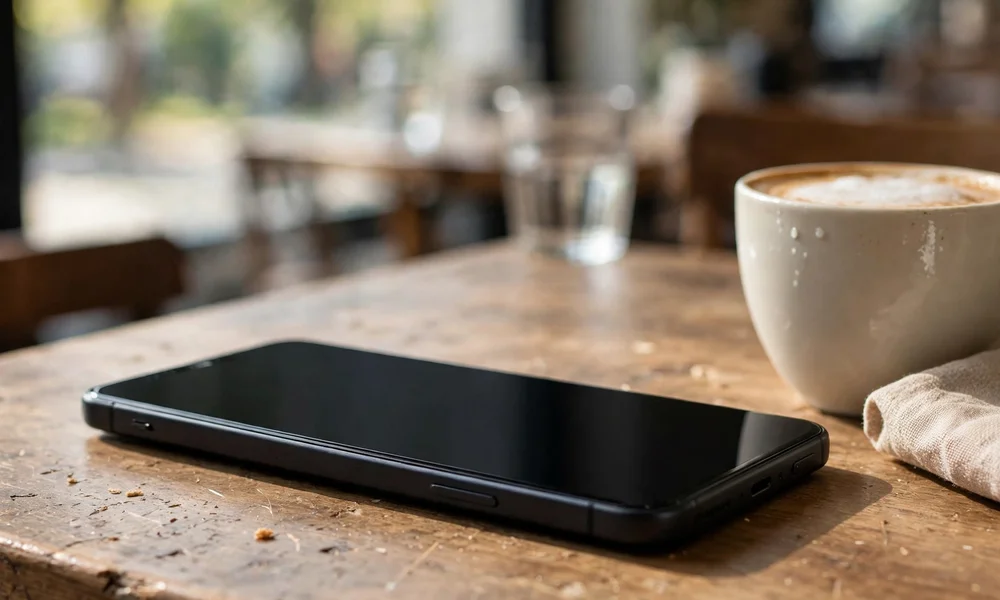
Matte protectors have a lightly frosted surface that scatters reflections instead of mirroring them. Outdoors, that makes a real difference: the screen stays readable in bright sunlight instead of turning into a mirror of the sky. They also resist fingerprints far better than glossy glass, and many gamers prefer the smoother, drier glide they give a fingertip. For a phone that lives outdoors, on a bike mount or in a bright workshop, matte is a strong choice.
How to Pick the Best Screen Protector for Your Phone
Start with the exact model, not the brand family. A protector made for last year’s phone will not fit this year’s phone properly, even if the two look similar, because camera cutouts, speaker slots and screen curves move by millimetres. Check the model name in your phone’s settings before you order, and check the listing matches it exactly. A protector that is a fraction too wide will lift at the edges; one that is a fraction too narrow will leave an unprotected strip that catches dust.
Touch, Fingerprint and Face Unlock
Touch sensitivity can also change slightly with a thick protector. Most phones have a touch sensitivity setting you can turn up, and it is worth switching on after fitting glass. The best smartphones 2026 all have large, bright displays that are expensive to replace, which is exactly why a protector that keeps touch feeling fast and accurate matters more than saving a small amount on a thinner sheet.
Screen Protectors for Tablets and Watches
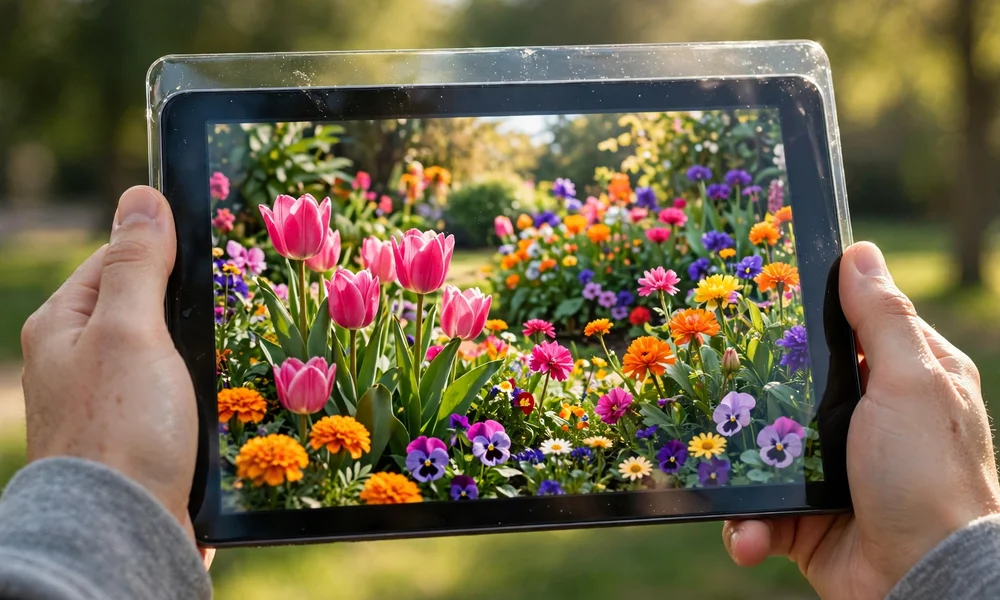
Reading on a tablet is a good test of whether a protector suits you. If the screen looks hazy after fitting, the protector is either low quality or the wrong type for reading. A good clear protector should be invisible during a chapter, not something you notice every time the light changes. If you read a lot on a tablet, our comparison of tablet vs e-reader for travel reading is a useful companion, because it covers the bigger question of which device suits long reading sessions in the first place.
Smartwatches are a different case again. The screen is small and curved, and it takes knocks from door frames, gym equipment and everyday bumps that a phone never meets. A watch protector is usually a thin film or a small curved glass piece, and the best ones are made for the exact watch model and case size. They are cheap, they are easy to replace, and they save a screen that is often expensive to repair relative to the cost of the watch. If you train outdoors or work with your hands, a watch protector is one of the easiest wins in tech accessories, and it pairs naturally with the best smartwatches for fitness 2026 if you are choosing a watch that will take a beating.
Before You Buy Checklist
- Confirm the exact phone, tablet or watch model, including the year and size, before ordering.
- Choose tempered glass for everyday use, privacy for public work, or matte for bright outdoor use.
- Check the protector is case friendly if you use a case with a raised lip.
- Check fingerprint sensor compatibility if your phone unlocks with an under-screen sensor.
- Make sure the kit includes an alcohol wipe, a microfibre cloth and a dust removal sticker.
- Buy a pack of two or three so a failed fitting does not leave you unprotected.
Frequently Asked Questions
Do screen protectors really protect the screen?
Yes, within sensible limits. A good protector takes scratches and light impacts that would otherwise mark the display, and a tempered glass protector can crack in a fall while the screen underneath survives. It will not make a phone indestructible, and a hard drop onto a sharp corner can still damage the screen, but the odds are clearly better with a protector than without one.
Is tempered glass better than plastic film?
For most people, yes. Tempered glass feels like the original screen, resists scratches better and absorbs impact better than film. Plastic film is thinner, cheaper and better for heavily curved screens, and some TPU films can smooth out tiny marks. If your screen is flat or only slightly curved, glass is the better choice. If it is deeply curved, film may fit better.
Will a screen protector affect my fingerprint sensor?
It can, especially with ultrasonic sensors hidden under the display. Choose a protector rated for your sensor type, fit it carefully without air gaps, and re-register your fingerprints after fitting so the phone learns the new reading. Optical sensors are usually less fussy. If problems persist, a thinner protector or a film protector may work better with your phone.
How long does a screen protector last?
A good tempered glass protector usually lasts six months to two years, depending on how rough your daily use is. Replace it when the edges start lifting, the coating wears off and fingerprints stop wiping away easily, or the glass cracks. A cracked protector has done its job and should be replaced promptly, because it no longer protects evenly.
Can I remove a screen protector without damaging my phone?
Yes. Lift one corner gently with a fingernail or a plastic card and peel it back slowly. Do not use a metal tool, and do not force a corner that will not lift. Warm the protector slightly with your hands first if the adhesive feels stubborn. Any sticky residue can be wiped away with a microfibre cloth and a little screen cleaner, and the display underneath should be untouched.
Do I still need a screen protector if my phone already has tough glass?
Modern phone glass is much tougher than it used to be, but it still scratches. Sand, grit and everyday contact leave fine marks over time, and a cracked screen remains one of the most expensive common repairs. A protector is cheap insurance that also keeps the phone looking new for resale. If you keep a phone for two or three years, the protector usually pays for itself many times over.
The Bottom Line
The best screen protectors 2026 are the ones you forget about: tempered glass for most phones, fitted cleanly, matched to your exact model and your case, with privacy or matte only when your daily routine actually needs them. Spend a little more on a reputable maker, fit it in a still, dust-free room, and replace it when it cracks or lifts. Your screen will stay clearer, your phone will hold its value better, and you will stop thinking about protection altogether, which is exactly the point.


