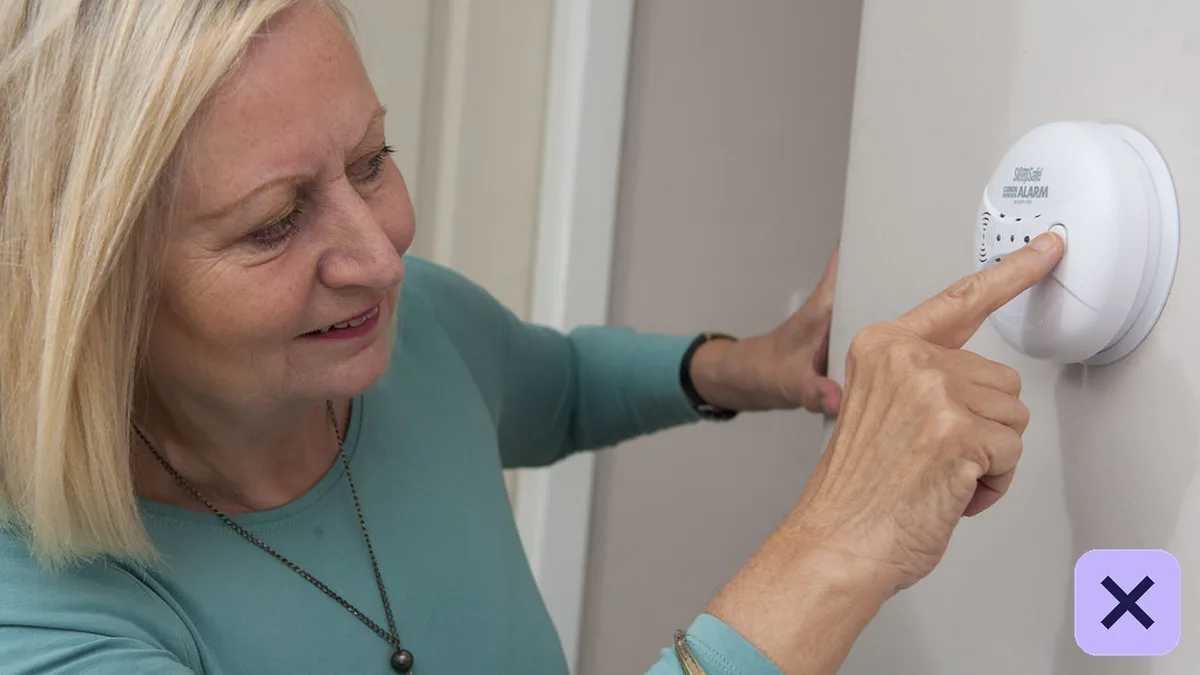
A smoke detector is the cheapest life-saving device in your home, and it is the one most people think about least. It sits on the ceiling, out of sight, doing nothing for years, and then one night it has about three minutes to wake your whole household and get everyone outside. The best smoke detectors in 2026 do more than beep at the ceiling. They talk to each other from room to room and send an alert to your phone when nobody is home.
Key Takeaways
- Put a smoke detector inside every bedroom, outside every sleeping area, and on every level of your home, including the basement.
- Interconnected alarms matter more than any single feature, because when one alarm sounds, every alarm in the house sounds with it.
- Photoelectric sensors are better at catching slow, smouldering fires, while ionisation sensors react faster to fast, flaming fires, so many homes need both.
- A sealed ten-year battery removes the dead-battery problem entirely, which is the most common reason detectors fail when they are needed.
- Test every alarm once a month, change replaceable batteries once a year, and replace the whole detector after ten years.
Why a Few Minutes Decide Everything
A house fire does not grow slowly. In the first minute, a fire in a modern living room can double in size, and within three to five minutes a room can become impossible to escape through. The furniture, the carpets, and the electronics in a modern home burn hotter and faster than the natural materials of fifty years ago, and the smoke they produce is thick, dark, and poisonous. Most people who die in house fires do not die from flames. They die from smoke, often while they are asleep, because smoke dulls the senses and stops people waking up.

How Smoke Detectors Actually Work
Photoelectric sensors
A photoelectric detector shines a small beam of light inside a chamber and watches for it to scatter. When smoke drifts into the chamber, the light bounces off the smoke particles and hits a sensor, which triggers the alarm. This type is best at catching slow, smouldering fires, the kind that start in an armchair cushion, a mattress, or a pile of laundry and smoulder for a long time before bursting into flame. Those fires produce large smoke particles that scatter light well, and they are the most common kind of deadly house fire because they can burn quietly for an hour before anyone notices.
Ionisation sensors
An ionisation detector uses a tiny amount of radioactive material to ionise the air inside a chamber, creating a small electric current. When smoke enters, it disrupts that current and the alarm sounds. This type reacts fastest to fast, flaming fires with small smoke particles, such as a kitchen fire or a fire that starts in paper or curtains. Its weakness is that it is also the type most likely to go off when you burn toast or take a steamy shower, which is why so many people take the batteries out of ionisation alarms in frustration.
Dual-sensor and combination alarms
Dual-sensor alarms contain both sensor types, so they catch smouldering fires and flaming fires. They cost more, but they remove the guesswork, and they are the safest single choice if you only want to buy one type for the whole house. Combination alarms go further and add a carbon monoxide sensor in the same unit, which matters because carbon monoxide is colourless, odourless, and deadly, and it comes from the same faulty boilers and blocked chimneys that cause fires. If your home has a gas boiler or a fireplace, a combination alarm in the hallway near the bedrooms is one of the best purchases you can make.
Where to Put Them: The Room-by-Room Plan
Bedrooms and hallways
Put a smoke detector inside every bedroom and in the hallway outside the sleeping areas. People are at their most vulnerable when asleep, and a detector in the bedroom is the one that wakes you. If your bedrooms are on a different floor from the living areas, that hallway detector is the bridge: it hears the fire downstairs and sounds before the smoke reaches the bedrooms.
Kitchens, living rooms, and basements
Put a detector in the living room and in the basement, and put a heat alarm rather than a smoke alarm in the kitchen. Kitchens produce smoke and steam every day, so a smoke detector there will false-alarm constantly and end up with its battery removed. A heat alarm triggers on a rapid rise in temperature instead, so it stays quiet during cooking and sounds when something is genuinely burning. Keep a smoke detector at least three metres from the cooker, and never put one in a bathroom, where steam will set it off, or in a garage, where exhaust fumes will do the same.
Interconnected Alarms: The Feature That Matters Most
If your budget only stretches to one feature, make it interconnection. In a traditional home, each detector works alone: the one in the kitchen sounds, and the one in the bedroom stays silent until the smoke reaches it. In an interconnected system, every alarm talks to the others, by wire or by wireless radio, so when one detects smoke, all of them sound at once. The alarm in the bedroom wakes you the moment the alarm in the kitchen triggers, and that can be the difference between walking out calmly and crawling through smoke.
Smart Detectors and Phone Alerts
The newest detectors connect to your home Wi-Fi and send an alert to your phone when they trigger, which solves the oldest problem in fire safety: the fire that starts when nobody is home. A standard alarm can scream for hours to an empty house while the fire spreads to the neighbours. A smart alarm tells you within seconds, so you can call the fire service from wherever you are. It also tells you which room triggered, so you know whether the problem is the kitchen or the basement before you arrive.
Smart detectors also warn you in the app when a battery is low, test themselves every month, and let you silence a false alarm from your phone. The trade-off is cost: they run two to three times the price of basic alarms, and they need Wi-Fi. If you travel often or live alone, that trade is worth it. A connected home works best when the rest of it is connected too, which is why many people pair their alarms with smart home hubs that keep every device talking to each other.
Comparison: The Main Types Side by Side
| Type | Best at | False alarms | Typical cost | Best for |
|---|---|---|---|---|
| Photoelectric | Slow, smouldering fires | Low | Low | Bedrooms and living rooms |
| Ionisation | Fast, flaming fires | Higher | Lowest | Hallways away from kitchens |
| Dual-sensor | Both fire types | Medium | Medium | Whole-house coverage |
| Smart / Wi-Fi | Both, plus phone alerts | Low | High | Homes left empty, flats, rentals |
| Combination smoke + CO | Fire and carbon monoxide | Low | Medium to high | Hallways near bedrooms |
| Heat alarm | Temperature rise | Very low | Low | Kitchens and garages |
Batteries: The Part People Get Wrong
Most smoke detectors fail for a boring reason: the battery died and nobody noticed. Surveys of house fires keep finding the same pattern, with a dead or missing battery in a large share of the alarms that did not sound. The fix is to remove the decision entirely. A sealed ten-year lithium battery is built into the alarm, lasts the life of the device, and cannot be removed or stolen for the television remote. When the ten years are up, you replace the whole alarm, which is exactly what the manufacturers recommend anyway, because the sensor itself degrades over time.

The Mistakes That Leave Homes Unprotected
The most common mistake is having too few alarms, usually one on the landing and nothing anywhere else. The second is putting the alarm in the wrong place, such as right next to the bathroom door, where steam sets it off every morning until someone takes it down. The third is painting over the alarm during decorating, which clogs the sensor vents and stops smoke getting in. The fourth is the dead battery, covered above. The fifth is buying the cheapest alarm and never testing it, which is a false economy: a detector that has never been tested is a decoration, not a safety device.
Smoke Detectors and the Rest of Your Home
A smoke detector does not work in isolation. Dust and cooking grease build up inside the sensor over the years and dull its response, so vacuum gently around each alarm once or twice a year. If you are improving the air in the house anyway, look at air purifiers for the home alongside your alarms. Fire safety extends outside too: if you enjoy an open flame in the garden, read up on fire pits and the safe distances and supervision they need.
Checklist: Before You Buy
- Count your bedrooms, levels, and hallways, and buy one alarm per bedroom plus one per level as a minimum.
- Choose photoelectric or dual-sensor alarms for bedrooms and living rooms, and a heat alarm for the kitchen.
- Make sure the alarms interconnect, wirelessly or by wire, so every alarm sounds when one triggers.
- Pick sealed ten-year batteries unless you are certain you will change replaceable batteries every year.
- Check the manufacturing date on the box and the alarm itself, and replace any alarm older than ten years.
- Test the alarms on the day you install them, and put a monthly test on your calendar before you forget.
Frequently Asked Questions
How many smoke detectors do I need in my home?
At minimum, one inside every bedroom, one outside each sleeping area, and one on every level including the basement. A typical three-bedroom house needs five or six.
How often should I test my smoke detectors?
Press the test button once a month, and replace the batteries once a year if they are replaceable. A monthly test is the only way to know the alarm, the battery, and the interconnection all still work.
Why does my smoke detector go off when I cook?
The alarm is too close to the kitchen, or it is an ionisation alarm reacting to cooking smoke and steam. Move it at least three metres from the cooker, and use a heat alarm in the kitchen itself instead of a smoke alarm.
Do smoke detectors expire?
Yes. The sensor degrades over time, so manufacturers recommend replacing the whole alarm after ten years from the date of manufacture, which is printed on the back of the unit. An alarm older than ten years may look fine and still fail to detect smoke.
Are smart smoke detectors worth the extra money?
They are worth it if your home is ever empty, if you travel, or if you want phone alerts and automatic self-testing. If you are usually home and want something simple and reliable, a good interconnected battery alarm gives you most of the protection for much less money.
What is the difference between a smoke detector and a carbon monoxide detector?
A smoke detector senses smoke particles from a fire, while a carbon monoxide detector senses an invisible, odourless gas produced by faulty fuel-burning appliances. They detect different dangers, which is why combination alarms that do both are so useful in hallways near bedrooms.
The Bottom Line
The best smoke detector is the one that is installed in the right place, tested every month, and loud enough to wake the deepest sleeper in the house. Buy photoelectric or dual-sensor alarms, a heat alarm for the kitchen, and make sure they all sound together. Choose sealed ten-year batteries, and consider a smart alarm with phone alerts if your home is ever empty. It is a small purchase, a quick installation, and a monthly habit that takes five minutes, and it is the single most important safety device your home will ever have.


