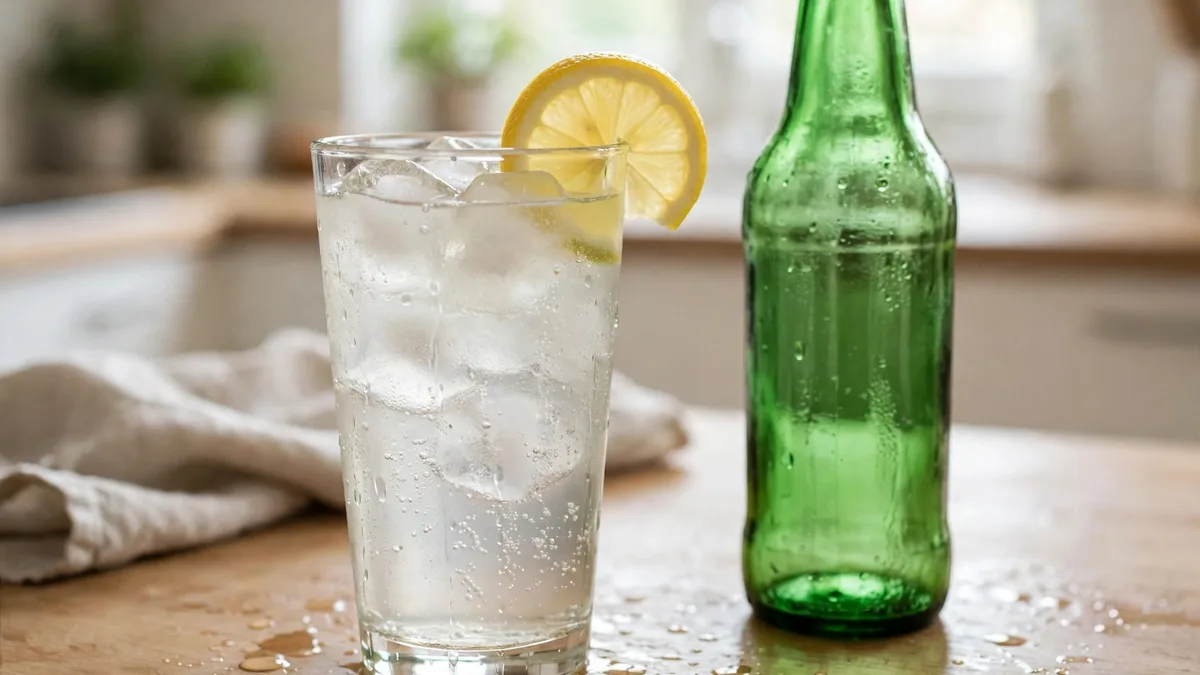
Sparkling lemonade that fizzes without the sugar crash in 2026 is the drink for everyone who loves lemonade but not the heavy, syrupy feeling that usually follows it. The best sparkling lemonade keeps the sharp lemon flavour front and centre, adds lively bubbles, and holds the sweetness back just enough that a second glass still sounds like a good idea.
Most of the sparkling lemonade on the shelves gets this balance wrong in one of two ways. Some bottles are little more than fizzy sugar water with a whisper of lemon, while others are so tart and so fiercely carbonated that they are hard to finish. This guide explains how to tell the difference before you buy, which styles are worth your money, how store-bought compares with homemade, and how to serve it so the fizz lasts to the last sip.
Key Takeaways
- The best sparkling lemonade tastes of lemon first: sharp, fresh citrus with sweetness in the background, never the other way round.
- Fine, steady bubbles beat fierce fizz. Small bubbles feel softer, last longer in the glass, and let the lemon flavour come through.
- Check the sugar per serving, not the claims on the front. Under 10 grams per 250 millilitres is a good target for an everyday drink.
- Real lemon juice and natural flavouring beat citric acid and artificial sweeteners for a clean, honest taste.
- Serve it ice cold in a chilled glass and pour gently down the side to keep the carbonation alive.
What Makes Sparkling Lemonade Different
Sparkling lemonade is lemonade with carbonation, and that one change transforms the whole drink. Still lemonade is smooth and soft on the tongue, so its sweetness lands heavily and its acidity can feel flat. Add bubbles and the same lemon juice suddenly tastes brighter: the carbonation lifts the aroma, sharpens the citrus edge, and makes a modest amount of sugar feel like enough. That is why a good sparkling lemonade can be less sweet than a still one and still taste complete.
The fizz also changes how the drink behaves in your mouth. Carbon dioxide forms tiny bubbles that burst on the tongue, creating a gentle tingle that cleanses the palate between sips. This is the same reason sparkling water feels more refreshing than still water, and it is why sparkling lemonade works so well with rich food, salty snacks and warm weather. Our guide to still lemonade that actually tastes like lemons covers the flat version in full, and the contrast is instructive: everything that guide praises about balance and real lemon flavour matters even more once bubbles enter the picture.
Carbonation is not one thing, though. The best sparkling lemonades use fine, persistent bubbles that rise in steady streams and survive for several minutes in the glass. Cheap ones use coarse, aggressive fizz that stings the tongue, goes flat within a minute, and leaves the drink tasting thin. When you open a bottle, listen: a soft, sustained hiss is a good sign, while a violent burst that dies instantly usually means the bubbles were forced in quickly and will not last.
The Main Styles of Sparkling Lemonade in 2026
Sparkling lemonade now comes in more styles than the simple lemon-and-sugar original, and each one suits a different moment. Knowing the styles helps you buy the right bottle instead of the prettiest label.
Classic Sparkling Lemonade
The classic is lemon juice, water, a little sugar and carbonation, nothing else. It should be pale yellow, clear rather than cloudy, and it should taste unmistakably of fresh lemons. The best classics use real lemon juice rather than flavouring alone, and they keep the sugar low enough that the tartness still shows. This is the style to choose when you want refreshment rather than a treat, and it is the hardest style to get right, because there is nowhere for poor ingredients to hide.
Pink and Berry Sparkling Lemonade
Pink sparkling lemonade gets its colour from raspberry, strawberry or cranberry, and the best versions taste of the berry as well as the lemon. The fruit should add a gentle sweetness and a soft perfume, not turn the drink into a berry soda with lemon as an afterthought. Check the label: if the berry comes from real juice or puree, the flavour will be rounder and more natural. If it comes only from colouring and flavouring, the drink usually tastes artificial and overly sweet.
Citrus and Herb Sparkling Lemonade
This style adds a second citrus, such as lime, yuzu or blood orange, or a herb like basil, mint or rosemary. Done well, the extra flavour sits behind the lemon and adds complexity without stealing the show. Basil lemonade, for example, gains a soft, peppery green note that makes the drink feel grown-up and food-friendly. These are the most interesting sparkling lemonades to serve with a meal, and they are also the easiest to make at home, since a few torn basil leaves or a strip of lime zest cost almost nothing.
Low-Sugar and No-Sugar Sparkling Lemonade
Low-sugar versions cut the sugar to a few grams per serving, and no-sugar versions replace it entirely with sweeteners such as stevia or sucralose. The best low-sugar bottles still taste like lemonade because they start with good lemon juice and let the bubbles do some of the work that sugar used to do. The worst taste thin and chemical, with a sweetener aftertaste that lingers long after the lemon has gone. If you are cutting sugar, taste before you commit to a multipack: the gap between the best and the worst in this style is wider than in any other.
Store-Bought vs Homemade Sparkling Lemonade
Store-bought sparkling lemonade wins on convenience and consistency. A good bottle is cold, fizzy and ready the moment you open it, and the best brands now use real juice and restrained sugar. The downside is price and choice: a single bottle can cost as much as a whole bag of lemons, and many supermarket options are far sweeter than they need to be. Read the label before you buy, and treat any bottle over 12 grams of sugar per 250 millilitres as a treat rather than a thirst-quencher.
Homemade sparkling lemonade wins on flavour and control. You squeeze fresh lemons, dissolve a little sugar in warm water to make a syrup, chill the mixture, and top it with cold sparkling water just before serving. The result tastes fresher than almost any bottle, and you decide exactly how sweet and how fizzy it is. The catch is the fizz: once you pour sparkling water into lemon syrup, the bubbles start escaping, so homemade sparkling lemonade must be mixed at the last minute and drunk within the hour. It also needs good sparkling water, and our guide to the best sparkling water will help you pick a base with fine, lasting bubbles rather than one that goes flat on contact with lemon juice.
How to Read a Sparkling Lemonade Label
The front of the bottle tells you what the maker wants you to believe, and the back tells you the truth. Start with the ingredients list: lemon juice should appear near the top, and the shorter the list the better. Water, lemon juice, sugar and carbon dioxide is all a classic needs. Long lists of flavourings, acids, colours and preservatives are a sign that the drink is built in a laboratory rather than from fruit.
Sparkling Lemonade Compared
| Style | Fizz | Sweetness | Best for |
|---|---|---|---|
| Classic | Fine, steady | Moderate | Everyday refreshment |
| Pink and berry | Medium | Moderate to sweet | Parties and picnics |
| Citrus and herb | Fine, steady | Low to moderate | Serving with food |
| Low-sugar | Medium | Low | Daily drinking |
| Homemade | Varies | You choose | Freshest flavour |
Serving Sparkling Lemonade So the Fizz Lasts
Serve sparkling lemonade as cold as you can without freezing it. Cold liquid holds carbon dioxide far better than warm liquid, so a bottle chilled overnight will stay fizzy much longer than one grabbed from a warm shelf and poured over ice. Chill the glasses too if you can, and use a tall, narrow glass rather than a wide tumbler: the smaller surface area slows the escape of bubbles.
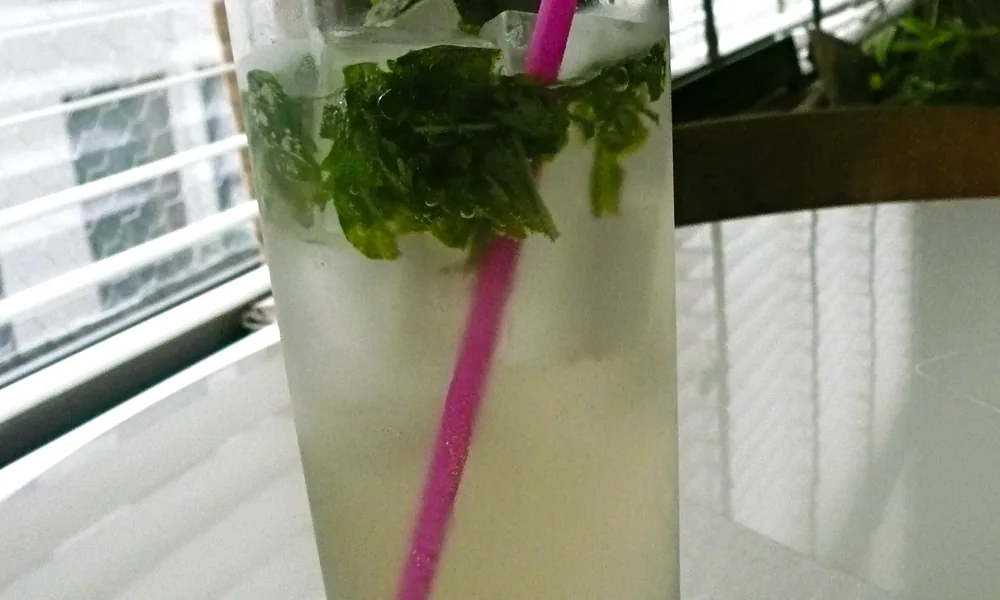
Pour gently down the side of the glass, not straight into the middle, and add ice before you pour rather than after, so the falling ice does not knock the fizz out of the drink. Add garnishes at the end: a thin wheel of lemon, a few raspberries, or a sprig of mint. Avoid squeezing the garnish into the drink, because the juice disturbs the bubbles and the oils can flatten the fizz. Once opened, a bottle should be finished the same day. Recapping helps a little, but no bottle of sparkling lemonade is ever as lively on day two as it was on day one.
Sparkling lemonade also suits picnics, barbecues and long lunches better than most soft drinks, and our best versus worst sodas roundup puts it in context alongside colas, ginger ales and cream sodas.
Checklist: Buying Good Sparkling Lemonade
- Real lemon juice is listed near the top of the ingredients, not hidden behind flavourings.
- Sugar is under 10 grams per 250 millilitres for an everyday drink.
- The bubbles are fine and steady when poured, not coarse and quick to vanish.
- The bottle is cold, well sealed, and within date, with a firm cap that holds pressure.
- The flavour matches the label: lemon first, with any fruit or herb as a supporting note.
- The aftertaste is clean and lemony, with no chemical sweetness lingering behind.
Frequently Asked Questions
Is sparkling lemonade healthier than still lemonade?
It can be, because the fizz makes a less sweet drink taste satisfying, so many sparkling lemonades contain less sugar than their still equivalents. A sugary sparkling lemonade is still a sugary drink, though, so compare the sugar per serving rather than assuming the bubbles make it healthy.
Can I make sparkling lemonade with a home carbonator?
Yes, but carbonate the water first and add the lemon syrup afterwards. Carbonating lemonade directly can foam up, damage the machine, and leave you with a sticky mess. Mix the syrup and the sparkling water gently in the glass, and drink it straight away for the liveliest fizz.
Why does my homemade sparkling lemonade go flat so fast?
Warm syrup, warm water and vigorous stirring are the usual culprits. Chill every component, pour the sparkling water gently down the side of the glass, and stir once, slowly, if you stir at all.
Does sparkling lemonade contain caffeine?
No, classic sparkling lemonade is naturally caffeine-free. Some energy-style lemon drinks add caffeine, but they are a different product and should say so clearly on the label. If you want a caffeine-free fizzy drink, plain sparkling lemonade is one of the safest choices.
How long does an opened bottle of sparkling lemonade last?
It stays pleasantly fizzy for a few hours if recapped and kept cold, but it is best finished the same day. After a night in the fridge it will still taste of lemon, but much of the sparkle will be gone, and no amount of shaking will bring it back.
What is the difference between sparkling lemonade and lemon soda?
The terms overlap, but lemon soda is usually sweeter and made with flavourings rather than real lemon juice. Sparkling lemonade should taste like lemonade that happens to be fizzy, while lemon soda tastes like a sweet soft drink with a lemon theme.
The Bottom Line
The best sparkling lemonade in 2026 is a simple drink done well: real lemon flavour, fine steady bubbles, and just enough sweetness to take the edge off the tartness. Buy it cold, check the sugar, pour it gently, and drink it fresh. Get those four things right and you get all the pleasure of lemonade with the lift of fizz, and none of the sugar crash that used to come with it.