Sponge Cake Done Right: The Best Sponge Cakes to Buy in 2026
Sponge cake is the simplest cake there is, and the easiest to get wrong. It is eggs, sugar and flour, with air doing the work that butter does in other cakes, and when it is done right it is light, springy and faintly sweet. When it is done wrong it is dry, rubbery or flat, and no amount of cream on top can save it. The best sponge cakes to buy in 2026 get the basics right: a fine, even crumb, real moisture, and a flavour that holds up on its own.
This guide ranks the best sponge cakes you can buy in 2026, from Victoria sponge to lemon, chocolate, chiffon and Japanese cotton sponge, judged on crumb, moisture, flavour and value.
Key takeaways
- The best sponge cakes are light and springy with a fine, even crumb; a dense or rubbery one was overmixed or underbaked.
- Victoria sponge is the classic to judge all others by, and a good one needs only jam and cream.
- Moisture matters more than flavour: a dry sponge cannot be rescued by filling, while a moist one needs very little help.
- Chiffon and cotton sponge are the lightest options; a Genoise is the driest and best used as a base for other desserts.
- Buy sponge cake the day you need it, keep it covered at room temperature, and never refrigerate an unfrosted one.
How the best sponge cakes were judged
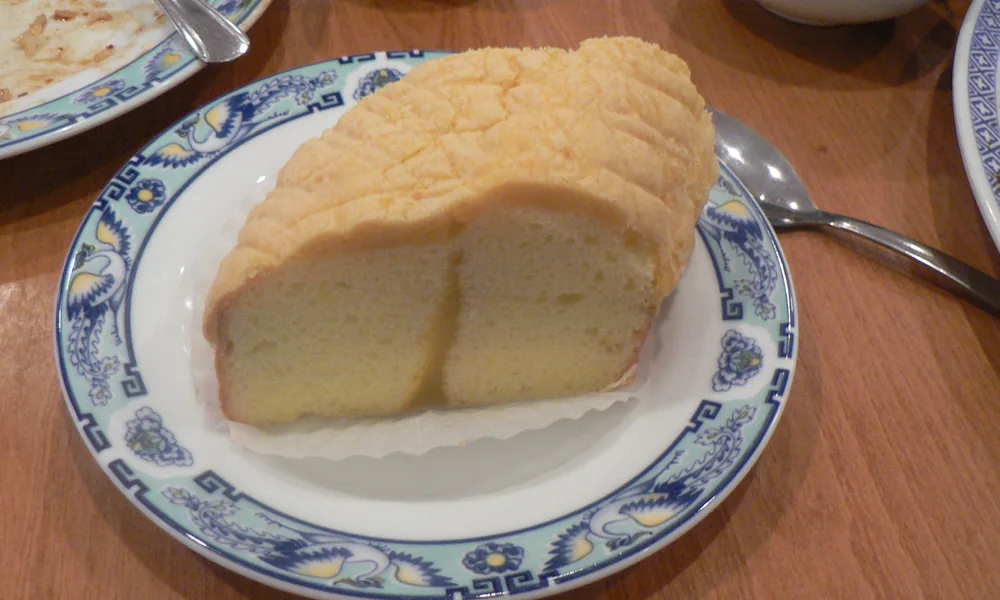
Every sponge here was judged on five measures. Crumb comes first: fine, even and springy, with small regular holes, springing back when pressed. Moisture is second, because a sponge that dries your mouth out has failed at its one job. Flavour is third: eggs, sugar, vanilla and butter in balance, nothing chemical or stale. Structure is fourth: a sponge that collapses or sinks was underbaked or knocked about. Value is fifth, judged per serving: a large cake that feeds twelve is often cheaper than a small one that feeds six.
What makes a sponge cake good
A sponge cake rises on air: eggs whipped with sugar until pale and thick, flour folded in gently, batter into a hot oven before the air escapes. That is the whole trick, and why sponge is so unforgiving: overmix and the gluten tightens, the air escapes and the cake turns rubbery; underwhip the eggs and it never rises; open the oven door too early and it sinks.
The difference between sponge and other cakes is fat. A Victoria sponge has butter, which gives it flavour and keeps it moist. A Genoise has a little melted butter folded in at the end. A chiffon has oil, which keeps it soft even when cold. A true sponge has no fat at all, just eggs, sugar and flour, and it is the driest of the family, which is why fat-free sponge is usually a base for trifles and tiramisu, soaked in syrup or coffee, rather than eaten plain.
Moisture is what most buyers get wrong: a sponge should feel moist without being wet, and the press test tells you — press the top lightly and it should spring back at once, leaving no dent. A dent means stale or underbaked; wet means soaked or stored badly. The pan matters too: a thin, dark pan burns the edges while the middle stays pale, while a heavy pan bakes evenly. The guide to the top cake pans for even bakes explains why.
Sponge cake types at a glance
| Type | Fat | Crumb | Best for |
|---|---|---|---|
| Victoria | Butter | Moist, fine | Eating plain |
| Genoise | A little butter | Firm, fine | Layered desserts |
| Chiffon | Oil | Very light, airy | Made-ahead cakes |
| Cotton sponge | Very little | Soft, soufflé-like | Eating the same day |
| Lemon sponge | Butter | Moist, bright | Afternoon tea |
| Chocolate sponge | Butter or oil | Moist, dark | With cream |
The best sponge cakes to buy in 2026
1. Victoria sponge
The Victoria sponge is the best sponge cake you can buy, and the standard for every other sponge. Two layers of butter sponge, raspberry or strawberry jam, softly whipped cream, dusted with sugar. It needs nothing else: a good Victoria sponge is moist, buttery and balanced, the jam sharp enough to cut the cream. Buy from a bakery that makes it daily, eat it the same day, and do not accept long-life cream or jam so sweet it overwhelms the cake. This is the sponge to buy if you have never bought one.
2. Lemon sponge cake
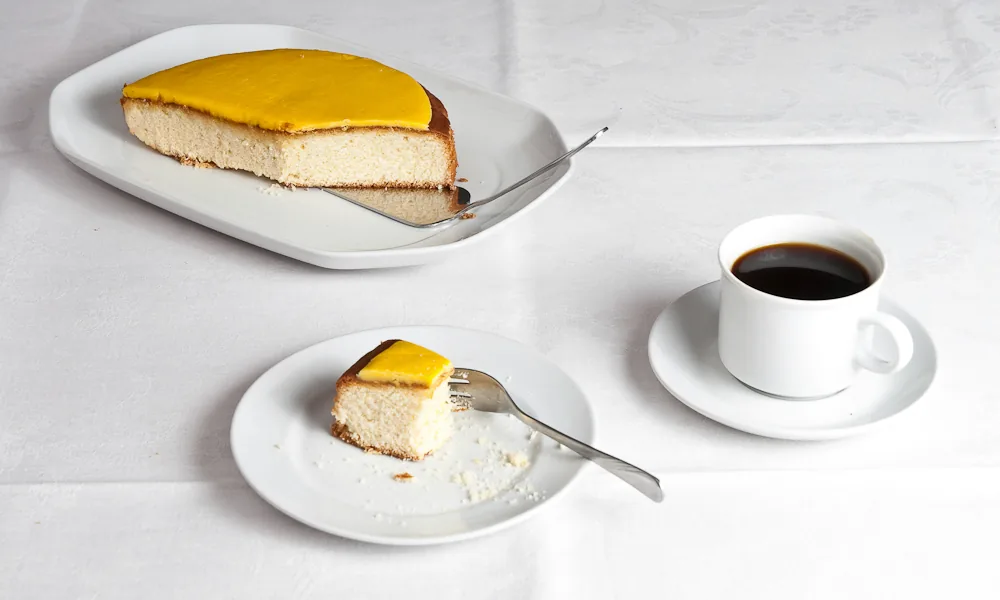
Lemon sponge takes the classic and brightens it: zest in the batter, juice in a syrup drizzled over the warm cake, or a curd layer between the sponges. The result is the freshest-tasting sponge here, the lemon keeping it light even when the cake is rich. The best taste of real lemon, not flavouring: a sharp, chemical flavour means the baker cut corners. These are the best sponge cakes for spring and summer, and for anyone who finds a plain sponge a little dull.
3. Chocolate sponge cake
Chocolate sponge replaces some of the flour with cocoa, and the best versions are dark, moist and deeply flavoured. Cocoa dries a sponge out, so a good chocolate sponge needs more eggs, a little oil, or syrup brushed over the layers. The worst taste dusty and dry: cheap cocoa, moisture never replaced. Buy chocolate sponge when you want a treat, and serve it with cream rather than frosting.
4. Chiffon cake
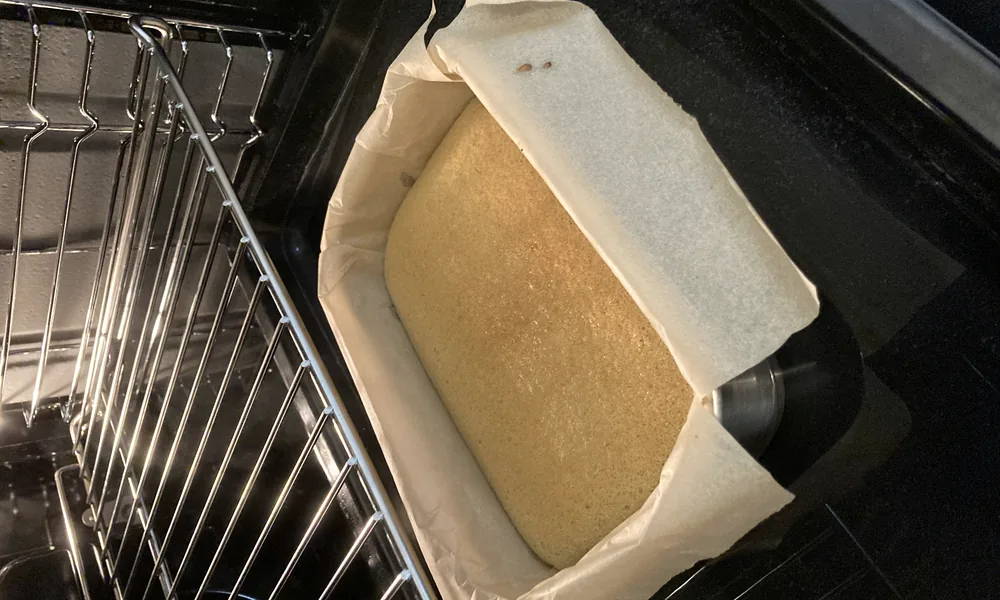
Chiffon is the lightest sponge cake here, and the most forgiving to eat: oil instead of butter, whipped egg whites folded in, baked in a tall tube pan, for a tall, airy cake with a crumb so fine it feels like eating flavoured air. Chiffon stays soft even from the fridge, the best sponge for a cake made ahead, and it takes flavours well: lemon, orange, pandan and chocolate are all classics. If ordinary sponge tastes dry to you, try chiffon first.
5. Japanese cotton sponge cake
Japanese cotton sponge, also called cotton cheesecake when cream cheese is added, is the softest cake here: a hot-water batter, whipped egg whites, a low, slow bake in a water bath, and it jiggles when it comes out of the oven. The texture sits between sponge and soufflé, impossibly soft, and it must be eaten the same day: it deflates and dries fastest of any sponge here. Buy it from a specialist bakery and eat it within hours. It is an experience more than a cake.
6. Genoise sponge
Genoise is the professional’s sponge, and the driest here: eggs and sugar warmed over heat and whipped thick, flour and a little melted butter folded in, for a firm, fine-crumbed sponge that holds its shape. Eaten plain it can taste dry, which is why bakers use it as a base: soaked in syrup, layered with cream and fruit, or built into a trifle. If you are buying a sponge to build a dessert from, Genoise is the best choice; for a cake to eat on its own, pick the Victoria sponge.
Sponge cake vs cake mix: is homemade worth it?
A sponge cake from a box mix is better than it used to be, and for a birthday cake in a hurry it is reasonable. The best mixes produce a moist, even crumb and remove the risk from whipping and folding. But a mix never tastes like a sponge made with real butter, fresh eggs and vanilla: the flavour is always a little flat, a little samey, whatever the brand.
The honest answer: a good bakery sponge beats a mix, a mix beats a bad bakery sponge, and a home-baked sponge beats both when it works and loses when it does not. If you bake, use the best eggs and butter you can afford and do not rush the whipping. If you do not bake, buy from a bakery and eat it the same day. The guide to the best cake mixes for birthdays ranks the mixes worth buying.
How to store sponge cake
Sponge cake is at its best the day it is baked, and it stales faster than almost any other cake. Keep it covered at room temperature, in a cake tin or under a dome, never in the fridge: it dries a sponge out in hours. An unfrosted sponge keeps for two days; a filled Victoria sponge should be eaten the same day, since the cream needs the fridge.
To freeze a sponge, wrap the unfrosted layers tightly in cling film and foil, and freeze for up to a month. Thaw at room temperature, still wrapped, so condensation forms on the wrapping rather than the cake, and fill it only once fully thawed. Properly thawed, a sponge tastes almost as good as fresh.
Frosting and filling a sponge cake
A sponge cake needs very little on top: jam and softly whipped cream is the classic Victoria filling, and still the best. A lemon sponge wants lemon curd; a chocolate sponge wants whipped cream or a thin ganache, not a thick buttercream that buries the crumb. The rule is simple: the lighter the sponge, the lighter the filling.
If you do frost a sponge, use a frosting that spreads smoothly and holds its shape without weighing the layers down: too stiff tears the crumb, too soft slides off. The guide to frosting that spreads smooth and holds its shape covers the types worth using. Frost close to serving: a frosted sponge kept overnight is drier, however good the frosting is.
Buying checklist
- A fine, even crumb with small regular holes, never dense or rubbery.
- A top that springs back when pressed lightly, with no dent left behind.
- A smell of eggs, vanilla and butter, not of chemicals or staleness.
- Baked today, or yesterday at the latest; sponge cake stales faster than any other cake.
- Real butter, eggs and vanilla in the ingredients, not flavouring or shortening.
- A filling that matches the sponge: light cream for a light cake, never heavy frosting on a delicate crumb.
Frequently asked questions
Why did my sponge cake sink in the middle?
Usually the oven door opened too early, the oven was too cool, or the batter was undermixed and the air escaped. Bake in a fully hot oven and do not open the door for the first twenty minutes.
How long does sponge cake stay fresh?
About a day at its best, two days covered at room temperature. A filled sponge should be eaten the same day; an unfrosted sponge freezes well for up to a month.
Can you refrigerate sponge cake?
You can, but you should not unless a cream filling needs it: the fridge dries a sponge out fast, so bring it back to room temperature before serving.
What is the difference between sponge cake and chiffon cake?
Chiffon is a sponge of oil and whipped egg whites, baked in a tube pan. It is lighter, stays softer than a classic butter sponge, and keeps better too.
Can you make sponge cake without eggs?
Not really: eggs make a sponge rise and hold its structure. Eggless recipes exist, but they use other leaveners and the result is a different, denser cake.
What goes with sponge cake?
Almost anything: jam and cream, fresh berries, custard, ice cream, or nothing at all. A good sponge is complete on its own, with a cup of tea.
Bottom line
The best sponge cake to buy in 2026 is a Victoria sponge from a bakery that makes it daily, with real butter, fresh eggs, jam and cream. Lemon sponge is the best alternative for a brighter flavour, chiffon the best for lightness, and a good sponge is always worth more than a fancy one: buy fresh, eat the same day, and let the cake speak for itself.