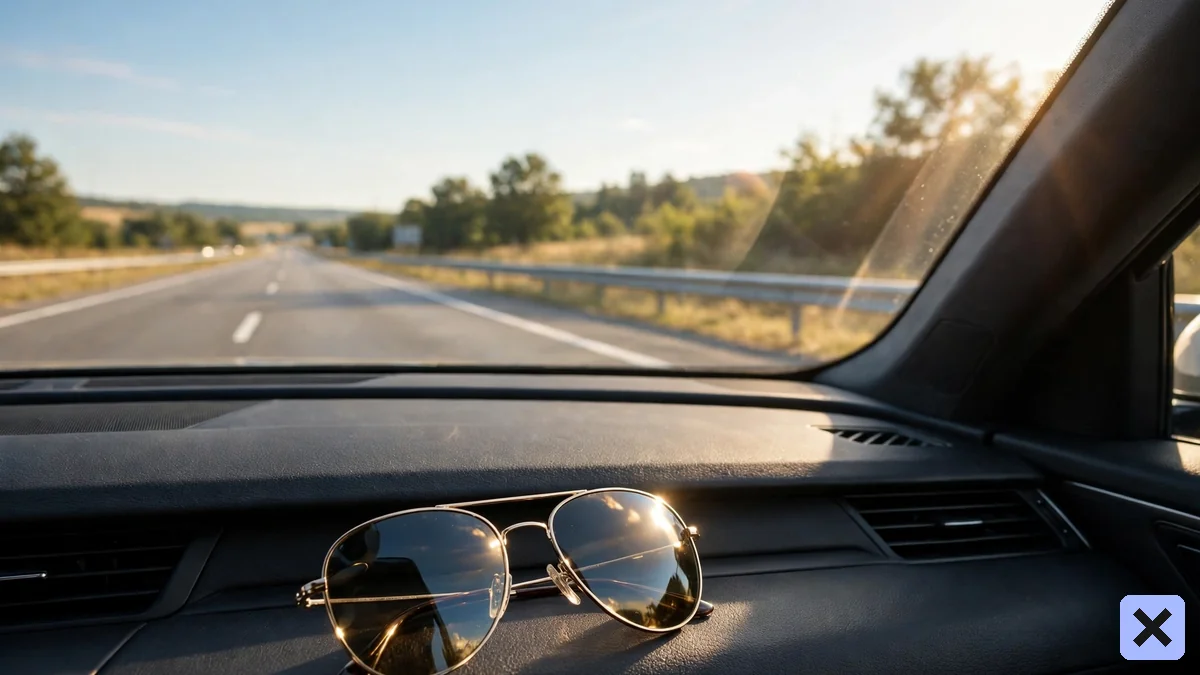
The best sunglasses for driving in 2026 do far more than shade your eyes on a bright afternoon. A good pair cuts the blinding glare bouncing off wet asphalt and other windscreens, sharpens contrast so road markings stay readable, and keeps eye strain from building up over a long drive. The wrong pair can darken your view of the dashboard, distort colours at traffic lights, or slide down your nose at the worst possible moment.
Driving is one of the most demanding things we ask of our eyesight. You track movement at speed, judge distance, read signs, and cope with constantly changing light. Sunglasses built for driving are designed around those exact conditions, with polarized lenses, the right tint density, and frames that stay put without pressing on your temples.
We tested and compared the leading driving sunglasses for 2026, weighing lens quality, glare control, comfort on long journeys, and value for money. The seven pairs below earned a place in the car, whether you commute every day or are planning a long summer drive.
Key takeaways
- Polarized lenses are the single biggest upgrade for driving, cutting reflected glare from roads and windscreens.
- Choose a grey, brown, or copper tint, and avoid lenses too dark for your dashboard.
- Full UV400 protection is essential, whatever the price of the sunglasses.
- A secure, lightweight frame with slim temples fits comfortably for long drives.
- Keep a dedicated pair in the car so you are never caught out by low sun or sudden glare.
Why Driving Sunglasses Are Different
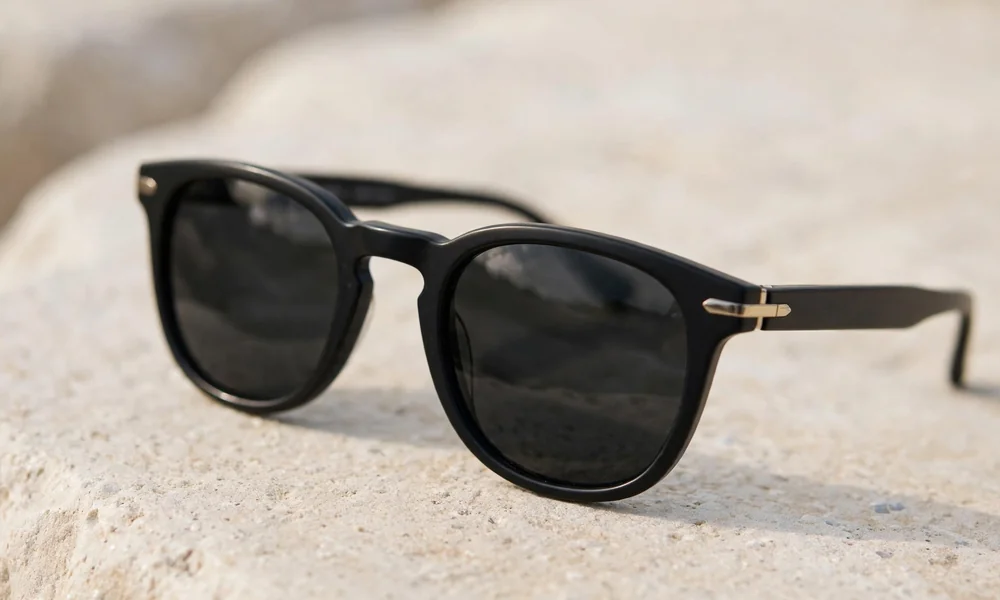
Ordinary fashion sunglasses are made to look good. Driving sunglasses are made to help you see better, and that difference shows up in the details. The most important is polarization. When sunlight hits a flat surface like a road or a wet windscreen, it reflects as horizontal glare, which makes you squint and lose detail. Polarized lenses filter out that horizontal light, leaving the road clearer and your eyes more relaxed.
Tint matters just as much. A lens that is too dark forces your pupils to open wide and can make your dashboard and mirrors hard to read. The best driving tints sit in the middle: dark enough to tame bright sun, light enough to keep instruments and road signs easy to read. Grey tints keep colours true, while brown and copper tints add warmth and improve contrast on overcast days.
Fit is the third pillar. Sunglasses that slip, pinch, or press against your temples become a distraction within minutes, and a distraction is the last thing you need at motorway speed. Look for lightweight frames, adjustable nose pads, and slim temples that sit neatly without digging in. If you wear prescription glasses, consider clip-ons, fit-over styles, or prescription driving sunglasses.
What to Look For in Driving Sunglasses
Before you buy, it helps to know the features that separate a genuinely good driving pair from a merely stylish one. These are the checks we applied to every pair in this guide.
Polarized Lenses
Polarization is the single most useful feature for driving. It removes reflected glare from roads, water, and other vehicles, which reduces squinting and makes it easier to spot hazards early. Be aware that it can make some LCD dashboard displays and head-up displays look patchy, so try your pair with your own car before a long journey.
UV400 Protection
Every pair in this guide offers full UV400 protection, blocking essentially all UVA and UVB rays. Dark lenses without UV protection are worse than no sunglasses at all, because they open your pupils while letting harmful rays through. UV protection has nothing to do with price, so check the label even on budget pairs.
Lens Colour and Tint
Grey lenses preserve true colours and work well in bright sun. Brown and amber lenses boost contrast and depth perception, which many drivers prefer on changeable days. Green lenses offer a middle ground. Avoid yellow lenses for general driving, as they can distort colour perception, and avoid very dark category 4 lenses, which are too dark for the road.
Frame Fit and Comfort
A good driving frame is light, sits close to the face without touching your eyelashes, and stays in place when you turn your head to check a blind spot. Wraparound styles block light from the sides, while classic frames with slim arms are easier to wear with a hat. If you drive for hours at a time, comfort matters more than looks.
The 7 Best Sunglasses for Driving in 2026
Here are our picks for 2026, covering every budget and every kind of driver.
1. Ray-Ban Aviator Classic
The Aviator is the original driving sunglass, designed for pilots in the 1930s and still one of the best choices on the road today. The large teardrop lenses give excellent coverage, the thin metal frame is light enough to forget, and the green G-15 lens keeps colours natural while cutting glare. Polarized versions are available and worth the small premium.
2. Oakley Holbrook
The Holbrook is the pick for drivers who want a sportier, more modern look without giving up comfort. Its rectangular frame sits close to the face, the Plutonite lenses offer sharp optics and full UV protection, and the polarized Prizm lens options boost contrast on the road.
3. Maui Jim Peahi
Maui Jim built its reputation on polarized lenses, and the Peahi shows why. The PolarizedPlus2 lenses cut glare superbly and add a richness to colours that makes road markings and signs easier to read. The frame is light and comfortable for long drives. It sits at a premium price, but the optics justify it for anyone who spends serious time behind the wheel.
4. Persol 649
The Persol 649 is a classic Italian frame with a devoted following, and it is a fine driving companion. The folding design makes it easy to store, the Meflecto flexible temples adapt to your head shape for a secure fit, and the polarized crystal lenses deliver excellent clarity. It is the most elegant option on this list.
5. Serengeti Delamere
Serengeti specialises in driving lenses, and the Delamere is built around photochromic technology, which adjusts the tint to the light. The lenses darken in bright sun and lighten in shade or tunnels, so your vision stays consistent as conditions change. The mineral glass lenses are exceptionally clear, and the lightweight frame is comfortable for hours.
6. SunGod Renegades
SunGod’s Renegades are a strong value pick with a practical edge: the lenses are interchangeable, so you can swap between a darker lens for summer and a lighter one for overcast days. The wraparound shape blocks side glare, the frame is light and secure, and the lifetime guarantee is genuinely reassuring.
7. Goodr OG Sunglasses
Goodr proves that good driving sunglasses do not have to be expensive. The OG is feather-light, stays put thanks to a grippy frame coating, and comes with polarized lenses and full UV400 protection at a price that makes a second pair for the car an easy decision. For everyday driving and weekend trips, they are a bargain that performs well above their price.

Best Sunglasses for Driving Compared
Use this table to compare our seven picks at a glance. Price bands are approximate.
| Sunglasses | Lens | Best for | Price band |
|---|---|---|---|
| Ray-Ban Aviator Classic | Polarized G-15, grey-green | All-round classic driving | Premium |
| Oakley Holbrook | Polarized Prizm | Sporty everyday driving | Mid-range |
| Maui Jim Peahi | PolarizedPlus2 | Maximum glare control | Premium |
| Persol 649 | Polarized crystal | Elegant long-distance comfort | Premium |
| Serengeti Delamere | Photochromic glass | Mixed and changing light | Premium |
| SunGod Renegades | Interchangeable polarized | Adaptable all-season use | Mid-range |
| Goodr OG | Polarized polycarbonate | Budget everyday driving | Budget |
How to Choose the Right Pair for Your Driving
The best pair is the one that matches how and where you drive. A city commuter dealing with low morning sun needs different sunglasses from someone crossing a desert highway at noon, so think about your own journeys before you buy.
Consider your typical conditions first. If most of your driving is on bright open roads, a darker grey polarized lens is ideal. If you drive a lot on overcast days, a brown or copper lens will give you better contrast. If you face both, a photochromic lens or an interchangeable-lens pair like the SunGod Renegades is the smartest single purchase. And if you are planning a long summer road trip, it is worth checking out the best hybrid cars for road trips alongside your eyewear, since the right car and the right sunglasses together make a long drive far more relaxing.
Next, think about your car. Some dashboard displays and head-up displays react oddly to polarized lenses, showing rainbow patterns or dark patches, so test your sunglasses in your own vehicle before a long journey. Wraparound frames suit open-top driving and convertibles, while slim classic frames work better if you wear a hat. If you are dreaming of open-top motoring, the best convertible cars for summer pair naturally with a good wraparound driving sunglass.
Finally, budget honestly. You do not need to spend a fortune: the Goodr OG proves that a budget pair can cover the essentials well. But if you drive every day, spending more on lens quality is money well spent, because clearer optics mean less eye strain. Whatever you spend, buy from a reputable seller and keep a hard case in the car so your sunglasses stay scratch-free.

Driving Sunglasses Checklist
Run through this checklist before you buy, and again before any long drive.
- Polarized lenses: confirmed, for real glare control on roads and windscreens.
- UV400 protection: full UVA and UVB blocking, checked on the label.
- Right tint: grey, brown, or copper, and never so dark you cannot read the dashboard.
- Secure fit: light frame that stays put when you check your blind spot.
- Side coverage: enough coverage or wraparound shape to block light from the sides.
- Hard case in the car: so your sunglasses stay scratch-free and always within reach.
Frequently Asked Questions
Are polarized sunglasses best for driving?
Yes, for most drivers. Polarized lenses remove reflected glare from roads, windscreens, and other vehicles, which reduces squinting and eye strain. The only exception is if they interfere with your car’s dashboard or head-up display.
What colour lens is best for driving?
Grey lenses keep colours true and work well in bright sun. Brown and copper lenses improve contrast and depth perception, which helps on overcast days. Green lenses sit in between. Avoid yellow lenses for general driving and very dark lenses that make your dashboard hard to read.
Can I wear sunglasses at night?
No. Sunglasses reduce the light reaching your eyes, which is dangerous after dark. If you struggle with headlight glare, use clear lenses with an anti-reflective coating instead.
Are expensive sunglasses better for driving?
More expensive pairs usually offer better lens clarity, coatings, and build quality, which matters on long drives. But the essentials, polarization and UV400 protection, are available at budget prices too.
Do driving sunglasses work with prescription glasses?
Yes. Options include prescription sunglasses, clip-on polarized lenses, and fit-over sunglasses designed to wear over your regular glasses. Prescription driving sunglasses give the best optics.
How should I look after driving sunglasses?
Keep them in a hard case in the car, clean the lenses with a microfibre cloth rather than your shirt, and never leave them face down on the dashboard in extreme heat. Replace them once scratches become noticeable, since scratched lenses scatter light.
The Bottom Line
The best sunglasses for driving in 2026 are the Ray-Ban Aviator Classic for all-round excellence, the Maui Jim Peahi for maximum glare control, and the Goodr OG for drivers who want great performance on a budget. Whichever pair you choose, insist on polarized lenses, full UV400 protection, and a fit that stays comfortable for hours. Before you set off on your next long journey, it is also worth planning the small comforts, and the best road trip snacks for families are a good place to start.