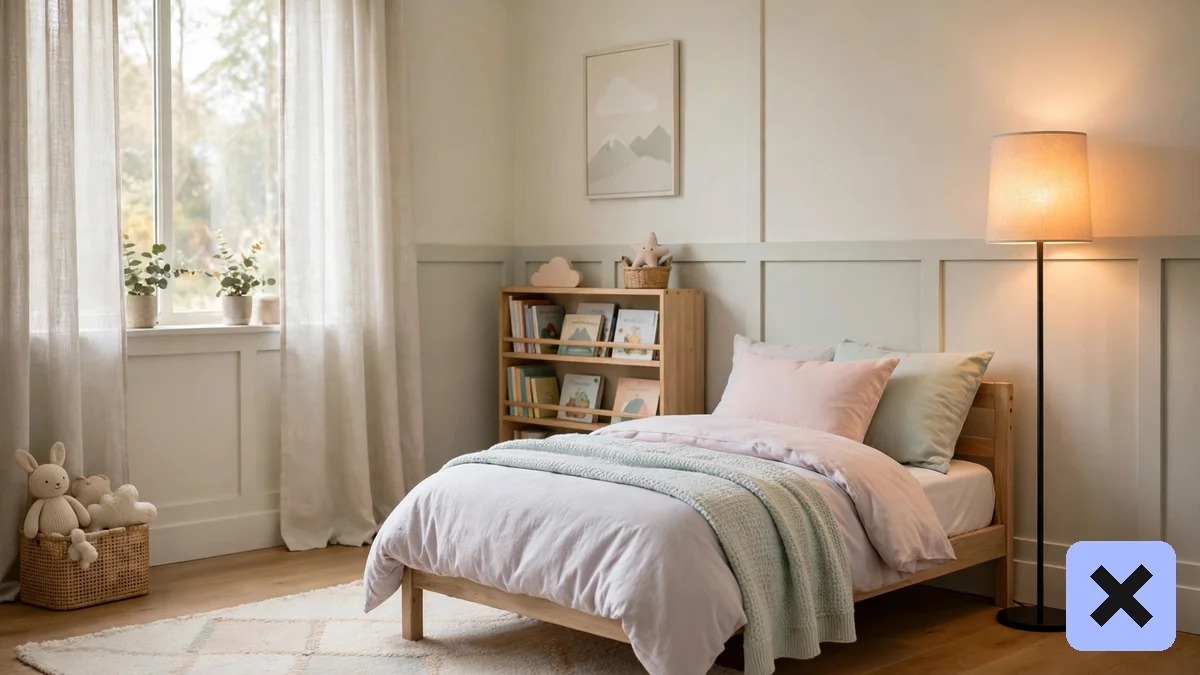
The best throw blankets for kids in 2026 are soft, washable, and sized for small bodies, turning an ordinary blanket into a favourite for reading, naps, and movie nights. A good kids throw is light enough for a child to carry from room to room, warm enough for a chilly evening, and tough enough to survive weekly washing without going stiff or losing its softness.
Shopping for one is harder than it looks, because the blanket aisle is full of throws that are too big, too heavy, too scratchy, or too fussy to wash. Children notice texture, and a blanket that feels rough will simply be rejected. The best options combine a gentle touch with machine-washable fabric and a size that covers a child without trailing on the floor.
This guide compares the materials, sizes, and styles that work best for children in 2026, with a comparison table, a buying checklist, and answers to the questions parents ask most.
Key takeaways
- Choose a throw sized for your child, usually 100 x 130 cm for ages three to seven and 130 x 160 cm for older children.
- Fleece and microfibre are the softest and easiest to wash, while cotton and muslin suit warm sleepers and summer months.
- Always check that a kids blanket is machine washable and tumble-dryer friendly before you buy it.
- Lightweight blankets are safer and more comfortable for younger children than heavy weighted throws.
- Let your child pick the colour or pattern, because a blanket they love is one they will actually use.
What Makes a Great Throw Blanket for Kids
A great kids throw blanket starts with softness. Children press blankets against their faces, so the fabric must feel gentle against skin. Look for brushed fleece, velour, cotton jersey, or smooth microfibre with a short pile, and avoid anything with a scratchy weave or loose fibres that shed.
Durability matters just as much. A kids blanket will be dragged across floors, spilled on, and washed far more often than an adult throw, so strong edge stitching and colourfast fabric are essential.
Safety comes third. For children under three, avoid tassels, pom-poms, or small decorations that could come off, and skip heavy weighted blankets unless a health professional has recommended one.
Size That Fits Small Bodies
Kids throws usually measure between 100 x 130 cm and 130 x 160 cm. A toddler needs only a small throw for the sofa or car, while a seven-year-old who likes to wrap up fully on movie nights will be far happier with a larger one. Measure your child from shoulders to toes and add about 20 cm: too long trails on the floor, too small leaves cold shoulders and feet.
Weight That Comforts Without Overwhelming
Most children are happiest with a throw weighing between 300 and 700 grams. Fleece and sherpa feel warm without much weight, while a chunky knitted throw can be surprisingly heavy. If your child kicks the blanket off within minutes, it may simply be too warm or too heavy.
The Best Throw Blanket Materials for Kids
Material decides how a blanket feels, how warm it is, and how easy it is to look after. Fleece is the most popular choice because it is soft, light, and quick to dry. Cotton suits sensitive skin and warm bedrooms, while sherpa adds extra warmth but needs a gentler wash cycle.
Fleece and Microfibre
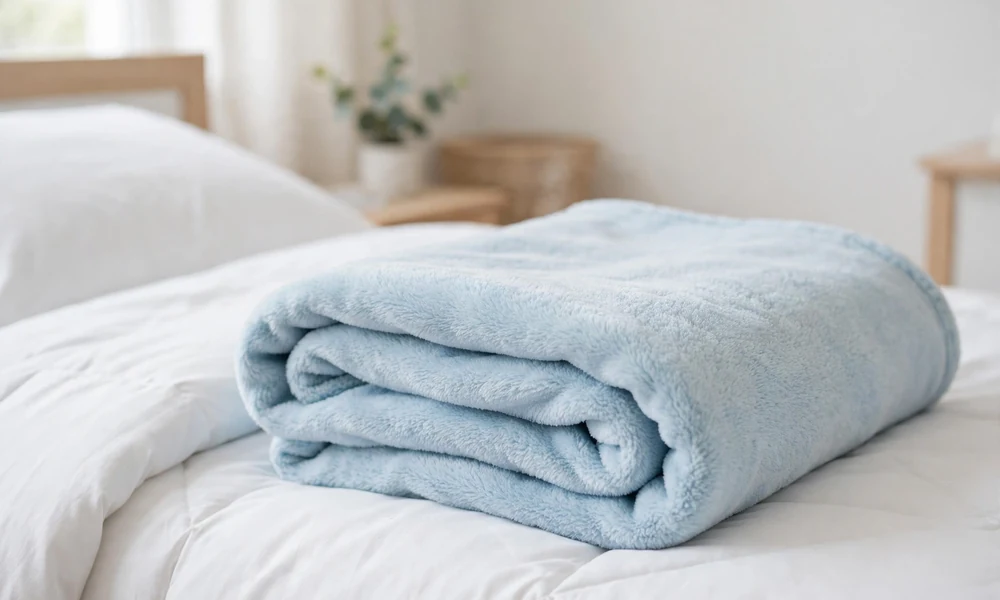
Fleece and microfibre throws are the workhorses of the kids blanket world: affordable, widely available in fun colours, and quick to dry, which matters when a blanket needs washing before bedtime. Look for a dense, even pile and bound edges. Cheap fleece pills, so choose better quality and wash inside out on a cool cycle.
Cotton and Muslin
Cotton and muslin throws are the gentle all-rounders, suiting babies, children with eczema or sensitive skin, and any child who sleeps hot. A layered muslin throw gives warmth without weight and folds down small for travel. Cotton wrinkles and feels cool at first, but it warms quickly and only gets softer with age.
Knitted and Sherpa
Knitted and sherpa throws bring texture and warmth to a child’s room. A chunky knitted throw looks lovely over a reading chair, while sherpa is one of the warmest options for winter movie nights. Both are best kept at home, since they are bulky and slow to dry, and knitted throws should be checked for loose threads.
Best Throw Blankets for Kids 2026 Compared
The table below compares the most popular styles of kids throw blanket for 2026, so you can see at a glance which type fits your child, your climate, and your washing routine. Use it to narrow your choice to one or two types, then pick a colour your child will love.
| Blanket type | Best for | Warmth | Washability | Typical size |
|---|---|---|---|---|
| Fleece throw | Everyday use, all ages | Medium to high | Excellent, quick drying | 100 x 130 cm |
| Microfibre plush | Extra softness, sensitive skin | Medium to high | Excellent | 100 x 130 cm |
| Cotton jersey | Warm sleepers, summer | Low to medium | Excellent, gets softer | 110 x 140 cm |
| Muslin layered | Toddlers, travel, summer | Low | Excellent, fast drying | 100 x 120 cm |
| Sherpa throw | Winter, cold bedrooms | High | Good, gentle cycle | 130 x 160 cm |
| Chunky knitted | Reading nooks, decoration | Medium | Fair, hand wash preferred | 120 x 150 cm |
Fleece and microfibre win for most families, combining warmth, softness, and easy care. Cotton and muslin suit warm climates and sensitive skin, sherpa wins for the coldest months, and a knitted throw makes a lovely second blanket for a reading corner.
How to Choose the Right Size
Start with the age of your child and where the blanket will be used most. For a toddler on the sofa, a compact 100 x 130 cm throw is plenty. For a primary-school child who likes to cocoon themselves fully, step up to 130 x 150 cm or 130 x 160 cm, and teenagers usually prefer a full-size 150 x 180 cm throw.
Think about the bed too: a throw that works on the sofa may be too small to cover a single bed, so measure the bed first if it will double as an extra layer. Our guide to the best duvet covers for kids can help you match the throw to bedding your child already loves. For storage, a bulky sherpa throw needs a basket, while a thin fleece throw rolls into a drawer.
Setting Up a Cosy Reading Nook
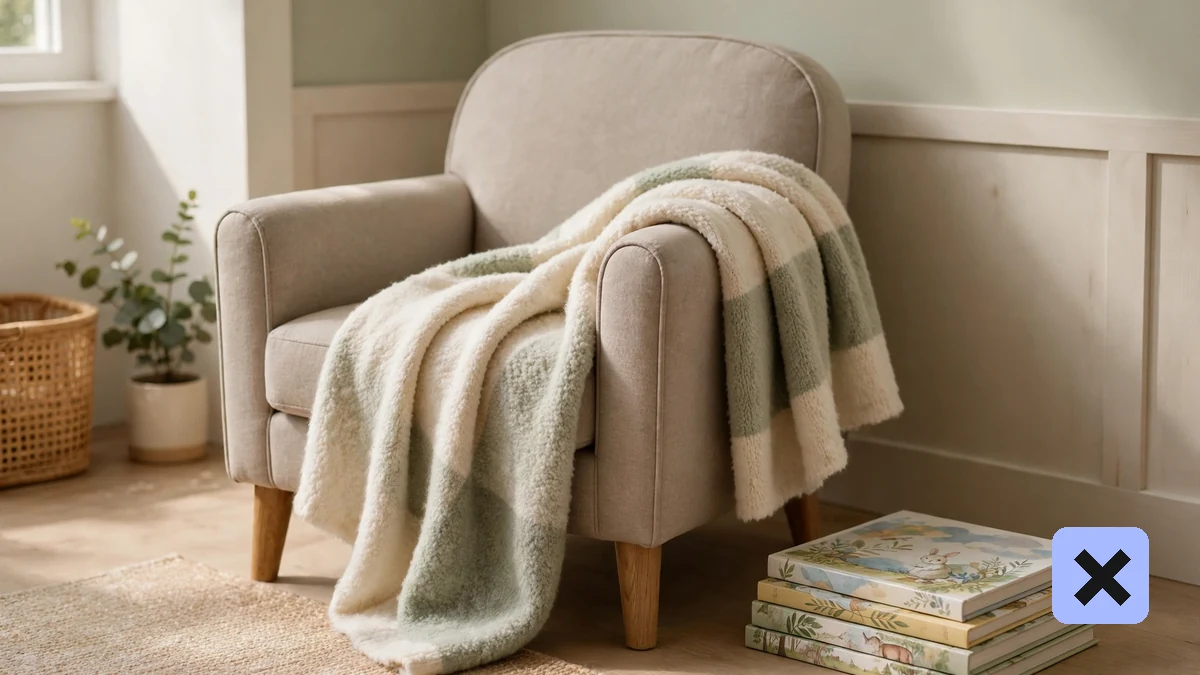
A throw blanket can turn an ordinary corner into a reading nook your child wants to sit in. Choose a comfortable chair or floor cushions, add a small bookshelf within reach, and drape the throw over the chair arm so it is always ready. Knitted and fleece throws work best here, looking inviting and feeling warm at once.

Let your child choose a cushion or two so the space feels like theirs, and keep the blanket in a basket nearby. The same idea works in the living room, where a throw over the sofa arm invites the family to settle in for a film. For shared spaces, our round-up of the best throw blankets for sofas covers larger sizes and sturdier fabrics for everyday family use.
Keeping Kids Warm in Winter
Winter is when a kids throw blanket earns its keep. A warm fleece or sherpa throw on the sofa lets the heating stay lower, and a blanket layered over the duvet adds cosiness without the weight of a second duvet. Layer it over, not under, the duvet so your child can push it aside if they get too warm.
Keep a second blanket near the front door for cold car journeys, and wash winter throws regularly since they get used daily. For more cold-weather options, see our guide to the best throw blankets for winter, which covers the warmest fabrics for chilly homes. A throw long enough to tuck around the toes also makes a real difference.
Washing and Caring for Kids Throw Blankets
Most fleece, microfibre, and cotton throws can be machine washed on a cool or warm cycle with mild detergent, then tumble dried on low or line dried. Check the care label first: sherpa and knitted throws need a gentler cycle and should never be dried on high heat. Wash new blankets before first use to remove factory finishes.
After that, wash weekly for a blanket in daily use, and more often after spills or outdoor trips. Washing inside out protects the soft surface, skipping fabric softener keeps fleece fluffy, and a mesh laundry bag helps knitted throws with loose stitches.
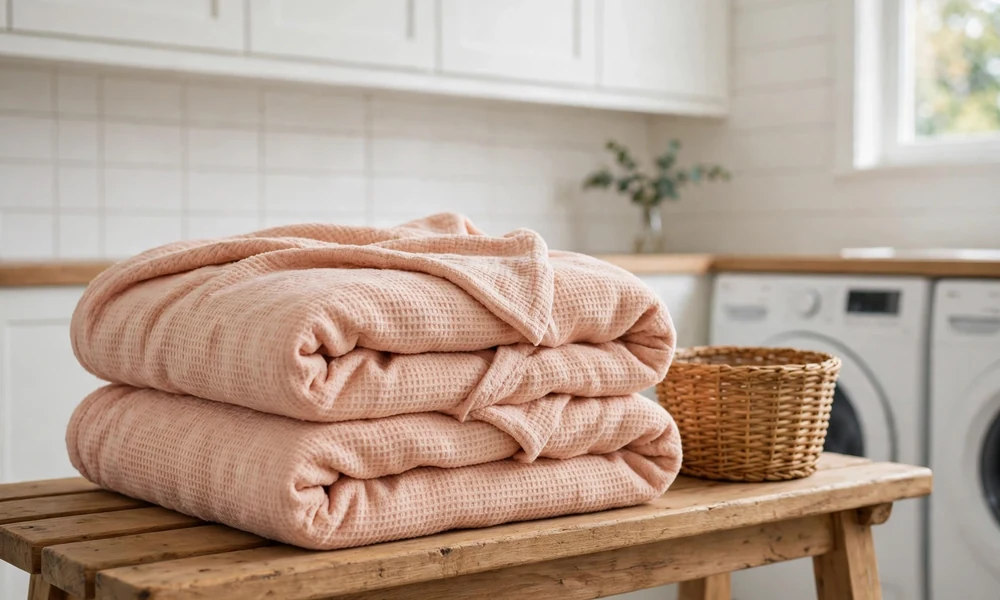
Fold the blanket neatly and keep it where your child can reach it, rather than in a high cupboard. A blanket that is easy to find is a blanket that gets used. Replace a throw when it has gone thin, lost its softness, or developed holes that cannot be repaired.
Checklist Before You Buy
Run through this checklist before you buy, and you will avoid the most common mistakes parents make when choosing a kids throw blanket.
- Check the size against your child’s height and where the blanket will be used, adding about 20 cm for comfortable coverage.
- Feel the fabric with your own hands and against your cheek, since children are far more sensitive to rough textures.
- Confirm the blanket is machine washable and tumble-dryer friendly, and read the care label before you buy.
- Look for strong, bound edges and even stitching, with no tassels or loose decorations for younger children.
- Choose a weight your child can carry and wrap easily, usually between 300 and 700 grams.
- Let your child choose the colour or pattern, because a blanket they picked is one they will reach for every day.
Frequently Asked Questions
What size throw blanket is best for a five-year-old?
A throw of around 100 x 130 cm is ideal for most five-year-olds: large enough to cover them from shoulders to toes, yet small and light enough to carry. Children aged eight and over usually prefer a larger 130 x 160 cm throw.
Are fleece blankets safe for toddlers?
Yes, provided the blanket has no tassels, pom-poms, or loose decorations and is a suitable size and weight. Choose a lightweight fleece without loose fibres, and supervise very young children with any blanket. For babies under one year, follow safe sleep guidance and avoid loose bedding in the cot.
How often should I wash a kids throw blanket?
Wash weekly if it is used daily, and immediately after spills, illness, or outdoor use. Most fleece and cotton throws cope well with weekly washing on a cool cycle, and washing inside out keeps the fabric soft.
What is the warmest throw blanket material for kids?
Sherpa is usually the warmest, thanks to its thick texture that traps heat. Heavyweight fleece and plush microfibre are close behind and easier to wash and dry. For the coldest bedrooms, layer a sherpa throw over a cotton sheet or duvet.
Can kids throw blankets go in the tumble dryer?
Most fleece, microfibre, and cotton throws can go in the dryer on low heat, but always check the care label first. Sherpa and knitted throws should be dried on low or air dried, since high heat can mat the fibres. Line drying is safest.
How do I stop a throw blanket from pilling?
Choose higher-quality fleece or microfibre, wash inside out on a cool, gentle cycle, and avoid washing with rough items such as jeans or towels. Skip fabric softener, which can increase pilling, and remove any pills with a fabric shaver before they spread.
The Bottom Line
The best throw blankets for kids in 2026 combine softness, the right size, and easy washing, because those are the blankets children reach for every day. Fleece and microfibre suit most families, cotton and muslin are best for warm sleepers and sensitive skin, and sherpa wins for winter warmth. Measure your child, feel the fabric, check the care label, and let your child pick a colour they love.