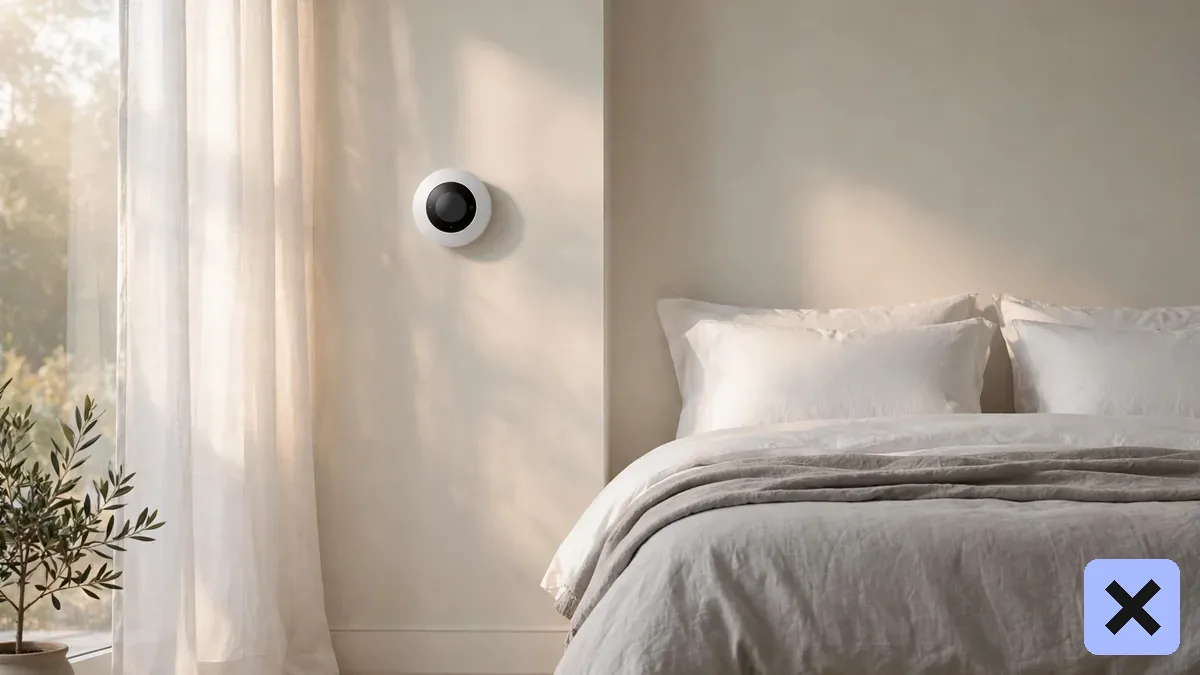
The Best Smart Thermostats for Small Homes 2026 bring comfort and real energy savings to compact spaces. A small home heats and cools fast, and wastes energy when the temperature is even a few degrees off, so the right thermostat matters more here than in a sprawling house. The best models learn your routine, hold a steady temperature, and pay for themselves.
Choosing well is not about buying the most expensive thermostat on the shelf. It is about matching the device to a smaller footprint, a simpler heating system, and the way you actually live. Some homes have a single furnace and no C-wire, others run on a heat pump or electric baseboards, and many owners simply want one that works well with a phone and a voice assistant.
This guide covers the strongest options for 2026, what each one does best, and how to pick the right fit, judged on what matters most in a small space: accurate control, easy installation, smart scheduling, energy savings, and a fair price.
Key takeaways
- Fast learning schedules and precise sensors matter most in compact spaces, where temperatures change quickly.
- Check for a C-wire before buying; many older small homes lack one.
- Geofencing and occupancy sensing cut costs when the house sits empty during the workday.
- One well-placed thermostat usually covers a small home, so extra room sensors are often optional.
- Voice and app control matter more when the thermostat sits in the hallway.
Why Small Homes Need a Different Kind of Thermostat
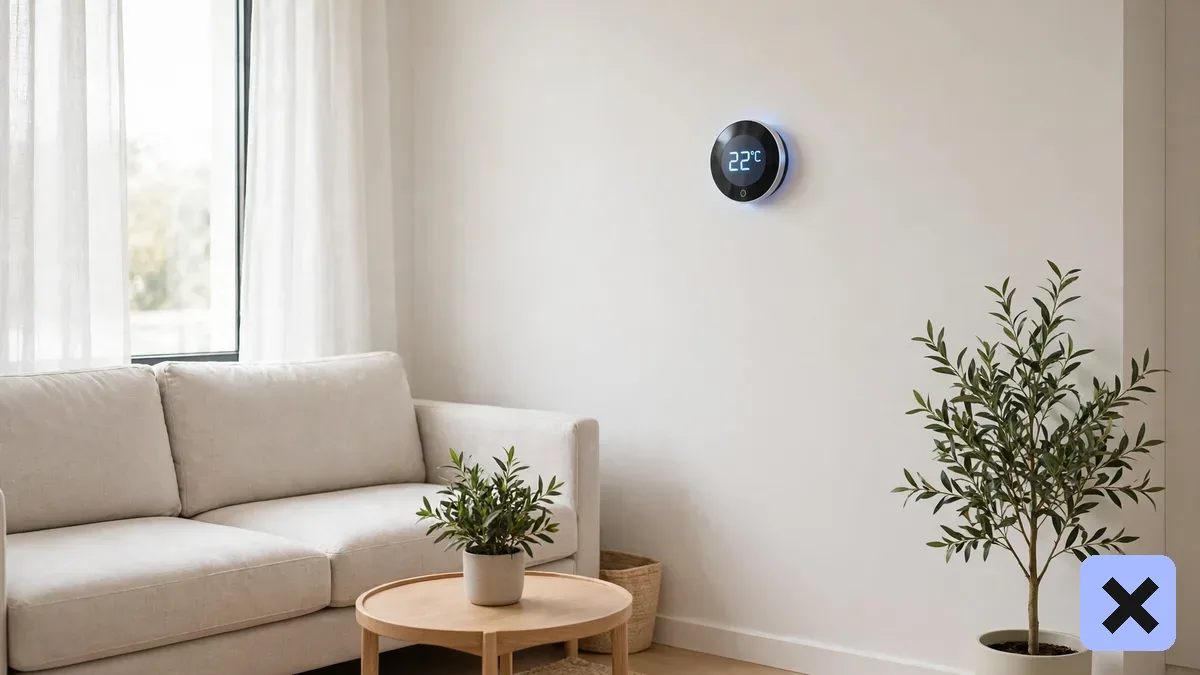
A small home is not simply a large home with fewer rooms: a single sunny window can warm the whole living area in an afternoon, a cold night can chill every room at once, and a thermostat that overshoots by two degrees is felt everywhere immediately. That sensitivity is exactly why a smart thermostat earns its keep in a compact home. Small homes are also the easiest places to get smart heating right: one heating system, one main zone, and a single thermostat can manage the whole home. The exception is a bedroom that runs hotter or colder than the rest, which a thermostat with one or two wireless room sensors can fix by prioritizing the bedroom at night.
Temperatures Change Faster in Compact Spaces
In a home of 600 to 1,200 square feet, less air volume buffers temperature swings. Cooking dinner can raise the kitchen by several degrees, and an open door lets cold air reach every room. A smart thermostat that samples temperature often and adjusts in small steps keeps the home steady. Look for responsive sensors and learning algorithms that adapt to how quickly your home gains and loses heat.
The Best Smart Thermostats for Small Homes in 2026
The thermostats below are the strongest choices for small homes this year, each earning its place for a different reason: energy savings, simplicity, smart home integration, or value.
Best Overall: The Learning Thermostat That Does the Thinking
The best overall smart thermostat for a small home learns your routine and then quietly takes over. After a week or two, it builds a schedule around when you wake, leave, return, and sleep. Geofencing detects when the house is empty and eases off heating or cooling until you are on your way back. In a small home this works especially well, since the schedule is usually simple and predictable. Monthly energy reports show your savings, which tend to be larger in small homes.
Best for Energy Savings: The Thermostat That Pays for Itself
If your main goal is a lower energy bill, choose one built around efficiency. The strongest models combine occupancy sensing, smart scheduling, and usage reports. An eco mode nudges the temperature a degree or two when you are away, saving energy without making the home uncomfortable. In a small home, a 10 to 15 percent reduction is a meaningful share of the bill, so the thermostat pays for itself sooner.
Best Budget Pick: Smart Comfort Without the Premium Price
A small home does not need a flagship thermostat. The best budget models cover the essentials, app control, voice control, scheduling, and energy reports, at about half the price of premium models. The display is simpler and the learning less advanced, but day-to-day use feels remarkably close. Budget models suit small homes well because the features you give up matter less here: you are unlikely to need multi-zone support, and a straightforward schedule often works as well as a learning algorithm. Check compatibility carefully, because some budget models require a C-wire with no adapter included.
Best for Smart Home Fans: The Hub of a Connected Home
For households already invested in a smart home ecosystem, the best thermostat plays nicely with everything else. The strongest options integrate with voice assistants and automation platforms, so the thermostat works with your lights, locks, and plugs. A good morning routine can raise the temperature, turn on the lights, and start the coffee maker with a single command. Small homes suit this setup well, because every device is within a few steps and one Wi-Fi network covers the whole house. If you already use smart plugs to control heaters and fans, a thermostat on the same platform brings the whole system together. Our guide to the best smart plugs for home automation pairs naturally with any thermostat on this list.
Best for Renters: Simple, Flexible, and Easy to Remove
Renters have different needs from homeowners. The thermostat must install without modifying wiring, remove easily when moving out, and work with the heating system the landlord provides. The best renter-friendly models install in minutes, need no permanent changes, and let you restore the original at the end of a lease. Always check with your landlord first, and keep the original unit safe for reinstallation. Many landlords approve the change because a smart thermostat protects their property from frozen pipes and excessive energy use. Our roundup of the best smart thermostats for apartments covers renter-friendly installation and landlord approval in more depth.
Smart Thermostat Comparison for Small Homes
The table below compares the leading picks side by side; prices vary by retailer and season, so treat the price range as a guide.
| Thermostat | Best For | C-Wire Needed | Room Sensors | Voice Control | Price Range |
|---|---|---|---|---|---|
| Learning Thermostat | Overall comfort | Adapter available | Yes | Alexa, Google, Siri | $200–$250 |
| Energy-Saving | Lower bills | Adapter available | Yes | Alexa, Google | $170–$220 |
| Budget | Value | Yes | No | Alexa, Google | $90–$130 |
| Smart Home Hub | Connected homes | Adapter available | Yes | Alexa, Google, Siri | $180–$240 |
| Renter-Friendly | Renters, apartments | No | No | Alexa, Google | $100–$150 |
For most small homes, the learning thermostat or the energy-saving model is the sweet spot: both pay for themselves through lower bills. The budget pick suits simple systems, while the renter-friendly model is safest when you cannot modify wiring.
How to Choose the Right Thermostat for a Small Home
Work through these practical questions before you buy.
Check Your Heating System First
First, check what kind of heating and cooling system your home uses. Most smart thermostats support conventional forced-air systems, and many support heat pumps. Electric baseboard heating, line-voltage systems, and some older boilers need a specialized thermostat, so confirm compatibility on the manufacturer’s checker before ordering. A small home usually has a single-stage system, which every smart thermostat handles.
Look for the C-Wire
The C-wire supplies continuous power to a smart thermostat. Many homes built in the last twenty years have one, while older small homes often do not. Turn off the power, remove your current thermostat, and look for a wire on the C terminal. If it is there, almost every smart thermostat will work. If not, choose a model with a power adapter kit or one that works without a C-wire. Do not skip this check: a missing C-wire is the most common reason an installation stalls.
Match the Features to Your Routine
A household that leaves for work at the same time every day gets the most from a learning thermostat and geofencing. An irregular schedule benefits more from remote app control and quick manual adjustments, while a household with someone home all day needs precise temperature holding. The best thermostat is not the one with the longest feature list, but the one whose features match your daily life.
Installation and Setup in a Small Home
Installing a smart thermostat is one of the easiest smart home upgrades. Most installs take under an hour, need only a screwdriver and a phone, and require no changes to the heating system: the thermostat mounts where the old one sat, uses the same wires, and connects to Wi-Fi through a guided app setup.
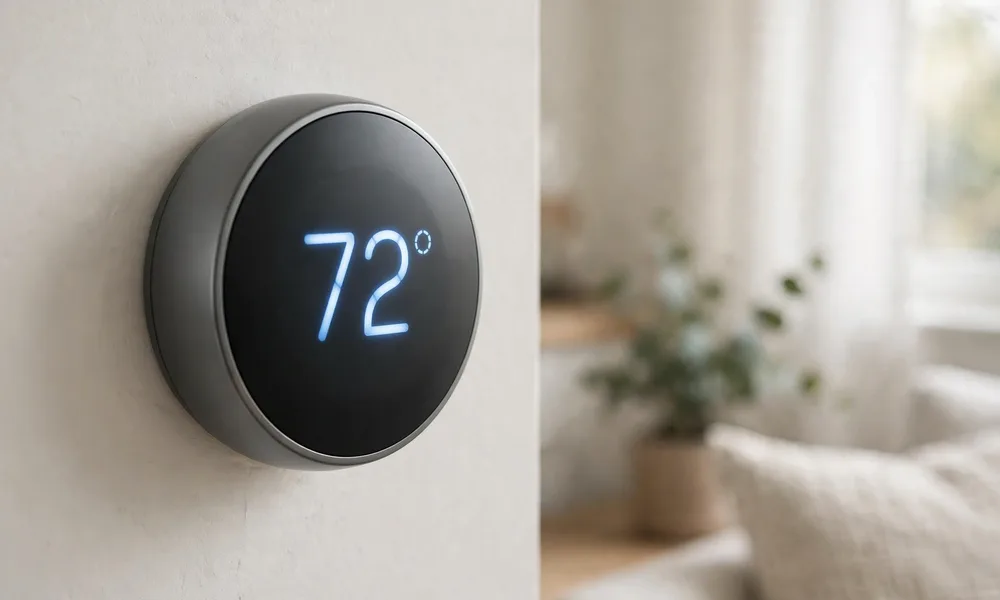
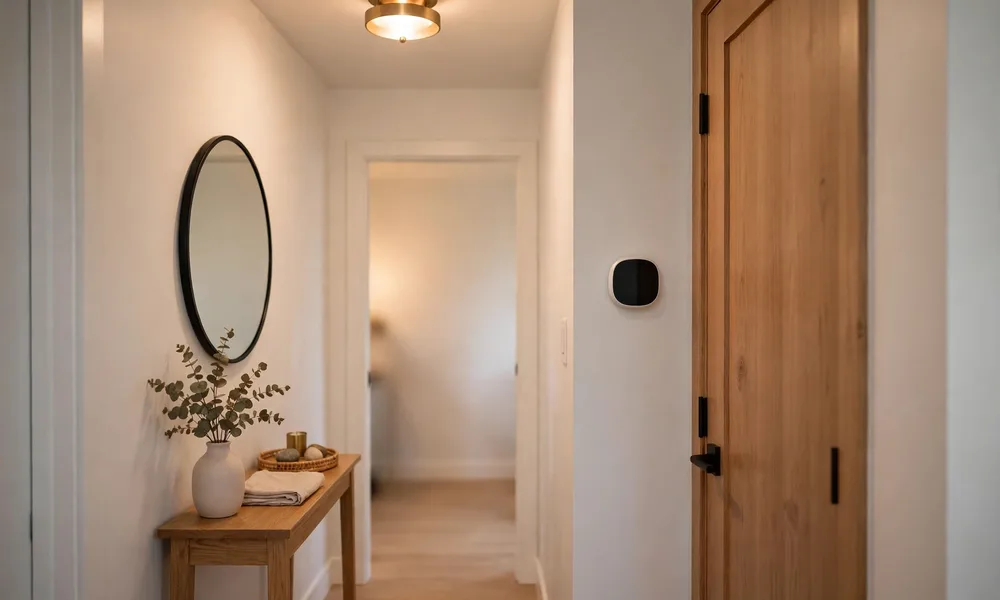
Placement matters. The thermostat should sit on an interior wall in a central location, away from direct sunlight, drafts, doorways, and heat sources such as lamps and kitchen appliances. In a small home, the hallway outside the bedrooms or the main living area is usually best, because it reflects the average temperature of the whole home.
After installation, give the thermostat a week to learn your home. Resist constant adjustments during this period; steady use teaches the system faster than frequent overrides. If your home is larger than a typical small home, our guide to the best smart thermostats for homes covers models with stronger multi-room support.
Checklist Before You Buy
Run through this checklist before ordering.
- Confirm your heating system type with the thermostat compatibility tool.
- Open your current thermostat and check for a C-wire.
- Check Wi-Fi strength at the thermostat location, since a weak signal causes delays.
- Decide whether you need a room sensor for a bedroom that runs hot or cold.
- Check that it works with the voice assistant and platform you already use.
- Confirm the return policy in case the model does not suit you.

Frequently Asked Questions
Do smart thermostats really save money in a small home?
Yes, often proportionally more than in a large home. A small home heats and cools quickly, so a smart thermostat cuts waste by lowering the temperature when the house is empty and restoring comfort just before you return. Many households save 10 to 15 percent on heating and cooling.
Can I install a smart thermostat myself?
Most homeowners can install one in under an hour with a screwdriver and the app setup. The main requirement is a compatible heating system and, for most models, a C-wire or an adapter kit. If your wiring looks unusual, hire a professional.
What if my small home has no C-wire?
Choose a thermostat with a power adapter kit, or a model designed to work without a C-wire. Some thermostats draw power from the heating system itself, although this can cause unexpected cycling. A power adapter kit is more reliable and usually inexpensive.
Do I need room sensors in a small home?
Usually not. One well-placed thermostat covers most small homes, since the temperature is fairly even across a compact space. Add a room sensor only when one room, typically a bedroom, runs noticeably hotter or colder.
Will a smart thermostat work if my Wi-Fi goes down?
Yes. It keeps heating and cooling your home on its stored schedule even when Wi-Fi is unavailable. You lose remote control and voice commands until the connection returns, but basic heating and cooling keep working.
How long does a smart thermostat last?
A good smart thermostat typically lasts ten years or more. The hardware is simple and durable, and manufacturers provide software updates that add features over time. Most people replace one to upgrade, not because it failed.
The Bottom Line
The Best Smart Thermostats for Small Homes 2026 prove that a compact home does not need a complicated setup to stay comfortable and efficient. A learning thermostat is the best overall choice, an energy-focused model pays for itself fastest, and a budget pick delivers the essentials at a friendly price. Check your heating system and C-wire first, place the thermostat centrally, and give it a week to learn. Do that, and your small home will stay comfortable all year while your bills shrink.