The best utility knives for everyday cutting in 2026 are the tools you reach for a dozen times a day without thinking: opening delivery boxes, trimming rope, cutting carpet, scoring drywall, slicing open a bag of compost. A good utility knife disappears into the job. The blade is sharp, the handle sits comfortably in your palm, the blade change takes seconds, and the lock holds solidly. A bad one flexes under pressure, the blade wobbles, the lock gives way, and a simple cut turns into a hunt for a plaster.
Choosing the right utility knife is not about buying the sharpest blade on the shelf. It is about matching the knife to the cutting you actually do, because a warehouse worker opening fifty boxes a shift needs a different tool from a homeowner who opens the occasional parcel. This guide compares the strongest utility knives of 2026 and helps you pick one that stays sharp, stays safe, and lasts for years.
Key Takeaways
- A retractable utility knife with a solid lock is the safest everyday choice, because the blade hides away the moment you finish cutting.
- Trapezoidal blades suit heavy, straight cuts, while snap-off blades stay sharp longer because you simply break off a dull section.
- A comfortable, non-slip grip matters more than blade steel for everyday use, because a knife that hurts your hand will not get used properly.
- Quick, tool-free blade changes keep you cutting safely instead of forcing a blunt blade through the job.
- Keep spare blades on hand and store the knife retracted, because a blunt blade is more dangerous than a sharp one.
What Makes a Utility Knife Different
A utility knife is a working knife, not a kitchen knife. It is built for cutting boxes, rope, carpet, plastic strapping, drywall, and packaging, and every part of its design reflects that job. The blade is short, stiff, and replaceable, and the handle is made to be gripped hard for long stretches. The best ones survive years of hard use.
Utility Knives vs Chef Knives
The confusion is understandable, but the two are built for different worlds. A chef knife has a long, fixed blade for slicing food on a board, and it needs regular honing and careful storage. A utility knife has a short, replaceable blade for tough, dirty materials, and when the edge goes dull you swap the blade rather than sharpen it. If you want a great kitchen blade, our guide to the best chef knives of 2026 covers that world.
Retractable vs Fixed Blades
Most everyday utility knives are retractable: a slider pushes the blade out and pulls it back into the handle when you are done. They are safer to carry and store, and they let you set the blade length to match the cut, which matters when you are opening a box and do not want to slice what is inside. Fixed-blade utility knives feel more solid for heavy cutting, but they need a sheath.

How We Judged the Best Utility Knives
We judged every knife the way it actually gets used: opening boxes, cutting rope and strapping, trimming carpet and vinyl, scoring plasterboard, and slicing through thick plastic packaging. Sharpness out of the box mattered, but so did how long the edge lasted and how the knife felt after an hour of use.
Build quality came first: a solid lock that never slips, a blade channel with no wobble, and a handle that stays comfortable and grippy even with sweaty or dusty hands. Next came blade changing, because the best knives swap blades in seconds without tools. We also weighed blade availability, since a knife that takes a rare blade is a bad buy, and value, the price measured against the years of use you can expect.
The Best Utility Knives of 2026
Five knives stood out in 2026, covering every budget and every kind of everyday cutting. All of them share the same qualities: a sharp blade, a solid lock, a comfortable grip, and blades you can buy anywhere.
| Knife | Blade type | Best for | Blade change |
|---|---|---|---|
| Heavy-Duty Retractable | Trapezoidal | Site and workshop work | Tool-free |
| Compact Pocket Utility | Trapezoidal | Everyday carry | Tool-free |
| Snap-Off Work Knife | Snap-off 18mm | Long cutting sessions | Break-off segments |
| Auto-Retract Safety Knife | Trapezoidal | Warehouses and shared use | Tool-free |
| Folding Utility Knife | Trapezoidal | Pocket carry and site work | Tool-free |
The Heavy-Duty Retractable
The heavy-duty retractable is the workhorse of the group. Its thick metal body shrugs off drops onto concrete, its lock holds the blade rock solid, and its fat rubberised grip stays comfortable through a full day of cutting. If you cut for a living, start here.
The Compact Pocket Utility
The compact pocket knife is the one you forget you are carrying until you need it. It is short, light, and clips neatly into a pocket, yet it takes the same standard trapezoidal blades as the big knives, so you never hunt for a special refill. For parcels and cord it is hard to beat.
The Snap-Off Work Knife
The snap-off knife is the choice for long sessions where the blade dulls fast. Instead of swapping the whole blade, you snap off the blunt tip and a fresh, sharp section appears. The slim handle slides easily into a pocket or tool belt, but the thin blade flexes under sideways pressure, so keep it for straight cuts.
The Auto-Retract Safety Knife
The auto-retract knife is the safest knife in this guide. The blade springs back into the handle the moment you lift it from the cut, which makes it the right choice for warehouses and shared toolboxes. It takes a little getting used to, but that small habit is what keeps fingers safe.
The Folding Utility Knife
The folding utility knife combines the safety of a pocket knife with the cutting power of a fixed blade. It folds shut like a penknife, locks open solidly, and takes standard blades. It is the best choice if you want one knife that works on site and carries comfortably in a pocket.

Blade Types Explained
The blade is the heart of a utility knife, and the two main types suit different jobs. The wrong blade makes even a good knife feel useless.
Trapezoidal Blades
The trapezoidal blade is the standard utility blade: short, wide, stiff, and cheap, and sold everywhere. It comes in standard and heavy-duty versions, and some have a hooked tip for carpet or a serrated edge for rope. When the edge dulls, reverse the blade to use the fresh end, then replace it. A pack of a hundred costs very little, so never keep cutting with a blunt one.
Snap-Off Blades
Snap-off blades are long, thin blades scored into segments, usually 9mm or 18mm wide. When the tip dulls, you snap it off and a new sharp section is ready. They are brilliant for long, straight cuts through carpet, vinyl, and plasterboard. The thin blade can snap if you twist it, so they suit controlled cutting rather than prying.
Safety: How to Cut Without Cutting Yourself
Utility knives are safe tools when used properly. Always cut away from your body, and never hold what you are cutting in the line of the blade. Keep your free hand behind the cutting edge. Extend only as much blade as the job needs: a long blade is a wobbly blade. Retract the blade the moment you finish the cut, even if you are only putting the knife down for a second.
Change blades often. A blunt blade needs more force, and more force means less control, which is exactly how cuts happen. A sharp blade does the work with a light touch. If you want to keep your other blades sharp too, our guide to the best knife sharpeners of 2026 covers the tools that bring a dull edge back. Always hand a knife over handle first, blade retracted.
Everyday Jobs a Utility Knife Handles Best
A utility knife earns its place by handling the small cutting jobs no other tool does well. Opening delivery boxes is the obvious one: a single score along the tape opens the box without damaging what is inside. Cutting rope, twine, and plastic strapping is another, because the sharp edge slices cleanly where scissors would chew and fray.
Around the house, a utility knife trims wallpaper, cuts carpet tiles to size, scores plasterboard, opens bags of compost and pet food, and cuts vinyl flooring to fit. In the garden it trims twine and cuts landscape fabric. It is the tool that turns a fiddly job into a thirty-second one. If you are building a toolbox, our round-up of the best vs worst knives of 2026 shows how different knives suit different jobs.
Buying Checklist
- Check the lock first: extend the blade and push it sideways and backwards, because any wobble or slip is a reason to put the knife back.
- Hold the knife in your hand for a full minute and squeeze it firmly, because a grip that feels fine for ten seconds can ache after an hour.
- Confirm the knife takes standard trapezoidal blades, so you can buy refills anywhere instead of hunting for a special size.
- Test the blade change in the shop if you can, because a tool-free change you can do in seconds is worth paying more for.
- Look for a blade storage compartment in the handle, so spare blades travel with the knife.
- Choose a bright handle if the knife will live on a busy site, because a knife you can spot is a knife you will not lose.
Frequently Asked Questions
What is the best utility knife for everyday use?
For most people, a mid-sized retractable knife with a metal body, a solid lock, and tool-free blade changes is the best everyday choice. It is strong enough for workshop jobs and cheap enough to replace if it is lost.
Are snap-off blades better than trapezoidal blades?
Neither is better in general. Snap-off blades stay sharp longer in long sessions because you can refresh the edge in seconds, while trapezoidal blades are stiffer and stronger for heavy, short cuts. Choose snap-off for carpet and decorating, trapezoidal for boxes and general work.
How often should I change a utility knife blade?
Change it as soon as it starts to drag, tear, or need extra force. For light household use that might be every few months; for site work it might be every day. Blades are cheap, and a fresh blade is always safer than a dull one.
Can I carry a utility knife in my pocket?
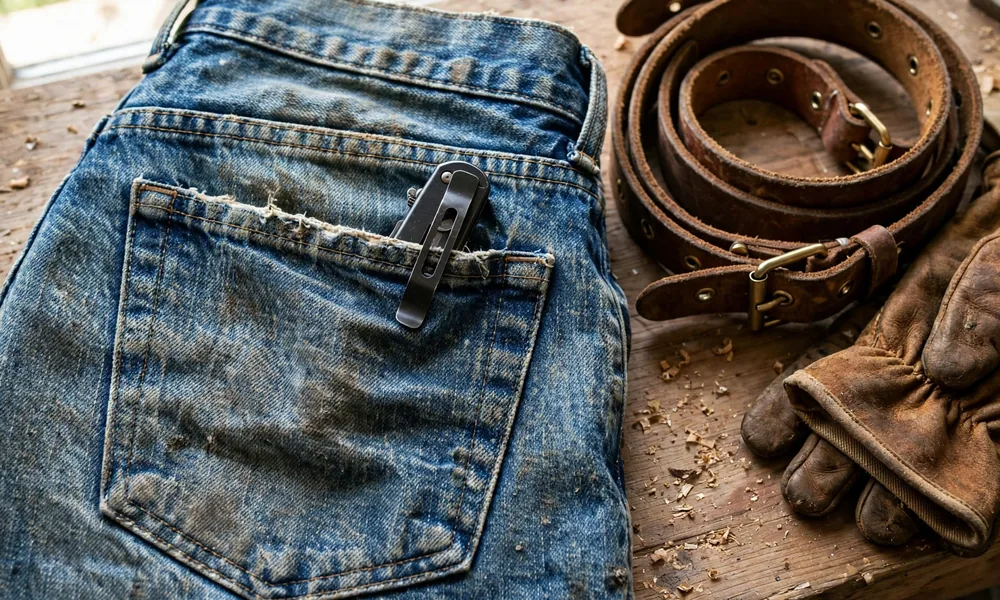
A retractable or folding utility knife with the blade fully closed is designed to be carried in a pocket or a tool belt, and a pocket clip keeps it secure. Check the rules for your workplace and your local area, because some places restrict carrying blades even for work.
What should I do with used utility blades?
Wrap used blades in tape or put them in a sharps container, and never throw a loose blade into a bin where someone could reach in and cut themselves. Many blade packs come with a used-blade compartment for exactly this reason.
Is a cheap utility knife good enough?
For light household use, yes: a cheap knife with standard blades will open boxes perfectly well. For daily or heavy use, spend more on a solid metal body and a reliable lock, because a cheap knife that flexes or slips is a false economy.
The Bottom Line
The best utility knife for everyday cutting in 2026 is the one that fits your hand, locks solidly, takes standard blades, and changes them without tools. Buy the heavy-duty retractable if you cut for a living, the compact pocket knife if you want one in your pocket every day, and the snap-off knife if you cut carpet and vinyl for hours at a time. Keep the blade sharp, retract it when you are done, and cut away from your body.