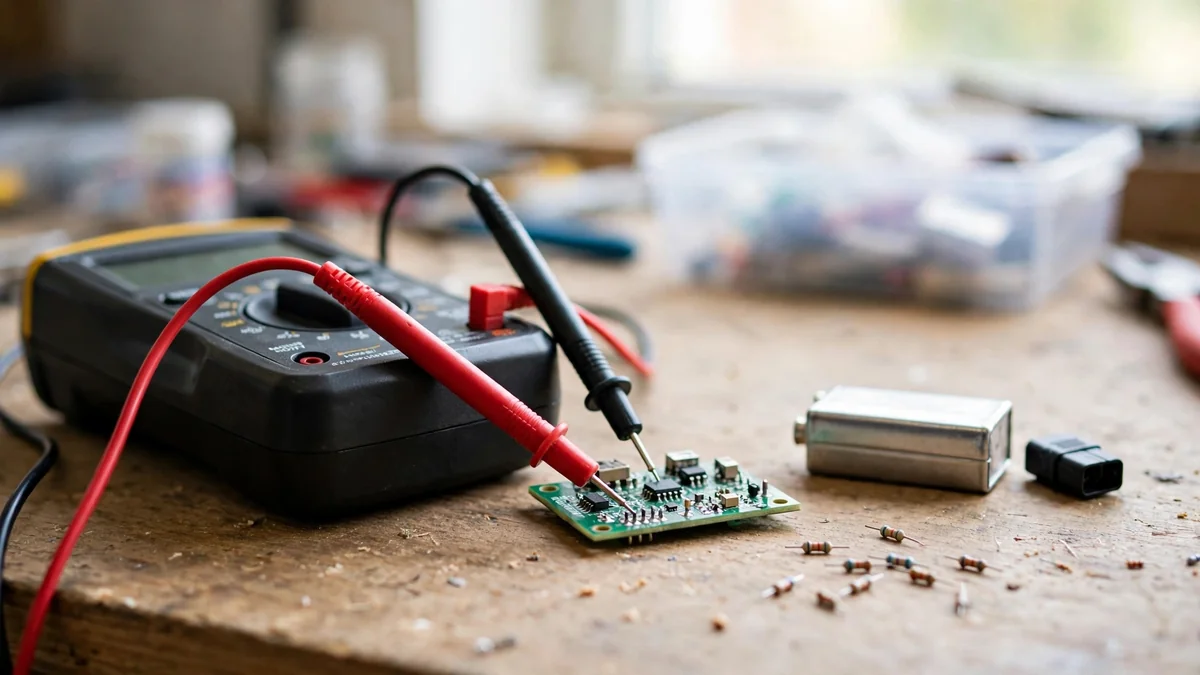
A car battery is the most taken-for-granted part of your car until the morning it gives up. You turn the key, or press the button, and instead of the engine catching you hear a slow, tired crank, a clicking sound, or nothing at all. There is no warning the day before. One day the car starts as it always has, and the next day it does not, and you are late for work or stranded in a car park with somewhere to be.
This comparison puts the best car batteries of 2026 head to head against the worst, judged the way you would actually live with one: starting the car on a freezing morning, sitting in traffic with the heater and lights on, and leaving the car parked for a fortnight while you are away. The best and worst tyre inflators of 2026 teach the same lesson in a different part of the car: the tools that save you are the ones that work on the worst day, not the best one.
Key Takeaways
- A good battery cranks strongly in the cold, because cold weather is when a weak battery fails and when you need it most.
- Reserve capacity matters as much as starting power, since it decides how long your lights and heater can run with the engine off.
- AGM batteries suit modern cars with stop-start systems, while a standard flooded battery is fine for an older car without one.
- Corroded terminals and a loose hold-down clamp kill good batteries early, so a cheap battery fitted properly often outlasts an expensive one fitted badly.
- The worst batteries fail slowly first: slower cranking, dimmer lights, and a car that needs a jump after sitting for a few days.
How a Car Battery Actually Works
A car battery is a box of lead plates sitting in acid, and its job is to deliver a huge burst of power for a few seconds and then quietly recharge while you drive. Turn the key and the battery sends hundreds of amps to the starter motor, which turns the engine over until it catches. Once the engine is running, the alternator takes over, powering the lights, the heater and the radio, and topping the battery back up for the next start.
The numbers on the label tell you how well it does that job. Cold cranking amps, or CCA, measure how much current the battery can deliver at freezing temperatures, and a higher number means a stronger, faster start on a cold morning. Reserve capacity measures how many minutes the battery can run the car’s essentials if the alternator fails. Group size tells you whether the battery physically fits your car, and getting it wrong means the terminals are in the wrong place or the clamp cannot hold it down.
There are two main types on sale in 2026. A flooded lead-acid battery is the traditional kind, with liquid acid inside, and it suits older cars with simple electrics. An AGM battery holds the acid in fibreglass mats instead of liquid, and it handles repeated charging and discharging far better. That matters in a modern stop-start car, which restarts its engine dozens of times a day.

The Best Car Batteries of 2026
The best car batteries share a simple quality: you forget they are there. The car starts first time in January, the lights stay bright at idle, and the battery still behaves the same way in its fourth year as it did in its first.
Strong Cold Starts, Every Morning
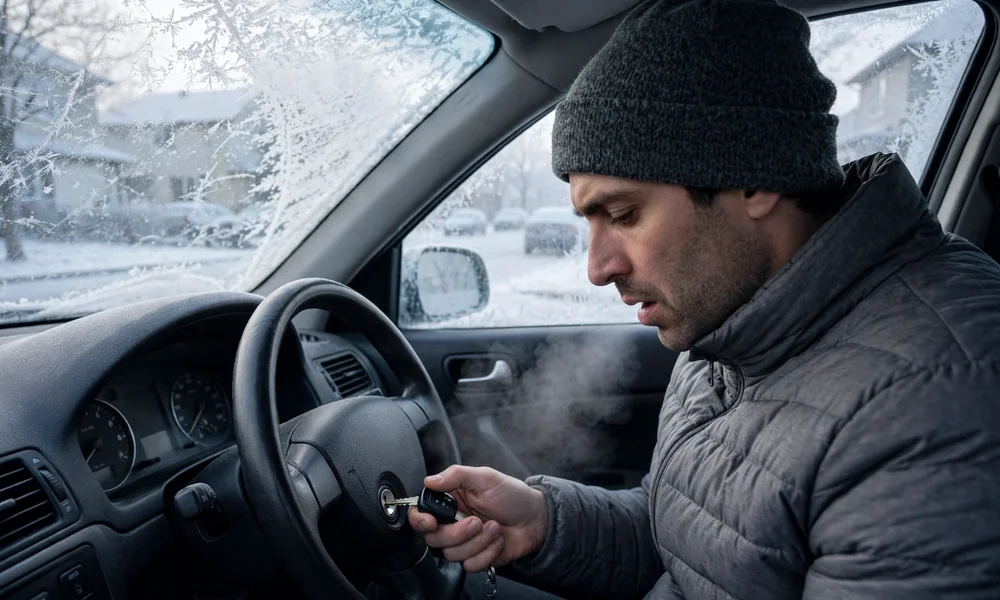
The best batteries of 2026 deliver their full cold cranking amps even when the temperature drops below freezing, and that is the test that matters most. A battery loses a large part of its power in the cold, while the engine needs more power to turn over because the oil has thickened, so a weak battery that copes in summer gives up in winter. A good battery has enough CCA in reserve that the cold barely shows: the starter spins fast, the engine catches quickly, and there is no slow, labouring crank that makes you wonder whether this is the morning it fails.
That reserve is worth paying for, because a battery with a generous CCA rating is not working at its limit on a normal day. The cheapest batteries are usually rated just high enough for the car they are sold for, with no margin at all, so the first cold week of the year is often the week they die.
Reserve Capacity That Covers Real Life
Reserve capacity is the number buyers most often ignore and most often regret ignoring. It is the battery’s stamina: how long it can keep the car’s essentials running with the engine off. A battery with a long reserve keeps your hazard lights going if you break down, runs the radio while you wait for help, and survives a weekend of the car sitting unused without going flat.
This matters more than it used to, because modern cars draw power even when they are parked. Alarms, keyless entry and dashboard computers all sip a small current around the clock, and a battery with a thin reserve goes flat after a week or two of standing. A good battery can sit far longer and still start the car.
Built to Last, and Honest About It
The best batteries are also honest about their lifespan. A good flooded battery should last four to five years in normal use, and a good AGM battery often lasts longer, and the best manufacturers back that with a warranty that actually means something. A one-year warranty quietly tells you not to expect much more than a year.
Build quality shows in the details. Thick plates last longer and a solid case resists vibration, but none of this is visible on the shelf, which is why the warranty and the maker’s reputation matter more than the label. The best and worst portable power stations of 2026 follow the same rule: capacity on the box is only half the story, and the quality of the cells inside decides how long it lasts.
The Worst Car Batteries of 2026
The worst car batteries share the opposite quality: they make themselves known at the worst possible moment. They start fine for a few months, then the cranking gets slower, the lights get dimmer, and one cold morning the car simply refuses.
Weak Cold Cranking That Fails in Winter
The most common failure of a bad battery is weak cold cranking, and it is the cruellest kind of failure because it hides all summer. In warm weather the engine turns over easily and the battery seems fine, so nothing warns you that it has almost no reserve. Then the first frost arrives, the battery’s power drops by a third, the thickened oil demands more from the starter, and the battery cannot deliver. The engine turns over once, slowly, and stops.
Cheap batteries are the worst offenders, because their CCA rating is often measured generously and their plates are thin. Thin plates give a strong reading when the battery is new, which looks good on the shelf, but they shed material quickly and lose capacity within a year or two. Eighteen months later the battery cannot start your car, and the short warranty has expired.
Corrosion, Swelling and Short Lives
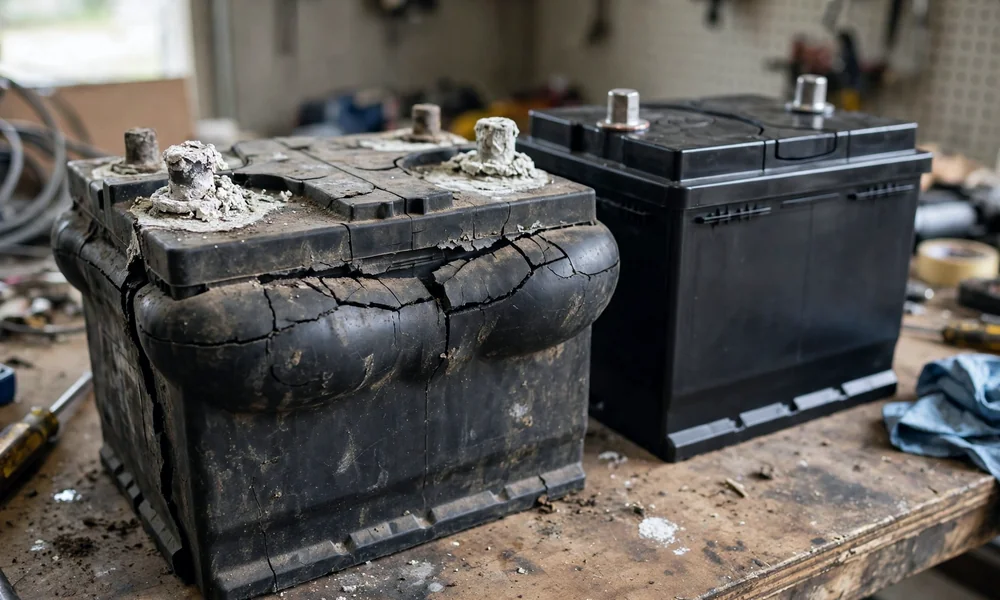
The worst batteries also fail in ways a good battery never does. Corrosion creeps across the terminals as a white or green crust, and it does more damage than it looks like it should: it adds resistance between the battery and the cables, so the starter gets less power even when the battery itself is charged.
Swelling is the other warning sign, and it is the one you should never ignore. A battery case that bulges at the sides has been overcharged, frozen, or cooked by heat under the bonnet, and a swollen battery is already damaged inside. A swollen battery can leak acid onto the tray and wiring around it. If your battery looks swollen, it is done, and it needs replacing before it damages something more expensive than itself.
Best vs Worst at a Glance
Put the two sides next to each other and the difference is not one big thing but a dozen small ones that add up. The best batteries crank strongly in the cold, hold a generous reserve, resist vibration and corrosion, and last four years or more with a warranty to match. The worst crank weakly when the temperature drops, go flat after a week of standing, corrode at the terminals, swell in the heat, and die just after their short warranty runs out.
The price gap between the two is smaller than the cost gap. A good battery costs more on the day you buy it, but a bad battery costs you a second battery, a call-out fee, a missed day of work, and the slow dread of wondering whether the car will start. The best batteries are the cheapest per year of service, because they last twice as long.
The Verdict
The verdict is clear: buy the best battery your car can take, and buy it for the worst morning of the year, not the easiest. Choose the right group size and the right type, AGM for a stop-start car and flooded for an older one, pick a CCA rating comfortably above what your car needs, and favour a long warranty from a maker with a reputation to protect. The best car battery is the one you never have to think about, and the worst is the one you think about every cold morning until it finally strands you.
Who Each Battery Is For
Best for Commuters and Cold Climates
If you drive every day, park outside, or live somewhere with real winters, the best battery is not a luxury but a necessity. You need strong cold cranking, generous reserve capacity, and a battery that tolerates short trips and cold starts without complaint.
Best for Cars That Sit Unused
If your car spends weeks in the garage, reserve capacity is your most important number. A good battery with a long reserve will still start the car after a fortnight away, while a cheap one will be flat before you get back. Check the voltage before a long trip rather than discovering the problem far from home.
Worst for Nobody, Except a Car About to Be Sold
The worst batteries suit exactly one situation: a car you are selling within the year, where you need it to start for viewings and test drives and nothing more. For every other driver, a bad battery is a bad buy, and the money saved on the shelf is spent again on call-outs, jump starts and an early replacement. The best and worst car vacuums of 2026 make the same point in miniature: the cheapest tool in the category is the one you end up replacing first.
A battery is a small purchase with an outsized effect on your week, and getting it right is mostly a matter of refusing the cheapest option and checking three numbers: the group size, the cold cranking amps, and the warranty.