
A dress is the one garment that has to do everything on its own. There is no jacket to hide behind and no second layer to rescue a bad cut, so the best dresses of 2026 earn their place by fitting properly, moving well, and still looking good at the end of a long day. The worst dresses do the opposite. They pull across the shoulders, ride up when you walk, gap at the bust, and within a few washes they look tired enough to be demoted to gardening clothes.
This comparison puts the best dresses of 2026 head to head against the worst, judging them the way you would actually wear them: pulled on for a work morning, worn through a wedding afternoon, washed for the twentieth time, and thrown on for a last-minute dinner. We look at fabric, fit, construction, comfort, and whether the dress still looks good after a season of hard wear. The same honest approach sits behind our comparison of the best and worst sweaters of 2026, which shows how the same rules decide which knits last and which ones fall apart.
Key Takeaways
- Judge a dress by its fabric and its fit, not by its price tag or its label.
- A well-cut dress in a good fabric will outlast three cheap ones.
- Gaping necklines, puckered seams, and a hem that will not hang straight are the first signs of a dress built to a price.
- Fit matters as much as fabric: too tight and it pulls, too loose and it swallows you.
- Buy the dress for the life you actually live, not for the one in the advertisement.
What Makes a Dress Good or Bad
A good dress starts with fabric. The best dresses of 2026 are made from fabrics with real substance: cotton poplin that holds a shape, linen blends that breathe on a hot day, viscose crepe that drapes without clinging, and wool crepe that falls cleanly and resists creasing. The fabric has enough weight to hang properly, and the inside is finished with a lining or clean seams that feel smooth against the skin. The worst dresses are made from thin, flimsy fabric that feels cheap the moment you pick it up, often a shiny polyester that clings in the wrong places, goes static in dry weather, and starts to pill within a few wears.
The second thing that separates good from bad is construction. Look at the seams: a good dress has straight, even stitching, a zip that sits flat and does not pucker, and a hem that hangs level all the way round. The waist seam sits where your waist actually is, the bodice is shaped with darts or panels rather than pulled flat, and the armholes are cut so you can raise your arms without the whole dress riding up. A bad dress has wavy seams, a zip that bulges, and a hem that dips at the sides, which is a fair warning that the pattern was never properly fitted.
Fit is the third test, and it is the one most buyers get wrong. A good dress fits at the shoulders first, because everything else hangs from them: the neckline sits flat, the bust does not gap when you sit down, and the skirt falls from the waist without pulling across the hips. It is long enough to sit comfortably in, and short enough to walk in without tripping. A bad dress is either cut too tight across the bust and hips, so every step pulls the hem up, or so loose and shapeless that it hides you entirely and looks like a sack.
The Best Dresses of 2026
The best dresses of 2026 are mostly the quiet ones, and that is exactly the point. They are the simple shirt dresses in navy and stone, the wrap dresses that actually wrap, and the plain midi dresses in black, olive, and soft blue that go with everything and never look out of place. They have pockets that are deep enough to use, sleeves that end where sleeves should, and a length that works with flat shoes as well as heels. They are not the loudest dresses on the rail, but they are the ones their owners reach for every single day.

What the best dresses share is a feeling of ease. The fabric moves with you instead of fighting you, the waist sits where it should, and the skirt swings when you walk rather than clinging to your legs. They are comfortable enough to wear all day, from a morning meeting to an evening out, without needing to be adjusted every ten minutes. The best ones also wash well, coming out of the machine looking the same as they went in, with no shrinking, no twisting, and no faded patches.
The Worst Dresses of 2026
The worst dresses of 2026 are not always the cheapest, and that is what makes them so frustrating. Some look lovely on the hanger and come with a fashionable cut or a bold print, but within a few wears the problems start: the fabric pills under the arms, the neckline gapes when you bend over, and the hem goes wavy after the first wash. Owners find themselves reaching for them less and less, until they end up at the back of the wardrobe.
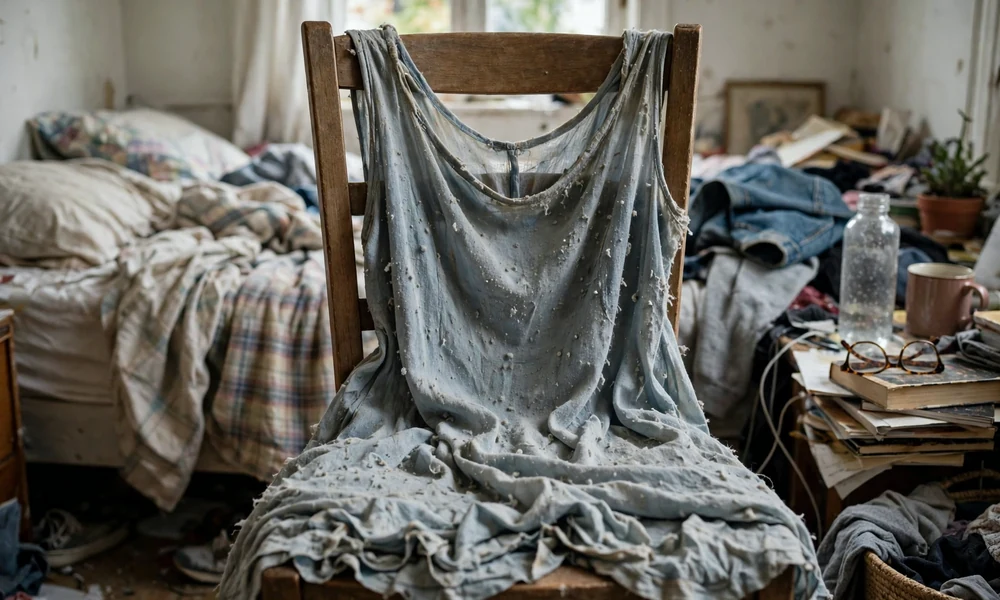
Comfort is where many of the worst dresses fall down hardest. They are often made from stiff, scratchy fabric that irritates the skin, or from thin material that is see-through in daylight, so you end up needing a slip underneath just to leave the house. Some have armholes cut so high that you cannot lift your arms, and others have zips at the back that you cannot reach on your own. A dress that is uncomfortable to wear has failed at its one basic job, however good it looks in photographs.
Then there is the way they age. The worst dresses shrink unevenly in the wash, so the sleeves end up too short and the skirt too wide, or the whole thing twists so the side seams sit at the front. Colours fade fast, especially black, which turns grey after a handful of washes, and prints crack and peel. A dress that cannot survive twenty washes is not a bargain at any price, because you will be buying its replacement within months.
Fit, Fabric, and the Details That Decide It
Fabric choice is the other half of the decision. Natural fibres are the classic for a reason: cotton breathes, linen keeps you cool, and wool drapes beautifully in cooler weather. Viscose and Tencel can work well when the fabric is good quality, giving a soft drape that flatters most figures, but a cheap viscose will go limp and shapeless after a few washes. Blends can work too when the natural fibre content is high, adding a little durability and easier care, but a blend that is mostly polyester will feel clammy, attract static, and pill faster. The same care with fabric applies to the rest of your wardrobe, and our comparison of the best and worst jackets of 2026 explains which outer layers work best over a good dress.
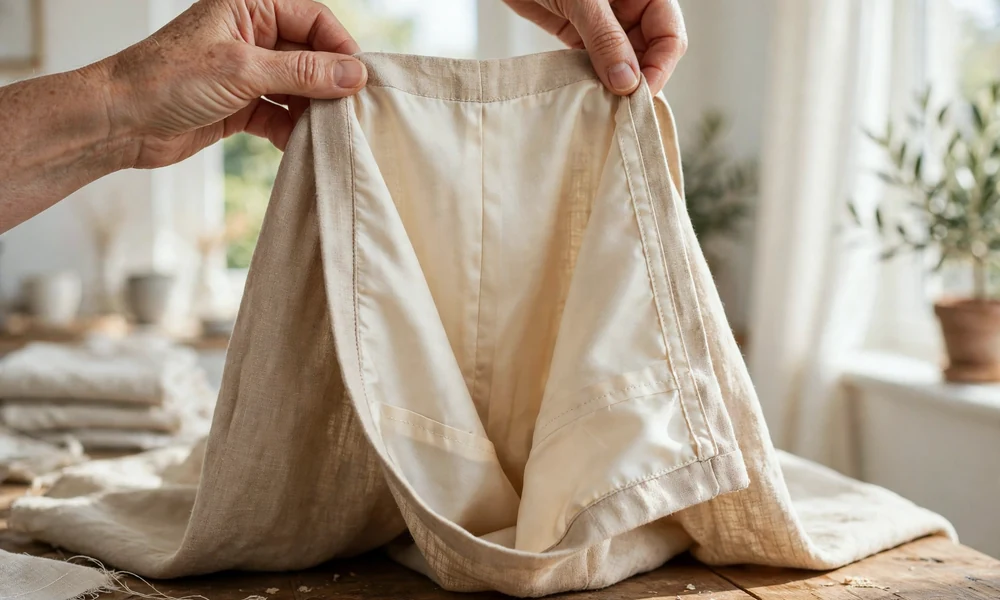
The small details are where quality hides. A good dress has a lining that stops it clinging, a zip with a proper hook at the top, and pockets that are stitched firmly rather than hanging loose. The hem should be even and firmly stitched, not held with a few loose threads, and the buttons, if there are any, should be sewn on properly with a spare tucked inside. Turn the dress inside out before you buy it: if the seams are finished neatly and there are no loose threads hanging off, it was made by someone who cared. If the inside looks like a tangle of loose ends, walk away.
Best vs Worst Dresses at a Glance
| Feature | Best Dresses | Worst Dresses |
|---|---|---|
| Fabric | Substantial cotton, linen, or crepe that drapes well | Thin, shiny polyester that clings and pills |
| Fit | Fits at the shoulders, waist sits in the right place | Pulls across the bust, rides up when you walk |
| Construction | Straight seams, flat zip, level hem | Wavy seams, bulging zip, uneven hem |
| Comfort | Comfortable all day, no adjusting needed | Scratchy, see-through, or impossible to move in |
| After 20 washes | Same shape, same colour, no pilling | Shrunk, faded, twisted seams, cracked print |
| Cost per wear | Low, because it lasts for years | High, because it needs replacing within months |
How to Buy a Dress Without Regret
The single most useful thing you can do before buying a dress is to try it on properly. Sit down in it, raise your arms, walk across the shop, and bend over as if you were picking something up. Check whether the neckline gapes, whether the hem rides up, and whether the zip pulls. A dress that feels comfortable and looks right when you move will usually feel comfortable after a year, and one that needs constant adjusting in the shop will only get worse.
Check the washing instructions and the fabric content on the label before you pay, not after. A dress that needs dry cleaning every time it is worn will not get worn as often, so look for one that can go through a gentle cold wash and come out fine. Wash it inside out the first few times, skip the fabric softener, which coats the fibres and makes them pill faster, and hang it to dry rather than tumble drying it on high heat. A good dress rewards simple care, and a cheap one will not be saved by it. The same thinking applies to the rest of your outfit, and our comparison of the best and worst jeans of 2026 shows how the same rules decide which denim lasts and which falls apart.
The Verdict
The best dresses of 2026 are the ones that make life easier without asking for much in return. They fit properly, they move with you, they wash well, and they look good without any fuss: a simple, well-made dress you can rely on every day, in all weathers, that still looks good after dozens of washes. They do not need a bold print or a designer label to prove their worth. They simply work, day after day, and they get better as they soften with wear.
The worst dresses of 2026 are the ones that demand too much and give too little back: too much money spent replacing them, too much time spent adjusting them, and too little comfort for the space they take up in your wardrobe. A dress is the one garment that has to work entirely on its own, and when it fails, there is nothing to hide behind.
So buy with your hands as well as your eyes. Feel the fabric, check the stitching, try it on and move in it, and walk away from anything that feels thin, flimsy, or poorly made. Spend a little more on one good dress rather than a little less on three bad ones, and you will end up cooler, smarter, and better off.


