
A home theater system is the one purchase that decides how every film night feels in your house. It is not a single box but a small team of parts working together: a screen, speakers, a subwoofer, a receiver, and the room itself. The best home theater systems of 2026 earn their place in the living room because that team works as one. Dialogue is clear enough to follow without subtitles, music swells without turning harsh, and a quiet scene still holds the room. The worst systems do the opposite. They rattle the windows on a loud scene and mumble through the quiet ones, they need three remotes and a prayer to switch on, and within a year the novelty wears off and the room goes back to a tablet on the sofa.
This comparison puts the best home theater systems of 2026 head to head against the worst, judging them the way you would actually live with them: switched on after a long day, watched with family on a Friday night, played loud for a match, and left to sit quietly through the week. We look at sound, picture, ease of use, build quality, and whether the system still feels like a good idea after a year of ordinary evenings. The screen matters most of all, so our comparison of the best and worst televisions of 2026 is a good place to start before you spend anything on speakers.
Key Takeaways
- Judge a home theater system as a whole, not by its loudest single speaker.
- Clear dialogue and even bass matter far more than a big wattage number on the box.
- A system that is hard to switch on will sit unused, however good it sounds.
- Room shape, seating distance, and light matter as much as the equipment.
- Buy the system for the room you actually have, not the cinema in the advertisement.
What Makes a Home Theater System Good or Bad
A good home theater system starts with balance. The best systems of 2026 spread sound around the room so that voices come from the screen, music fills the space without shouting from one corner, and the bass supports the action instead of shaking the floorboards. The speakers are matched to each other, the receiver knows what each one is doing, and the whole setup is tuned for the room it sits in. The worst systems are a collection of mismatched parts: a booming subwoofer that drowns every conversation, tiny satellite speakers that squeak on loud scenes, and a centre speaker so weak that every film needs subtitles.
The second thing that separates good from bad is how the system behaves in real life. A good system switches on with one button, remembers its settings, and plays nicely with the television, the streaming box, and the games console without a weekly argument. A bad system greets you with a blank screen, a remote that controls nothing, and a menu that buries the sound settings three layers deep. After a month of that, most people stop trying, and the expensive boxes become a shelf of black rectangles that nobody touches.
The Best Home Theater Systems of 2026
The best home theater systems of 2026 are the ones that disappear into the evening. You press one button, the screen lights up, the sound settles around you, and you forget the equipment entirely. Their receivers are honest about their power, their speakers are built from solid cabinets that do not buzz or rattle, and their subwoofers are tuned to be felt rather than heard. A well-matched five-speaker setup with a sensible subwoofer will beat a flashy pile of extra speakers every time, because every part is pulling in the same direction.
What really sets the best apart is the way they handle the quiet moments. A whispered conversation in a drama should be easy to follow from the sofa without turning the volume up and down all evening. The best systems keep dialogue anchored to the centre speaker and let the room stay calm between the loud scenes. They also age gracefully: the connections are standard, the software is updated, and a speaker bought this year will still work with a receiver bought three years from now. That is the quiet value of a system built to a standard rather than a gimmick.
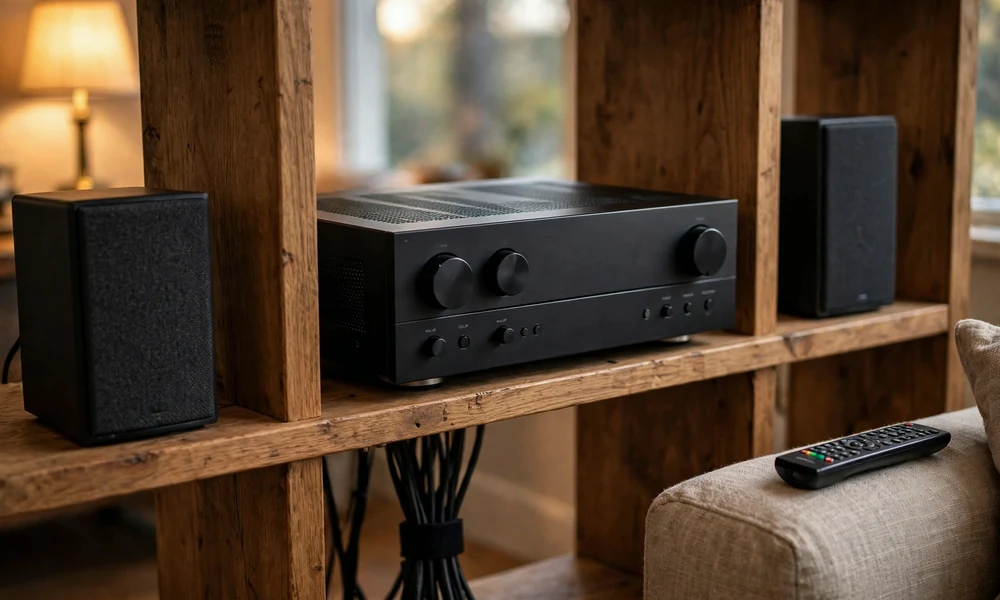
The best systems also respect the room. They come with a simple calibration step that listens to the room and adjusts each speaker so the sound arrives at the sofa evenly, even if the sofa sits against a wall or the room has a wooden floor. Some include a microphone and a guided setup that takes ten minutes and genuinely improves the result. The difference is easy to hear: voices stop sounding like they come from a tunnel, and the bass stops booming in one corner of the room while vanishing in another.
The Worst Home Theater Systems of 2026
The worst home theater systems of 2026 are usually sold on a single number. A huge wattage figure on the box, a dozen tiny speakers, or a subwoofer the size of a washing machine can all hide a system that sounds dreadful. The speakers are often made from thin plastic that rattles at volume, the cables are flimsy and too short, and the receiver is underpowered for the room it is meant to fill. Turn it up for an action scene and the sound distorts; turn it down for a drama and the dialogue disappears under the music.
Cheap all-in-one kits are the most common trap. They look like a bargain because everything arrives in one box, but the parts are built to a price and cannot be replaced one at a time. When one speaker fails, the whole set is stranded. The manuals are thin, the setup menus are confusing, and the wireless speakers drop their connection at the worst moments. A single soundbar can be a smarter buy than a bad surround kit, and our comparison of the best and worst soundbars of 2026 shows when a simple bar beats a complicated set of boxes.
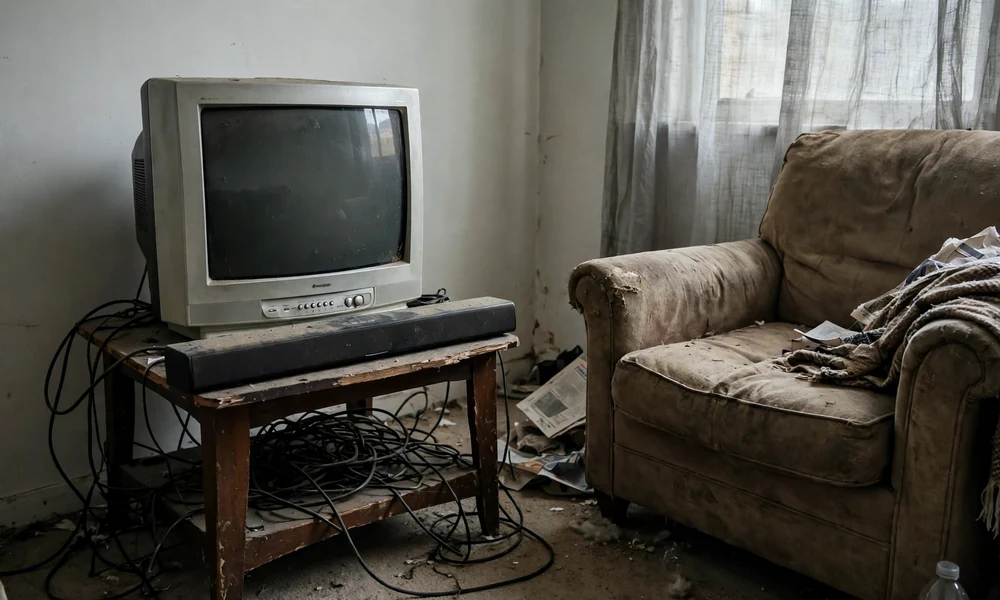
The worst systems also fail on the picture side. A screen that washes out the moment the sun comes through the window, a projector thrown at a bare wall with no thought to distance, or a television mounted so high that everyone watches with a stiff neck will ruin the best sound in the world. The screen and the sound have to be planned together, which is why the room layout matters before a single box is bought. If a projector suits your room better than a television, our comparison of the best and worst projectors of 2026 will help you weigh the two against each other.
How to Choose the Right Home Theater System
Start with the room, not the shop. Measure the distance from the sofa to the screen, note where the windows sit, and listen to how the room sounds when you clap your hands. A hard, echoing room will make even good speakers sound harsh, while a room with curtains, a rug, and a soft sofa is far kinder to sound. A small room does not need a huge subwoofer, and a long room needs speakers that reach the back seats. Buy for the room you have, and the system will sound twice as expensive as it cost.
Then decide how much complication you are willing to live with. A five-speaker setup with a receiver gives the best sound for the money, but it needs cables, space, and a little patience at setup. A good soundbar with a wireless subwoofer is simpler and suits a smaller room. Whatever you choose, check that it has the connections you need: enough HDMI inputs for the console, the streaming box, and the television, and a simple way to add a new device later. A system that cannot grow with you will be replaced sooner than you expect.

Listen before you buy if you possibly can. Play a scene with quiet dialogue and a scene with music, and notice whether the voices stay clear when the music swells. Ask the shop to play the system at the volume you will actually use at home, not at demonstration volume. And check the returns policy: a system that sounds wonderful in a showroom can sound very different in your living room, and a week of evenings at home is the only honest test.
Budget wisely, and spend where it counts. Put the largest share into the front speakers and the centre speaker, because they carry the dialogue and most of the music, then the subwoofer, and only then the rear speakers. Cables and stands deserve a small, sensible share too: a sturdy stand stops a speaker buzzing, and a cable that reaches comfortably beats one pulled tight across the floor.
Room, Seating, and Everyday Use
The room is half the system, and it costs nothing to get it right. Put the centre speaker at ear height and pointing at the sofa, keep the front speakers the same distance from the screen, and give the subwoofer a little room to breathe instead of wedging it into a corner. A rug between the sofa and the screen tames echoes, and curtains over a bright window do more for the picture than any setting on the television. These small choices are free, and they make a modest system sound like a far more expensive one.
Seating matters too. Sit where you will actually watch from, not where the room looks tidy. If the television is too high, your neck will ache by the second half of a film. If the sofa is too far back, the screen feels small and the surround speakers sit behind your ears. Move the sofa, lower the screen, and try it for an evening before you fix anything to the wall. A home theater that fits the way you sit is one you will use every week.
Everyday use is where good systems earn their keep. A system that wakes with the television, switches inputs by itself, and lets one remote do the work will be used on a Tuesday night, not just on special occasions. Keep the remote somewhere obvious, label the inputs in plain words, and write the setup down on a card in the cabinet for the next person who uses it. The best home theater is the one that gets switched on without thinking, night after night, for years.
The Verdict
The best home theater systems of 2026 are balanced, honest, and easy to live with: clear dialogue, even bass, a picture that suits the room, and one button to start the evening. The worst are loud, mismatched, and complicated, sold on a big number and abandoned within a year. Spend your money on matched speakers, a capable receiver, and a screen that fits the room, then give the setup an evening of care. A modest system, chosen well and set up properly, will give you better film nights than an expensive pile of boxes ever will.


