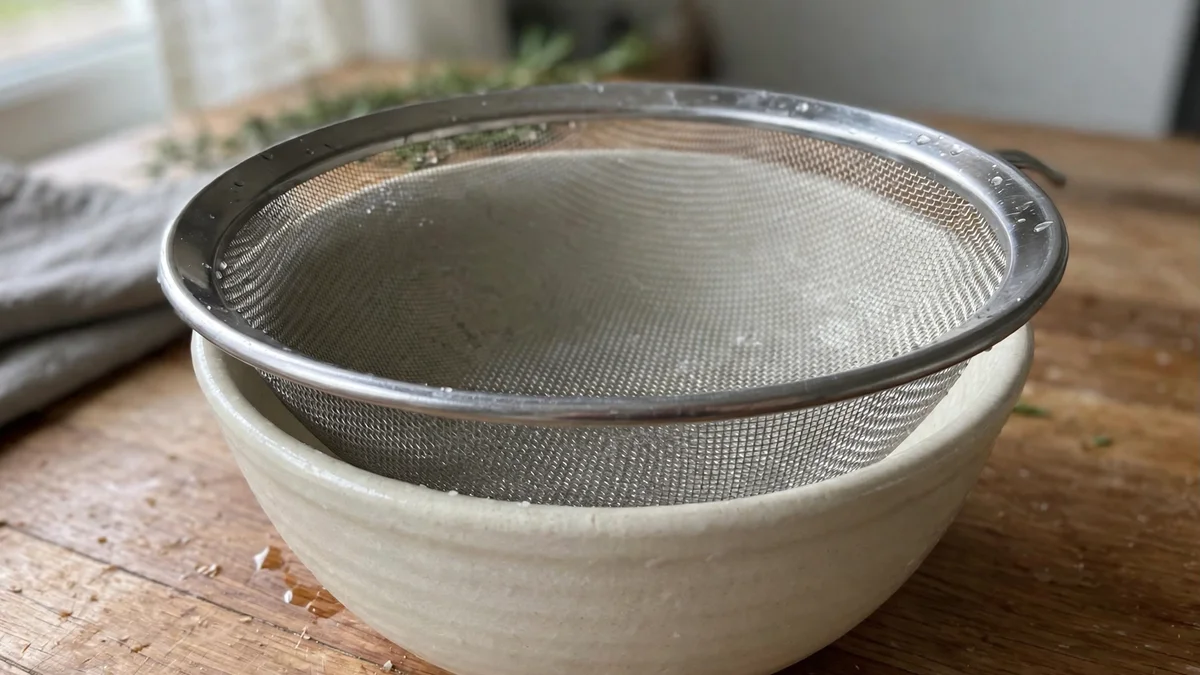
A mixing bowl is the most ordinary tool in the kitchen, and the one you reach for almost every day. It holds cake batter, salad, bread dough, and marinade. When the bowl is good, you barely notice it: it sits still while you whisk, it pours without dribbling down the side, and it comes out of the dishwasher looking the same as the day you bought it. When the bowl is bad, every job gets harder. It slides across the counter, it tips over at the worst moment, and it keeps the smell of last week’s garlic no matter how many times you wash it.
This comparison puts the best mixing bowls of 2026 head to head against the worst, judging them the way you would actually use them: how steady they sit on the counter, how well they pour, how they survive heat, cold, and the dishwasher, and whether they still look and feel good after a year of daily use. The best vs worst hand mixers decide how fast your batter comes together; this guide decides what that batter sits in while you work.
Key Takeaways
- Judge a mixing bowl by how steady it sits, because a bowl that slides or tips while you whisk is a nuisance on every single use.
- Heavy stainless steel and thick glass beat thin plastic, since they resist stains and smells and do not flex under a stiff dough.
- Look for a wide, flat base and a comfortable rim, because those two details decide whether the bowl stays put and pours cleanly.
- A pouring spout and clear measurement marks are worth paying for, since they save mess and guesswork every time you bake.
- The worst mixing bowls are light, thin, and slippery, with rough edges, no grip, and plastic that stains easily.
What Makes a Great Mixing Bowl
A great mixing bowl starts with weight and shape. The bowl needs enough weight to stay where you put it while a whisk or a wooden spoon works hard inside it, and it needs a base wide enough that it does not rock when you lean into a thick mixture. The best bowls feel settled in the hand: solid, balanced, and slightly heavy, with a rim you can grip without your fingers slipping.
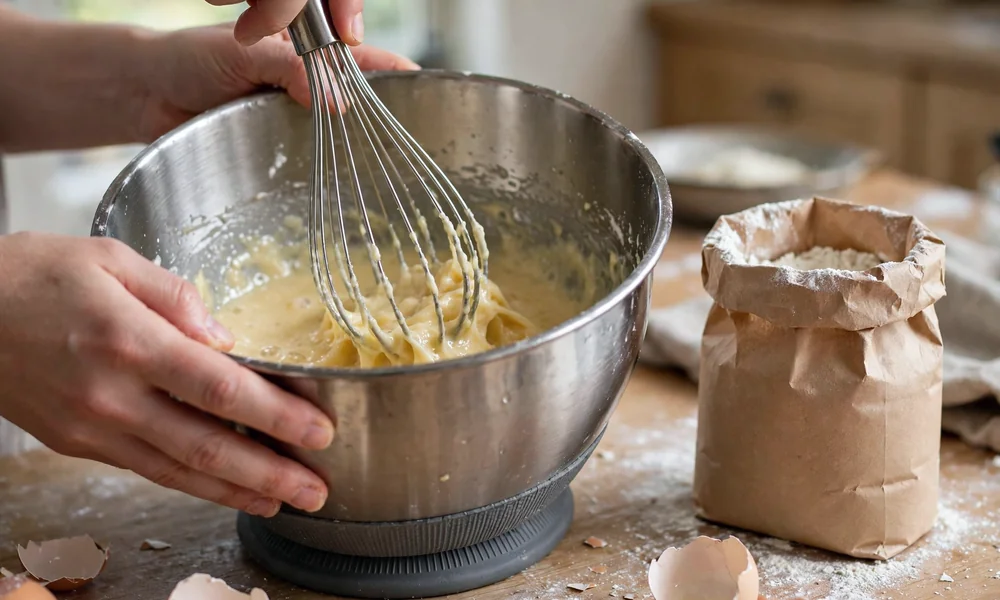
Material is the second thing that separates the best from the worst. Stainless steel is light for its strength, it does not absorb smells, and it chills quickly in the fridge, which helps when you are whipping cream. Thick glass lets you watch the mixture and doubles as a serving bowl, and it can go into the microwave to melt butter. Good ceramic looks beautiful on the table and holds its temperature well. What all three share is a hard, non-porous surface that washes clean. Thin plastic has none of these strengths: it scratches, it holds smells, and it warps in hot water.
The Best Mixing Bowls of 2026
The best mixing bowls of 2026 are the ones that disappear into the job. They hold still, they pour cleanly, they stack neatly in the cupboard, and they look as good after a hundred washes as they did on the first day. They are not always the most expensive bowls, but they are always the ones made with care.
Weight and Grip That Hold the Bowl Still
The first thing you notice about a great bowl is that it stays put. A silicone ring around the base grips the counter, and the weight of the steel or glass keeps the bowl planted while you whisk at full speed. Cheaper bowls skitter across the worktop the moment the whisk starts, and you end up chasing the bowl instead of mixing the batter. A non-slip base is a small feature, but it is the one you feel on every single use.
Materials That Survive Years of Daily Use
The best bowls are made from materials that do not give up. Heavy-gauge stainless steel resists dents when it is dropped and never rusts in the dishwasher. Thick borosilicate-style glass handles hot liquids without cracking and does not cloud over time. Well-glazed ceramic resists chips along the rim and wipes clean with a single pass of the sponge. None of these materials absorb the smell of onions or the colour of beetroot. A bowl that survives years of daily use costs more at the till, but it costs far less per year than a cheap set you replace every spring.
Pouring Spouts and Measurements That Save Mess
A good spout turns pouring from a gamble into a certainty. The best bowls have a gentle, well-shaped lip that guides batter in a smooth stream instead of letting it run down the outside of the bowl and onto the counter. Clear measurement marks inside the bowl, in both cups and millilitres, let you skip the measuring jug for many recipes and mean one less thing to wash. These details sound minor until you have used them: once you have poured a cake batter cleanly into a tin with no drips, going back to a plain round rim feels like a step backwards.
Sizes That Nest and Stack Neatly
A set of three or four bowls in graduated sizes covers almost every job, from whisking a single egg to tossing a salad for eight people. The best sets nest inside each other so they take up the space of one large bowl in the cupboard,. A small bowl for dressings, a medium bowl for batters, and a large bowl for dough and salads is the combination most home cooks reach for again and again. Sets that jam together or wobble when stacked are a sign of sloppy manufacturing, and they waste cupboard space every day.

The Worst Mixing Bowls of 2026
The worst mixing bowls of 2026 look fine in the shop and fail in the kitchen. They are light where they should be heavy, smooth where they should grip, and made from plastic that was never meant to last. Each of these faults is easy to miss before you buy, and each one annoys you every time you cook.
Light Bowls That Slide and Tip Over
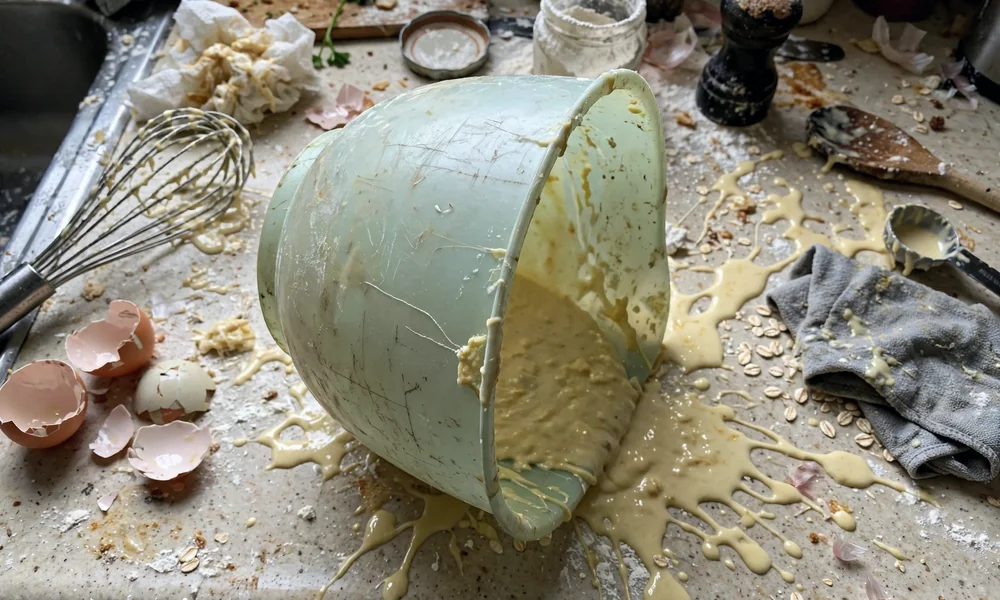
The most common fault in a bad bowl is simple: it is too light. A thin plastic bowl weighing almost nothing slides across the counter the moment you start stirring, and it tips over entirely when a thick dough pushes against one side. You end up holding the bowl with one hand for the whole job, which leaves you short of a hand for the ingredients. Some bad bowls even rock on their own base because the bottom is not flat. A bowl that cannot sit still is not a tool; it is a chore that follows you around the kitchen.
Thin Plastic That Stains and Holds Smells
Cheap plastic is the second great failure. It scratches the first time a metal whisk touches it, and those scratches trap food and colour. Tomato sauce leaves a pink shadow, turmeric leaves a yellow one, and the smell of garlic lingers no matter how long you soak it. Hot water makes thin plastic flex and warp, so the lid never fits again and the base no longer sits flat. After a few months the bowl looks tired and smells faintly of everything it has ever held, and most people throw it away long before it actually breaks.
No Spout, No Grip, No Help at All
Bad bowls give you nothing to hold onto. The rim is thin and sharp, the outside is smooth and slippery when your hands are wet or dusted with flour, and there is no spout at all, so pouring means tipping the whole bowl and hoping for the best. Batter runs down the side, drips onto the floor, and leaves a trail you have to mop up. Handles, when they exist, are often too small or placed where they unbalance the bowl. A bowl should help you cook; a bad one simply holds the food while you do all the work yourself.
One Awkward Size and a Rough Finish
The worst sets come in sizes nobody asked for: one bowl too small for a family salad and one so large it will not fit in the sink to wash. The finish is often rough, with a visible seam around the middle, sharp edges on the rim, and a base that wobbles on a flat counter. Some have lids that do not seal, so storing leftovers means a spill in the fridge. A rough finish is not just ugly; it is where food catches, where bacteria hide, and where the bowl starts to look old within weeks of buying it.
Best vs Worst: The Head-to-Head
Put the best and the worst side by side and the difference is obvious within a minute of use. The best bowl sits still while you whisk, pours in a clean stream, and washes back to new. The worst slides, drips, and keeps the smell of yesterday’s cooking. The best bowl is made from steel, glass, or ceramic that will last for years; the worst is thin plastic that stains, warps, and ends up in the bin. If you bake often, the gap is even wider, because a good bowl works with your best stand mixer instead of fighting it, holding steady while the machine does its work.
The Verdict
The verdict is simple: buy the heaviest bowl you can afford, in stainless steel or thick glass, with a non-slip base and a pouring spout. A set of three graduated sizes will cover nearly every job in your kitchen, and it will still be doing so in five years. Skip the thin plastic sets entirely, no matter how cheap they look, because they cost you time, mess, and replacements. If you only buy one bowl, make it a medium stainless steel bowl with a silicone base: it is the single most useful bowl most kitchens will ever own, and weighing ingredients for it is easier with the best vs worst kitchen scales beside it.
Who Each Mixing Bowl Is For
Heavy stainless steel bowls suit anyone who bakes weekly or cooks for a family, because they take punishment and ask for nothing in return. Thick glass bowls suit cooks who like to see their mixture and serve straight from the bowl, and they suit anyone who melts butter or chocolate in the microwave. Ceramic bowls suit people who care about the table as much as the kitchen, since they look beautiful when they arrive full of salad. Thin plastic bowls suit only one person: someone who needs a disposable bowl for a picnic or a party and plans to throw it away afterwards. Everyone else should leave them on the shelf.
Frequently Asked Questions
What size mixing bowl should I buy first?
Start with a medium bowl of about three to four quarts. It is big enough for most cake batters and salads, small enough to wash easily in the sink, and light enough to hold with one hand while you pour. Add a small bowl for dressings and a large bowl for dough later, once you know how you cook.
Are stainless steel mixing bowls better than glass?
Neither is better in every way. Stainless steel is lighter, tougher, and chills faster, which helps with cream and pastry. Glass lets you see the mixture, goes in the microwave, and looks better on the table. Most keen cooks end up owning both, and reaching for steel for heavy work and glass for serving.
How do I stop my mixing bowl from sliding on the counter?
Buy a bowl with a silicone or rubber base, which grips the worktop on its own. If your bowl has no grip, set it on a damp tea towel, which stops it sliding almost as well.