A stuffed animal is often a child’s first friend: the thing they reach for at bedtime, carry on long car journeys, and hold onto when the world feels too big. The best ones are soft, safe, and built to survive years of love, washing, and being dragged around by one ear. The worst ones shed, fall apart, lose their stuffing, or arrive with buttons and beads that should never be near a small child. This guide names the best stuffed animals of 2026 and the worst ones too, so you can see both sides of the toy shelf before you spend a penny.
We judged every plush toy on six questions: is the fabric soft and dense, rather than thin and scratchy? Are the eyes and nose embroidered or safely fixed, with nothing a child can pull off and swallow? Is the stitching tight and the stuffing evenly spread, so the toy keeps its shape? Can it be washed without falling apart? Will it still look loved, rather than ruined, after a year? And is the price honest for what it is?
Best vs Worst Stuffed Animals 2026 at a Glance
| Plush type | Verdict | Best for | Typical age range |
|---|---|---|---|
| Classic teddy bear | Best overall | Most children | Birth to adult |
| Soft bunny or animal friend | Best simple choice | Newborns | Birth to 3 years |
| Weighted plush toy | Best for comfort | Anxious sleepers | 3 years and up |
| Interactive talking plush | Best for play | Curious toddlers | 2 years and up |
| Thin carnival plush | Worst: avoid | Nobody | Unsafe at any age |
| Button-eyed vintage plush | Worst: avoid | Nobody | Unsafe for under 3s |
| Giant cheap plush | Worst: avoid | Nobody | Unreliable |
The Best Stuffed Animals of 2026
1. The Classic Teddy Bear: Best Overall
The best stuffed animal of 2026 is still the classic teddy bear, and the reason is simple: nobody has improved on it. A good teddy is made from dense, soft plush with tight stitching, embroidered eyes and nose, and stuffing that is spread evenly from head to paws, so the bear sits up on a bed instead of flopping over like a sock. It is big enough to hug properly, usually around 30 to 40 centimetres, and small enough to fit in a car seat, a school bag, or a suitcase.
What sets the good ones apart is how they age. A well-made teddy gets softer and more loved with every wash, while a cheap one goes flat, lumpy, or bald in a few months. The best teddies are machine washable, and that matters, because a teddy that cannot be washed will spend its life smelling of whatever it was last dragged through.
2. The Soft Bunny or Animal Friend: Best Simple Choice
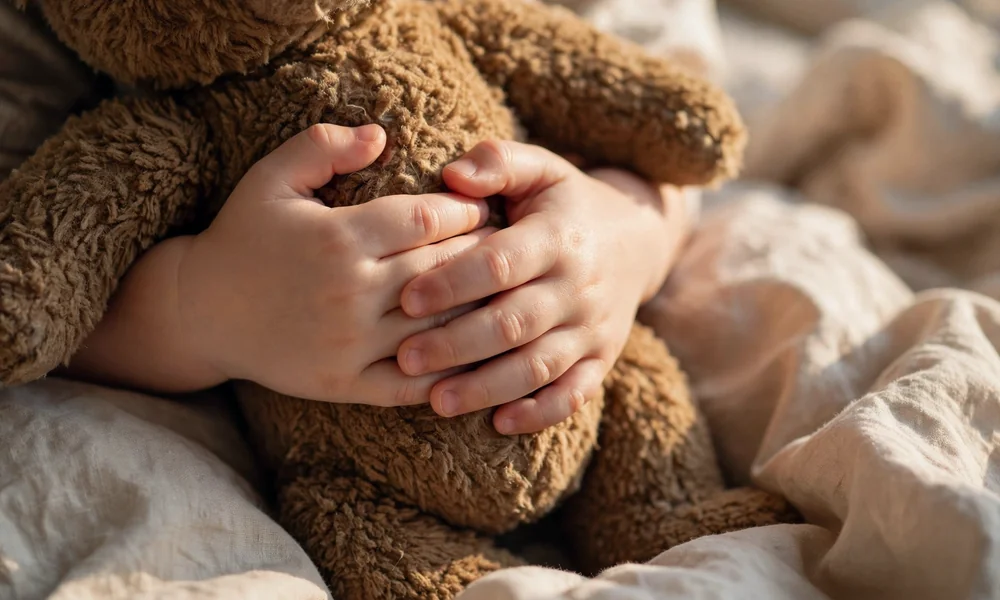
For a newborn or a very young baby, the best choice is a small, soft animal with no hard parts at all: a bunny, a lamb, or a bear with embroidered features and short, flat fur. These toys are designed to be safe from birth, with no buttons, no beads, no plastic eyes, and no ribbons long enough to wrap around a tiny finger.
The best ones are made from organic cotton or a soft, dense polyester with a fabric that stays gentle after washing, and they often come in a size a baby can grip with both hands. Avoid any newborn toy with a squeaker sewn inside that cannot be removed, because a squeaker that breaks becomes a small hard object inside a soft toy, and that defeats the whole point.
3. The Weighted Plush Toy: Best for Comfort
Some children sleep better with a little weight on them, and a weighted plush toy gives that comfort in a form a child actually wants to hold. These are soft animals with a heavier fill, usually a few hundred grams of beads or pellets sewn into the body, that feel grounding and calm at bedtime. The best ones spread the weight evenly through the body and the limbs, use a strong inner lining so the fill cannot escape, and keep the total weight light enough for a child over three to lift and carry.
Two things decide whether a weighted plush is a comfort or a problem. First, the weight must suit the child: a toy that is too heavy for a small child is tiring rather than soothing, so check the maker’s age guidance and use your judgement. A weighted toy with thin seams and loose fill is a mess waiting to happen, and should be avoided entirely.
4. The Interactive Talking Plush: Best for Play
For toddlers who want a toy that talks back, the interactive plush is the best of the clever toys. The good ones say a few simple phrases, sing a short song, or respond when squeezed, and then stop: no endless chatter, no flashing lights, and no app to set up. The electronics sit in a sealed pouch inside the toy, usually removable for washing, and the battery compartment is screwed shut so a child cannot open it.
The best interactive plush toys are still good toys with the electronics switched off, with the same soft fabric and tight stitching as a classic bear. If a plush feels like a speaker wearing a fur coat, it will not survive the day the sound stops working.
The Worst Stuffed Animals of 2026
1. The Thin Carnival Plush: Worst for Quality
The worst stuffed animals of 2026 are the thin carnival plush toys: the flimsy bears, bunnies, and cartoon characters won at fairs, bought from discount bins, or sold in packs of ten for a few pounds. The fabric is thin and scratchy, the stuffing is a small wad in the middle of an otherwise empty body, and the stitching is loose enough that a seam opens the first time a child hugs it properly. They look fine on a shelf and fall apart in a child’s arms.
They are also usually impossible to wash, because the first wash turns them into a lumpy rag. Parents buy them because they are cheap, then buy a proper toy a week later, which makes the carnival plush the most expensive toy of all. If a stuffed animal costs less than a sandwich, ask yourself what corners were cut to get it there.
2. The Button-Eyed Vintage Plush: Worst for Young Children
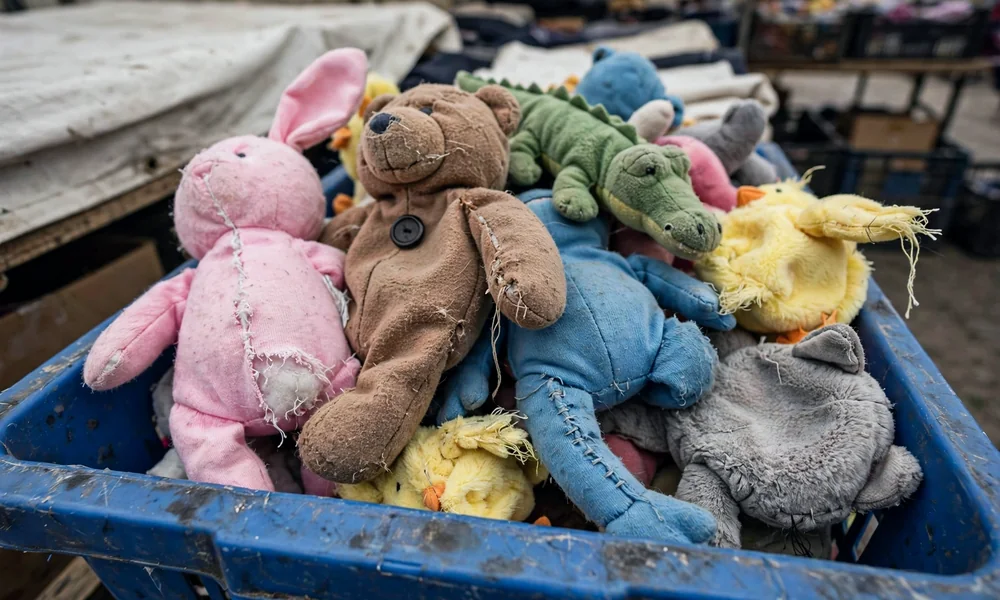
Old stuffed animals have a charm that new ones cannot match, and a vintage bear on a shelf is a lovely thing. A vintage bear in the hands of a toddler is a different story. Older plush toys were often made with button eyes, bead noses, wire joints, and stuffing that includes materials no longer used, and a button that has survived forty years on a shelf can still come off in a small child’s mouth. For children under three, any toy with parts that can be pulled off is a choking risk, however pretty it looks.
Keep the vintage bears on the shelf, where they belong, and give a young child a new toy made to current safety standards, with embroidered features and washable fabric. The old bear will still be there when the child is old enough to appreciate it.
3. The Giant Cheap Plush: Worst for Value
A giant stuffed animal looks like a wonderful gift: a bear as big as the child, a dinosaur longer than the bed, a bunny that takes up half the room. The cheap versions are a disappointment in disguise. They are usually made from the thinnest fabric, stuffed with the cheapest fill, and stitched so loosely that they sag and go lumpy within weeks. A giant toy that cannot hold its own shape is not a toy, it is a laundry problem.
If you want a big soft toy, buy a well-made one from a maker who sells a washable cover, or buy a medium-sized one that fits in the washing machine. A giant toy should be a joy, not a piece of furniture you regret.
How to Choose a Stuffed Animal
Start with the age of the child. For a baby under one, choose a small, soft toy with embroidered features and no hard parts, and check that it is labelled safe from birth. For a toddler, a classic teddy or a soft animal friend is the best bet, because it will be carried everywhere and washed often. For an older child, let them choose: the toy they pick themselves is the one they will love, and a child who loves a toy will look after it better than any parent can.
Then check the safety basics before anything else. Pull gently on the eyes, nose, and ears: nothing should move. Look at the seams, especially around the limbs and the neck, and check that the stitching is tight and even. Squeeze the toy and feel for lumps, hard objects, or loose fill. Check the label for the age guidance and the washing instructions, and if there is no label at all, do not buy it. A toy with no label has no maker standing behind it.

What About the Rest of the Toy Box?
A stuffed animal is only one kind of comfort, and it sits happily alongside the rest of a child’s playthings. A good board game brings the family together in the evening, and a favourite teddy often ends up watching from the corner of the table, which is exactly where it belongs. Quiet toys and lively toys balance each other: a child needs both the soft friend for bedtime and the noisy game for the afternoon.
Puzzles are the other half of that balance. A good puzzle teaches patience in a way no plush toy can, and many children do their puzzles with a stuffed animal beside them, which says something about how comfort and concentration go together.
And for children who struggle to settle at night, a soft toy is only part of the answer. A weighted blanket for kids gives the same gentle, grounding feeling as a weighted plush, spread across the whole bed, and the two together can turn a restless bedtime into a calm one.
The Verdict
The best stuffed animal of 2026 is the classic teddy bear: soft, safe, washable, and built to survive years of love. The soft bunny or animal friend is the best simple choice for newborns, the weighted plush is the best comfort for anxious sleepers over three, and the interactive talking plush is the best of the clever toys. The worst are the thin carnival plush toys, the button-eyed vintage toys in young hands, and the giant cheap plush toys that sag within weeks.
Frequently Asked Questions
When can a baby have a stuffed animal in the cot? Keep the cot clear for the first year, with no toys, pillows, or loose bedding. A soft toy can join the bed once a child moves to a toddler bed, usually after their first birthday.
How do I wash a stuffed animal? Check the label first. Most good plush toys are machine washable on a gentle cycle inside a pillowcase or laundry bag. Air-dry completely before it goes back to bed.
Are weighted plush toys safe? For children over three, a light weighted plush made for children is generally fine. Check the maker’s age guidance, keep the weight modest, and do not use a weighted toy for a baby or a very small child.