Finding the best weighted blankets for kids in 2026 is less about the heaviest option and more about matching gentle, even pressure to your child’s size and sleep habits. A good kids’ weighted blanket feels like a calm, steady hug at bedtime, settling restless legs and quieting a busy mind.
Parents often discover weighted blankets after months of tricky bedtimes. Children who toss and turn may fall asleep faster and wake less often, because the blanket’s weight signals the body that it is time to rest.
This guide compares the best weighted blankets for kids in 2026 across weight, fabric, size, washability and value, so you can pick one that fits your child today and still works next year. Every recommendation is judged on safe weight, breathable materials, even weight distribution and a cover that survives family laundry.
Key takeaways
- Choose a blanket weighing roughly 10% of your child’s body weight, and never more for a first blanket.
- Weighted blankets are generally not suitable for children under three, and a child with a breathing, sleep or circulation condition should see a doctor first.
- Breathable cotton or bamboo covers keep kids cool, while minky fleece suits children who run cold or love a softer feel.
- Small, evenly stitched squares stop the filling from pooling and keep the pressure consistent all night.
- A removable, machine-washable cover is the single most practical feature for any kids’ blanket.
What Makes a Weighted Blanket Good for Kids
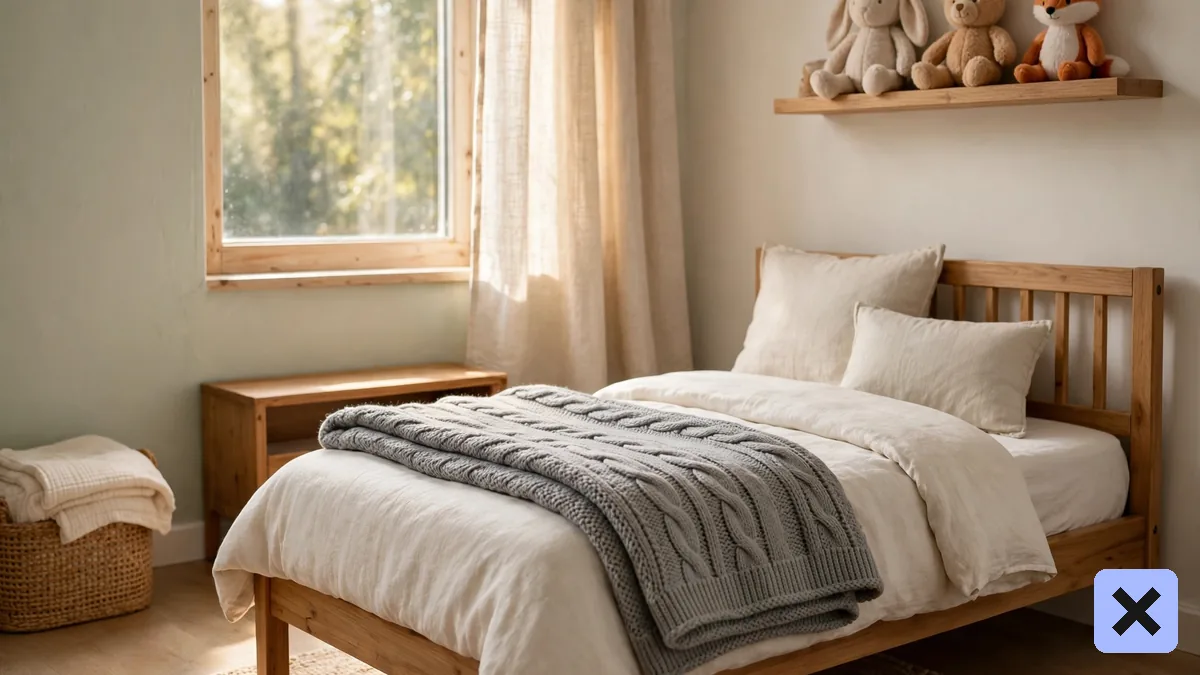
A weighted blanket works through deep pressure stimulation, a gentle, evenly spread weight that helps the body relax. For children, it feels reassuring like a firm hug, slowing a racing mind and reducing the fidgeting that keeps some children awake after lights out.
The best kids’ versions are designed for smaller bodies: shorter and narrower than adult blankets, so the weight sits on the child, with finer stitching to keep the filling in place.
Deep Pressure, Sized for Small Bodies
Adult weighted blankets usually weigh between 15 and 25 pounds, far too much for a child. Kids’ blankets typically range from 3 to 7 pounds, and that lighter range is deliberate. The pressure should feel noticeable but never restrictive: your child should be able to roll over, sit up and push the blanket aside without help.
Size matters as much as weight. A blanket matching your child’s height stays in place and spreads its weight evenly. One that is too large bunches up, creates cold spots and concentrates weight in the wrong places.
What to Look for Before You Buy
Start with the filling. Glass microbeads are the most common choice: dense, quiet, washable, and they spread weight more evenly than plastic pellets. Look for small quilted squares, ideally no larger than five inches, since tighter stitching stops the beads shifting overnight.
Next, check the fabric. Breathable cotton and bamboo are the safest bets for warm sleepers, while plush minky covers suit cooler rooms and children who like extra softness. A removable cover is worth paying a little more for, because it turns a bulky wash into a quick job. Finally, look for strong edge stitching and a clearly labelled weight.
How to Choose the Right Weight and Size
The starting point is 10% of your child’s body weight: a 40-pound child starts with a 4-pound blanket, and a 60-pound child with a 6-pound one. Between sizes, choose the lighter one first. You can always move up later, but a blanket that is too heavy will simply not get used.
Age matters too. Most makers suggest them for children aged three and older, and children under 50 pounds should stick to the lightest options. If your child has asthma, sleep apnoea, a heart condition or another health concern, ask your doctor first.
| Child’s weight | Blanket weight | Typical size | Best for |
|---|---|---|---|
| 30–40 lb | 3 lb | 36 x 48 in | Toddlers and small children |
| 40–50 lb | 4–5 lb | 36 x 48 in | Younger school-age children |
| 50–70 lb | 5–7 lb | 41 x 60 in | Older children and pre-teens |
| 70–90 lb | 7 lb | 41 x 60 in | Pre-teens and teenagers |
Getting the Fit Right
Measure your child’s bed before ordering. A twin bed suits a 36 x 48 inch blanket for younger children, while older children do better with a 41 x 60 inch blanket covering shoulders to feet. It should sit on top of the mattress, not tuck tightly underneath, so your child can move freely.
Try the blanket on a calm afternoon first rather than at bedtime. Let your child lie under it for ten minutes while reading. If they wriggle free or say it feels heavy, it is too heavy or too warm, and a lighter option is the right call. For more ideas on layering a child’s bed, our guide to the best throw blankets for kids shows how lighter blankets can work alongside a weighted one.

Warm Sleepers and Cool Sleepers
Children who overheat need a blanket that breathes. Cotton and bamboo covers allow air to circulate, and some blankets use a cooling fabric on one side and a warmer fabric on the other, so you can flip them with the seasons. Glass beads also stay cooler than plastic pellets, which can trap warmth.
Children who run cold will prefer a plush cover or a blanket layered over a light duvet. Our roundup of the best duvet covers for kids pairs well with a weighted blanket in winter, adding warmth without extra weight.
The Best Weighted Blankets for Kids 2026
The blankets below are the strongest choices for children this year, judged on safe weight ranges, breathable fabrics, even filling, washability and value. Each suits a different kind of sleeper, so the best pick depends on your child’s size, temperature and sensory preferences.
Best Overall: A Breathable Cotton Weighted Blanket
The best all-round choice is a mid-weight cotton blanket with glass microbeads and small quilted squares. Cotton breathes well, feels soft and washes easily, making it the easiest blanket to live with. A 5-pound version in a 41 x 60 inch size covers most school-age children, and a removable cover keeps laundry simple.
What sets it apart is balance: calming, light enough to move under, and cool enough for year-round use. Look for reinforced stitching and a cover that zips off fully.
Best for Warm Sleepers: A Cooling Bamboo Weighted Blanket
Children who kick off their covers will do best with a bamboo or cooling-fabric blanket. Bamboo is naturally breathable and moisture-wicking, so it stays comfortable in a warm bedroom, with a smooth, silky feel many children prefer to cotton. These usually come in lighter weights, suiting younger children and hot sleepers.
The trade-off is a slightly higher price and gentler washing. If your child wakes up sweaty, though, the cooling fabric is worth it.
Best for Sensitive Skin: A Soft Minky Weighted Blanket
For children who love soft textures, a minky-fleece blanket is the cosiest option. The plush surface feels like a favourite stuffed toy, and the gentle weight helps restless children settle. Minky blankets suit reading time and quiet play as well as sleep.
They run warmer than cotton, so they suit cooler rooms best. Choose a removable cover, since plush fabric shows marks and needs washing more often.
Best for Younger Children: A Lightweight 3-Pound Blanket
The lightest blankets, at around 3 pounds, suit toddlers and small children new to weighted sleep. A small 36 x 48 inch size fits a toddler bed or reading nook, introducing deep pressure without overwhelming a small body. If your child loves it, move up a weight as they grow.
Supervise the first few uses and make sure your child can remove the blanket alone. Under threes should skip weighted blankets entirely.

Best Value: A Reversible Two-Sided Blanket
A reversible blanket with a cool cotton side and a warm plush side offers the best value, because it works in every season. Use cotton in summer and plush in winter, and you effectively get two blankets for the price of one. These usually sit mid-price, making them a smart first purchase.
Check both sides are securely stitched and the filling is evenly spread, with no lumps or thin patches.
Weighted Blankets Beyond Bedtime
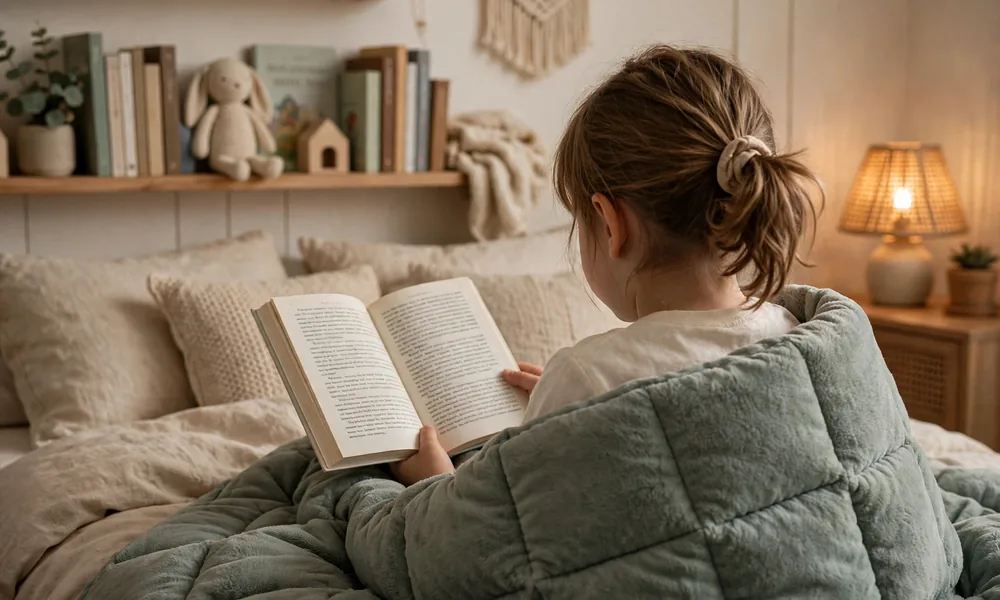
Weighted blankets are not only for sleep. Many children use them during homework, reading or quiet play, and the calming pressure can help them focus and sit still longer. A lighter blanket works well in the daytime.
Travel is another good use. A small weighted blanket can make car journeys, flights and sleepovers feel more familiar, giving a child security in an unfamiliar bed. Pack it in a compression bag, and choose a washable cover for easy cleaning after a trip. For longer journeys, our guide to weighted blankets for better sleep explains how adults use the same deep-pressure idea, which can help the whole family sleep better away from home.
Checklist: Choosing a Weighted Blanket for Your Child
Run through this checklist before you buy to avoid the most common mistakes with a first weighted blanket.
- Weight is around 10% of your child’s body weight, and never above it for a first blanket.
- Size matches your child’s height and bed, covering shoulders to feet without overhang.
- Filling is glass microbeads in small squares that stop the weight shifting.
- Fabric suits your child’s temperature, with breathable cotton or bamboo for warm sleepers.
- Cover is removable and machine-washable, so laundry stays easy.
- Your child can move, roll over and push the blanket aside without help.
Care and Washing
Most kids’ weighted blankets are machine-washable on a gentle cycle, but the cover should come off and wash separately. Wash the cover weekly, or more often if your child is unwell, and the inner blanket monthly or after spills. Use a mild detergent and skip fabric softener, which coats the fibres and reduces breathability.
Dry the blanket flat or on low heat, and check the care label first: glass beads handle machine drying better than plastic pellets. Store it folded in a dry cupboard rather than hanging it, which stretches the stitching.
Frequently Asked Questions
What age can a child use a weighted blanket?
Most makers recommend them for children aged three and older. Under-threes should not use one, as they may not be able to move it from their face.
How heavy should a weighted blanket be for a child?
Around 10% of your child’s body weight is a good starting point: a 40-pound child starts with a 4-pound blanket, and a 60-pound child with a 6-pound one. Between sizes, choose the lighter option.
Are weighted blankets safe for kids?
Yes, when they are the right weight and size and used as directed. The blanket should never cover the face, and your child should be able to remove it alone. Children with breathing, sleep or circulation conditions should see a doctor first.
Can a weighted blanket help a child fall asleep faster?
Many parents find that it does. The gentle, even pressure calms a restless child and makes bedtime feel more secure, often leading to faster sleep and fewer wakings. Give it a week or two before judging.
Can kids use a weighted blanket all night?
Most children can, as long as the blanket is the right weight and they are comfortable. If your child pushes it off overnight, that is fine: it has done its job by helping them settle.
How do I wash a kids’ weighted blanket?
Remove the cover and wash it separately on a gentle cycle with mild detergent. Wash the inner blanket on gentle too, and dry flat or on low heat. Always check the care label first.
The Bottom Line
The best weighted blanket for kids in 2026 is the one that fits your child: the right weight, size, breathable fabric and washable cover. Start light, let your child try it during the day, and choose comfort over heaviness every time. Get those basics right, and a weighted blanket can turn bedtime into the calmest part of the day.