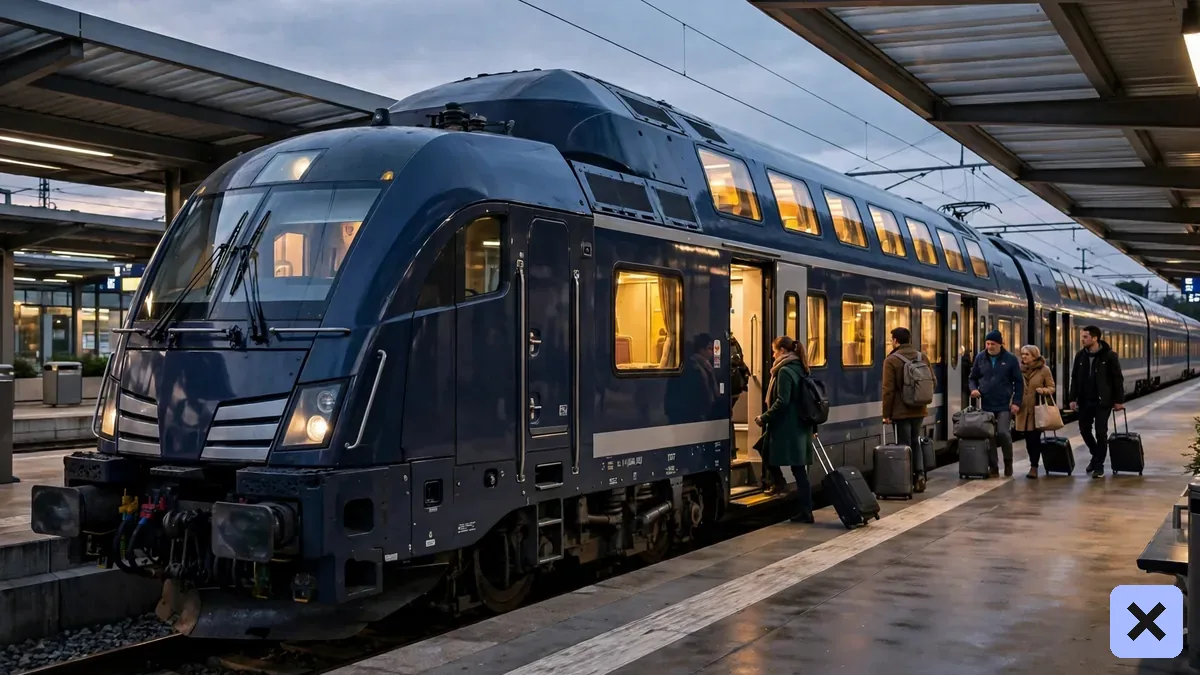
Choosing between a cruise and a train for Europe travel is really a choice between two different kinds of holiday. A cruise gives you a floating hotel that carries you from port to port while you sleep, eat and relax on board. A train gives you the freedom to step off in the middle of a city, wander for a few hours and move on when you are ready.
Both can be wonderful, and both can disappoint if they do not match the way you like to travel. Cruises suit travellers who want everything arranged for them, while trains suit travellers who want to set their own pace and see the land between the famous sights.
This guide compares a cruise and a train side by side on cost, comfort, scenery, flexibility and the overall experience, so you can decide which one fits your trip, your budget and your travelling style. We look at what a normal day feels like on each, what the real costs are once everything is added up, and which kind of traveller gets the most from each option.
Key takeaways
- Cruises bundle transport, a bed and meals into one price, while trains let you pay only for the journeys you take.
- Trains reach city centres and small towns that ships cannot, giving you more time on land and less time in transit.
- A cruise is the easier choice for a relaxed holiday, while a train is the better choice for independent, flexible travel.
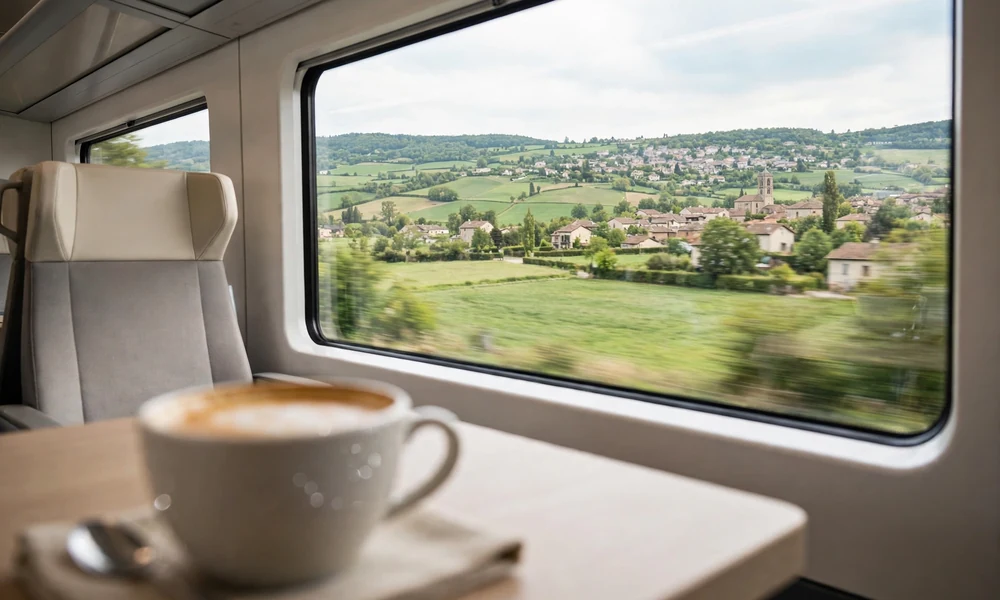
- Scenery is the train’s greatest strength, with mountains, valleys and villages passing your window all day.
- The best choice depends on who is travelling, how much time you have and how much planning you enjoy doing.
How a Cruise Holiday Actually Works
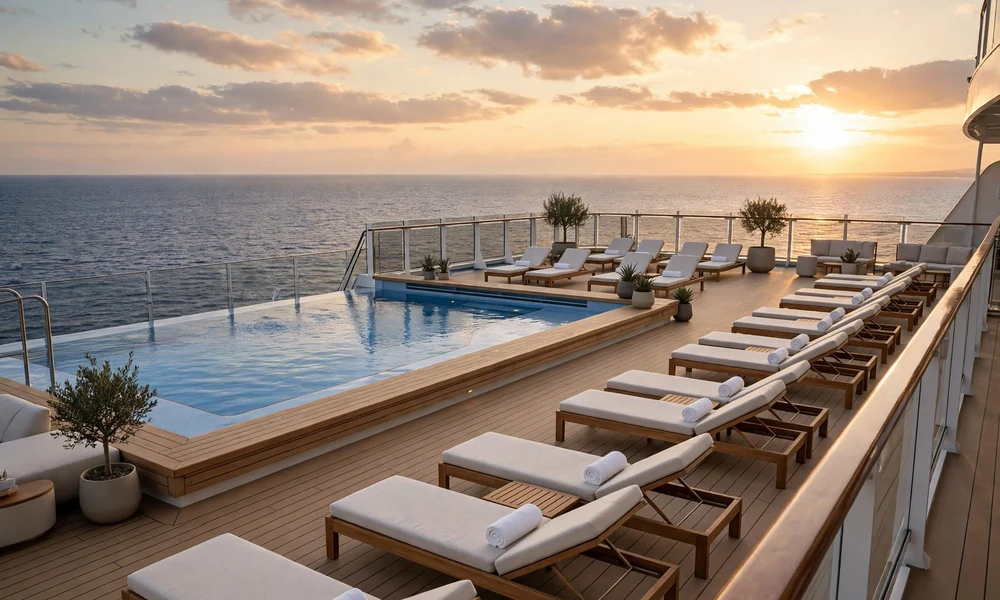
A European cruise usually starts in a major port such as Barcelona, Rome, Venice or Athens. You board in the afternoon, settle into your cabin and wake up the next morning in a new place. Most days follow the same rhythm: breakfast on board, a few hours ashore in a port town, then back to the ship for dinner, a show or a quiet evening on deck. The ship moves at night, so the travelling itself takes almost none of your daytime.
The appeal is the simplicity. You unpack once, and your hotel travels with you. Meals, entertainment and many activities are included in the fare, and the ship itself is part of the holiday, with pools, restaurants and decks to enjoy on sea days.
A Typical Day on a Cruise
A typical cruise day begins with breakfast on board, followed by a shore excursion or a walk around the port town. You might spend three or four hours ashore, visiting a cathedral, a market or a beach, before returning to the ship for lunch. The afternoon often brings a swim, a book on deck or a spa treatment, and the evening brings dinner, live music and a sunset over the water.
A Typical Day by Train
A day by train looks very different. You wake up in a city, have breakfast in a small cafe near your hotel, and walk to the station for a mid-morning departure. The journey itself is part of the day: two or three hours of countryside, rivers and villages sliding past the window, with time to read or simply watch the landscape change. By the afternoon you are in a new city, checking into a new hotel and heading out to explore streets and restaurants that a cruise port would never reach.
Cost Compared
Cruises look expensive at first glance, but the headline fare covers a great deal. Your cabin, most meals, entertainment and transport between ports are all included, so the daily cost is easier to predict. The extras are where the bill grows: drinks packages, speciality restaurants, shore excursions, Wi-Fi and tips can add a large amount to the final total.
| Cost | Cruise | Train |
|---|---|---|
| Transport | Included in the fare | Ticket or rail pass per journey |
| Accommodation | Cabin included | Hotel or hostel each night |
| Meals | Most meals included | Paid separately as you go |
| Extras | Excursions, drinks and Wi-Fi | Seat reservations and luggage |
| Flexibility | Low, fixed itinerary | High, change plans any day |
Train travel works the other way round. Each ticket is usually cheap, especially if you book early, and a rail pass can make longer trips very good value. The costs that add up are hotels, meals and the small extras of daily travel, such as seat reservations on fast trains. Trains give you more control over the budget, while cruises give you more certainty about it.
Scenery, Pace and the Journey Itself
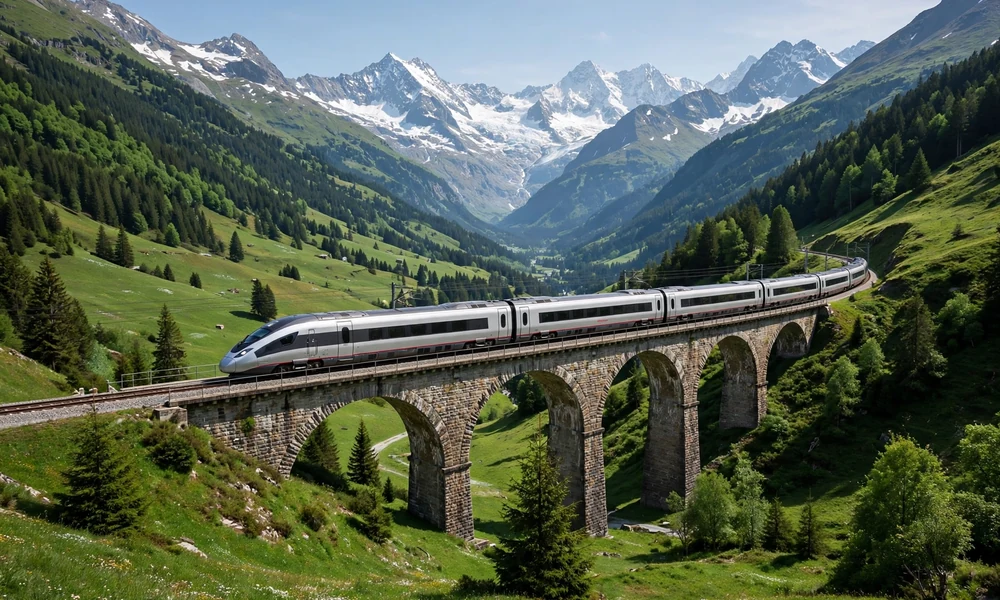
Scenery is where the train pulls clearly ahead. A cruise gives you beautiful sea views, sunsets over open water and the drama of arriving in a harbour by boat, and those moments are genuinely memorable. The train gives you a constantly changing view: vineyards in France, lakes in Switzerland, forests in Germany and the coastline of Italy, all from a comfortable seat with a wide window.
Pace is the other side of the same question. A cruise sets the pace for you, and that is restful if you want a holiday that feels like a holiday. A train lets you set your own pace, which is exciting if you love the feeling of a new city every day, but it can be tiring if you try to cover too much ground.
Comfort, Sleep and Space
Comfort on a cruise is built into the deal. Cabins are small but well designed, beds are made every day, and there is always a restaurant, a bar or a quiet corner within a short walk. The trade-off is that you share the ship with thousands of other passengers, so pools and restaurants can feel crowded, and a standard cabin is much smaller than even a modest hotel room.
Trains offer a different kind of comfort. A first-class seat on a fast European train is spacious and quiet, with room to work, read or eat, and the ride is smooth and calm. Sleeping is the weak point: unless you book a sleeper cabin, you will be staying in hotels each night, which means packing and unpacking more often. Your hotel room is yours alone, and you choose where to eat each evening.
Freedom and Flexibility
Freedom is the train’s strongest card. If you fall in love with a town, you can stay an extra night. If the weather turns, you can change direction and head for the coast or the mountains instead. If a festival or a market catches your eye, you can build your day around it. It also helps to know how trains compare with flying across Europe, since trains arrive in city centres while airports sit far outside them.
A cruise trades that freedom for certainty. The itinerary is fixed, the ship leaves at a set time, and you cannot linger in a port that captures your heart. If bad weather closes a port, the ship simply sails on to the next one. The same balance shows up on the road: weighing trains against driving for a European road trip shows the train winning on relaxation and the car winning on the freedom to stop anywhere.
Which One Suits You Best?
Neither option is better in general. Cruises are the best choice for travellers who want relaxation, simplicity and a holiday that runs itself, especially families, older travellers and anyone who finds planning stressful. Trains are the best choice for curious, independent travellers who want to see the real Europe between the ports and shape each day as they go. It also helps to see how cruises compare with flying to a holiday destination, which makes it clear that a cruise is a holiday in itself, not just a way of getting somewhere.
Checklist: Choose the Right Option for You
- Pick a cruise if you want everything arranged and a single price that covers most of your holiday.
- Pick a train if you want to visit small towns and city centres that ships cannot reach.
- Pick a cruise if you travel with children or older relatives who prefer a gentle, predictable pace.
- Pick a train if you enjoy planning, exploring and changing your route as you discover new places.
- Pick a cruise if sea views, onboard dining and evening entertainment matter most to you.
- Pick a train if scenery, local food and the feeling of the journey itself matter most to you.
There is also a middle path that many travellers enjoy. A short cruise of three or four nights can be combined with a few days by train before or after the sailing, giving you the relaxation of the ship and the freedom of the rails in a single trip.
Booking Tips for Both
Booking early matters for both options, but for different reasons. Cruise prices are usually lowest many months ahead, and the best cabins sell first. Train tickets in Europe are often cheapest when they first go on sale, and the price can double or triple as the departure date approaches, so booking the main journeys early and leaving the shorter hops flexible is a sensible approach.
When to Book and What to Watch For
For cruises, check exactly what is included before you book, especially drinks, Wi-Fi, tips and excursions, since these decide the true cost of the trip. For trains, check whether seat reservations are required on the routes you want, and whether your rail pass covers them, since a few popular high-speed services sell out in summer.
Frequently Asked Questions
Is a cruise or a train cheaper for Europe travel?
It depends on how you travel. A cruise is more predictable, since the fare covers your cabin and most meals, while train travel can be cheaper if you book early and stay in modest hotels.
Which is better for seeing lots of places in Europe?
A cruise lets you wake up in a new port each morning without packing, which is ideal for seeing several coastal cities. A train lets you reach inland cities and small towns that ships cannot visit, so it covers more of the continent overall.
Do trains or cruises suit families better?
Cruises usually suit families better, because meals, entertainment and childcare are organised for you and children can enjoy the pools and activities. Trains suit older children and teenagers who enjoy exploring cities and trying new food.
Can you get seasick on a European cruise?
Most Mediterranean and Baltic sailings are calm, and modern ships have stabilisers that reduce movement a great deal. If you are prone to seasickness, choose a larger ship and a cabin in the middle of the ship.
Do I need a rail pass for train travel in Europe?
A rail pass is good value if you plan several long journeys in a short period, but it is not always the cheapest option. If you are taking only two or three journeys and you book early, individual advance tickets are often cheaper.
Can I combine a cruise and a train in one trip?
Yes, and it is one of the best ways to see Europe. Many travellers take a short cruise and then continue by train from the arrival port, or arrive by train and board a cruise.
The Bottom Line
The best choice for Europe travel is the one that matches how you like to spend your days. Choose the cruise if you want a relaxed, all-in-one holiday where the ship is part of the pleasure and every detail is handled for you. Choose the train if you want freedom, scenery and the feeling of discovering Europe at ground level, one town at a time.