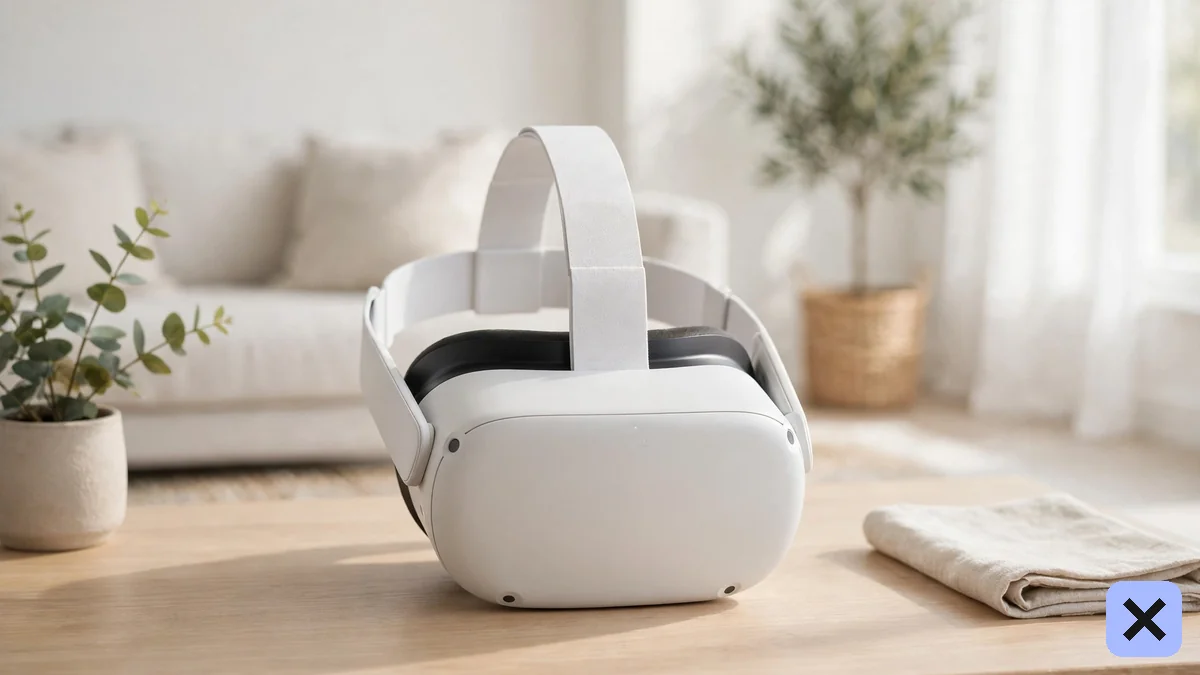
The best VR headsets in 2026 finally feel like finished products rather than experiments. Standalone headsets are sharper, lighter and easier to set up than the models of just a few years ago, while high-end mixed-reality headsets now deliver the clarity and comfort that make long sessions genuinely enjoyable. Whether you want to play games, work out, watch films or explore virtual worlds with friends, there is now a headset that fits the way you live.
Choosing the best VR headset in 2026 is less about chasing the highest specification and more about matching a headset to your habits. A standalone headset suits most people because it needs no computer or cables. A PC headset suits serious gamers who already own a powerful computer, while a mixed-reality headset suits people who want digital screens blended with the room around them. The right choice depends on your budget, your space and how long you plan to wear it.
This guide compares the strongest VR headsets of 2026 across comfort, display quality, tracking, controllers, battery life, game libraries and value for money. We explain what each type does best, who it suits and where it falls short, so you can buy once and buy well. If you already enjoy immersive gaming, our guide to the best gaming headsets of 2026 is a useful companion, because good audio matters just as much inside a virtual world.
Key takeaways
- Standalone headsets are the best starting point for most buyers in 2026, because they need no computer or cables.
- Comfort matters more than raw resolution, since a heavy headset will sit unused after a few weeks.
- Check the game library before you buy, because the best hardware means little without the experiences you want.
- PC headsets deliver the sharpest graphics, but only if you own a powerful gaming computer.
- Test the fit if you can, and measure your play space before you buy.
How We Chose the Best VR Headsets in 2026
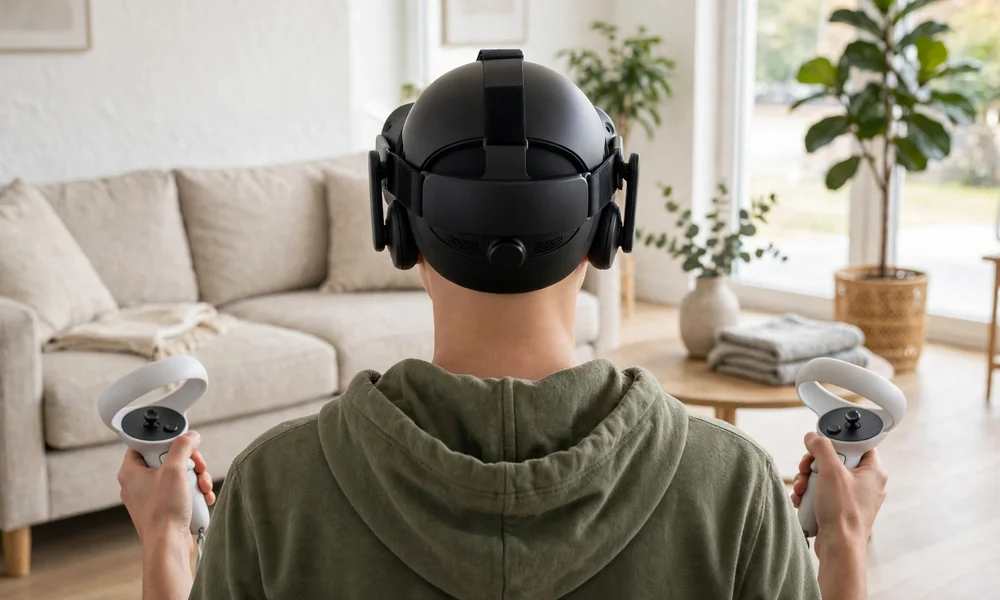
We judged every headset on the things that shape daily use, not on marketing claims. Display quality came first, including sharpness, field of view, colour and how smooth motion feels when you turn your head. We also weighed comfort heavily, because a headset presses against your face for every minute you use it. Weight, balance, strap design and the quality of the face cushion all count.
Tracking and controllers came next. Modern inside-out tracking uses cameras on the headset itself, so most people no longer need sensors around the room. Good controllers should feel natural, track reliably and last for many hours on a charge. We also looked at battery life, the breadth of each store, ease of setup and the cost of extras such as a better strap or prescription lens inserts. A cheap headset that needs expensive accessories is not always the bargain it first appears to be.
The Best VR Headsets 2026 at a Glance
| Headset | Best for | Type | Standout strength |
|---|---|---|---|
| Meta Quest 3 | Most people | Standalone | Sharp display and huge library |
| Meta Quest 3S | Best value | Standalone | Lowest price, same library |
| Apple Vision Pro | Mixed reality | Standalone | Superb screens and apps |
| PlayStation VR2 | Console gamers | Tethered | Stunning exclusive games |
| Pico 4 Ultra | Lightweight comfort | Standalone | Balanced design, crisp lenses |
The Best VR Headsets of 2026
Each headset below earns its place for a different reason. Some win on value, some on comfort, and some on sheer visual quality.
Meta Quest 3: Best Overall VR Headset
The Meta Quest 3 remains the best VR headset for most people in 2026. It is a standalone headset, so it needs no computer or console, and it sets up in minutes. Its pancake lenses deliver a sharp, clear image across most of the field of view, and full-colour passthrough lets you see your room clearly when you need to. The game library is the largest in standalone VR, covering fitness, adventure, puzzle, sport and social apps.
Comfort is good for typical sessions, though many owners add a sturdier strap for longer play. Battery life runs for around two hours, which suits most sessions but means longer ones need a break or a battery strap. For the balance of price, quality, content and ease of use, no other headset in 2026 does as much for as many people.
Meta Quest 3S: Best Value VR Headset
The Meta Quest 3S is the best value VR headset of 2026, and the right choice if you want the full Quest library at the lowest price. It uses the same processor and controllers as the Quest 3 and runs the same games and apps. The main difference is the older Fresnel lenses, which give a slightly narrower sweet spot and a softer image at the edges.
For many first-time buyers that trade-off is easy to accept, because the saving is substantial and the core experience remains strong. The Quest 3S is light, simple to set up and ideal for families, fitness and casual play. If you plan to use VR every day, the Quest 3 is worth the extra money for its sharper optics.
Apple Vision Pro: Best Mixed-Reality Headset
The Apple Vision Pro is the most impressive mixed-reality headset you can buy in 2026, and also the most expensive by a wide margin. Its micro-OLED displays are exceptionally sharp, with vivid colour and text that stays readable even at small sizes. Eye and hand tracking feel natural, and the device works as a set of floating screens for films, photos, work and browsing.
It is not the best choice for most gamers. The game library is smaller than the Quest store, the device is heavier, and the price puts it firmly in premium territory. Yet for people who want the best screens and the most polished apps, nothing else comes close. Think of it as a spatial computer that also plays VR, rather than a games headset first.
PlayStation VR2: Best VR Headset for Console Gamers
PlayStation VR2 is the best VR headset for anyone who already owns a PlayStation 5. It connects with a single cable, sets up quickly, and delivers some of the most polished VR games available, including exclusive adventures built around the console. Its OLED display produces deep blacks and rich colour, while eye tracking and headset vibration add a sense of presence that standalone headsets rarely match.
The trade-off is that it only works with a PlayStation 5, so it is not a general-purpose headset for work or standalone play. For console owners who want the most cinematic VR games of 2026, however, PlayStation VR2 offers an experience that is hard to beat at its price.
Pico 4 Ultra: Best Lightweight VR Headset
The Pico 4 Ultra is the best lightweight VR headset for buyers who value comfort and balance above all else. Its battery sits at the back of the strap, which spreads the weight evenly and stops the front of the headset from pressing into your face. Pancake lenses keep the image sharp, and the slim design makes it easy to wear for longer sessions.
Its app store is smaller than the Quest store, so check that the games you want are available before you buy. If comfort is your main concern, or you have found other headsets too front-heavy, the Pico 4 Ultra deserves a place on your shortlist.
Standalone or PC VR: Which Should You Choose?
Standalone headsets run everything on the device itself. You put the headset on, pick a game, and you are playing within a minute. There are no cables, no computer and no sensors to install. That freedom is why standalone headsets suit most buyers, including families, fitness users and anyone new to VR. The graphics are good, though not as detailed as a powerful PC can produce.
PC headsets connect to a gaming computer and use its power to render richer worlds with more detail and smoother motion. If you already own a strong gaming PC, a PC headset can deliver the most impressive VR you will see in 2026, and our guide to the best gaming laptops of 2026 is worth reading if you are thinking about upgrading first. If you do not own a gaming PC, the computer plus the headset makes this the most expensive route into VR.
Comfort, Lenses and Display Quality
Comfort decides whether a headset becomes a habit or gathers dust. A headset that feels fine for ten minutes can become uncomfortable after forty, especially if the weight sits on your forehead or cheeks. Look for a balanced design, a strap that spreads pressure evenly, and a face cushion that seals out light without pressing too hard. If you wear glasses, check whether the headset fits them or whether prescription lens inserts are available.
Lenses shape what you see. Pancake lenses give a sharper image and a slimmer headset than older Fresnel lenses. Resolution matters, but so does the field of view and the refresh rate. Before you buy, read our guide to the worst VR headsets for comfort, so you know which designs to avoid.
What to Check Before You Buy
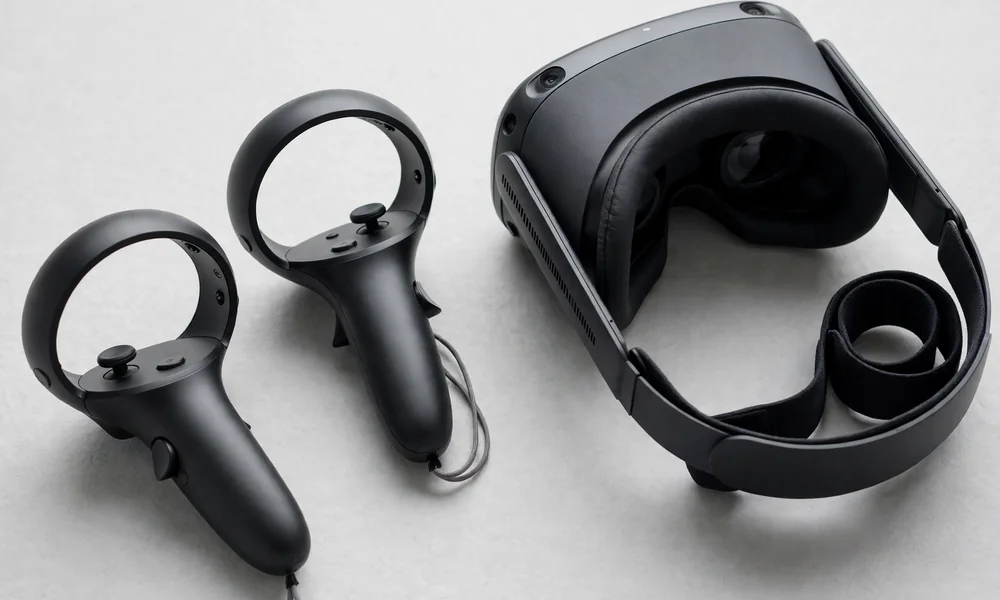
A good VR headset should fit your room, your budget and your patience for setup. Measure your play space and clear a safe area before the headset arrives, because most games need room to reach, turn and step safely. Check the store for the games and apps you want, and look at the total cost, including a better strap and any lens inserts, rather than the headline price alone.
Buying Checklist
- Measure your play space and clear furniture and fragile objects from the area.
- Check that the games you want are available in the headset store.
- Test the fit if you can, especially if you wear glasses.
- Compare battery life with your usual session length and budget for a battery strap.
- Add up the total cost, including a better strap and prescription lens inserts.
- Confirm the return policy, so you can send it back if the fit is wrong.
Frequently Asked Questions
These are the questions buyers ask most often before choosing a VR headset.
What is the best VR headset for beginners in 2026?
The Meta Quest 3 is the best choice for most beginners, because it needs no computer, sets up quickly and has the largest library of games and apps. The Quest 3S is the best budget alternative.
Do I need a PC to use a VR headset?
No, not for a standalone headset such as the Quest 3, Quest 3S or Pico 4 Ultra, which run games and apps on the device itself. You only need a PC if you want to play the most demanding PC VR games.
How much space do I need for VR?
Most standing games work in a clear area of about two metres by two metres, while seated games need far less. Measure your room and clear the area before you play.
Can I wear glasses with a VR headset?
Most headsets fit glasses, though comfort varies by model and frame size. Many owners prefer prescription lens inserts, which slot into the headset and give a clearer view without glasses.
Does VR cause motion sickness?
Some people feel unwell at first, especially in games with fast movement. Start with short sessions, choose games with teleport movement or comfort settings, and take breaks. Most people adjust over time.
How long does a VR headset battery last?
Standalone headsets usually last around two hours of active play. A battery strap can extend that time, and tethered headsets have no battery limit because they draw power from the console or PC.
The Bottom Line
The best VR headset in 2026 for most people is the Meta Quest 3, because it balances sharp visuals, comfort, content and price better than any rival. Buy the Quest 3S if your budget is tight and the PlayStation VR2 if you own a PlayStation 5. Choose for comfort and content first, and you will end up with a headset you use.