
Avoid the Worst Boxers of 2026: Fight Patterns That Always Lose
The worst boxers of 2026 do not lose because they lack power or because they met a better fighter on the night. They lose the same way, fight after fight, because of patterns that were never fixed: no jab, no defence, no plan for the later rounds, and no answer when the first plan fails. Boxing looks simple from the outside, two people trading punches, but it is a sport of distance, timing, footwork and patience, and the boxers below fail at one or more of those things so reliably that the result is rarely in doubt.
One thing is worth saying first. Every type below covers the full range of styles, from brawlers who walk forward throwing everything, to counter-punchers who wait so long the fight passes them by, to southpaws who have one punch and no idea what to do when it is taken away, to sluggers who rely on a single heavy shot. The style is not the problem. The problem is what is missing underneath it: the jab, the footwork, the defence, or the conditioning that a style needs to work. The same lesson shows up across combat sports, and our guide to the best boxing gloves of 2026 makes the related point that good equipment helps only when the fundamentals underneath it are sound.
Key takeaways
- The worst boxers lose on the jab first: without it they cannot measure distance, set up power shots, or keep an opponent off them.
- One punch is not a game plan. Boxers who throw the same shot all fight get read within a round and punished for the rest of the night.
- Footwork is the foundation of boxing, and every type on this list has a footwork problem hiding underneath the flashier mistake.
- Defence wins rounds. A boxer who cannot slip, block or move their head will get hit cleanly by anyone with basic timing.
- Watch the first round closely. Flat feet, a dropped guard and a jab that never comes will tell you who is in trouble.
How the worst boxers of 2026 were chosen
Every type below was judged on five measures. The jab comes first: does the boxer throw it, does it land, and does it set up anything else? Footwork is second, judged on balance, movement in both directions, and whether the feet and the hands work together. Defence is third, because a boxer who cannot avoid punches will lose to anyone who can land them. Conditioning is fourth: what happens in the later rounds, when the legs go and the guard drops? Adaptability is the fifth measure, and the most telling, because the worst boxers fight the same fight against every opponent.
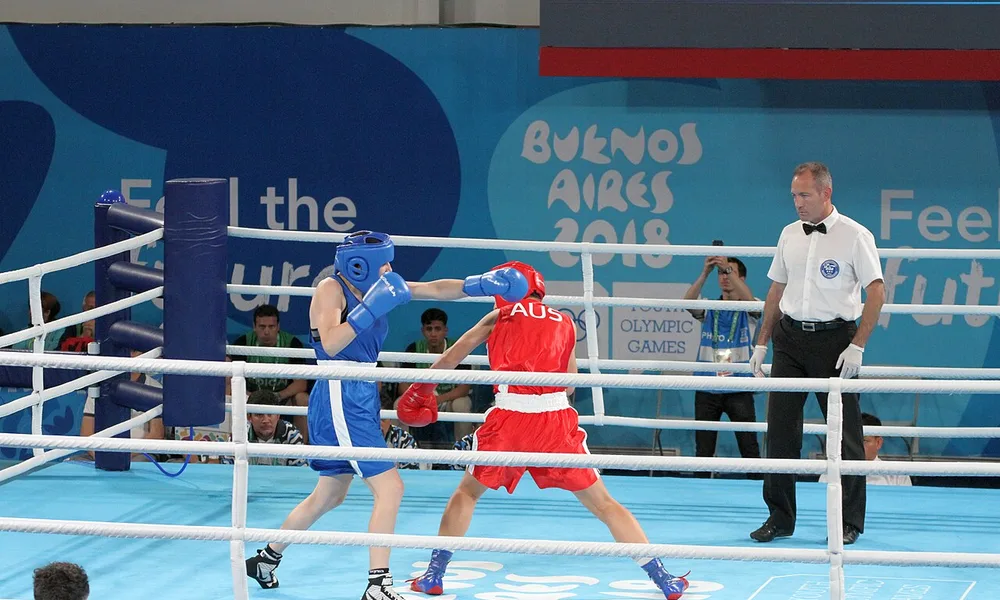
Comparison table: the worst boxers of 2026
| Rank | Boxer type | Style | Biggest flaw | What gives them away |
|---|---|---|---|---|
| 1 | The no-jab brawler | Brawler | Walks in with no jab at all | Wild hooks from too far out, eats counters |
| 2 | The head-hunter | Slugger | Only throws head shots, no body work | High guard opponents walk through them |
| 3 | The flat-footed slugger | Slugger | Plants feet, cannot move or cut off the ring | Stuck in one spot, chasing all night |
| 4 | The counter-puncher who never counters | Counter-puncher | Waits forever, throws nothing back | Loses every round on activity |
| 5 | The glass-chinned showboat | Showboat | Drops the guard to show off, no defence | Hands down, chin up, hurt by the first clean shot |
| 6 | The one-round wonder | Brawler | Gasses after the first round | Mouth open, hands dropping by round two |
| 7 | The one-punch southpaw | Southpaw | Only the straight left, nothing else | Opponents circle away from the left all night |
The worst boxers of 2026
1. The no-jab brawler: the worst boxer of 2026
The no-jab brawler is the worst boxer of 2026 because the mistake is so basic that everything else collapses behind it. This boxer walks forward from the first bell throwing wide hooks and overhand rights, with no jab to measure the distance, no jab to set up the power shots, and no jab to keep the opponent off them. The jab is the most important punch in boxing, and a boxer without one is fighting blind: every big shot starts from too far away, telegraphed and easy to slip, and every time the opponent steps in, there is nothing to stop them. What makes this type the worst is that the fix is unglamorous and slow: months of jab-only sparring, double jabs, jab to the body, jab to set up the right hand, done until the jab becomes automatic.
2. The head-hunter: big shots, no body work
The head-hunter looks dangerous for one round, which is exactly how long it takes a competent opponent to work out what is happening. This boxer throws nothing but head shots, chasing the knockout with every punch, and never once goes to the body. The problem is that a good guard stops head shots, and a boxer who never attacks the body never makes the opponent drop that guard, never slows their legs, and never takes their breath away. Body punching is the slow investment in boxing: it pays off late, when the opponent cannot move and cannot breathe, and the head-hunter never makes that investment.
3. The flat-footed slugger: heavy hands, nowhere to go
The flat-footed slugger has genuine power, and that is what keeps the habit alive. This boxer plants both feet, swings hard, and hopes the opponent stays in range, which a good opponent never does. Boxing is a sport of movement, and a slugger who cannot move cannot cut off the ring, cannot step in behind the jab, and cannot get out of the way when the counters come back. The flat-footed slugger does none of that, standing in one spot and waiting for a target that has already moved.
4. The counter-puncher who never counters: waiting the fight away
Counter-punching is a real skill in boxing, which is what makes this type so hard to coach out of the habit. The counter-puncher who never counters does not actually counter-punch at all. They wait. They watch the opponent throw, slip the punch, and then do nothing, round after round, while the opponent piles up points. Judges score activity, and a boxer who throws ten punches a round will lose to a boxer who throws fifty, no matter how clean the defence looks.
5. The glass-chinned showboat: style with no defence
The glass-chinned showboat is the most entertaining type on this list to watch and the most painful to coach. The hands drop, the chin goes up, the shoulders roll, and the crowd loves it, right up until the first clean shot lands. This boxer treats defence as optional, relying on reflexes and showmanship instead of a guard, head movement and footwork, and the reflexes always slow down before the opponent stops punching. They drop the guard because it looks good, not because they have the defence to back it up, and the result is a short, exciting career of getting hurt.
6. The one-round wonder: empty by round two
The one-round wonder wins the first round of every fight and then loses the rest of it. This boxer comes out fast, throws everything in three minutes, and has nothing left when the bell rings for round two. The mouth opens, the hands drop, the feet slow down, and the opponent, who has been patient, takes over completely. Conditioning is the least glamorous part of boxing and the one that decides more fights than any punch, because a tired boxer cannot defend, cannot move, and cannot think clearly enough to change the plan.
7. The one-punch southpaw: the left hand is the whole plan
Southpaws are supposed to be awkward, and the one-punch southpaw takes that reputation and turns it into a weakness. This boxer has one weapon, the straight left hand, and nothing else: no right hook, no jab to set the left up, no body work, and no idea what to do when an opponent circles away from the left side all night. But a good opponent only needs a round to work it out. Circle to the right, keep the lead foot outside, and the left hand becomes a punch thrown from too far away, telegraphed and easy to slip. The one-punch southpaw has no answer, because there was never a second punch to switch to, and the bout becomes a demonstration rather than a contest.
What to avoid if you box: the habits that keep boxers bad
The honest check is to watch a recording of your own fight and count three things: how many jabs you threw, how many different punches you used, and how your guard looked in the last round compared with the first. If the first number is low, the problem is the jab, and the fix is jab-only sparring. If the second number is one, the problem is variety, and the fix is to throw a different combination every round for a month. If the guard has dropped by the later rounds, the problem is conditioning, and the fix is roadwork and long sparring rounds. The same honest counting works in other sports, and our ranking of the worst tennis players of 2026 makes the same point about athletes who keep repeating the same mistake and calling it a style.
Checklist: spotting the worst boxers of 2026
- Count the jabs in the first round. No jab by the middle of the round means no plan at all.
- Watch the feet, not the hands. If a boxer cannot move, they cannot cut off the ring or escape trouble.
- Check the body work. A boxer who never punches the body will fade late while the opponent stays fresh.
- Look for the answer. A slipped punch with no counter back is a boxer who is waiting the fight away.
- Watch the guard in the later rounds. Hands dropping and mouth open by round three means the conditioning is gone.
- Note what changes after a lost round. Nothing changing means no plan B and a fight that is already over.
Frequently asked questions
What makes a boxer the worst in 2026?
A boxer earns the label by repeating the same losing patterns across fights: no jab, no defence, one punch and no adaptation.
Which style has the worst boxers?
Every style has its own version. Brawlers lose without a jab, sluggers lose without footwork, counter-punchers lose by waiting, and southpaws lose with only one punch.
Can a bad boxer improve quickly?
Yes, if the diagnosis is honest. The jab and the guard improve fastest with drills, while conditioning and variety take longer because they need weeks of roadwork and sparring.
Is boxing mostly about power or footwork?
Footwork decides more fights than power. Distance, timing and balance all come from the feet, and power only matters when the feet put the boxer in range to land it.
How do you spot a bad boxer before a fight starts?
Watch the warm-up. Flat feet, a dropped guard, a jab that never comes in shadow boxing, and heavy breathing after light work all show up before the first bell rings.
Why do bad boxers keep throwing the same punch?
Because it landed once, usually against an overmatched opponent, and the memory of that one shot outweighs ten misses.
Bottom line
The worst boxers of 2026 are not the least talented boxers, but the least adaptable ones: the no-jab brawler who never measures distance, the head-hunter who never works the body, the flat-footed slugger who never moves, the counter-puncher who never counters, the showboat who never defends, the one-round wonder who never lasts, and the one-punch southpaw who never varies. Until then, the first round will keep telling the whole story. For a wider look at how the same patterns sink athletes in other sports, our ranking of the worst golfers of 2026 is the best place to start.


