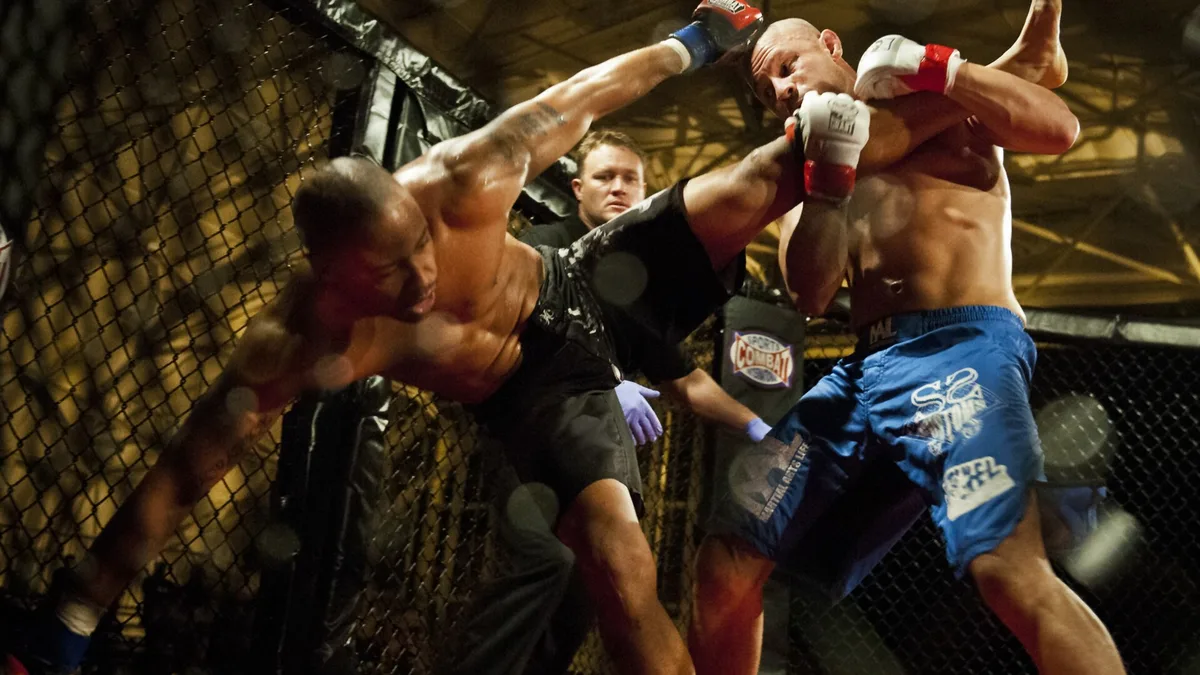
Worst Kickboxers 2026: Stand-Up Strikers Who Lose the Same Way Every Fight
The worst kickboxers of 2026 do not lose because they lack power or because they met a better fighter on the night. They lose the same way, fight after fight, because of patterns that were never fixed: no low kicks, no answer in the clinch, no defence against the legs, and no plan for what happens when the first flashy strike misses. Kickboxing is a sport of distance, timing, leg work and clinch craft, and the kickboxers below fail at those things so reliably that the result is rarely in doubt.
Key takeaways
- The worst kickboxers lose on the legs first: without low kicks they cannot slow an opponent, and without checking them they cannot stay standing.
- One big head kick is not a game plan. Kickboxers who throw the same flashy strike all fight get read within a round.
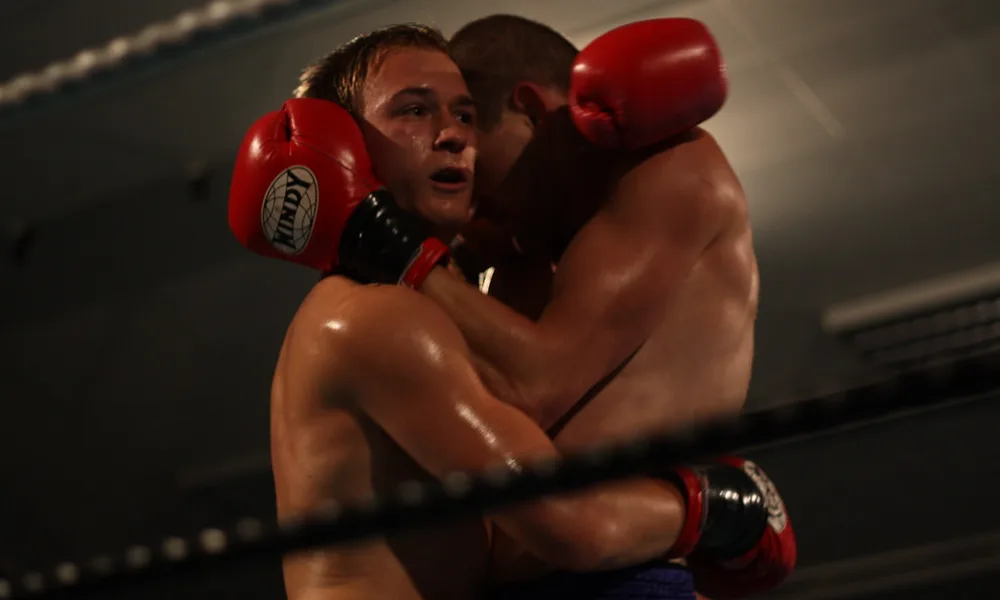
- The clinch decides more kickboxing fights than the highlight reels admit.
- Distance is everything in kickboxing. A fighter who cannot manage range with the teep and the jab will get walked down by anyone with basic pressure.
- Watch the first round closely. A leg that is already red, a dropping guard, and a fighter who only moves in straight lines will tell you who is in trouble.
How the worst kickboxers of 2026 were chosen
Every type below was judged on five measures. Leg work comes first: does the kickboxer throw low kicks, check them, and actually damage the opponent? Clinch craft is second, judged on knees, control and whether the fighter can work or only survive when tied up. Distance management is third, because a kickboxer who cannot hold range with the teep and the jab will be walked down all night. Defence is fourth: what happens when the kicks come back, and does the guard hold when the legs get heavy? Conditioning is the fifth measure, because the worst kickboxers fade the same way every time.
One thing is worth saying first. Every type below covers the full range of stand-up styles, from pressure fighters who walk forward throwing everything, to counter-strikers who wait too long, to tall kickers with one long weapon. The style is not the problem. The problem is what is missing underneath it: the low kick, the clinch, the teep, or the conditioning. Kickboxing is stand-up striking only, with no grappling and no ground game, so every flaw here lives on the feet. The same lesson shows up across combat sports, and our guide to the worst boxers of 2026 makes the related point that good hands help only when the fundamentals underneath them are sound.
Comparison table: the worst kickboxers of 2026
| Rank | Kickboxer type | Style | Biggest flaw | What gives them away |
|---|---|---|---|---|
| 1 | The head-kick hunter | Flash striker | Only throws head kicks, nothing else | High guard opponents walk through them |
| 2 | The no-low-kick striker | Puncher-kicker | Never attacks the legs at all | Opponents stay fresh and mobile all fight |
| 3 | The checker who never checks | Counter-striker | Absorbs every low kick on the thigh | Leg goes red, then dead, by round two |
| 4 | The teep-less plodder | Pressure fighter | No push kick to manage distance | Walks into counters with nothing to stop them |
| 5 | The clinch-free striker | Long-range kicker | No knees and no clinch control | Helpless and exhausted whenever tied up |
| 6 | The straight-line charger | Brawler | Only moves forward and back, never at angles | Sidestepped and kicked from the side all night |
| 7 | The point-fighter in a power sport | Point fighter | Flicks light kicks for points, no damage | Opponents walk through the kicks and take over |
The worst kickboxers of 2026
1. The head-kick hunter: one flashy kick, nothing behind it
The head-kick hunter is the worst kickboxer of 2026 because the mistake is so basic that everything else collapses behind it. This kickboxer throws head kicks the way a gambler pulls a slot machine, hoping one lands clean, and throws almost nothing else. Without a low kick, a body kick and a jab to set it up, every big kick starts from too far away, telegraphed and easy to slip. What makes this type the worst is that the fix is unglamorous and slow: months of low kicks, body kicks and jabs, thrown until the set-up becomes automatic and the head kick becomes a surprise instead of a habit.
2. The no-low-kick striker: hands and head kicks, no foundation
The no-low-kick striker looks dangerous for one round, which is exactly how long it takes a competent opponent to work out what is happening. This kickboxer throws hands and head kicks and never once goes to the legs. The problem is that a good opponent stays mobile when their legs are never attacked, and a kickboxer who never chops the legs never slows them down. Low kicks are the slow investment in kickboxing, and this striker never makes it.

3. The checker who never checks: a leg that dies in public
The checker who never checks has genuine toughness, and that is what keeps the habit alive. This kickboxer absorbs low kick after low kick on the same thigh and never once lifts the shin to block one. A kickboxer who cannot check a low kick cannot stay standing for three rounds: the leg swells, the footwork slows, and by round two every step hurts. The fix is simple, lifting the knee and turning the shin into the kick, drilled until it is automatic.
4. The teep-less plodder: no tool to hold the distance
The teep, the front push kick, is the kickboxer’s jab for the legs, and the teep-less plodder does not have one. This kickboxer walks forward all night with nothing to keep the opponent off them: no push kick, no stiff jab, just forward steps and hope. Against a mover it means chasing all night, and against a pressure fighter it means getting walked down. The plodder’s forward march looks brave for a round, then predictable, because every step forward is a step into range with no control. Distance is a skill in kickboxing, and this type never learned it.
5. The clinch-free striker: lost the moment the fight ties up
Clinching is a real skill in kickboxing, which is what makes this type so hard to coach out of the habit. The clinch-free striker loves open space and long kicks, and the moment an opponent ties them up, the fight is effectively over. They do not throw knees, control the head, or turn the opponent, they just hold on and wait for the referee. The referee separates them only for a moment, and then the opponent ties them up again. A kickboxer who cannot work in the clinch gives away a third of the sport.

6. The straight-line charger: forward and back, never sideways
The straight-line charger has genuine aggression, and that is what keeps the habit alive. This kickboxer moves in exactly two directions, forward and back, and never once steps to an angle. A charger who cannot sidestep cannot cut off the ring, step around a guard, or get out of the way when the counters come back. A good opponent steps to the side, kicks the open ribs, and repeats it all night. Footwork is the delivery system for every strike, and this type delivers everything straight down the middle.
7. The point-fighter in a power sport: busy kicks, no damage
The point-fighter in a power sport is the most frustrating type on this list to watch, because everything looks right until you look at the scoreboard and the opponent. The kicks are fast, the combinations are long, the volume is high, and none of it hurts anybody. This kickboxer flicks light kicks to score touches, the way point fighting rewards, and never sits down on a strike, never digs a low kick, never commits to a knee. Against a durable opponent, that means the opponent walks through the flicks and starts landing the heavy shots. Kickboxing rewards damage, not activity, and a kickboxer who will not commit loses to one who will.
What to watch for when sizing up a kickboxer
The most common mistake when judging a kickboxer is falling for the highlight: one big head kick on a reel tells you almost nothing about the next fight. Watch the boring parts instead. Does the low kick come out in the first minute? Does the shin lift to check the kicks coming back? Does the teep appear when the opponent steps in? Does the fighter work in the clinch, or just wait to be separated? The same checks work in other combat sports too, and our guide to the worst fencers of 2026 makes the same point about habits that lose bouts before they start, because the patterns are the same everywhere. If the answers are all no, the highlight reel is hiding a kickboxer who loses the same way every time.
Checklist: spotting the worst kickboxers
- Count the low kicks in round one. Fewer than five is a warning, and none at all is a red flag.
- Watch the lead leg after the first low kick lands. If it is never checked, the leg will be gone by round two.
- Look for the teep. A kickboxer with no push kick has no way to hold distance when pressured.
- Watch what happens in the clinch. Knees and head control mean a complete fighter; holding and waiting mean a lost round.
- Check the angles. A fighter who only moves forward and back will be sidestepped all night.
- Judge the damage, not the volume. Light flicking kicks that never hurt anyone lose to one committed low kick at a time.
Frequently asked questions
What makes a kickboxer the worst in 2026?
A repeating pattern, not one bad night: no low kicks, no clinch work, no defence against the legs, or no plan when the first flashy strike misses.
Is kickboxing the same as boxing?
No. Kickboxing is stand-up striking with punches, kicks and knees, and the clinch matters far more than in boxing. A great boxer can still be a terrible kickboxer if the legs and the clinch are missing.
Why do low kicks matter so much in kickboxing?
Low kicks slow the opponent down, take away their movement and pay off late. A kickboxer who never throws them lets the opponent stay fresh for all three rounds.
What is the teep, and why does it matter?
The teep is the front push kick, used to hold distance and stop an opponent walking in. Without it, a kickboxer has no tool to manage range and gets walked down all night.
Can a kickboxer win with head kicks alone?
Almost never at a serious level. Head kicks need set-ups, and opponents who have seen one will guard high and punish the rest.
How do I spot a bad kickboxer before a fight starts?
Watch the first round for the basics: low kicks thrown and checked, a teep to hold distance, work in the clinch, and movement at angles.
Bottom line
The worst kickboxers of 2026 are not the ones with the least talent, they are the ones with the most un-fixed habits: the head-kick hunter with one strike, the striker who never attacks the legs, the checker who never checks, the plodder with no teep, the striker who cannot clinch, the charger who never steps sideways, and the point-fighter who will not commit. Spot the pattern in the first round, and you will know how the fight ends before the final bell. For the gloves behind the hands, our guide to the best boxing gloves of 2026 covers the kit that supports the fundamentals these fighters are missing.