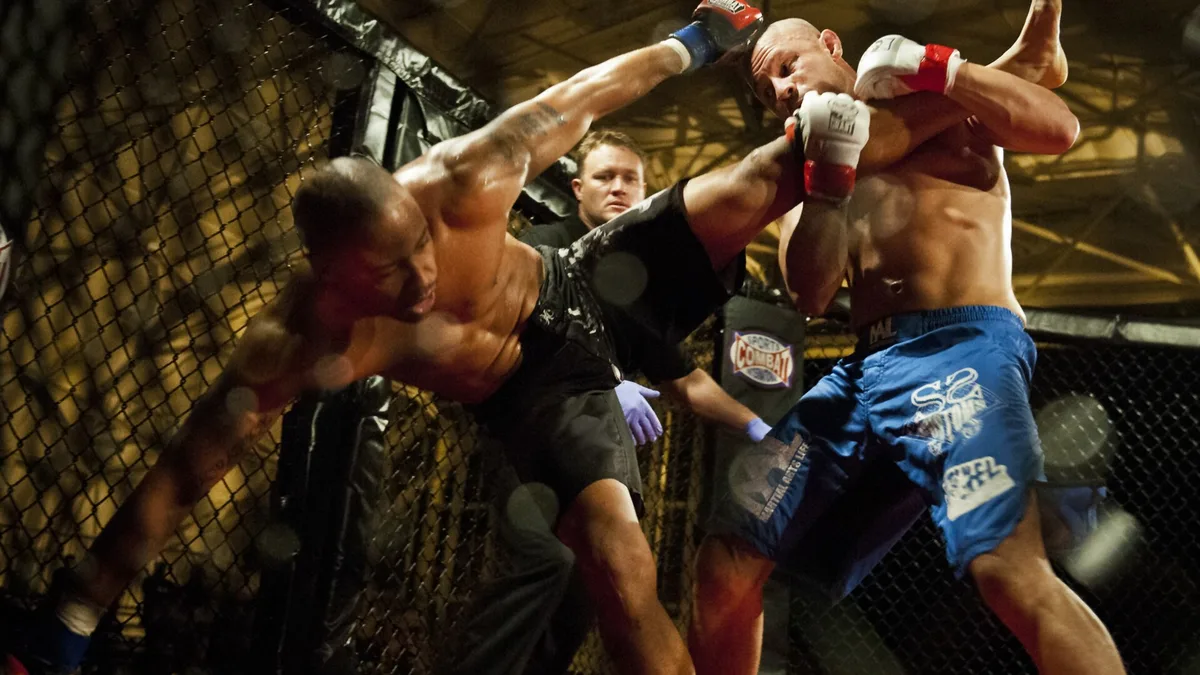
Beware the Worst MMA Fighters of 2026: Striking and Grappling Patterns That Always Lose
The worst MMA fighters of 2026 do not lose because they lack power or because they met a better fighter on the night. They lose the same way, fight after fight, because of patterns that were never fixed: no takedown defence, no ground game to fall back on, no answer when the fight changes phase, and no plan for what happens when the first plan fails. Mixed martial arts is a sport of phases, transitions, cage control and patience, and the fighters below fail at those things so reliably that the result is rarely in doubt.
Key takeaways
- The worst MMA fighters lose on the transitions first: without takedown defence they cannot keep the fight standing, and without a ground game they cannot survive it on the mat.
- One phase is not a game plan. Fighters who can only strike or only grapple get dragged into the phase they fear within a round.
- The cage decides more MMA fights than the highlight reels admit.
- Control is everything in MMA. A fighter who cannot hold position, escape bad spots or manage distance will get walked down.
- Watch the first round closely. A fighter who backs straight to the fence, shoots from too far out, or chases submissions with no position will tell you who is in trouble.
How the worst MMA fighters of 2026 were chosen
Every type below was judged on five measures. Takedown defence comes first: does the fighter sprawl, stay on the feet, and hold up when the opponent chains attempts together? Ground skill is second, judged on escapes, guard work and whether the fighter can work or only survive when the fight hits the mat. Phase switching is third, because an MMA fighter who cannot move between striking, wrestling and grappling will be dragged into the one phase they fear. Cage craft is fourth: what happens against the fence, and does the fighter use the cage or get trapped by it? Conditioning is the fifth measure, because the worst MMA fighters fade the same way every time.
One thing is worth saying first. Every type below covers the full range of mixed styles, from strikers who walk forward throwing everything, to wrestlers who shoot too often, to grapplers with one submission. The style is not the problem. The problem is what is missing underneath it: the takedown defence, the ground game, the transitions, or the conditioning. MMA mixes striking with grappling, so every flaw here lives across phases, not in one of them. The same lesson shows up across combat sports, and our guide to the worst kickboxers of 2026 makes the related point that stand-up striking alone is never enough when the fight changes shape.

Comparison table: the worst MMA fighters of 2026
| Rank | MMA fighter type | Base style | Biggest flaw | What gives them away |
|---|---|---|---|---|
| 1 | The striker with no takedown defence | Striker | Cannot sprawl or stay on the feet | On the back within a minute of round one |
| 2 | The grappler who cannot strike | Grappler | No jab or footwork to close distance | Picked apart before ever getting a grip |
| 3 | The one-phase fighter | Specialist | Only one range, no transitions at all | Lost the moment the fight leaves their phase |
| 4 | The cage-back walker | Counter-striker | Backs straight to the fence every time | Pinned, pressured and outworked on the fence |
| 5 | The submission hunter with no position | Submission grappler | Chases submissions, loses position first | Swept or reversed after every failed attempt |
| 6 | The position-only grappler | Top-control wrestler | Holds position, never advances or finishes | Stalled rounds and stand-ups that reset the fight |
| 7 | The third-round fade | Finisher | Gasses when the fight goes deep | Hands down, shots gone, by the final round |
The worst MMA fighters of 2026
1. The striker with no takedown defence: dangerous for one minute
The striker with no takedown defence is the worst MMA fighter of 2026 because the mistake is so basic that everything else collapses behind it. This fighter has real hands and real kicks, and none of it matters, because the first takedown attempt puts them on their back within a minute. Without a sprawl, every big shot starts from too far away, telegraphed and easy to time, and every level change has nothing to stop it. The fix is months of sprawl drills and cage wrestling.
2. The grappler who cannot strike: a ground game with no way in
The grappler who cannot strike looks dangerous on paper, which is exactly how long it takes a competent opponent to work out what is happening. This fighter has a real ground game and no way to reach it, because there is no jab, no footwork and no feint to close the distance. The problem is that a good striker keeps a grappler at range with jabs and low kicks, and a fighter who cannot strike never gets a grip or a clinch. Striking is the delivery system for grappling, and this fighter never makes that delivery.
3. The one-phase fighter: a specialist in a mixed sport
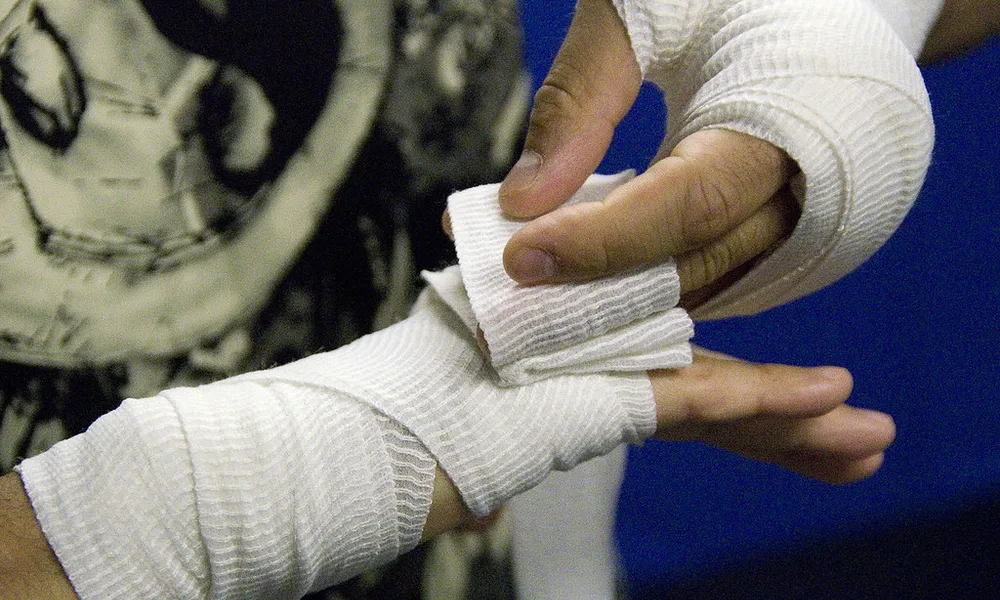
The one-phase fighter has genuine skill, and that is what keeps the habit alive. This fighter is excellent in exactly one range, striking at distance or grappling on the mat, and helpless everywhere else. A fighter who cannot move between phases cannot stay in the one they like: the striker gets taken down, the grappler gets kept at range, and by mid-fight the specialist is in the phase they fear most. The fix is hard: building a second phase from nothing until the transitions happen without thinking.
4. The cage-back walker: trapped by the fence they ignore
The cage is a real weapon in MMA, which is what makes this type so hard to coach out of the habit. The cage-back walker retreats in a straight line every time pressure comes, and the fence is always waiting behind them. They do not circle, cut angles, or use the cage to stand back up, they just walk backwards until there is nowhere left to go. The opponent then pins them there, works the body, and takes the round. A fighter who cannot manage the cage gives away a weapon and hands their opponent one.
5. The submission hunter with no position: chasing the finish, losing the fight
Submission hunting is a real skill in MMA, which is what makes this type so hard to coach out of the habit. The submission hunter with no position does not actually hunt submissions well at all. They chase them. They throw up an armbar from a bad guard, jump a guillotine with no control, and then lose the position, get swept, and spend the rest of the round on the bottom. Judges score control and damage, and a fighter who gives up position for a submission that never comes will lose. Position before submission is the oldest rule in grappling, and this type breaks it every fight.
6. The position-only grappler: control with nothing on top of it
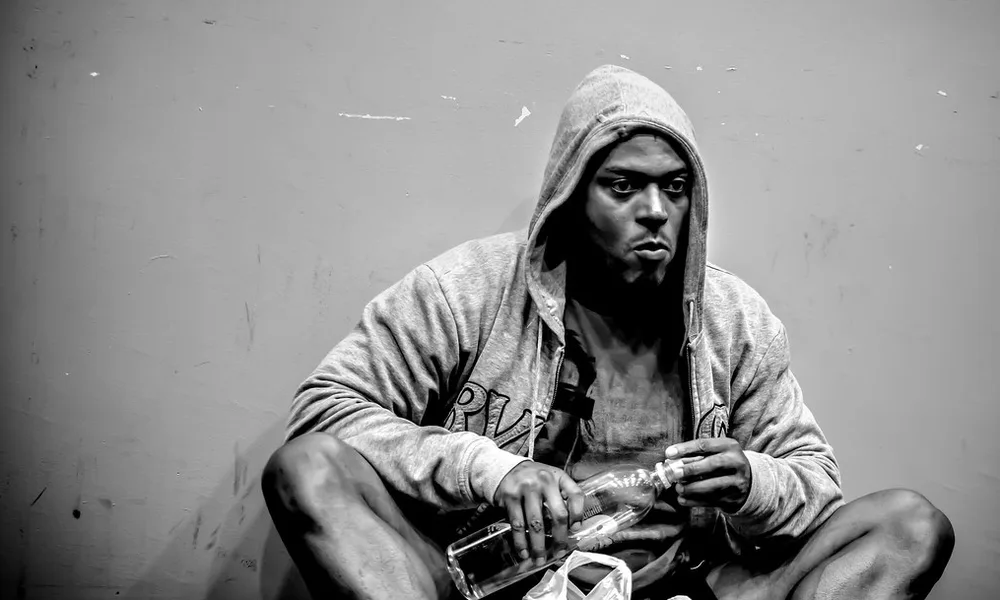
The position-only grappler has genuine control, and that is what keeps the habit alive. This fighter takes the top position, holds it, and does absolutely nothing with it: no ground strikes, no passing, no submission attempts, just weight and waiting. A grappler who cannot advance cannot finish, open the opponent up, or stop the referee from standing the fight back up. A good opponent survives the hold, waits for the stand-up, and wins the striking that follows. The hold itself is not the problem, it is what is missing on top of it. Control without offence is stalling, and stalling loses fights.
7. The third-round fade: a finisher who cannot go deep
The third-round fade is the most frustrating type on this list to watch, because everything looks right until you look at the clock and the fighter. The first round is explosive, the combinations sharp, the takedowns fast, and none of it lasts. This fighter empties the tank chasing an early finish, and by the third round the hands are down, the shots are gone, and the defence has gone with them. Against a durable opponent, that means the opponent survives the storm and starts landing the shots that end fights. MMA rewards fighters who can go deep, not fighters who can only go hard for five minutes.
What to watch for when sizing up an MMA fighter
The most common mistake when judging an MMA fighter is falling for the highlight: one big knockout on a reel tells you almost nothing about the next fight. Watch the boring parts instead. Does the sprawl come out when the opponent changes levels? Does the jab appear when the fighter needs to close distance? Does the fighter circle off the fence? Does the ground game advance, or just hold on? The same checks work in other combat sports too, and our guide to the worst boxers of 2026 makes the same point about fundamentals that decide fights before the finish, because the patterns are the same everywhere. If the answers are all no, the highlight reel is hiding a fighter who loses the same way every time.
Checklist: spotting the worst MMA fighters
- Watch the first takedown attempt. If there is no sprawl, the striker is already in trouble.
- Count the jabs before the first clinch. A grappler with no jab has no way into the fight.
- Watch the feet against the fence. Straight-line retreat means the cage will trap them within a round.
- Check the ground game. Position with no advancement and no strikes is stalling, not control.
- Look for transitions. A fighter who cannot move between striking, wrestling and grappling has only one phase.
- Judge the third round, not the first. A fighter who fades when the fight goes deep loses to anyone durable.
Frequently asked questions
What makes an MMA fighter the worst in 2026?
A repeating pattern, not one bad night: no takedown defence, no ground game, no transitions, or no plan when the fight changes phase.
Is MMA the same as kickboxing?
No. MMA mixes striking with wrestling and grappling, including takedowns and ground fighting, while kickboxing is stand-up striking only. A great kickboxer can still be a terrible MMA fighter if the takedown defence and the ground game are missing.
Why does takedown defence matter so much in MMA?
Without it, a striker cannot keep the fight standing, and one early takedown can decide all three rounds.
What is cage craft, and why does it matter?
Cage craft is using the fence instead of being trapped by it: circling off it, using it to stand up, and pinning opponents against it. Fighters who walk straight back into the fence hand their opponents control of the fight.
Can a fighter win in MMA with only one skill?
Almost never at a serious level. One-phase fighters get dragged into the phase they fear, and opponents will take the one trick away.
How do I spot a bad MMA fighter before a fight starts?
Watch the first round for the basics: a sprawl against takedowns, a jab to close distance, circling off the fence, and ground work that advances.
Bottom line
The worst MMA fighters of 2026 are not the least talented, they are the ones with the most un-fixed habits: the striker with no takedown defence, the grappler who cannot strike, the one-phase fighter, the cage-back walker, the submission hunter with no position, the position-only grappler, and the third-round fade. Spot the pattern in the first round, and you will know how the fight ends before the final bell. Watch the transitions, the fence and the third round, and the loser will show themselves early. The same habit-spotting works in other combat sports, and our guide to the worst fencers of 2026 shows the same patterns deciding bouts in a very different arena.


