Skip These Judoka Types: The Worst Judokas of 2026 and the Habits That Lose Every Bout
The worst judokas of 2026 do not lose because they met a stronger opponent. They lose the same way, bout after bout, because of habits that were never fixed: no attack, no groundwork, no plan for the later minutes, and no answer when the first idea fails. Judo looks simple from the outside, two people in white gripping each other up, but it is a sport of grip fighting, timing, balance and patience, and the judokas below fail at one or more of those things so reliably that the result is rarely in doubt.
One thing is worth saying first. Every type below covers the full range of builds and weight classes, from lightweights who move like lightning to heavyweights who throw with enormous power, to left-sided specialists. The build is not the problem. The problem is what is missing underneath it: the attack, the groundwork, the conditioning or the adaptability that a build needs to work. The same lesson shows up across combat sports, and our guide to the worst boxers of 2026 makes the related point that good tools help only when the fundamentals underneath them are sound.
Key takeaways
- The worst judokas lose on the attack first: without a real throw attempt they cannot score, cannot build pressure, and cannot force the opponent into mistakes.
- One throw is not a game plan. Judokas who attack with the same technique all bout get read within a minute and countered for the rest of the contest.
- Groundwork decides more bouts than most judokas admit, and every type on this list has a groundwork problem hiding underneath the flashier mistake.
- Grip fighting is the jab of judo. A judoka who cannot win the grip cannot set up a throw, cannot defend one, and cannot control the pace.
- Watch the first minute closely. No attack, a passive grip and a judoka already breathing hard will tell you who is in trouble.
How the worst judokas of 2026 were chosen
Every type below was judged on five measures. The attack comes first: does the judoka throw, does the throw score, and does it set up anything else? Grip fighting is second, judged on who wins the sleeve and lapel and whether the grips lead anywhere. Groundwork is third, because a judoka who cannot work on the mat will lose to anyone who can hold them down or turn them over. Conditioning is fourth: what happens in the later minutes, when the grips go and the legs go? Adaptability is the fifth measure, and the most telling, because the worst judokas fight the same bout against every opponent.
Comparison table: the worst judokas of 2026
| Rank | Judoka type | Style | Biggest flaw | What gives them away |
|---|---|---|---|---|
| 1 | The grip fighter who never throws | Defensive grinder | Holds the grip all bout, never attacks | No throw attempt by the first minute |
| 2 | The one-throw specialist | Thrower | Only one technique, nothing else | Same entry every time, easily read |
| 3 | The staller who plays for penalties | Defensive grinder | False attacks and stepping out | Shido warnings piling up by mid-bout |
| 4 | The groundwork ghost | Thrower | No groundwork at all, turtles and waits | Goes flat and waits for the referee to stand them up |
| 5 | The reckless charger | Brawler | Attacks with no setup, gets counter-thrown | Charges in upright, lands on their back |
| 6 | The weight cutter who gasses | Grinder | Cuts too much weight, empty by minute two | Mouth open, grips slipping, no attacks late |
| 7 | The drills-only judoka | Technician | Beautiful in practice, falls apart in live bouts | Perfect repetitions, zero throws against resistance |
The worst judokas of 2026
1. The grip fighter who never throws: the worst judoka of 2026
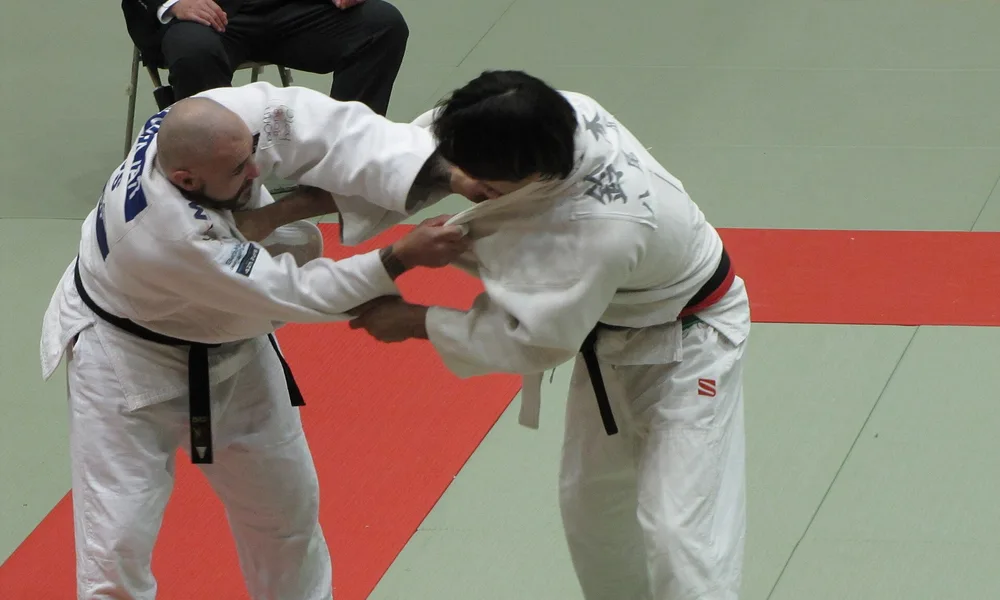
The grip fighter who never throws is the worst judoka of 2026 because the mistake is so basic that everything else collapses behind it. This judoka wins the grip, holds the sleeve and the lapel, shuffles around the tatami, and never once tries to throw. The grip is supposed to be the start of the attack, not the whole contest, and a judoka who treats it as the finish line gives the opponent a free bout: no danger, no pressure, and all the time in the world to set up their own throw. The fix is unglamorous and slow: months of attack-only randori, throwing on every entry, until attacking becomes automatic instead of optional.
2. The one-throw specialist: one entry, no backup
The one-throw specialist looks dangerous for one minute, which is exactly how long it takes a competent opponent to work out what is happening. This judoka has one technique, usually a shoulder throw or an inner thigh reap, and attacks with it the same way every single time. The problem is that a good opponent only needs to see the entry once: step around it, block the hip, and the throw is gone. A judoka needs a second throw for when the first one is stopped, and a third for when the second one is stopped, and the one-throw specialist has neither. The bout becomes a demonstration of one technique failing again and again.
3. The staller who plays for penalties: gaming the rules, losing the bout
The staller who plays for penalties treats the rulebook as the game plan. This judoka throws false attacks that were never meant to score, steps out of the contest area to reset the action, and breaks the grip every time the opponent gets close. The problem is that referees keep count: the shido warnings pile up, and the third one ends the bout. Stalling can steal a minute, but it cannot win a bout, and the judokas who rely on it spend their whole career one warning away from losing.
4. The groundwork ghost: nothing on the mat
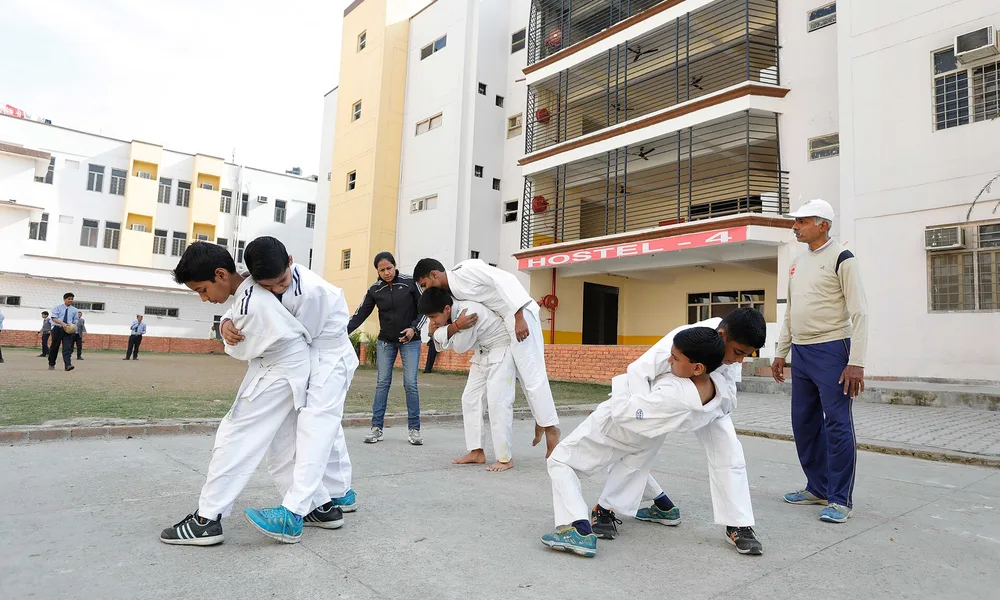
The groundwork ghost is the most one-sided type on this list. This judoka can throw, sometimes well, but the moment the bout hits the mat they disappear: they turtle up, lie flat, and wait for the referee to stand them back up. The problem is that judo is half groundwork, and a judoka who cannot hold a pin, cannot turn an opponent over, and cannot escape one will lose bouts they were winning on their feet. Groundwork is the slow investment in judo: it pays off late, when the opponent is tired and the pins stick, and the groundwork ghost never makes that investment.
5. The reckless charger: all attack, no setup
The reckless charger is the most entertaining type on this list to watch and the most painful to coach. This judoka attacks from the first second, charging forward with no grip, no off-balancing, and no idea what the opponent is doing. The problem is that judo rewards the judoka who uses the opponent’s momentum, and a charger hands their opponent exactly that: every wild entry becomes a counter-throw, every overcommitted attack ends with the charger on their back. They attack because standing still feels like losing, and the result is a short career of getting thrown by patient opponents.
6. The weight cutter who gasses: empty by minute two
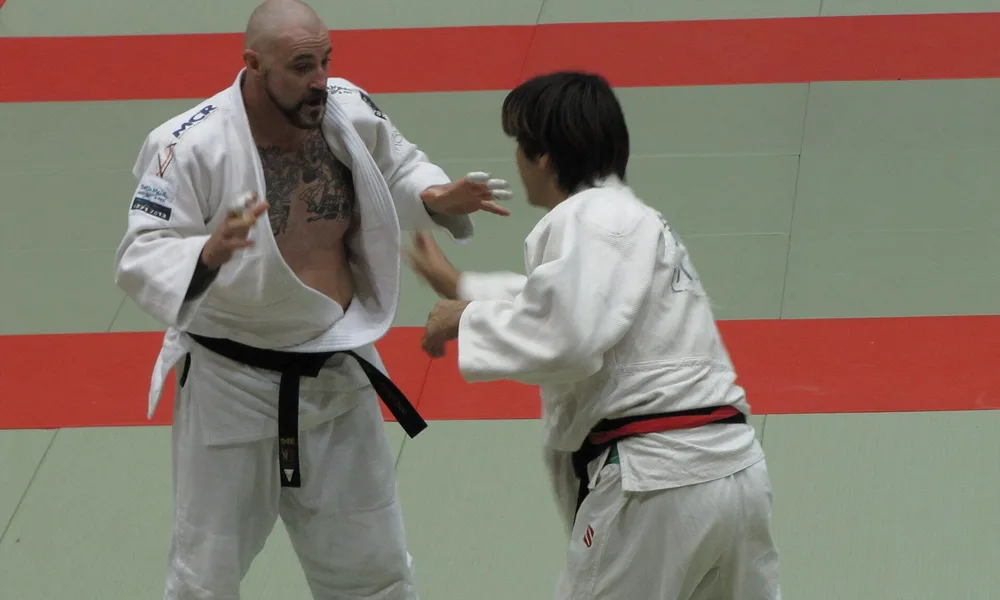
The weight cutter who gasses wins the weigh-in and then loses the bout. This judoka drops a whole weight class to fight smaller opponents, arrives drained and depleted, and has nothing left when the bout starts. The mouth opens, the grips slip, the attacks stop, and the opponent, who cut nothing and feels fresh, takes over completely. Conditioning is the least glamorous part of judo and the one that decides more bouts than any throw, because a tired judoka cannot grip, cannot move, and cannot think clearly enough to change the plan.
7. The drills-only judoka: perfect in practice, lost in randori
The drills-only judoka is the saddest type on this list, because the talent is real and the results are not. This judoka has beautiful technique in practice: crisp repetitions, clean entries, perfect form against a partner who is not resisting. But the moment a live opponent grips up and fights back, none of it works. The entries are too slow, the timing is off, and there is no answer when the opponent blocks the first attempt. Drills build the movement, but only live randori builds the timing, and the drills-only judoka avoids randori because losing in practice hurts. The gap between the dojo and the contest mat never closes on its own.
What to avoid if you do judo: the habits that keep judokas bad
The honest check is to watch a recording of your own bout and count three things: how many real throw attempts you made, how many different techniques you used, and how your grip looked in the last minute compared with the first. If the first number is low, the problem is the attack, and the fix is attack-only randori. If the second number is one, the problem is variety, and the fix is to throw a different technique every round for a month. If the grip has gone late, the problem is conditioning, and the fix is grip endurance work and long randori rounds. The same honest counting works in other sports, and our ranking of the worst fencers of 2026 makes the same point about athletes who keep repeating the same mistake and calling it a style.
Checklist: spotting the worst judokas of 2026
- Count the throw attempts in the first minute. No real attack by the halfway mark means no plan at all.
- Watch the grips, not the throws. If a judoka cannot win the grip, they cannot set up anything or stop anything.
- Check the groundwork. A judoka who turtles and waits for the stand-up will lose bouts they were winning on their feet.
- Look for the second throw. A blocked entry with no follow-up is a judoka with one idea and no backup.
- Watch the breathing in the later minutes. Mouth open and grips slipping by minute two means the conditioning is gone.
- Note what changes after a lost exchange. Nothing changing means no plan B and a bout that is already over.
Frequently asked questions
What makes a judoka the worst in 2026?
A judoka earns the label by repeating the same losing patterns across bouts: no attack, no groundwork, one throw and no adaptation.
Which style has the worst judokas?
Every style has its own version. Grinders lose without an attack, throwers lose without groundwork, brawlers lose by charging, and technicians lose when the drills meet resistance.
Can a bad judoka improve quickly?
Yes, if the diagnosis is honest. The attack and the grip improve fastest with live randori, while conditioning and variety take weeks of endurance work and drilling.
Is judo mostly about throws or groundwork?
Both decide bouts, but groundwork is the part bad judokas skip. Throws win the highlights, and pins and turnovers win the bouts that go to the mat.
How do you spot a bad judoka before a bout starts?
Watch the warm-up. A loose grip in practice, no throw attempts in light randori, and heavy breathing after easy work all show up before the first exchange.
Why do bad judokas keep using the same throw?
Because it scored once, usually against an overmatched opponent, and the memory of that one throw outweighs ten failures.
Bottom line
The worst judokas of 2026 are not the least talented judokas, but the least adaptable ones: the grip fighter who never throws, the one-throw specialist who never varies, the staller who never attacks, the groundwork ghost who never works the mat, the reckless charger who never sets anything up, the weight cutter who never lasts, and the drills-only judoka who never tests the technique live. Until then, the first minute will keep telling the whole story. For a wider look at how the same patterns sink athletes in other sports, our ranking of the worst golfers of 2026 is the best place to start.