Don’t Go Near the Worst Butchers of 2026
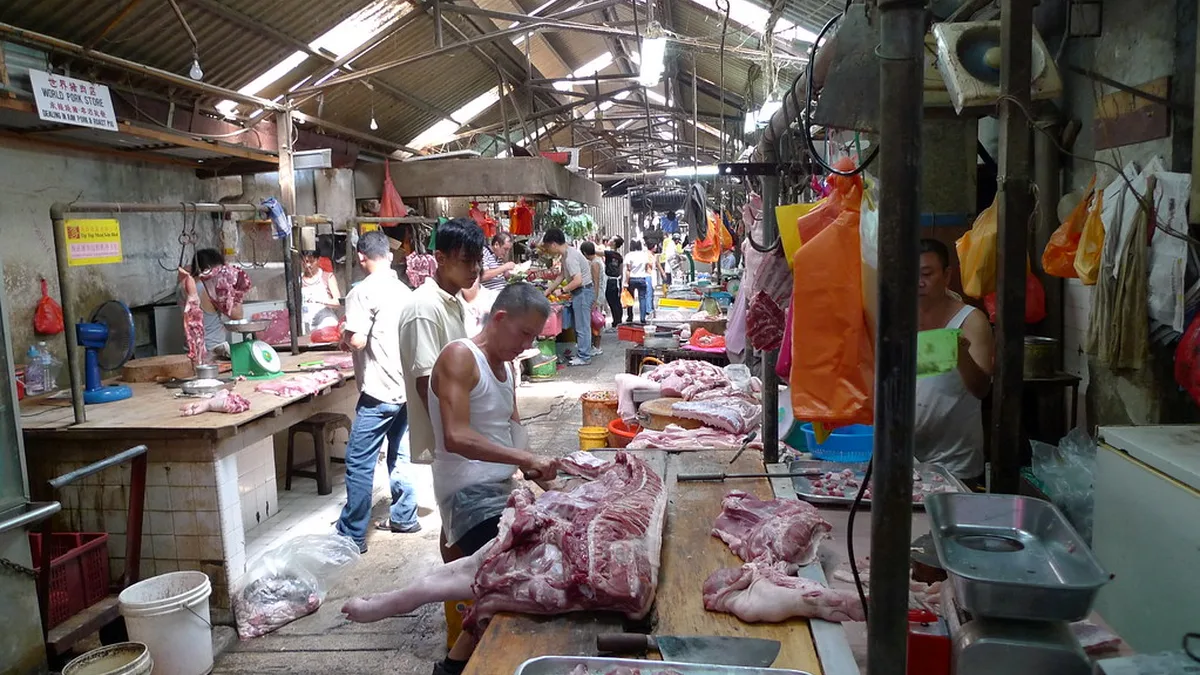
The worst butchers of 2026 are not the ones with the smallest shops or the plainest counters. A good butcher is one of the simplest pleasures in any town: meat cut to order while you watch, a joint trimmed properly for Sunday, and a counter where the person behind it knows where every cut came from. The worst butchers fail on the craft. They short the scales, cut with blunt knives, sell yesterday’s meat as fresh, offer one cut and call it a range, and cannot tell you where the meat came from. This guide ranks the worst types of butcher you will meet in 2026, by the money each one wastes and the dinner each one ruins, so you can spot a bad one before you order.
Key takeaways
- Watch the scales: a butcher who hides the display or weighs before trimming is shorting you on every visit.
- Judge a butcher by the cut first, because a clean cut with a sharp knife is the whole job, and a ragged cut is a warning.
- Fresh meat has a colour, a smell and a date: meat that is grey at the edges or wrapped twice has been waiting too long.
- Ask where the meat came from and when it arrived, and walk away from a butcher who cannot answer.
- Get a big order in writing, with the cut, the weight and the price confirmed, before you pay a deposit.
How the worst butchers were chosen
Every type below was scored on five measures. Cut quality comes first: is the meat cut cleanly with a sharp knife, or hacked and ragged with bone where it should not be? Freshness is second: is the meat cut today, or is yesterday’s stock dressed up as this morning’s? Honesty about weight and price is third, judged on whether the scales face you and the price matches the weight. Range and custom cuts are fourth, because a butcher should cut to order, not sell whatever is already wrapped. Provenance and hygiene are fifth: can the butcher say where the meat came from, and is the board clean between jobs?
Two notes before the list. First, no single butcher is named here, because the same seven types turn up in every town. Second, this guide is about the butcher, not the counter: our guide to the worst delis of 2026 covers the counters that slice cooked meat days old and build dry sandwiches, while this one covers the people cutting raw meat to order. The same logic runs through our guide to the worst bakeries of 2026, where yesterday’s loaves sold as fresh ruin the morning, and our guide to the worst caterers of 2026, where food that arrives late and lukewarm ruins the event.
Comparison table: the worst butchers of 2026
| Rank | Butcher type | Main fault | Warning sign |
|---|---|---|---|
| 1 | The Thumb-on-the-Scale Butcher | Short weights, hidden scales | Scale faces away, weighed before trimming |
| 2 | The Blunt-Knife Butcher | Ragged cuts, bone shards | Torn edges, splintered bone, hacked joints |
| 3 | The Yesterday-Meat Butcher | Old meat sold as fresh | Grey edges, double wrapping, no date given |
| 4 | The One-Cut Butcher | No range, no custom cuts | Same few cuts, everything already wrapped |
| 5 | The No-Provenance Butcher | Cannot say where meat came from | No farm, no abattoir, no answer at all |
| 6 | The Order-Mangler | Wrong joint, wrong weight, wrong day | No written order, no confirmation, no apology |
| 7 | The Hygiene-Blind Butcher | Dirty boards, one knife for everything | Same board for chicken and beef, no washing |
The worst butchers of 2026
1. The Thumb-on-the-Scale Butcher: short weights, hidden scales
The Thumb-on-the-Scale Butcher is the worst butcher of 2026 because the theft is built into every sale. The scales face away from you, the meat is weighed before it is trimmed, the fat and bone you asked to be removed are weighed and charged, and the till total is always higher than it should be. A good butcher does the opposite: the scales face the customer, the joint is trimmed first and weighed second, and the weight and price are said out loud before wrapping. Watch the order of the job: trim, then weigh, then wrap. If the meat goes on the scales first and the knife comes out second, you are paying for fat you did not want. A butcher who will not show you the scales is telling you everything you need to know.
2. The Blunt-Knife Butcher: ragged cuts and bone shards
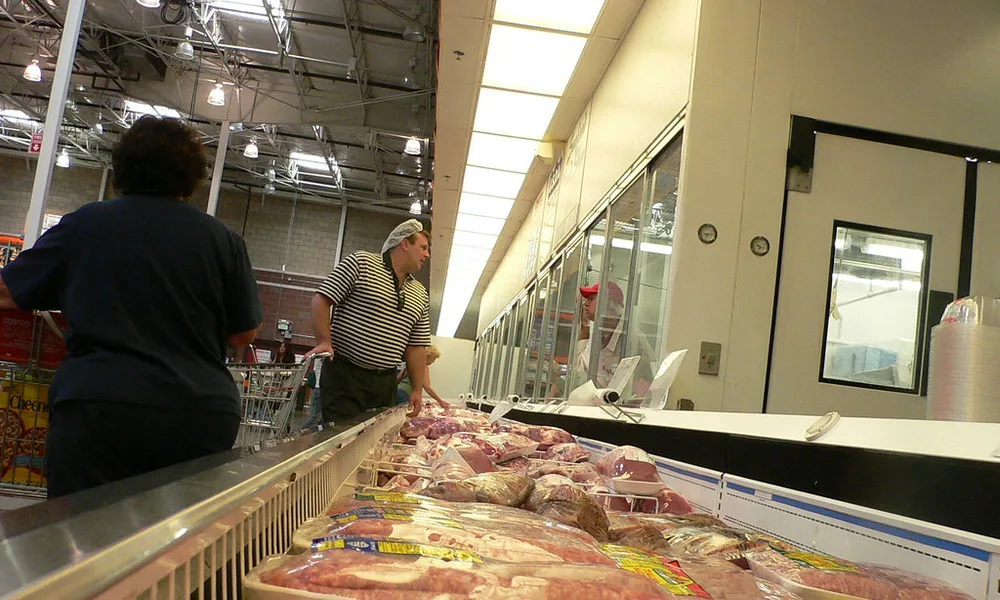
The Blunt-Knife Butcher cuts with a knife that has not seen a steel in weeks, and every cut shows it. The edges are torn instead of clean, the joint is hacked instead of sliced, and bone shards end up in the meat where a sharp knife would have gone through cleanly. A sharp knife is the butcher’s first tool, and a good butcher hones it through the day. A blunt knife tears the fibres, bruises the meat, and leaves splinters that crack a tooth. Watch the cut: a good butcher’s knife moves in one smooth stroke, while this butcher saws, presses and leans on the blade. Look at the meat on the counter before you order: if the edges are ragged and the bones are splintered, the knife is blunt.
3. The Yesterday-Meat Butcher: old meat sold as fresh
The Yesterday-Meat Butcher sells meat that has been waiting too long and calls it fresh. The edges have gone grey, the surface is tacky, the smell is faintly sour, and the cut has been wrapped twice to hide the first wrapping. Fresh meat has a clear colour, a clean smell and a date the butcher can state without thinking. This butcher works the other way round, keeping yesterday’s cuts on display, re-wrapping them in the morning, and trimming off the worst of the grey before the shop opens. Look at the edges, smell the meat, and ask when it was cut. If the butcher cannot answer, or the answer changes when you ask twice, the meat was not cut today. Buy from a butcher who cuts while you watch.
4. The One-Cut Butcher: no range, no custom cuts
The One-Cut Butcher has a long counter and a short imagination. There are twenty labels and only a handful of cuts behind them, everything is already wrapped, and anything you ask for that is not on the tray is met with a shake of the head. A butcher exists to cut to order: a joint boned and rolled for Sunday, steaks cut to the thickness you want, mince ground while you wait. This butcher does none of that, because the meat arrives pre-packed and the skill left the shop years ago. Range matters because every family cooks differently. Ask for a cut that is not on display: a good butcher reaches for the knife, while this one reaches for an excuse.
5. The No-Provenance Butcher: meat with no story
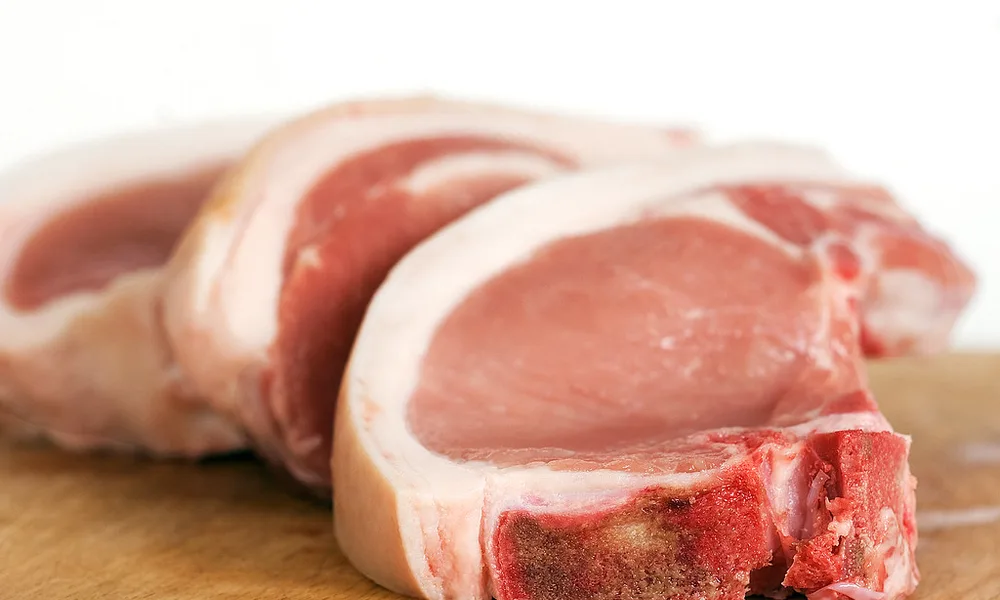
The No-Provenance Butcher cannot tell you where the meat came from, and does not think it matters. Ask which farm supplied the beef, which abattoir it passed through, or when the delivery arrived, and the answer is a shrug. A good butcher knows the farm, the breed and the delivery day, and is proud to tell you, because provenance is how a butcher stands behind the meat. It matters for quality, because meat from a known farm tastes of something, and for safety, because a butcher who cannot trace a cut cannot recall it. Meat sold as local and grass-fed should be local and grass-fed. Ask where the meat came from and when it arrived, and listen for a straight answer with a name in it. A butcher with no answer is selling you a mystery.
6. The Order-Mangler: the wrong joint for Sunday
The Order-Mangler turns a Sunday roast into a story you tell for years. The joint is ordered days ahead, the cut and the weight are agreed, and then the day arrives and the joint is the wrong cut, the wrong weight, or not there at all. There was no written order, no confirmation message, no deposit receipt, and no one who remembers the conversation, because the butcher took the order on a scrap of paper that has since been thrown away. A big joint cannot be fixed on the day, which is why a good butcher writes everything down and confirms it in writing. Ask for the order in writing with the cut, the weight, the price and the collection day. If the butcher will not put it in writing, the roast is already at risk.
7. The Hygiene-Blind Butcher: one board, one knife, no washing
The Hygiene-Blind Butcher is the one type on this list that can make you ill. The same board takes the chicken and then the beef, the same knife cuts the raw meat and then the cooked ham, the hands are never washed between jobs, and the cloth that wipes the counter also wipes the floor. Raw meat carries bacteria that cooking kills, but only if the bacteria stay on the meat that gets cooked. A good butcher keeps separate boards for poultry and red meat and washes hands between tasks. Look at the boards and the hands before you look at the display, and ask how the counter is cleaned between jobs. A shrug is a reason to walk out.
Checklist: spotting a bad butcher before you order
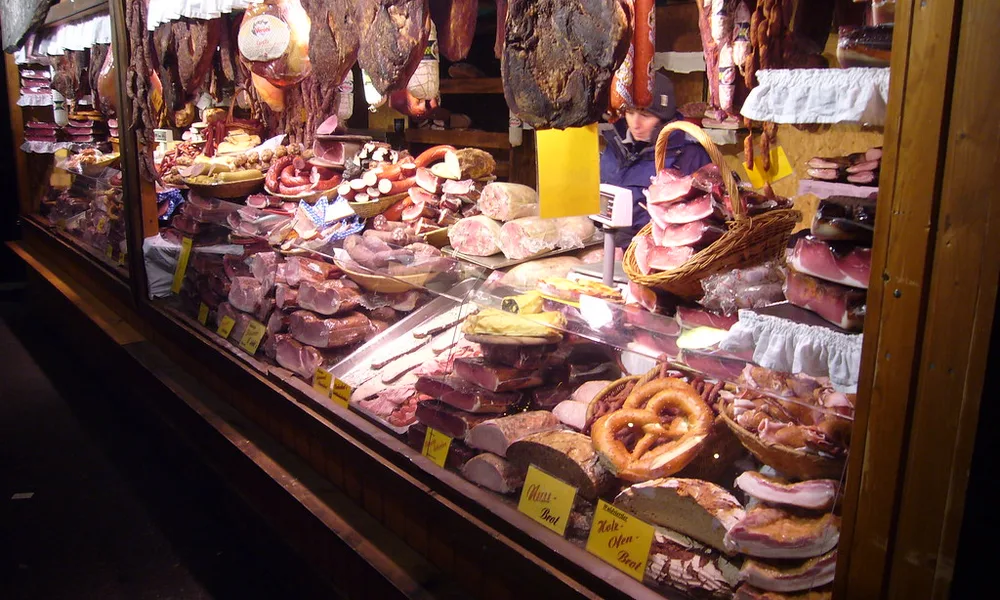
- Watch the scales: they should face you, and the joint should be trimmed before it is weighed.
- Look at the cut: clean edges and a sharp knife mean a butcher who cares about the craft.
- Check the meat: clear colour, clean smell, and a butcher who can say when it was cut.
- Ask for a cut that is not on display, and see whether the butcher reaches for the knife.
- Ask where the meat came from and when it arrived, and listen for a straight answer with a name in it.
- Get every big order in writing, with the cut, the weight, the price and the collection day confirmed.
Frequently asked questions
What is the single biggest warning sign of a bad butcher?
Scales that face away from you. A butcher who hides the scales is shorting you on every visit.
Is a ragged cut a real problem, or just cosmetic?
It is a real problem, because it shows the knife is blunt. A blunt knife tears the fibres and leaves bone splinters that can crack a tooth.
Should a big joint always be ordered in writing?
Yes. A joint for Sunday cannot be fixed on the day, so the cut, the weight, the price and the collection day should be written down and confirmed.
Is it fair to judge a butcher on one bad cut?
One bad cut is bad luck; the same fault every week is a bad butcher. Judge the pattern, not the single cut.
Does provenance really matter, or is it just marketing?
It matters for quality and for safety. Meat from a known farm tastes of something, and a butcher who can trace a cut can recall it.
What should I do if a butcher uses the same board for chicken and beef?
Do not buy the meat. Raw chicken carries bacteria that must not reach food eaten as it is.
The bottom line
The worst butchers of 2026 fail on the craft, not the shopfront: they short the scales, cut with blunt knives, sell yesterday’s meat as fresh, offer one cut and call it a range, cannot say where the meat came from, lose the orders that matter most, and treat hygiene as an afterthought. A good butcher does the opposite on every count, and you can see it in the first five minutes: scales that face you, a knife that moves in one smooth stroke, meat cut while you watch, and an order taken down in writing. Spend your money there.


