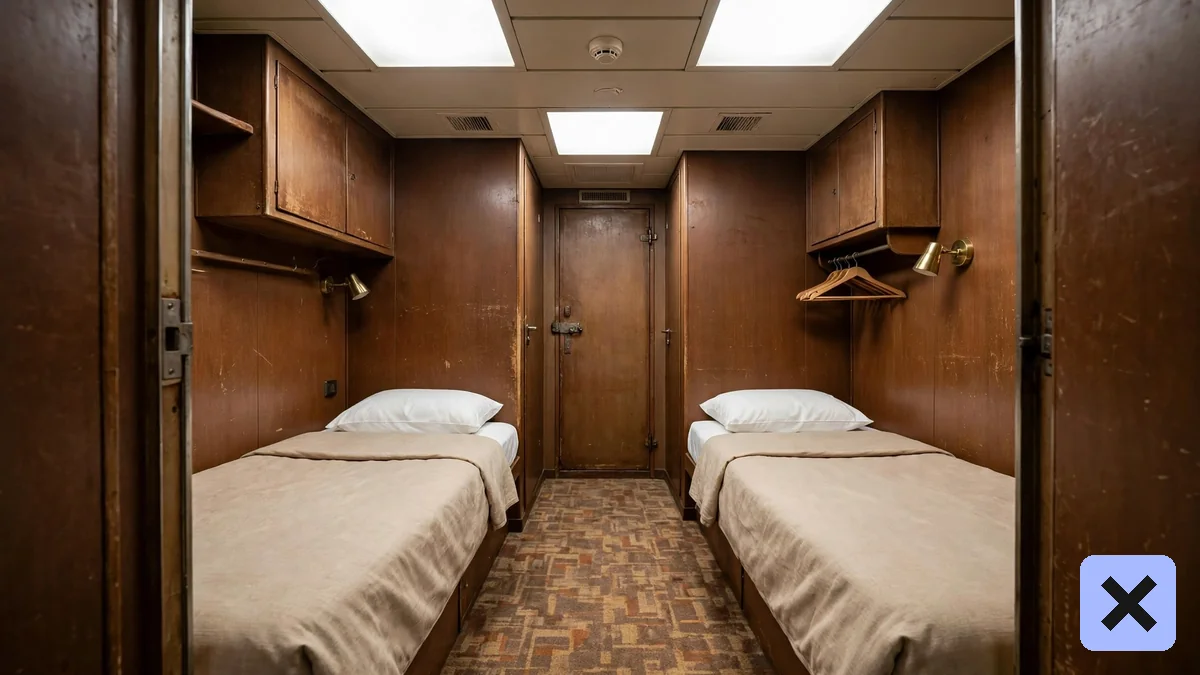
Cruise brochures show gleaming dining rooms, carved roasts, and desserts that look like they belong in a patisserie window. The reality of the worst cruise ship food is very different: lukewarm buffet trays, rubbery steaks, soggy vegetables, and pizza that tastes like it was made three ports ago. For many passengers, the food becomes the biggest disappointment of a holiday that cost thousands.
The problem is not that cruise lines cannot cook. It is that they cook for thousands of people at once, in kitchens far from fresh markets, with menus designed to please everyone and offend no one. The result is food that is safe, bland, and often served at the wrong temperature. When a ship carries four thousand passengers and serves three sittings a night, even a good kitchen struggles to keep standards high.
This guide looks at where cruise dining goes wrong, from the buffet to the main dining room, and names the dishes most likely to disappoint. It also shows how to eat well on board, because a cruise can still feed you properly if you know where to look.
Key takeaways
- The worst cruise ship food is usually buffet food that has sat under heat lamps for hours.
- Steak, seafood, and eggs suffer most from mass cooking, so order them only in the main dining room.
- Speciality restaurants are often the best food on the ship, and they are worth the extra charge.
- Breakfast is the most reliable meal on board, while late-night buffet food is the least reliable.
- Port days are your best chance to eat well, since local restaurants beat the ship on freshness.

Why Cruise Ship Food Disappoints So Often
A cruise ship is a floating hotel with a floating kitchen, and that creates problems no land restaurant faces. Supplies are loaded in bulk before sailing, fresh produce runs low by the second half of the voyage, and the kitchen must feed thousands of people within a narrow window every evening. Cruise marketing promises fine dining, but the included restaurants are really mass catering dressed up with tablecloths and waiters.
Cooking for Thousands at Once
A main dining room on a large ship can seat more than a thousand people per sitting. The kitchen plates hundreds of identical dishes at the same time, which means food is cooked in advance, held hot, and served in waves. Delicate dishes suffer first: fish dries out, sauces split, and vegetables lose their colour and bite.
Steak is the classic casualty. A kitchen cooking five hundred steaks cannot give each one the attention of a good steakhouse, so most arrive overcooked and tougher than they should be. The same goes for anything that depends on precise timing, such as poached eggs and seared scallops.
The Buffet Trap
The buffet looks generous, but it is where the worst cruise ship food usually hides. Trays sit under heat lamps for hours, pasta dries into clumps, fried food goes soggy, and salads wilt. The carving station often serves meat that has been drying out since lunch.
Timing matters enormously at the buffet. Arrive at opening and the food is at its best. Arrive an hour later and you are eating the leftovers of the leftovers. If you only remember one rule about cruise buffets, make it this one: never eat from a tray that looks tired, and never take food from the end of a service.

The Worst Cruise Ship Food Offenders
Some dishes fail on almost every cruise, no matter which line you sail with. They are the items that mass catering handles worst, and they appear on menus again and again because they are cheap and easy to prepare in bulk. Knowing them in advance saves you from the most disappointing plates of the voyage.
| Dish | What usually goes wrong | How bad is it | Better choice |
|---|---|---|---|
| Buffet steak | Overcooked, tough, served lukewarm | Very bad | Speciality steakhouse |
| Scrambled eggs | Rubbery, watery, held too long | Bad | Omelette station |
| Buffet pizza | Soggy base, bland cheese | Bad | Made-to-order pizza |
| Seafood platter | Fishy, dried out, overcooked | Very bad | Grilled fish in main dining room |
| Soft-serve ice cream | Watery, flavourless, machine faults | Mild | Dining room desserts |
| Room service burgers | Cold, squashed, soggy bun | Bad | Poolside grill, eaten fresh |
The buffet steak deserves its reputation. It is often a cheap cut, cooked well in advance and left under a heat lamp until someone takes it. By the time it reaches your plate, it has the texture of shoe leather. If you want steak on a cruise, pay for the speciality restaurant or skip it entirely.
Scrambled eggs are another regular failure. Buffet eggs are usually made from liquid egg mix, cooked in huge batches, and held in trays for hours. They turn rubbery and watery, with a strange grey tint. The omelette station is the answer: eggs cooked to order, in front of you, in two minutes.
Seafood That Should Never Have Left the Kitchen
Seafood is the riskiest food on a cruise. Ships cannot buy fresh fish at every port, so much of what they serve has been frozen, thawed, and cooked in bulk. The result is fish that tastes tired and prawns that are rubbery.
The worst offenders are seafood buffets and cold seafood platters, where the fish sits on ice for hours and picks up the smell of everything around it. Smoked salmon is usually safe, and grilled fish in the main dining room is often decent, but anything labelled as a seafood medley or mixed grill is a gamble. If the fish smells strongly before you taste it, leave it alone.
Main Dining Room vs Buffet: Where It Goes Wrong
The main dining room is usually better than the buffet, but it has its own weaknesses. The menu changes daily, which sounds exciting, but it means the kitchen cooks a different set of dishes for thousands of people every night. Some nights the food is genuinely good, and other nights it is forgettable. Consistency is the problem, not effort.
Starters and desserts are the dining room’s strong points. Soups, salads, and simple starters hold up well in a big kitchen, and desserts are often made in advance and served cold. The main courses are where things fall apart, especially anything that needs precise cooking or a hot, crisp finish.
The buffet, by contrast, is at its best for breakfast and at its worst for dinner. Breakfast items such as bread, fruit, yoghurt, and cereal are hard to ruin. Dinner buffets run for hours, the trays empty and refill slowly, and the food quality drops steadily as the evening goes on. Experienced cruisers treat the buffet as a breakfast venue and eat dinner elsewhere.
The Dishes to Avoid on Every Cruise
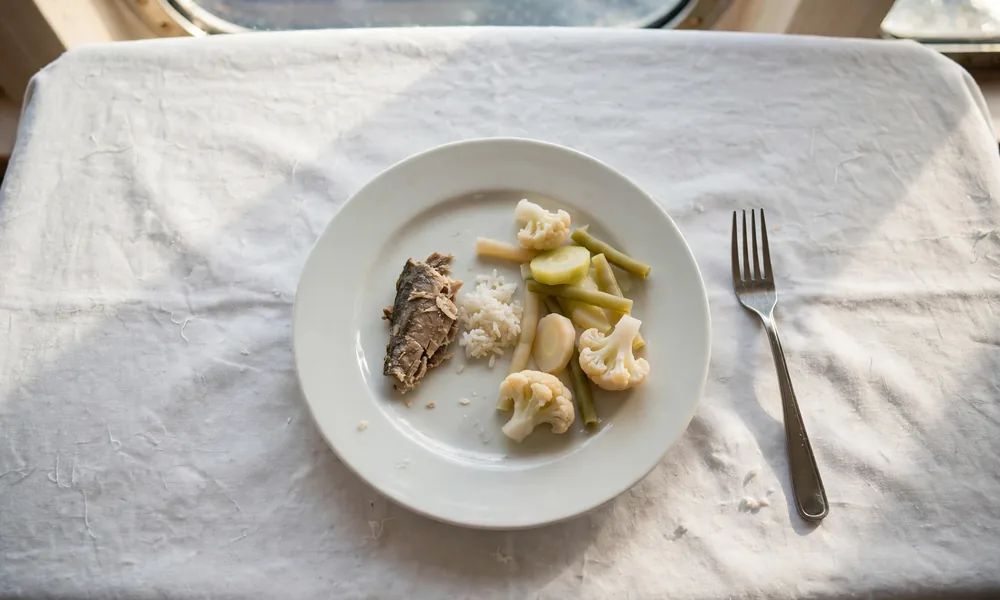
Beyond the worst offenders, there is a longer list of dishes that rarely work on a ship. Avoid anything that depends on crispness, because it will have gone soft by the time it reaches you: fried calamari, chips, and tempura. Avoid dishes that need to be served piping hot, such as soufflés and seared meats, because they will arrive warm at best.
Be cautious with the daily special, which is often the dish the kitchen needs to use up rather than the dish it cooks best. The safest choices are the dishes the kitchen makes every day, such as roast chicken, pasta with a simple sauce, and grilled vegetables.
Drinks deserve a mention too. The included coffee is often weak, the juice is usually from concentrate, and the free tea is frequently made with water that tastes of the ship’s tanks. Travellers who have suffered through the worst airport food will recognise the pattern: captive audiences get the lowest effort, and cruise passengers are the most captive audience of all.
Poolside Food and Room Service
Poolside grills are a mixed bag. The burgers and hot dogs are simple, cooked to order, and usually hot, which puts them ahead of most buffet food. The problem is the extras: cold fries and stale buns. Eat the burger fresh off the grill and skip the sides that have been waiting around.
Room service is the biggest disappointment for many cruisers. The food is cooked in the main galley, packed into a trolley, and wheeled through the ship, sometimes waiting twenty minutes outside your door. Burgers arrive squashed and cold, sandwiches go soggy, and hot dishes cool to room temperature. The breakfast tray is the exception, since pastries, fruit, and coffee travel well. Even the worst train station food at least arrives hot, which is more than room service can promise on a ship with three thousand cabins.

How to Eat Well on a Cruise Anyway
Bad cruise food is avoidable. The passengers who eat well follow a few simple habits that steer them towards the freshest food on the ship and away from trays that have been sitting out for hours.
Your Cruise Dining Checklist
- Eat at the buffet only at opening time, when the trays are fresh and full.
- Order eggs from the omelette station instead of taking scrambled eggs from the tray.
- Book at least one speciality restaurant and treat it as the highlight meal of the trip.
- Eat ashore on port days and choose local restaurants near the harbour.
- Ask your waiter which dishes the kitchen cooks best that evening.
- Skip room service hot food and order continental breakfast to your cabin instead.
Port days deserve special attention. Walk ten minutes away from the terminal and find a restaurant full of local people. The food will be fresher, cheaper, and better than anything served on board that day. Choosing a cruise is a lot like choosing a holiday base: the same thinking that helps you pick the right hotel vs resort for a beach holiday applies here, since where you stay decides how well you eat.
Frequently Asked Questions
Is cruise ship food really that bad?
No, it is not all bad. Breakfast is usually reliable, the main dining room is often decent, and speciality restaurants can be excellent. The worst cruise ship food is concentrated in the buffet at dinner, in room service, and in a handful of dishes that mass catering handles badly.
Which meal is the worst on a cruise?
The late dinner buffet is usually the worst meal on board. Trays have been sitting for hours, popular items run out and are replaced slowly, and the kitchen’s attention has moved to the next service. Room service hot food is a close second, because it cools down during delivery.
Are speciality restaurants worth the extra money?
Yes, in most cases. Speciality restaurants cook for far fewer people, use better ingredients, and take more care over each plate. The steakhouse and the Italian restaurant are usually the safest bets.
Why does buffet food taste worse than dining room food?
Buffet food is cooked in bulk and held under heat lamps, which dries it out and dulls the flavour. Dining room food is plated to order, so it reaches you fresher and hotter. The difference is holding time, and it is the single biggest factor in cruise food quality.
Can you avoid bad food on a budget cruise?
Yes. Eat breakfast in the main dining room, use the omelette station at the buffet, eat lunch ashore on port days, and pick the simplest dishes on the dining room menu.
Is cruise ship food safe to eat?
Yes, cruise ship food is generally safe. Ships follow strict food safety rules and are inspected regularly. The problems in this guide are about taste and quality, not safety. If food looks or smells off, leave it and tell a member of staff.
The Bottom Line
The worst cruise ship food is not a mystery and it is not bad luck. It is buffet trays held too long, steaks cooked in batches of five hundred, and room service that cools on the way to your cabin. Eat early, order simply, use the omelette station, book one speciality dinner, and eat ashore whenever the ship docks.