Choosing between a hotel vs resort for a beach holiday sounds simple until you compare options. Both put you near the sand, both promise a comfortable bed, and both can look wonderful in photos. The difference is not the view. It is how your days are organised, what is included, and how much freedom you have once you arrive.
A hotel gives you a room and a base. You eat where you like, explore the town, and spend your days as you choose. A resort gives you a self-contained world, with pools, restaurants, entertainment, and the beach all inside one property. The best choice depends on who is travelling, how long you are staying, and what kind of holiday you want.
This guide compares hotels and resorts for a beach holiday, covering cost, space, food, activities, and flexibility. By the end, you will know which option fits your trip, and which questions to ask before you book. If you are still choosing where to go, our roundup of the best beach destinations in Europe is a good place to start.
Key takeaways
- Hotels suit travellers who want freedom, local restaurants, and a lower nightly rate.
- Resorts suit travellers who want everything in one place, especially families.
- All-inclusive resorts can save money for big eaters, but they rarely suit light eaters.
- A resort is not automatically on the beach, so always check the real distance to the sand.
- The best choice depends on your group, your budget, and how much you want to explore.
What a Hotel Really Offers on a Beach Holiday
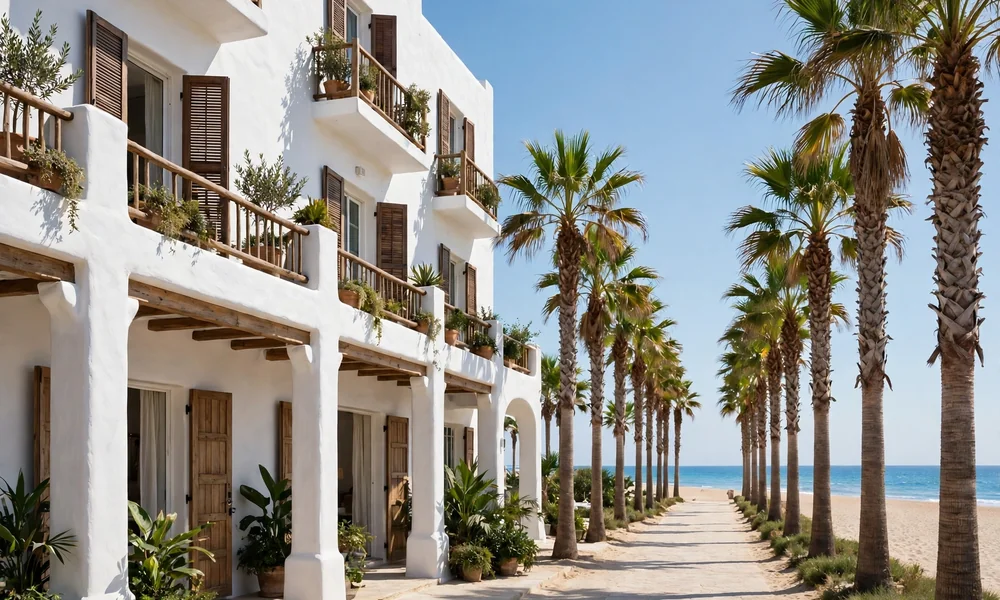
A beach hotel is, at its core, a place to sleep that happens to sit close to the sea. You get a room and usually a small pool or a terrace, and the rest of the holiday is yours to arrange. The beach is often a short walk away, the town is on your doorstep, and every meal is a choice rather than a schedule. That freedom is the hotel’s greatest strength.
Hotels come in every shape and price. A budget hotel gives you a clean room and little else, which is fine when you plan to spend your days outside. A boutique hotel adds character and personal service, often with only a few dozen rooms. A luxury hotel adds space, a spa, and a restaurant worth visiting on its own. The deal is simple: you pay for the room, and you buy the rest of your holiday as you go.
The trade-off is that nothing is bundled. Breakfast may cost extra, sun loungers may belong to someone else, and activities such as boat trips are booked separately. That means you only pay for what you actually use, and you are free to discover the cafes, markets, and hidden coves that make a place memorable. For travellers who like to wander, a hotel is the better base.
The hotel experience day to day
A typical hotel day starts slowly. You wake up, walk to a cafe for coffee, and decide on the beach once you have seen the weather. You might spend the morning swimming, the afternoon exploring a nearby village, and the evening at a restaurant recommended by a local. There is no timetable and no wristband, and if the weather turns, you change plans without losing anything you paid for.
What a Resort Really Offers on a Beach Holiday
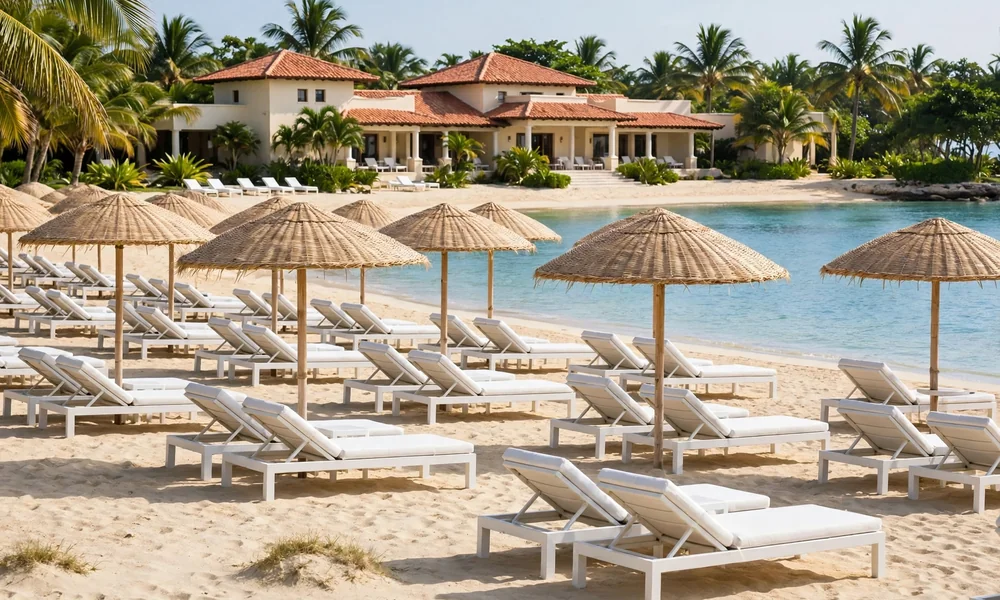
A resort is a holiday in a single property. The hotel, the pools, the restaurants, the bars, the entertainment, and often a private stretch of beach are all part of the same place. You check in and, if you want, you never need to leave. Everything is arranged for you, from breakfast buffets to evening shows, and staff can book activities and watch the children.
Many resorts sell all-inclusive packages, where food, drinks, and most activities are covered by one price. Others are room-only or half-board, which keeps the nightly rate lower while still giving you the pools and the beach access. Resorts are usually large, with hundreds of rooms, several restaurants, and gardens designed to feel like a small village of their own.
The trade-off is that a resort can feel separate from the place you travelled to see. You might spend a week somewhere beautiful and only experience the version of it inside the gates. Resorts can also feel busy at peak times, with queues for restaurants and a rush for loungers. For travellers who want a restful week without decisions, that is a fair exchange. For explorers, it can feel limiting.
The resort experience day to day
A typical resort day runs itself. You eat breakfast at the buffet, claim a lounger by the pool or on the beach, and drift between swimming, lunch, and an activity such as kayaking. Children disappear happily into a kids club. In the evening there is a show, a themed dinner, or live music. You never need a map, a taxi, or a reservation, which is why so many families choose resorts year after year.
Hotel vs Resort: The Real Differences
The easiest way to compare the two is to look at what each one controls. A hotel controls your room. A resort controls your whole day. That single difference shapes the price, the atmosphere, and the holiday you will actually have.
| Factor | Hotel | Resort |
|---|---|---|
| Price | Lower nightly rate | Higher rate, more included |
| Meals | Eat out, choose daily | On-site restaurants, often all-inclusive |
| Beach access | Public beach, short walk | Private beach area, loungers included |
| Activities | Book separately | Pools, clubs, shows on site |
| Space | Compact, town location | Large grounds, self-contained |
| Flexibility | High, change plans anytime | Lower, life stays on site |
| Best for | Explorers, couples, food lovers | Families, first-timers, pure relaxation |
Neither column is a verdict on its own. A hotel wins on flexibility and local flavour, while a resort wins on convenience and included extras. The right choice is the one whose strengths match the holiday you want, not the one with the best brochure.
Cost: Which One Is Better Value?
The nightly rate tells only half the story. A hotel room might cost half as much as a resort room, but once you add meals, drinks, beach chairs, and a boat trip, the gap shrinks fast. A resort bundles those costs into one price, which makes budgeting easy. For a family of four, that predictability can be worth a premium.
All-inclusive deals reward heavy users. If your group eats three full meals a day, drinks cocktails by the pool, and joins every activity, all-inclusive is often cheaper than paying separately. If you are a light eater who prefers a salad and a long walk, you will pay for food and drink you never touch. The honest test is simple: add up what your group would realistically eat and drink in a day, then compare it with the resort premium.
Watch for hidden costs on both sides. Hotels may charge for parking, breakfast, or beach towels, while resorts may add a daily resort fee, charge extra for premium restaurants, or expect tips on top. For trips longer than a week, the maths changes again, and our comparison of hotel vs Airbnb for long stays shows how nightly rates fall when you stay put. Compare the total cost of the trip, not just the headline rate.
Which Is Best for Your Kind of Trip?
There is no single winner, because the best stay depends on the people travelling. A honeymoon couple, a family with toddlers, a solo traveller, and a group of friends want different things from the same stretch of sand. Match the property to the group, and the holiday almost plans itself.

Couples
Couples who like exploring should pick a hotel. A small boutique property near a lively town gives you romantic dinners, quiet beaches, and the freedom to do nothing together. Couples who want to switch off may prefer an adults-only resort, where the pools are calm and the restaurants are included.
Families with kids
Families usually get the most from a resort. Kids clubs, shallow pools, buffet meals, and a beach a minute from the room remove most of the friction of travelling with children. Parents can relax because the children are entertained, and mealtimes stop being a negotiation. If you are weighing a different kind of family trip, our cruise vs resort for family holidays comparison looks at the same question from the water.
Solo travellers
Solo travellers tend to prefer hotels. A hotel in a lively area makes it easy to meet people, join a walking tour, or chat with locals over dinner. A large resort can feel lonely for a solo guest, although smaller resorts with group activities and communal dining can work well.
Groups of friends
Groups of friends do best with freedom. A hotel near bars, restaurants, and the beach lets everyone choose their own pace, and splitting costs is simple. A resort suits groups who want one shared plan, with everything arranged.
Checklist: How to Choose in 10 Minutes
Work through this list before you book, and the decision usually makes itself.
- Set your real budget. Include food, drinks, activities, and transport.
- Check the beach distance. Look at a map, not the marketing copy.
- List what is included. Compare loungers, towels, kids clubs, and activities.
- Read recent reviews. Look for comments about noise, crowds, and food.
- Check the cancellation terms. Flexible terms matter for holidays booked months ahead.
- Match the stay to your group. Pick the option that suits the people travelling.
Frequently Asked Questions
Is a resort always more expensive than a hotel?
Not always. The nightly rate is usually higher, but a resort includes meals, drinks, activities, and beach facilities that a hotel charges for separately. For a family, or for travellers who eat and drink a lot, the total can end up lower at a resort.
Are all-inclusive resorts worth it?
They are worth it if your group will use what is included. Three meals a day, snacks, drinks, and activities add up quickly bought separately, so heavy users save money. Light eaters and travellers who spend their days exploring will get better value from a room-only stay.
Do resorts have private beaches?
Many resorts have a beach area reserved for guests, with loungers and umbrellas included. True private ownership of a beach is rare, because most beaches are public, but a resort beach usually feels quieter and better maintained. Always check whether loungers are included or extra.
Can you stay at a resort without using the facilities?
Yes, and many guests do. You can treat a resort like a hotel with a good pool, eating out and exploring during the day. You will still pay the resort rate, though, so if you plan to be out most of the time, a hotel in town is usually better value.
Which is better for a short beach break?
For a break of two or three nights, a hotel often wins. You arrive, drop your bags, and head straight to the beach without learning the layout of a large property. A resort makes more sense for a week or longer, when you have time to enjoy it.
Is a hotel or resort better with toddlers?
A resort is usually easier with toddlers. Shallow pools, kids clubs, buffet meals, and a room close to the beach mean fewer logistics and less carrying of bags and snacks. A hotel can still work if it sits right on the beach and has family rooms, but you will organise more of the day yourself.
The Bottom Line
For most beach holidays, the choice comes down to freedom versus convenience. Choose a hotel if you want to explore, eat where the locals eat, and pay for what you use. Choose a resort if you want everything arranged, the beach on your doorstep, and a week without decisions. Pick the one that fits the trip you want, and the beach will take care of the rest.