
The Worst Cyclists of 2026: Seven Rider Types That Spoil the Road for Everyone
The worst cyclists of 2026 are not the slowest riders on the road or the ones with the oldest bikes. They are the riders who turn a shared road, a busy bike lane or a quiet trail into their own private racetrack: the rider who weaves through a group without a word, the one who treats every red light as optional, and the one who stops dead in the middle of the path to check a phone. A bad cyclist rarely thinks they are the problem. This guide ranks the worst types of cyclist by the harm they do to other people, not by how fast they ride or how expensive their bike is.
Key takeaways
- The worst cyclists are defined by behaviour, not speed: selfish habits spoil the road far more than slow legs ever do.
- Silent overtaking, red-light jumping and pavement riding are the three habits other road users complain about most.
- Group riders cause the most trouble when they ride three abreast on narrow roads and never single out.
- Good kit does not make a good cyclist: the worst offenders often ride the most expensive bikes.
- You can spot every type in this guide within a minute of sharing the road with them, and the fixes are all simple.
How the worst cyclists were chosen
Every type below was scored on five measures. Danger comes first: does this rider put pedestrians, other cyclists or drivers at real risk? Selfishness is second, judged on whether the rider takes more than their fair share of the road or the path. Predictability is third, because a rider who signals, holds a line and brakes early is easy to share the road with. Disruption is fourth, and frequency is fifth: habits that appear on every ride rank above rare ones.
Two notes before the list. First, no single person is named as the worst, because the same bad patterns appear in thousands of riders, and what matters is learning to recognise the pattern. Second, this guide is about riders, not bikes. The same selfish habits spoil other shared spaces too, as our guide to the worst runners of 2026 shows on foot, where a lane hog causes exactly the same trouble.

Comparison table: the worst cyclists of 2026
| Rank | Cyclist type | Worst habit | Who suffers most |
|---|---|---|---|
| 1 | The silent overtaker | Passes inches away without a word or bell | Slower riders and walkers |
| 2 | The red-light jumper | Treats every junction as optional | Pedestrians and drivers |
| 3 | The pavement rider | Rides fast where people walk | Walkers, children, dog owners |
| 4 | The three-abreast group | Blocks the whole lane and never singles out | Drivers and faster riders |
| 5 | The earphone dreamer | Hears nothing: no bell, no horn, no shout | Everyone trying to warn them |
| 6 | The trail hog | Skids corners, cuts paths, scares walkers | Walkers and slower trail users |
| 7 | The path parker | Stops dead in the lane to check a phone | Everyone riding behind them |
The worst cyclists of 2026
1. The silent overtaker: the worst cyclist on a shared path
The silent overtaker is the worst cyclist of 2026 because the danger arrives with no warning at all. You are riding steadily, or walking with a dog, and suddenly a wheel rushes past your elbow at twice your speed, close enough to touch. The fix is almost embarrassingly easy: a bell costs nearly nothing, a short call of on your left costs nothing at all, and slowing down for three seconds before passing costs nothing either. The silent overtaker refuses all three, because slowing down would spoil their average speed.
2. The red-light jumper: the worst cyclist at a junction
The red-light jumper treats every junction as a suggestion rather than a rule, and every pedestrian crossing as an obstacle course. They roll through red lights at full speed, weave between people crossing on green, and then look offended when someone shouts. The excuse is always that the junction was clear, but the people who pay for a wrong judgement are the ones crossing the road. The red-light jumper steals a few seconds for themselves and spends the goodwill of every other cyclist to pay for it.
3. The pavement rider: the worst cyclist for walkers
The pavement rider has decided that the road is too dangerous for them, so the pavement is the answer, and the people walking on it can look after themselves. They ride at road speed between shop fronts and bus stops, past prams and older people, ringing a bell as if the bell makes it fair. It does not. A pavement is built for walking pace, not for a bike at twenty miles an hour. Children are most at risk, because they move suddenly and cannot judge the speed of a silent bike. A frightened cyclist should choose a quieter route or walk the bike for a hundred metres, not push the danger onto people on foot.
4. The three-abreast group: the worst cyclists in a bunch
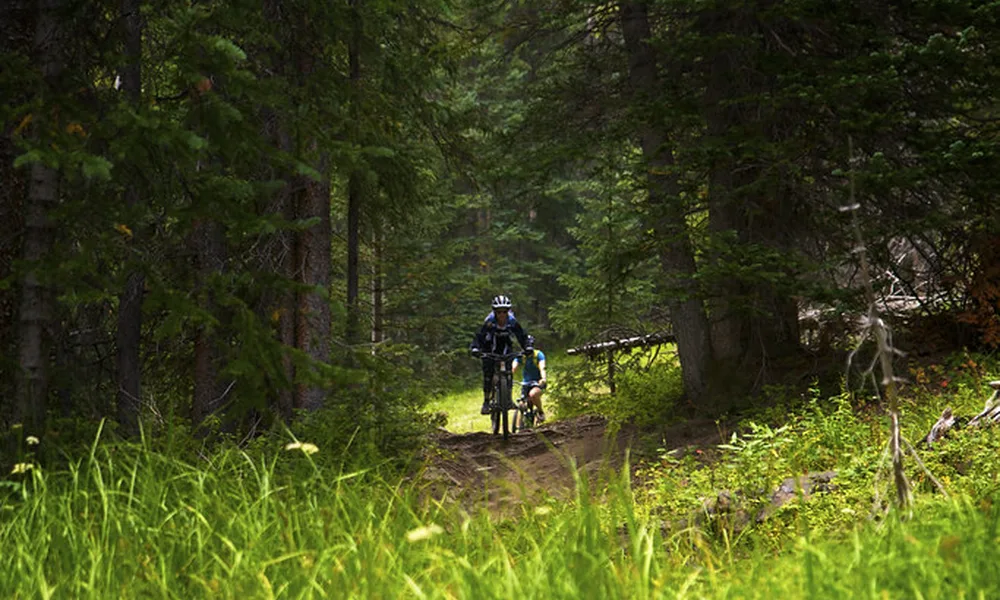
A group of riders can be a joy to watch when it works: two abreast where the road is wide, single file where it narrows, and a clear wave to let traffic past. The three-abreast group does the opposite. They ride three wide on a narrow country lane, chatting across each other, and never single out even when a queue of cars builds up behind them. The defence is always that they have a right to the road, and they do. The problem is the refusal to share it. A group that singles out for thirty seconds lets a dozen drivers pass safely; a group that refuses becomes a rolling roadblock.
5. The earphone dreamer: the worst cyclist for warnings
The earphone dreamer rides through the world with the sound turned off. Both ears are covered, the music is loud, and nothing gets through: not a bell, not a car horn, not a shout from a rider about to overtake, not the sound of a lorry turning across their path. The danger peaks where there is no room to give: a narrow bridge, a blind bend, a lorry indicating left. One ear free, volume low, and a glance over the shoulder before every move would fix almost everything about this type.
6. The trail hog: the worst cyclist off road
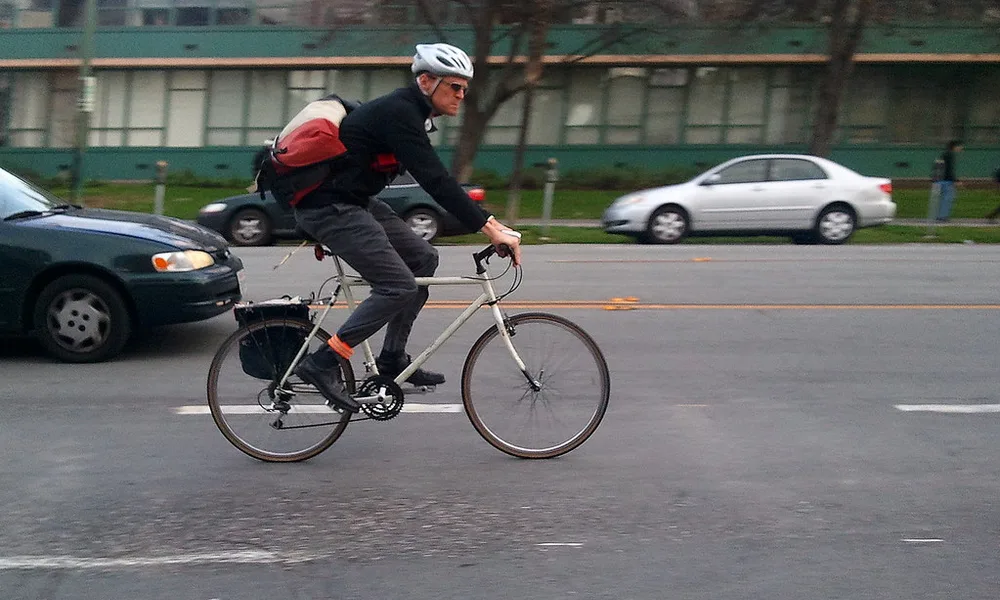
The trail hog treats every shared trail like a downhill race course, even on a Saturday morning when families, dog walkers and older hikers are all out enjoying it. They arrive at blind corners too fast to stop, skid through muddy sections and spray walkers, and cut new lines across grass and roots to save a few seconds. Sharing a trail means riding at a speed where you can stop for what is around the next bend. The best trail riders prove the opposite every day: they slow down for walkers, call out early, and ride the trail as it is, not as a racetrack.
7. The path parker: the worst cyclist for everyone behind
The path parker is the smallest problem on this list and the one that causes the most shouting. They stop dead in the middle of a bike lane or a shared path, without pulling over to the side. The rider behind has a second to react: brake hard, swerve into the road, or crash into the back of a stationary bike. What makes this type so annoying is that the fix takes two seconds. Pull to the side, step off the path, and check the phone where nobody has to brake for you. It is the same selfishness as the rest of this list, just in miniature.
What to avoid when you ride
The most common mistake is assuming that the worst cyclists are other people. Every rider on this list believes they ride well, and most of them have never been told otherwise, because the people they frighten rarely stop to explain. The honest check: if you do any of the above, you are on this list. The same selfish patterns spoil other shared spaces too, and our guides to the worst hikers of 2026 and the worst skiers of 2026 show how the same habits look on a trail and on a mountain.
Avoid the trap by riding as if everyone around you might move without warning, because they will. Slow down before you pass, call out early, stop at red lights, single out when traffic builds, keep one ear free, and pull over before you stop. The rider who warns before passing arrives a minute later and is welcome everywhere; the rider who does none of it is remembered for all the wrong reasons.
Checklist: riding without becoming the worst cyclist
- Ring a bell or call out early every time you overtake, and give at least a metre of space.
- Stop at every red light and pedestrian crossing, even when the road looks clear.
- Stay off pavements, or ride at walking pace where sharing with walkers is allowed.
- Single out when a queue builds behind your group, and wave traffic through when it is safe.
- Keep one ear free of earphones so you can hear bells, horns and shouts.
- Pull fully off the path before you stop, check a phone or wait for a friend.
Frequently asked questions
Who are the worst cyclists of 2026?
The worst cyclists of 2026 are rider types defined by selfish habits: silent overtakers, red-light jumpers, pavement riders, three-abreast groups, earphone dreamers, trail hogs and path parkers. They are ranked by the danger they cause to other people, not by speed or by the price of their bike.
Is it ever acceptable to ride on the pavement?
Only where it is clearly allowed and only at walking pace, giving way to everyone on foot. Riding at road speed on a pavement built for walking puts children, older people and dog walkers at real risk, and a bell does not make it safe.
Why do cyclists ride two abreast?
Two abreast is legal in many places and can be safer than single file, because it shortens the group and makes overtaking quicker. The problem starts at three abreast, or when a group refuses to single out while a long queue builds behind it.
Should cyclists wear earphones while riding?
One ear free at low volume is the compromise most experienced riders accept. Both ears covered at high volume means you cannot hear bells, horns or shouts, and you are riding deaf in traffic that expects you to hear warnings.
What should I do if a cyclist passes me too closely?
Hold your line, do not swerve, and let them go. A calm word at the next stop is more useful than a shout in the moment, because the rider who passes silently often has no idea how close they came.
How can group rides be less annoying for drivers?
Single out on narrow roads, wave cars through when there is a safe gap, and split a very large group into smaller ones with space between them. A group that shares the road gets patience back; a group that blocks it gets anger instead.
Bottom line
The worst cyclists of 2026 are not fast riders or slow riders, and they are not defined by their bikes. They are defined by a single habit: forgetting that the road is shared. Warn before you pass, stop at red lights, stay off pavements, share the lane, keep an ear open, and pull over before you stop, and you will never appear on a list like this one.


