
Keep Away From the Worst Driveway Cleaners of 2026
The worst driveway cleaners of 2026 rarely ruin a driveway in a single visit. They wear it down slowly: the oil stain that never lifts, the moss that grows back within weeks, the joints that empty out until the blocks start to rock. Driveway cleaning is a specialist trade, not a quick blast with a hired jet washer, and a bad cleaner can leave a driveway weaker, weedier and dirtier than they found it. This guide ranks the worst types by the patterns they share, so you can spot a bad one before you hand over your driveway or your money.
Key takeaways
- A driveway should be cleaned at the right pressure for its surface: too much force strips pointing, scars block paving and damages tarmac.
- Oil stains need treatment before washing, not just a harder jet: a stain only blasted will still be there when the driveway dries.
- Moss scraped off the top grows back in weeks: the roots must be treated, or the green returns with the first rain.
- Get the price, the area and what is included in writing before anyone switches a machine on.
- Check insurance and a real address, and never pay in full until the driveway is dry and the stains and moss are gone.
How the worst driveway cleaners were chosen
Every type below was scored on five measures. Thoroughness comes first: does the clean lift the dirt, the oil and the moss, or only the loose dust? Honesty is second: does the firm quote a real price and stick to it, or does the bill grow once the machine is running? Care is third: how the cleaner treats different surfaces, and whether damage is owned. Finishing is fourth, because joints, edges and sealing decide how long the clean lasts. Value is fifth, the real cost once extras and re-cleans are added.
Two notes before the list. First, this guide is about driveway cleaning services only: firms and cleaners hired to pressure-wash and treat concrete, block paving, tarmac and asphalt drives at your home. Glass at height is a different trade, covered in our guide to the worst window cleaners of 2026, and outdoor garden work is covered in our guide to the worst landscapers of 2026. Second, no firm is named as the worst, because the same bad patterns appear everywhere. This guide is also about hiring a service, not buying a machine: choosing a pressure washer to buy is a different decision.

Comparison table: the worst driveway cleaners of 2026
| Rank | Type | Fault | Cost to you |
|---|---|---|---|
| 1 | The pressure cowboys | Jet too strong for the surface | Stripped pointing, scarred blocks, damaged tarmac |
| 2 | The oil-stain skippers | Oil never treated, only blasted | Stains back the moment the drive dries |
| 3 | The moss-maskers | Moss scraped off the top, roots left | Green again within weeks, slippery when wet |
| 4 | The joint-neglecters | Weeds left, sand never replaced | Loose blocks that rock, weeds back in a month |
| 5 | The sealing-skippers | No sealant, stains soak straight back in | A clean that lasts weeks, not months |
| 6 | The edge-skippers | Edges, steps and drains left dirty | A clean middle, filthy borders, blocked drains |
| 7 | The water-pushers | Dirty water pushed toward the house | Flooded garage, silt in drains, muddy paths |
The worst driveway cleaners of 2026
1. The pressure cowboys: the jet that strips the surface
Every driveway surface has a pressure it can take, and the pressure cowboys never ask what yours is. Concrete takes a firm jet. Block paving needs a gentler touch, or the sand blasts out of the joints and the blocks start to move. Tarmac scars and pits under a jet that is too strong. A good cleaner asks what the driveway is made of, picks the right pressure and nozzle, and tests a hidden corner first. The cowboys use one setting for everything: full power, narrow jet, held too close. The damage shows up as the driveway dries: pale scars across the blocks, pointing stripped from the edges, and tarmac that feels rough and crumbly underfoot. Ask what pressure your surface will get before anyone starts, and walk away from a cleaner who cannot name it.
2. The oil-stain skippers: the stain that never lifts
The worst driveway cleaners of 2026 are the oil-stain skippers, because oil is the stain that proves whether a cleaner knows the job. Oil soaks into concrete and block paving, and water alone will not shift it: the stain needs a degreaser, time to break the oil down, and then a careful wash. The skippers never treat it. They blast the stain with the jet, the driveway looks clean while it is wet, and by the time it dries, the dark patch is back. Real oil removal is slow: treat, wait, wash, and treat again if the stain is old. The skippers skip the treatment because it takes time and product, and they never warn you that your stain needs it. Before any clean, point at the oil and ask how it will be treated. If the answer is a shrug, your stain is staying.
3. The moss-maskers: the green that grows back
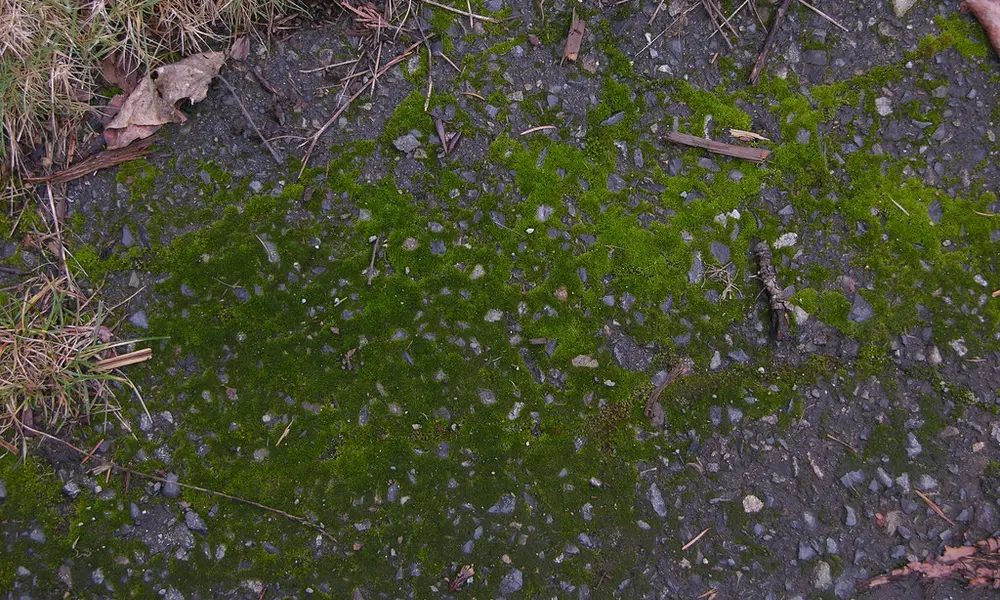
The moss-maskers leave a driveway that looks clean for a fortnight. The green is scraped off the top, the surface is washed, and you pay happily. A few weeks later, after the first rain, the moss is back, as thick as ever. What happened is simple: the moss was cut, not killed. The roots and spores stayed in the joints and the pores of the surface, and the damp weather did the rest. Real moss removal treats the roots first, lets the treatment work, then washes the dead moss away. The maskers skip the treatment because it takes time, and they never warn you that the green will return. A driveway in shade or under trees grows moss faster than most, so treatment matters most where the moss is worst. Ask what will stop the moss coming back, not just what will take it off today.
4. The joint-neglecters: the blocks that start to rock
Block paving only works because the joints are full of sand, and the joint-neglecters empty them out. The jet blasts the sand from between the blocks, the weeds are left in place, and nobody re-sands. Within weeks, the blocks rock underfoot and weeds push up through the gaps. A proper block-paving clean washes gently, pulls the weeds, and re-sands the joints so the blocks lock together again. The neglecters skip the re-sanding because it is slow, dusty work, and they never mention that the joints are now empty. Check the joints after the clean: they should be full to the top with fresh sand. If they are empty, the driveway is already coming apart.
5. The sealing-skippers: the clean that does not last
A clean driveway without sealant is waiting to stain again. Sealant closes the pores, so oil, leaves and rain sit on top instead of soaking in, and the next clean is far easier. The sealing-skippers never offer it. They wash the driveway, take the money, and leave the surface wide open: the first oil drip soaks straight in, the first autumn leaves stain, and within weeks the driveway looks half as dirty as before. Sealing costs extra and takes time to dry, which is why the skippers avoid it, but a sealed driveway stays clean for months. Ask whether sealing is included and what it costs. If the cleaner has never mentioned it, your clean will not last the season.
6. The edge-skippers: the borders that stay dirty
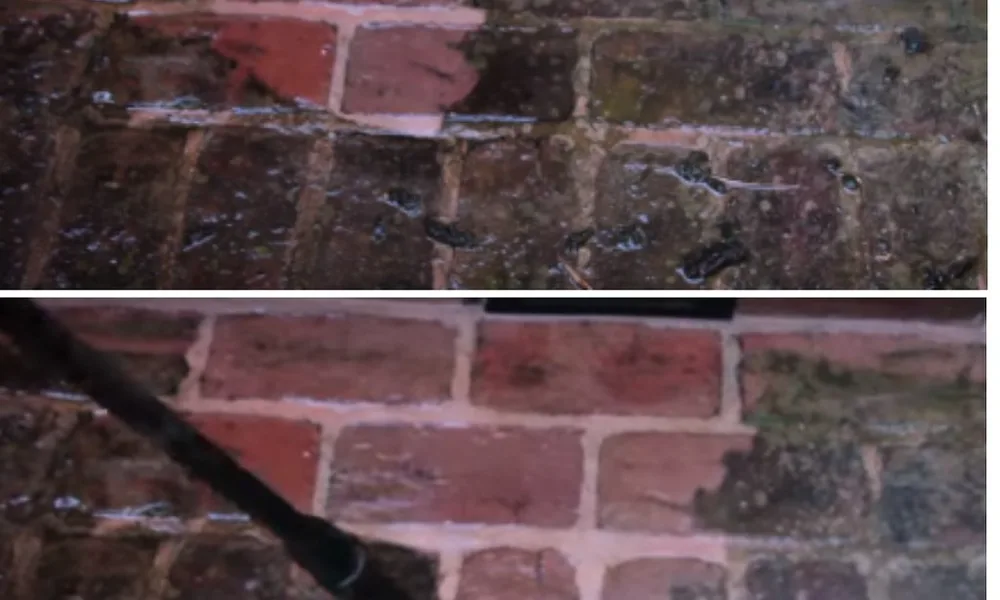
The edge-skippers clean the middle and leave the rest. The centre of the driveway gleams, but the edges by the walls, the steps by the door, the strip by the garage and the drain covers are still filthy. Edges are where the dirt collects: leaves rot against the wall and silt builds up around the drains. A proper clean works the edges first, where the dirt is oldest and hardest, and finishes by clearing the drains so the dirty water has somewhere to go. The skippers work the easy middle, where the jet moves fast, and never touch the borders. Walk the edges after the clean, not just the middle. If the borders are still dirty, you paid for half a job.
7. The water-pushers: the flood that follows the clean
The water-pushers finish the driveway and flood something else. The dirty water is pushed toward the house instead of away from it, the garage floor ends up under silt, the path is coated in mud, and the drains are choked with grit blasted off the drive. A careful cleaner works away from the house, keeps the dirty water moving toward the road drain, and clears the silt before it sets. The pushers never think about where the water goes: the jet points wherever is easiest. Before the clean starts, ask where the water will go. If the cleaner has no answer, your garage is about to find out.
What to avoid when booking a driveway cleaner
The most common regret is a wrong match: a high-pressure blast for soft block paving, a cheap one-pass job for deep oil stains, or a firm chosen on price alone with no check on sealing or joints. Check three things before you pay: the surface, whether sealing and re-sanding are included, and the total price in writing with the whole area listed. Our guide to the worst gardeners of 2026 makes the same point about outdoor work: the finishing decides how long the job lasts.
Checklist: booking a driveway cleaner
- Ask what your driveway is made of and what pressure the cleaner will use on it.
- Get the price, the area and what is included in writing before anyone switches a machine on.
- Point at the oil stains and ask how each one will be treated, not just blasted.
- Ask how the moss will be treated so it does not grow back, and whether the joints will be re-sanded.
- Check insurance, references and a real address, and pay by card.
- Never pay in full until the driveway is dry, the stains, moss and weeds are gone and the edges are clean.
Frequently asked questions
How often should a driveway be professionally cleaned?
Most homes need it once a year, more often under trees or where cars leak oil. A driveway cleaned properly and sealed lasts far longer between cleans.
Can driveway cleaners remove every oil stain?
No, and an honest cleaner says so. Fresh oil usually lifts, but old stains soaked deep into concrete may only fade. Be wary of any cleaner who guarantees every stain will vanish.
Is pressure washing safe for block paving?
Only at the right pressure, with the joints re-sanded afterwards. Too much pressure blasts the sand out and loosens the blocks.
Why does moss come back so fast after cleaning?
Because the roots were never treated, only scraped off the top. Moss regrows from the roots and spores left in the joints, so a lasting clean treats first and washes second.
Should a driveway be sealed after cleaning?
Yes, for most surfaces. Sealant closes the pores, keeps oil and stains on the surface, and makes the next clean far easier.
How long does a driveway take to dry after cleaning?
A few hours in dry weather, longer in shade or after rain. Do not judge the result while it is wet: oil stains and missed patches only show once the surface is dry.
Bottom line
The worst driveway cleaners of 2026 make the driveway look clean without making it clean. Check the surface, agree the price in writing, ask about sealing and joints, and inspect the driveway once it is dry. Do those four things and your cleaner will lift dirt out, not push it around.


