The Worst Flea Markets of 2026: Seven Secondhand Traps That Drain Your Wallet
The worst flea markets of 2026 are not the quiet ones with a handful of honest stalls. A small market where sellers know their stock, prices are written down and a chipped plate costs what a chipped plate should can be the best part of a weekend, The worst flea markets fail in a simpler way: they charge antique prices for goods that were never old, never rare and never worth carrying home. This guide ranks the worst types of flea market you will meet in 2026, so you can spot a bad one before you hand over your money.
Key takeaways
- Second-hand should mean second-hand: new goods dressed as vintage are the flea market’s oldest trick.
- Test before you buy, because a stall that will not plug something in is selling you a surprise.
- Rare means rare: if every stall has the same so-called collectable, it is common, not collectable.
- Check the marks, the wear and the weight before you believe a story about age or silver.
- Walk the whole market first, compare three stalls, and keep your money for a seller who answers questions.
How the worst flea markets were chosen
Every type below was scored on five measures. Honesty comes first: is the stock really what the seller says it is, or is new stock dressed up as old? Working condition is second, judged on whether electronics, clocks and toys can be tested before you pay. Fair pricing is third: does the price match what the same item sells for elsewhere, or does it rely on a story? Knowledge is fourth, because a seller who cannot answer a simple question about an item probably does not know where it came from. Returns are fifth: a stall with no returns has nothing to lose.
Two notes before the list. First, this guide is about flea markets themselves, not markets in general: our guide to the worst markets ranks the everyday, food, farmers’, craft and night markets that waste your money in other ways, and the flea market is only one row in it. Second, no single market is named as the worst, because the same seven traps turn up in every town and every country. The same logic applies to the stalls outside a stadium, as our guide to the worst sports markets shows, where identical imported goods sell at triple the price.
Comparison table: the worst flea markets of 2026
| Rank | Flea market type | Main fault | Warning sign |
|---|---|---|---|
| 1 | The Fake-Vintage Furniture Row | Reproduction furniture sold as antique | Fresh distressing, matching sets, no wear |
| 2 | The Dead-Electronics Table | Old electronics that never worked | No plug, no test, no returns |
| 3 | The Overgraded Collectables Stall | Common items priced as rare finds | Mint grades on worn stock |
| 4 | The Counterfeit Designer Rail | Fake bags and watches at real prices | Wonky stitching, wrong weight, no proof |
| 5 | The Missing-Pieces Box | Incomplete sets sold as whole | Sealed boxes, parts already gone |
| 6 | The Tarnished Jewellery Tray | Plated metal sold as solid silver | No hallmarks, blackened fingers, vague answers |
| 7 | The Haggle Maze | Prices invented for each buyer | Nothing priced, price rises with interest |
The worst flea markets of 2026
1. The Fake-Vintage Furniture Row: the worst flea market of all
The Fake-Vintage Furniture Row is the worst flea market you will ever walk through, and it is not close. Every stall sells the same distressed chairs, sanded-down tables and reproduction signs, all aged with sandpaper and dark wax in the same week, all priced as if they survived a century. Real antique furniture is uneven, with wear where it was actually used. The Fake-Vintage Row is the opposite: matching sets, identical scuffs, fresh-smelling wood under the stain, and a seller who calls everything Georgian without knowing what the word means. Pick up a chair and look underneath. If the wood is pale and new where it should be dark with age, keep walking.
2. The Dead-Electronics Table: gadgets that never worked
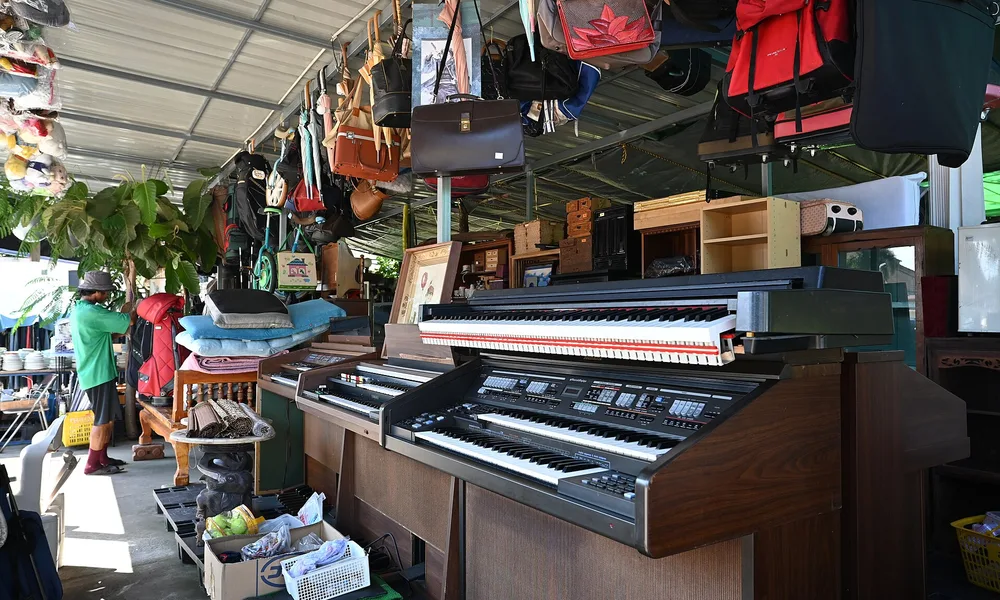
The Dead-Electronics Table is a pile of old radios, cameras, game consoles and kitchen gadgets with no plug in sight and no test on offer. The seller shrugs and says it worked when it was put away, which is another way of saying it does not work now and nobody checked. A fair stall tests its goods in front of you or prices them as broken. The worst stalls do neither, and the fault only appears when you get home. Ask to see it switched on, and watch what happens. If there is no socket, no battery and no patience for the question, the gadget is a paperweight with a price tag.
3. The Overgraded Collectables Stall: common stock at rare prices
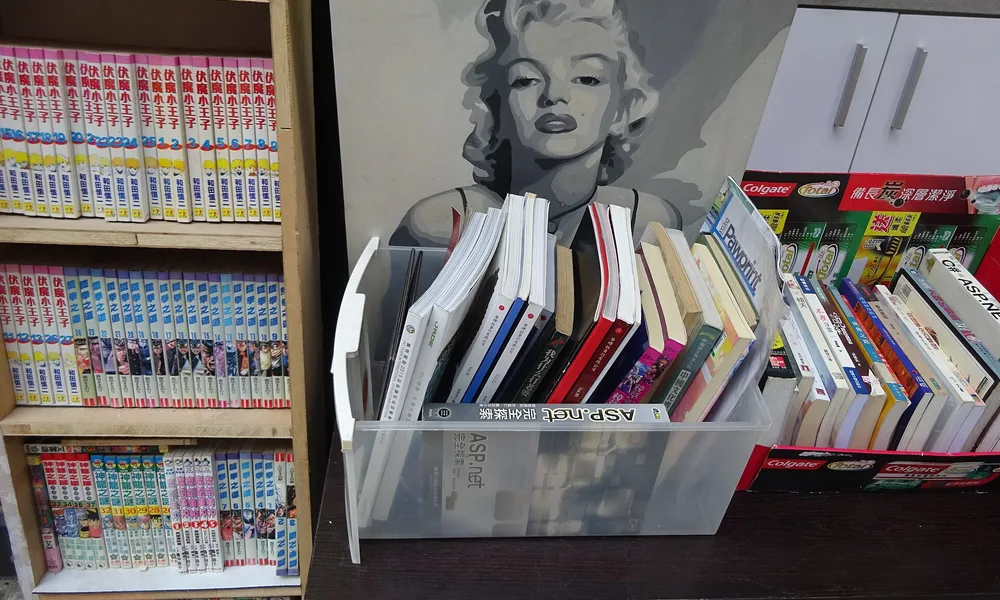
The Overgraded Collectables Stall is where ordinary comics, records and trading cards wear prices that belong in a museum. Every item is described as mint, rare or a first edition, even the ones with creased covers, scratched sleeves and bent corners. The warning sign is the grading itself: a seller who calls a worn paperback near-mint is either guessing or hoping you will not look closely. Check the condition yourself, compare the price with what the same item sells for online, and remember that a collectable is only worth what someone else will pay for it tomorrow. The same caution applies to the things you carry home from any market, as our guide to the worst sports souvenirs shows, where keepsakes lose their value the moment you leave the stall.
4. The Counterfeit Designer Rail: fakes at real prices
The Counterfeit Designer Rail hangs its bags and watches where the light is worst and the crowd is thickest, because neither survives a close look. The stitching wanders, the zips catch, the metal feels light and hollow, and the logo is a fraction off in a way your eye catches before your brain names it. A genuine bag shows honest wear; a fake shows stiff material, sharp edges and a smell of fresh glue. The price is the giveaway as often as the goods, because a real designer bag at a tenth of its value is either stolen or fake, and neither is a bargain. Walk away from any rail where the seller will not let you hold the bag in good light.
5. The Missing-Pieces Box: sets that were never whole
The Missing-Pieces Box is the stall of board games without their counters, jigsaws without their corners, tool sets without their spanners and dinner services without their plates. Everything is sold sealed, taped or bagged, so you cannot count what is inside until you are home, and by then the seller is gone. A fair stall opens the box and prices the set for what is actually there. The fix is simple and non-negotiable: never buy a set you have not opened and counted. If the seller will not let you look inside, the box is not a bargain, it is a bet, and the house always wins.
6. The Tarnished Jewellery Tray: plated metal sold as solid
The Tarnished Jewellery Tray is a velvet board of rings, chains and brooches that all look silver until you look twice. The metal is plated, the stones are glass, and the hallmarks are either missing or stamped so faintly that nobody can read them. A genuine piece has a clear hallmark and a weight that matches its metal. The tray’s pieces are light, the plating is already wearing through on the clasps, and any question about the marks is answered with a story about a grandmother nobody can name. Carry a magnet and a loupe if you buy old jewellery, and buy the metal, not the story. If the seller cannot show you a hallmark, assume there is not one.
7. The Haggle Maze: prices invented for each buyer
The Haggle Maze is the flea market where nothing has a price, because the price depends on who is asking. The same chipped vase costs one amount for a local, another for a visitor, and a third if you show any interest at all. A fair haggle starts from a written price and moves a little; the Maze starts from nowhere and moves only in the seller’s favour. The warning sign is the blank tag: no price, no comparison, no anchor, just a seller watching your face. Ask the price of three things before you show interest in any of them, and if the numbers do not add up, take your money to a stall that writes its prices down.
What to avoid when choosing a flea market
The most common flea market regret is not a bad market but a blind buy: an item picked up in a hurry, at the first stall, with no test, no comparison and no check of the marks. Avoid the trap by checking four things before you pay: whether the item works, whether the price matches what it sells for elsewhere, whether the wear and the marks match the story, and whether the seller will stand behind the sale. A good flea market rewards patience, because the best stall is often the quiet one at the far end, run by someone who knows every item on the table. A bad one punishes haste.
Checklist: choosing a flea market
- Walk the whole market before you buy anything, and compare the same kind of item on three stalls.
- Test electronics, clocks and toys in front of the seller, and never pay working prices for untested goods.
- Check the wear, the marks and the weight against the story.
- Look up the price of a collectable before you pay, and treat every mint grade with suspicion.
- Open sealed boxes and count the pieces before you hand over any money.
- Buy from sellers who write their prices down and answer questions, and walk away from blank tags.
Frequently asked questions
What makes a flea market bad?
Dishonest stock above all: new goods sold as vintage, broken goods sold as working, and common goods sold as rare. Add blank prices and no returns, and the market is a trap.
How do I spot fake vintage furniture?
Look underneath and inside: fresh pale wood, identical scuffs and a smell of new stain all point to a reproduction. Real age is uneven, with wear where the piece was actually touched.
Should I buy old electronics at a flea market?
Only if you can test them first. Ask the seller to plug the item in, and pay a broken price if it cannot be tested. A gadget that worked when it was put away is a gadget that does not work now.
How do I know if a collectable is really rare?
Check the condition yourself and compare the price with recent sales. If every stall has one, it is common, and a worn item described as mint is a warning.
Is haggling expected at a flea market?
Yes, but a fair haggle starts from a written price. If nothing is priced and the price rises when you show interest, the seller is not haggling, they are guessing what you will pay.
What should I check before buying old jewellery?
Look for clear hallmarks, check the weight, and look for plating worn through on clasps and edges. If the seller cannot show you a hallmark, assume the piece is plated, and pay a plated price.
Bottom line
The worst flea markets of 2026 are the ones that sell new goods as vintage, broken goods as working, and common goods as rare, all at prices that rely on a story instead of the item in your hands. Test before you buy, compare three stalls, check the marks and the wear, and keep your money for the seller who writes prices down and answers questions. A good flea market is a slow wander with sharp eyes, not a race to the first stall.


