Avoid the Worst Golf Courses of 2026
The worst golf courses of 2026 are not the hardest courses or the oldest ones. A hard course with true greens, honest fairways and a sensible layout can be a wonderful day out, even when it beats you. The worst golf courses fail in simpler ways: the greens will not hold a putt, the fairways flood after a light shower, the bunkers are full of stones, and the layout sends you hunting for lost balls on holes you never meant to play. This guide ranks the worst types of golf course in 2026, by the course itself, so you can spot a bad one before you pay the green fee.
Key takeaways
- The worst golf courses are types and patterns, not places: the same seven faults turn up on courses everywhere.
- Greens decide the day. A green that will not roll true ruins every hole, however pretty the rest of the course looks.
- Drainage is the cheapest thing to check and the most expensive to ignore: a course that floods after light rain wastes your round.
- A bad layout costs balls, time and temper. Blind holes, crossing fairways and missing signs are design faults, not challenges.
- Check the greens, the bunkers and the drainage before you pay, and walk away from any course that fails two of them.
How the worst golf courses of 2026 were chosen
Every type below was scored on five measures. Greens come first: do putts roll true, or do they bounce, bobble and veer off line? Fairways are second, judged on drainage, turf cover and whether a good drive ends up in mud or on bare earth. Hazards are third, covering bunkers that are unraked or full of stones and water hazards placed so every hole punishes an ordinary shot. Layout is fourth, because blind holes, crossing fairways and long walks between greens and tees waste the whole round. Value is fifth: the fee, the pace of play and the facilities.
Two notes before the list. First, no single course is named as the worst, because the same seven faults appear on courses everywhere, and what matters is learning to recognise the pattern before you book. Second, this is about the course itself, the grass under your feet, not the ride around it; our guide to the worst golf carts of 2026 covers the vehicles that let players down, while the ground they drive over is a different problem.

Comparison table: the worst golf courses of 2026
| Rank | Course type | Main failure | Worst moment |
|---|---|---|---|
| 1 | The Patchwork Green | Bumpy, bare and untrue greens | A two-foot putt hopping offline |
| 2 | The Flooded Fairway | No drainage, standing water | A good drive plugging in mud |
| 3 | The Rock-Hard Bunker | Unraked sand full of stones | A wedge bouncing off concrete sand |
| 4 | The Lost-Ball Rough | Overgrown, uncut rough | Losing a ball two yards off the fairway |
| 5 | The Blind Dogleg Maze | Blind holes, crossing fairways | Driving into the group ahead unseen |
| 6 | The Water-Trap Course | Hazards guarding every hole | A third ball in the same pond |
| 7 | The Tired Clubhouse Course | Slow play, thin facilities, hidden fees | A six-hour round with nowhere to sit |
The worst golf courses of 2026
1. The Patchwork Green: greens that will not roll true
A green should be the most honest part of a golf course. On the patchwork green it is the least honest part. Aeration holes left unfilled, bare patches the size of dinner plates and bumps that send a straight putt sideways turn the shortest shot in golf into a lottery. You can strike the ball perfectly and still watch it hop, and once that happens twice, you stop trusting your stroke for the rest of the day.
The giveaway is visible before you play a hole. Walk onto the practice green and roll three putts from six feet. If two of them wobble, the course greens will do the same.
2. The Flooded Fairway: a course with no drainage
Rain is part of golf, but a flooded fairway is not. On a course with no drainage, a light overnight shower leaves standing water in every low spot, and a good drive plugs where it lands instead of bouncing forward. You spend the round lifting mud off the ball, wiping your shoes and watching shots stop dead in ground that should be firm.
Check the forecast and the course before you book. If it rained yesterday and the course still advertises perfect conditions, be suspicious.
3. The Rock-Hard Bunker: sand that plays like concrete
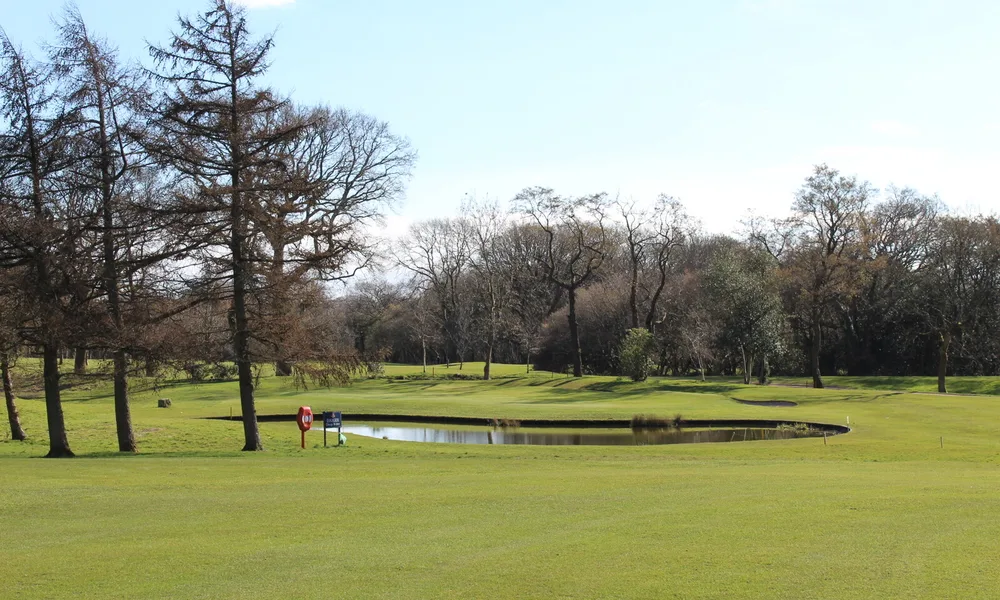
A bunker should be a hazard you can escape with a decent swing. On the rock-hard bunker course, the sand has not been raked in weeks, has compacted into a crust and hides stones that can damage a club and injure a wrist. Your wedge bounces off the surface instead of sliding under the ball, the ball skids across the green, and the next shot comes from somewhere worse.
Test a bunker before your round counts. Step into the practice bunker and drag your foot through the sand. Good sand is soft, deep and even; bad sand is thin, crusted and gritty, and you can feel the hard base through your shoe.
4. The Lost-Ball Rough: rough that swallows everything
Rough should punish a bad shot, not erase a good one. On the lost-ball rough course, the grass beside the fairway grows waist high, thick and uncut, and a ball that misses the short grass by two yards is gone for good. You lose balls you struck well, you lose time searching, and the group behind you loses patience. A round that should take four hours takes five.
The fault is maintenance, not design. Look at the first hole from the tee: if the rough is already above your knees and there are no cut paths for finding balls, bring a dozen cheap balls and expect to lose half of them.
5. The Blind Dogleg Maze: a layout that hides the hole
A blind hole can be a delight when it is designed well, with a marker post and a fair landing area. The blind dogleg maze is the opposite: hole after hole turns out of sight, with no bell, no marker and no sign telling you where the green is. You hit into the unknown, walk forward, and find your ball on another fairway, or in the path of a group playing the hole that crosses yours.
Study the course map before you book, and look for fairways that run parallel with only a few yards between them, or greens tucked behind a hill with no aiming post. If the first three holes are all blind, the rest will be too.
6. The Water-Trap Course: a pond on every hole
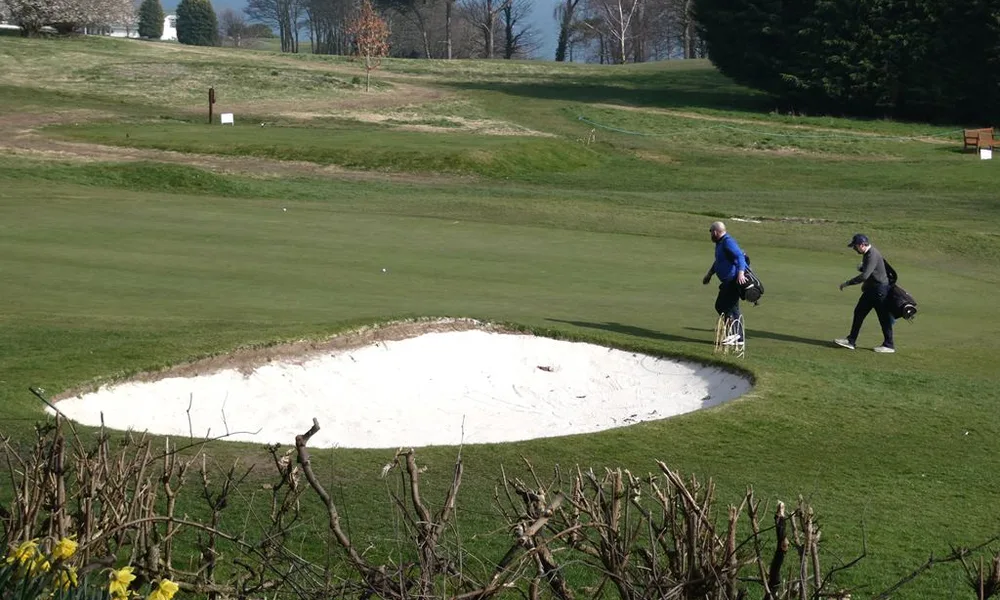
Water is a fine hazard in small doses. On the water-trap course, a pond guards the front of nearly every green, a stream crosses every fairway, and a lake sits exactly where a normal drive lands. Ordinary players lose three or four balls a round to water they never had a fair chance to avoid, and the round becomes an exercise in buying balls rather than playing golf.
Count the water before you pay. A course guide that shows a pond on most holes is warning you, not boasting. If the carry over water is longer than your normal drive on more than a couple of holes, you will spend the day dropping balls and adding penalty strokes.
7. The Tired Clubhouse Course: slow play and thin facilities
Some courses fail off the grass as much as on it. The tired clubhouse course runs six-hour rounds because it books tee times eight minutes apart, keeps no starter on the first tee and lets groups of five play through nobody. The clubhouse has a shuttered kitchen, a single toilet and a pro shop that sells little but old gloves. By the turn you are tired, hungry and two hours behind.
Ask about pace of play when you book, and listen to the answer. If the course will not promise a round under five hours, or laughs off the question, believe it. Check whether food is actually served on the day you plan to play.
What to avoid when booking a golf course
The most common regret is not a bad course but a wrong booking: a green fee paid before anyone checked the greens, a round booked the morning after heavy rain on a course famous for flooding, or a cheap deal that hides a trolley ban and a car park charge. Avoid the trap by checking three things before you pay: the state of the greens, the drainage after rain, and the total price with every fee included. The same checks work on any playing surface, and our guide to the worst sports fields of 2026 makes the same point about ground that lets players down.
Read recent player photos, not the course website gallery. The website shows the course in spring sunshine; a player photo from last week shows the greens as they are now.
Checklist: booking a golf course in 2026
- Roll three putts on the practice green before you pay, and walk away if two of them wobble offline.
- Check the rain from the last two days and the low fairways, and skip any course still standing in water.
- Step into the practice bunker and drag your foot through the sand to check it is soft, deep and stone-free.
- Look at the course map for blind holes and crossing fairways before you book, not after the first lost ball.
- Add trolley hire, parking and any booking fee to the green fee and compare the real total.
- Ask about pace of play and food on the day, and book elsewhere if the round will take six hours.
Frequently asked questions
What makes a golf course bad rather than just hard?
A hard course tests your skill with true greens, fair hazards and a clear layout. A bad course fails on maintenance and design: putts that will not roll true, fairways that flood, bunkers full of stones and holes you cannot see.
How can I check the greens before I book?
Look at recent player photos of the putting surfaces, read reviews from the last few weeks, and ask the course directly whether the greens have been aerated.
Is a course with lots of water always a bad course?
No. Water is a fair hazard when there is a dry route around it and the carry matches an ordinary drive.
What should I do if the course floods during my round?
Ask the pro shop about a rain check before you start, and know the policy before you pay.
Are blind holes always a sign of a bad layout?
One or two blind holes with a marker post and a bell are part of the game.
How long should a round of golf take?
A four-ball should finish in about four to four and a half hours.
Bottom line
The worst golf courses of 2026 are the ones that fail the basics: greens that will not roll true, fairways that flood, bunkers full of stones, rough that swallows good shots and layouts that hide the hole. Check the greens, the drainage and the real price before you book, and pick a course that respects your time and your game. The venue around the course matters too, and our guide to the worst sports stadiums of 2026 shows how a bad venue can spoil a good day out in the same way.