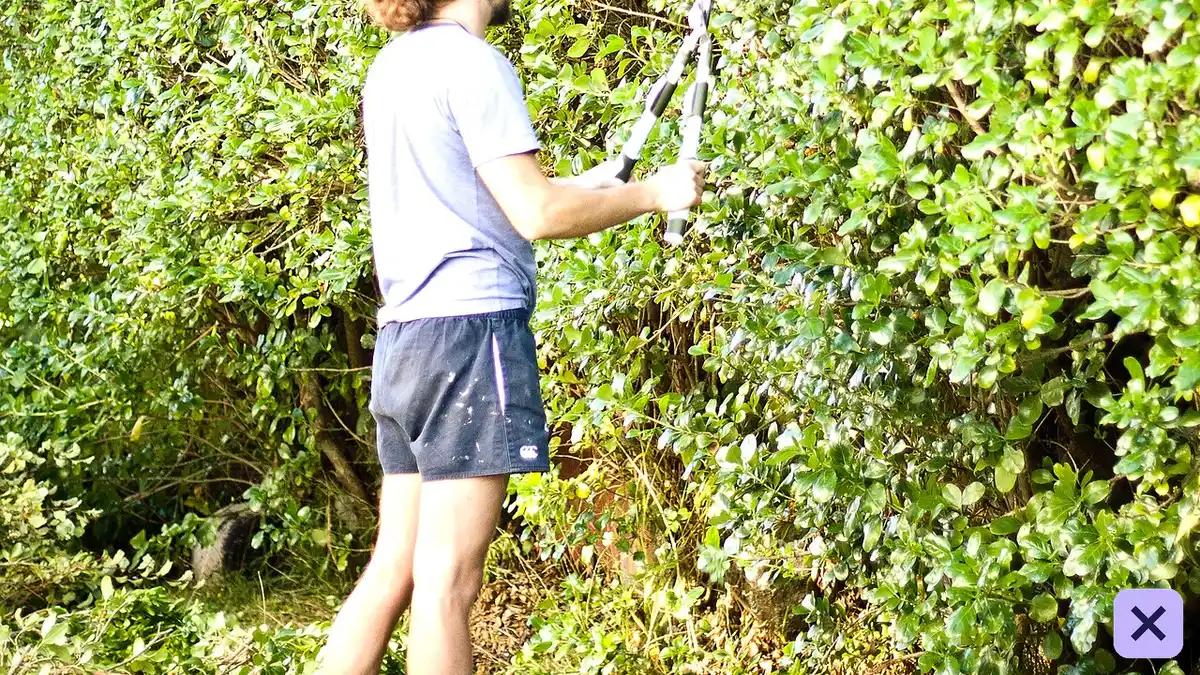
Cut Past the Worst Hedge Shears of 2026: Shears That Bend, Bind and Chew Hedges
The worst hedge shears of 2026 look like a bargain in the garden centre: a light pair of shears with long shiny blades, a cheap set that costs less than a bag of compost, or a heavy pair that promises to cut anything. Then the first real trimming day arrives, the blades bend on the first woody stem, the pivot works loose and the blades gap, and the shears that felt sharp on one soft shoot cannot cut a straight line at all. This guide ranks the seven worst hedge shear types of 2026, by what actually goes wrong, so you can spot the pattern before you buy and leave the worst ones on the shelf.
Key takeaways
- An ultra-light pair of budget shears is the type to avoid first: the thin blades bend on the first woody stem.
- A loose pivot matters more than blade length: blades that gap will fold stems instead of cutting them.
- Short handles turn a tall hedge into ladder work, and long heavy shears turn a short hedge into arm ache.
- Serrated blades tear soft growth, and coated blades that rust at the edge cannot be sharpened back to life.
- Check the blade steel, the pivot bolt, the handle length and the grip before you buy, and test the shears on woody stems, not just soft tips.
How the worst hedge shears of 2026 were chosen
Every type below was scored on five measures. Cutting ability comes first: can the shears cut the stems their size and price promise, from soft new growth to woody old branches? Blade strength is second, because shears that bend on the first thick stem are disposable tools. Handle length and balance are third: shears that are too short for a tall hedge, or too heavy at the blade end, wear your arms down long before the hedge is finished. Durability is fourth, judged on the pivot, the handles and the blade coating, because shears that work loose after a season are not worth the saving. First, this guide covers manual hedge shears only: two-hand shears with long straight blades that you open and close by hand. Powered hedge trimmers are a different tool for a different job, with batteries, cords and motors of their own, as our guide to the worst hedge trimmers of 2026 shows, while pruning shears and loppers cut single stems rather than shaping a whole hedge face. Second, no single model is named as the worst, because the same bad patterns appear across many brands, and what matters is learning to recognise them for your own hedge.
Comparison table: the worst hedge shears of 2026
| Rank | Shear type | Main fault | Watch out for |
|---|---|---|---|
| 1 | Ultra-light budget shears with thin blades | Blade bends on first woody stem | Stamped steel, flimsy pivot, no parts |
| 2 | Shears with a loose pivot that will not stay tight | Blades gap and fold stems | Soft bolt, no lock nut, wobble |
| 3 | Short-handled shears on tall hedges | No reach, ladder work | Short handles, ragged top line |
| 4 | Heavy steel shears with slick handles | Weight and blisters | Smooth wood, no grip, arm fatigue |
| 5 | Serrated-blade shears on soft growth | Tears instead of cutting | Torn stems, brown tips, disease risk |
| 6 | Telescopic-handle shears that slip under load | Handles collapse mid-cut | Slipping collars, uneven cuts |
| 7 | Coated blades that rust and cannot be sharpened | Dull edge, brown tips | Flaking coating, pitted steel |
The worst hedge shears of 2026
1. Ultra-light budget shears with thin stamped blades: the blade bends first
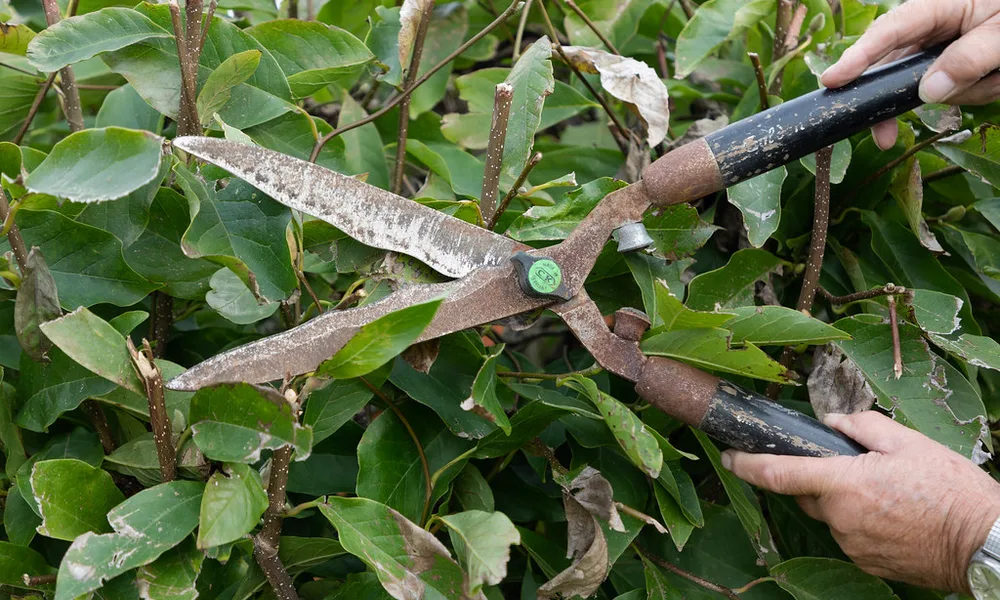
The ultra-light budget shears are the worst hedge shears of 2026, and they win the title on the most common complaint of all: the blade bends on the first woody stem. The blades are stamped from thin steel, the pivot is a soft bolt that was never meant to take real force, and the handles flex as you squeeze, so the cutting edge wanders instead of meeting cleanly. If you buy shears, buy the blade first: check the steel thickness, the pivot bolt and the weight in your hands before you pay.
2. Shears with a loose pivot that will not stay tight: the blades gap and fold
A loose pivot turns good blades into bad shears. The bolt works slack after a few dozen cuts, the blades open a gap at the tip, and instead of slicing a stem the shears fold it, bruise it and leave it hanging by a thread of bark. Tightening the bolt helps for an afternoon, and then the slack is back, because the bolt is soft, the nut has no lock, and the washers have worn thin. Walk away from any pair whose blades already wobble on the shop rack.
3. Short-handled shears on tall hedges: the reach runs out first
Short-handled shears are a good tool for a low box hedge and a bad tool for everything above waist height. When the handles are short you cannot reach the top of a tall hedge from the ground, so the work becomes ladder work: climb, cut a strip, climb down, move the ladder, and climb again, while the top line drifts ragged because you are never cutting from the same angle twice. Measure your hedge before you buy, and match the handle length to the tallest part you must reach.
4. Heavy steel shears with slick wooden handles: strong, tiring and hard to hold
Heavy steel shears are the strongest hedge shears you can buy and the hardest to live with. The blades have power to spare and thick stems fall without a snag, but a pair with a full steel head weighs far more than a light pair, most of it at the blade end, so your arms tire and the top of the hedge gets cut last, when you are weakest. Slick varnished wooden handles make it worse: once your hands sweat, the handles slip, your grip tightens to compensate, and blisters follow.
5. Serrated-blade shears on soft growth: they tear what they should slice
Serrated blades look like they should grip a stem and hold it still, and on a dry woody twig they sometimes do. On soft new growth they do the opposite: the teeth catch the stem, drag it between the blades, and tear it instead of cutting it cleanly. The result is a hedge face full of ragged, bruised tips that turn brown within days, and torn stems that invite disease into the plant. If your hedge is mostly soft new shoots, buy straight blades and keep them sharp, and leave serrated shears on the shelf.
6. Telescopic-handle shears that slip under load: the handles give way mid-cut
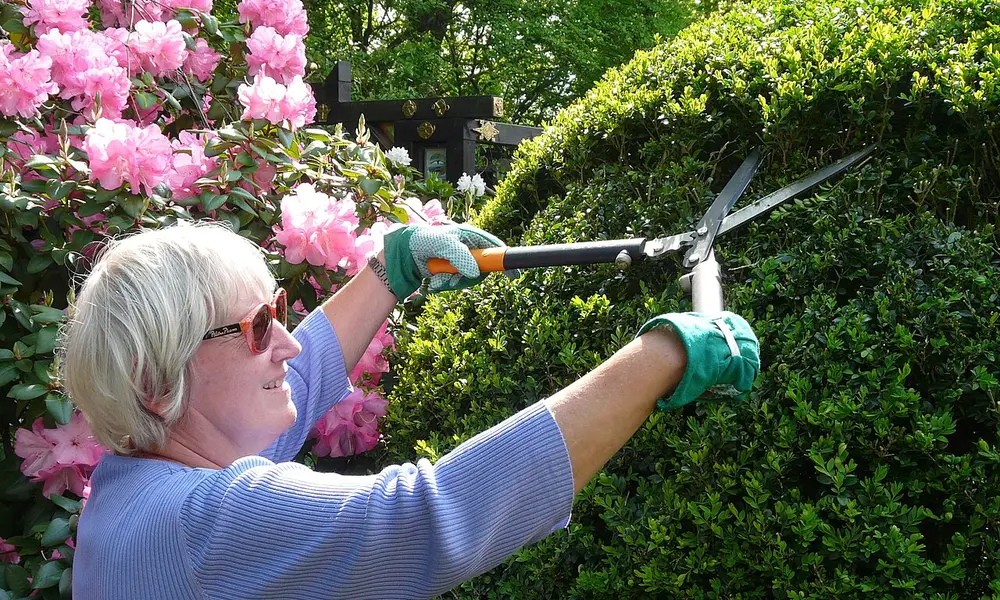
Telescopic handles promise the best of both worlds: short shears for low work and long shears for the top of the hedge, all in one pair. The promise fails the first time you squeeze hard on a thick stem, because the locking collars slip, one handle slides an inch shorter than the other, and the blades twist out of line mid-cut. The cut goes ragged, the hedge line wanders, and you stop every few minutes to pull the handles back out and re-tighten the collars. If you need reach, buy a fixed long-handled pair instead of a telescopic one that changes length when you least want it to.
7. Coated blades that rust at the edge and cannot be sharpened: dull from the first season
Coated blades look smart in the shop: a dark non-stick finish that promises sap will never stick and rust will never start. The coating wears first exactly where it matters, along the cutting edge, and once it flakes the bare steel underneath rusts, pits and dulls faster than an uncoated blade would have done. Worse, the coating makes sharpening a chore: a file or stone catches on the flaking finish, the edge comes back uneven, and the shears chew stems instead of cutting them. A pair whose coating is already flaking on the rack will only get worse in your shed.
What to avoid when buying hedge shears
Avoid the trap by checking four things before you pay: the blade steel and its thickness, not the shine of the coating; the pivot bolt and whether it stays tight; the handle length against your tallest hedge; and the grip when your hands are damp. The same checks work for other garden machines too, and our guide to the worst leaf blowers of 2026 makes the same point about weight and grip, because the traps are the same everywhere. A pair of shears that fails any one of these checks will fail you on the first real trimming day.
Checklist: buying hedge shears that will last
- Open and close the shears on the rack: the blades should meet along their whole length with no gap at the tip.
- Check the pivot bolt for a lock nut you can tighten with a spanner, not a soft rivet you cannot adjust.
- Match the handle length to your tallest hedge so you can cut the top from the ground.
- Hold the shears above shoulder height for a minute: if your arms ache already, they are too heavy.
- Choose straight blades for soft growth, and walk away from serrated blades unless your hedge is mostly woody.
- Ask about spare parts and sharpening: a pair with no parts supply and a coated blade is a disposable tool.
Frequently asked questions
What makes hedge shears bad?
Thin blades that bend, a pivot that works loose, handles that are too short or too heavy, and an edge that cannot be kept sharp. Any one of these faults turns a simple trimming job into a ragged, tiring chore.
Are manual hedge shears better than powered trimmers?
For a small or medium hedge, yes: shears are quiet, light and precise, and they leave a clean cut.
How long should hedge shear handles be?
Long enough to reach the top of your tallest hedge from the ground. Short handles suit low box hedging only; tall hedges need long fixed handles, not telescopic ones that slip.
Can I sharpen hedge shears myself?
Yes, if the blades are plain steel: a flat file or sharpening stone along the bevel, a few passes each side, then a wipe of oil. Coated blades are harder to sharpen evenly once the coating flakes.
Why do my shears leave brown tips on the hedge?
Brown tips usually mean torn stems, not disease. Dull, gapped or serrated blades bruise the cut instead of slicing it, and the bruised tip dries brown within days.
How do I know if a pair of shears is too heavy?
Hold them above shoulder height for a full minute. If your arms shake or your grip slips, they are too heavy for the top of a tall hedge, and you will cut the top last, when you are weakest.
Bottom line
The worst hedge shears of 2026 are the ones that fail at the job a gardener actually has: thin budget blades that bend, pivots that will not stay tight, handles that are too short or too heavy, and coated edges that rust and cannot be sharpened. Buy the blade and the pivot first, match the handles to your tallest hedge, and the shears will cut a clean line instead of chewing the hedge you are trying to shape. Garden machines fail in their own ways, and our guide to the worst lawn mowers of 2026 shows how the same weight and cheap-steel traps catch a different kind of garden machine.


