The Worst Leaf Blowers of 2026 to Leave on the Shelf
The worst leaf blowers of 2026 look like the smartest buy in the garden centre: a light cordless blower that starts with a button, a big petrol backpack that promises to clear an acre, or a wheeled machine that claims to do the work of a whole crew. Then the first real autumn arrives, the wet leaves stick to the lawn, the battery fades halfway across the garden, and the blower that felt powerful on one dry leaf cannot move a damp pile at all. A bad leaf blower rarely announces itself on the shop floor. This guide ranks the seven worst leaf blower types of 2026, by what actually goes wrong, so you can spot the pattern before you buy and leave the worst ones on the shelf.
Key takeaways
- A one-battery cordless blower is the type to avoid first: the charge runs out before the garden does.
- Air volume matters more than top speed: a blower that moves a lot of air clears wet leaves.
- A corded blower is only as good as its cord, and on a long garden the cord becomes the job.
- Heavy petrol backpacks are the strongest blowers and the hardest to live with, because weight and noise wear you down.
- Check the air volume, the runtime on full power, the weight and the tube before you buy.
How the worst leaf blowers of 2026 were chosen
Every type below was scored on five measures. Capability comes first: can the blower actually move the leaves its size and price promise, from dry autumn drift to wet leaves stuck to damp grass? Runtime is second, because a blower that dies halfway across the garden strands a job that is half done. Comfort is third, judged on weight, balance, vibration and noise after twenty minutes of real use. Reliability is fourth: the tube, the fan, the battery and the engine, and how often they fail. Value is fifth: the real five-year cost once batteries, fuel, servicing and spares are added, not the shop price.
Two notes before the list. First, no single blower is named as the worst, because the same bad patterns appear in many machines, and what matters is learning to recognise them for your own garden. Second, this guide is strictly about leaf blowers: machines that move leaves with air, judged on their own motor, fan, tube and battery or fuel. A lawn mower cuts grass and fails on decks and blades, as our guide to the worst lawn mowers of 2026 shows, while a snowblower chews snow and throws it clear, as our guide to the worst snowblowers of 2026 explains. This ranking is also broader than the small-yard guide, which covers only oversized machines on tiny lawns, and it ranks the worst by type, where the best-versus-worst comparison weighs both sides instead.

Comparison table: the worst leaf blowers of 2026
| Rank | Leaf blower type | Main problem | First warning sign |
|---|---|---|---|
| 1 | One-battery cordless handhelds | Battery fades halfway | Throw weakens after twenty minutes |
| 2 | Corded electric blowers | Cord limits reach and tangles | More time moving cord than blowing |
| 3 | High-speed, low-volume handhelds | Fast jet, thin air | Dry leaves scatter, wet ones stay |
| 4 | Heavy petrol backpack blowers | Weight, noise and vibration | Shoulders ache before the lawn is done |
| 5 | Wheeled walk-behind blowers | Too big to turn and store | Cannot turn at the garden gate |
| 6 | Blower-vacuum combos, weak suction | Clogs and shreds badly | Bag fills in minutes, tube blocks |
| 7 | Ultra-light plastic-tube budget blowers | Tube cracks, parts rattle loose | Tube wobbles and splits at the joint |
The worst leaf blowers of 2026
1. One-battery cordless handhelds: the charge runs out before the garden does
The one-battery cordless handheld tops this list because it fails at the job a homeowner actually has, and charges a premium price for the privilege. On a small patio it is a delight: quiet, light, starts with a button, and clears the leaves in ten minutes. On a real garden the battery fades after twenty minutes on full power, the throw weakens as the charge drops, and the machine dies halfway across the lawn with the worst half still to clear.
2. Corded electric blowers on a long garden: the cord is the machine
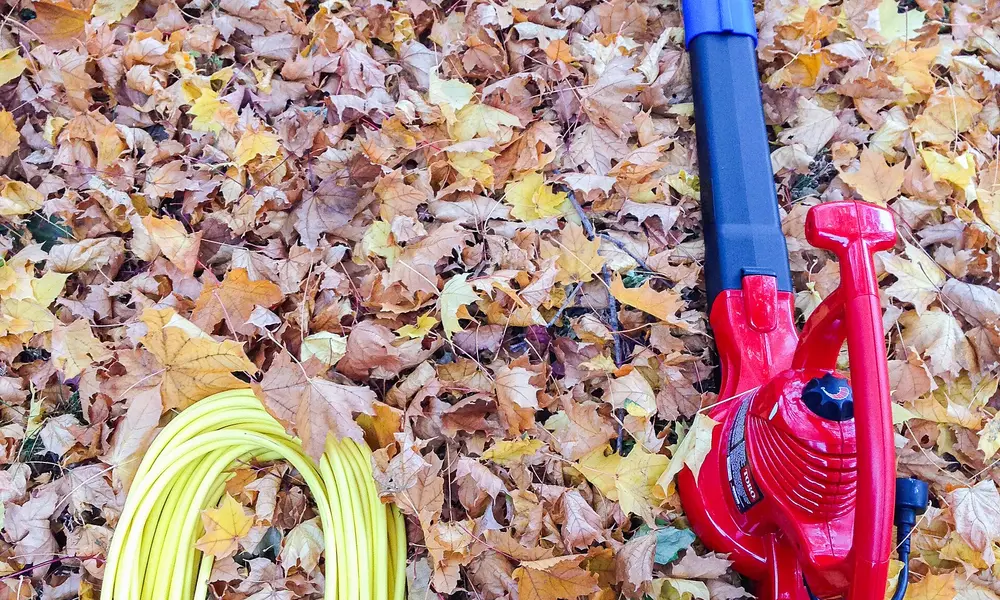
The corded electric blower promises the simplest ownership of all: no fuel, no oil, no battery to charge, just plug in and blow. On a long garden it becomes a wrestling match with its own cable, and owners spend more time moving the cord, untangling it from the fence and keeping it out of the flower beds than they spend blowing leaves. The machine is also built light and cheap, so it cannot shift wet leaves stuck to the grass, and a cord in damp autumn weather is a hazard no careful routing fully removes.
3. High-speed, low-volume handhelds: a fast jet that moves nothing
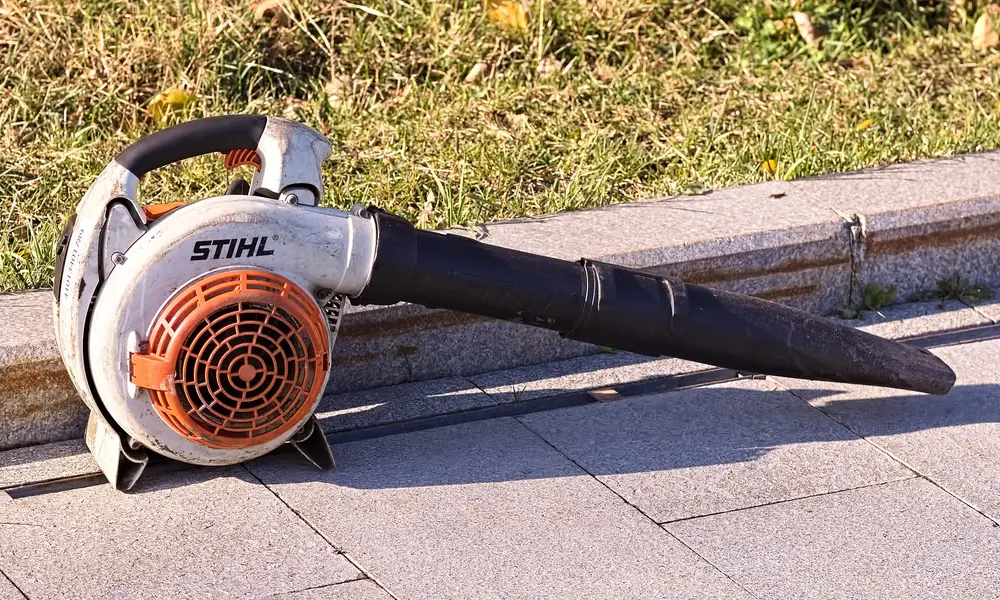
The high-speed, low-volume handheld is the blower most buyers are shown first, and it is easy to see why. The box shouts a big speed number, the jet feels powerful on one dry leaf, and the price is low. The fault is in the number the box hides: air volume. A blower with a very high speed and a low volume moves a narrow strip of air, so it scatters one dry leaf at a time while the pile stays where it was, and on wet leaves it only stirs the top layer. Clearing a whole lawn takes forever, because every pass moves a strip no wider than your hand.
4. Heavy petrol backpack blowers: strong, loud and wearing you down
The heavy petrol backpack blower is the strongest machine on this list, and the hardest to live with. Worn for an hour at a time, it clears a large garden faster than anything else, and that is why professionals use it. For a homeowner it is a different bargain: a heavy pack on the back, a hot two-stroke engine against the spine, a high-pitched whine that carries two gardens away, and vibration that numbs the hand holding the tube. Owners report aching shoulders before the lawn is done, and neighbours who hear the machine long before they see it.
5. Wheeled walk-behind blowers: too big for the garden they serve
The wheeled walk-behind blower is built for parks, estates and long driveways, and on a suburban garden it is absurd. The machine is too wide for the path, too heavy to turn at the gate, and too big to store in a normal shed, so the owner spends the winter tripping over it and the autumn wrestling it around corners. It also needs a flat, open lawn to work at all: on a garden with beds, steps and corners, the big wheeled machine cannot reach where the leaves actually gather, and the owner ends up finishing the job with a rake.
6. Blower-vacuum combos with weak suction: two jobs, neither done well
The blower-vacuum combo promises to do two jobs in one machine: blow the leaves into a pile, then suck them up, shred them and fill a bag. The worst of these machines do neither job well, because the suction is too weak to lift wet leaves, the shredder clogs on damp material, and the bag fills in minutes, so the owner spends more time emptying it than working. The changeover is the other fault: switching from blow to vacuum means stopping, swapping tubes and fitting the bag, and on a cold autumn morning that is a job nobody wants to do twice.
7. Ultra-light plastic-tube budget blowers: the tube gives up first
The ultra-light plastic-tube budget blower is the cheapest machine on this list, and the tube is where the saving shows. The tube is thin, the joints are loose, and after a season of use it wobbles, rattles and splits where it meets the body, so the air leaks out before it reaches the nozzle and the throw shrinks to a sigh. The rest of the machine follows: screws work loose, the fan housing flexes, and a blower that felt light and handy in the shop feels flimsy and tired by its second autumn.
What to avoid when buying a leaf blower
The most common leaf blower regret is not a bad machine but a wrong match: a one-battery blower bought for a big garden, a corded blower bought for a long one, or a backpack bought for a patio. Avoid the trap by checking four things before you pay: the air volume, not just the top speed; the runtime on full power, not on the low setting; the weight you will actually carry for twenty minutes; and the tube, which should be solid, smooth and tight at every joint. The same checks work on other garden machines too, and our guide to the worst chainsaws of 2026 makes the same point about weight and vibration, because a tool that wears you out before the job is done is the same trap in a different shape.
Checklist: buying a leaf blower that finishes the job
- Check the air volume in cubic feet per minute first, and the top speed second.
- Check the runtime on full power, and budget for a second battery if one charge cannot clear your garden.
- Hold the blower at your side for a minute: if your shoulder aches already, the garden will feel twice as big.
- Measure your garden and your shed before you buy a backpack or a wheeled machine.
- Test the tube at every joint for wobble and leaks, and check that spares are still sold.
- Test the blower on wet leaves stuck to grass, not just on dry ones.
Frequently asked questions
Is a cordless leaf blower powerful enough for a big garden?
Only with a big battery, or two of them. A one-battery handheld clears a patio well, but on a big garden the charge runs out before the job does.
What matters more: air speed or air volume?
Air volume matters more. Speed decides how hard the jet hits one leaf, while volume decides how many leaves move at once, and how well the blower handles wet leaves.
Are petrol leaf blowers better than battery ones?
Petrol blowers are stronger and run longer, which is why they still rule the biggest gardens. Battery blowers are quieter, lighter and easier to start, and they suit most suburban gardens.
Can a leaf blower handle wet leaves?
Only a high-volume blower can. Wet leaves stick to damp grass, and a weak blower only stirs the top layer, so test on wet leaves before you buy.
Is a blower-vacuum combo worth buying?
Only if the suction is strong, the bag is large and the shredder is metal. Cheap combos clog on damp leaves, fill the bag in minutes, and spend more time being emptied than working.
How loud is too loud for a leaf blower?
If the neighbours can hear it two gardens away at eight on a Saturday morning, it is too loud for a suburban garden. Battery blowers are the quietest, petrol backpacks the loudest.
Bottom line
The worst leaf blowers of 2026 are the ones that promise power and deliver a chore: batteries that die halfway, cords that run the job, fast jets that move nothing, backpacks that wear you out, wheeled machines too big for the garden, combos that do neither job, and tubes that split at the joint. Check the air volume, the runtime on full power and the weight before you buy, and the blower will clear the garden instead of clearing your afternoon.