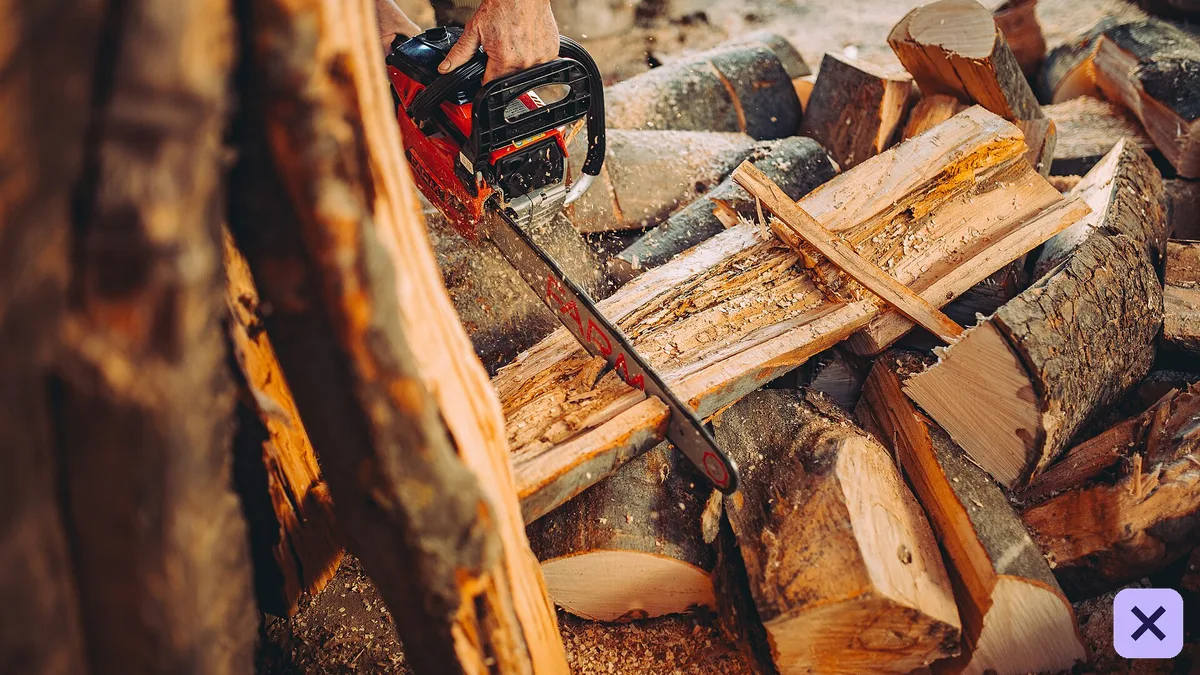
Put Down the Worst Chainsaws of 2026: Saws That Bind, Kick Back and Quit Mid-Cut
The worst chainsaws of 2026 look like the smartest buy on the shop floor: a big petrol saw that promises to fell anything, a light cordless saw that starts with a button, or a cheap electric saw that costs less than a tank of fuel. Then the first real job arrives, the bar binds in hardwood, the chain kicks back, and the battery fades halfway through a cut. This guide names the seven worst chainsaws of 2026, judged by type and pattern rather than by brand, based on published recall records, owner surveys and repeated owner complaints, so you can spot the pattern before you sign.
Key takeaways
- The oversized long-bar chainsaw is the type to avoid first for small yard work: it is too heavy to control and too long for the log.
- Hardwood is what exposes a weak chainsaw, not soft pine: a saw that copes with light branches can bind and stall when the wood turns hard.
- Batteries and cords are the new weak points: a battery that fades halfway through a cut strands a sound saw.
- The chain, the bar and the brake matter more than the engine size on the box: a chainsaw that cannot keep its chain sharp and oiled, or stop it fast when it kicks, is dangerous, not just slow.
- Always check the recall record, the dealer network near you and a pre-purchase inspection before you buy, and test the exact saw on hardwood, not just on a soft branch.
How the worst chainsaws of 2026 were chosen
Every chainsaw type below was scored on five measures: reliability, repair cost, dealer support, capability and value. Reliability comes first: how often owners report faults, and how serious they are. Repair cost is second, because a dealer-only repair turns a nuisance into a disaster mid-job. Capability is fourth: whether the saw cuts the wood its size promises, from light branches to hardwood logs, without binding or stalling. Value is fifth: the real five-year cost, not the shop price.
Two notes before the list. First, no chainsaw type here is weak on paper. They earn their place because ownership lets them down in the conditions that matter, not because the engine lacks power. Second, this guide is strictly about chainsaws: hand-held saws with a bar and a loop of chain that cut wood. A lawn mower is a different machine altogether: it cuts grass in summer and fails on decks and blades, as our guide to the worst lawn mowers of 2026 shows, while a tractor hauls and lifts, as our guide to the worst tractors of 2026 explains. An excavator digs with an arm and a bucket, as our guide to the worst excavators of 2026 shows. A chainsaw has to cut, stay sharp and stop safely.
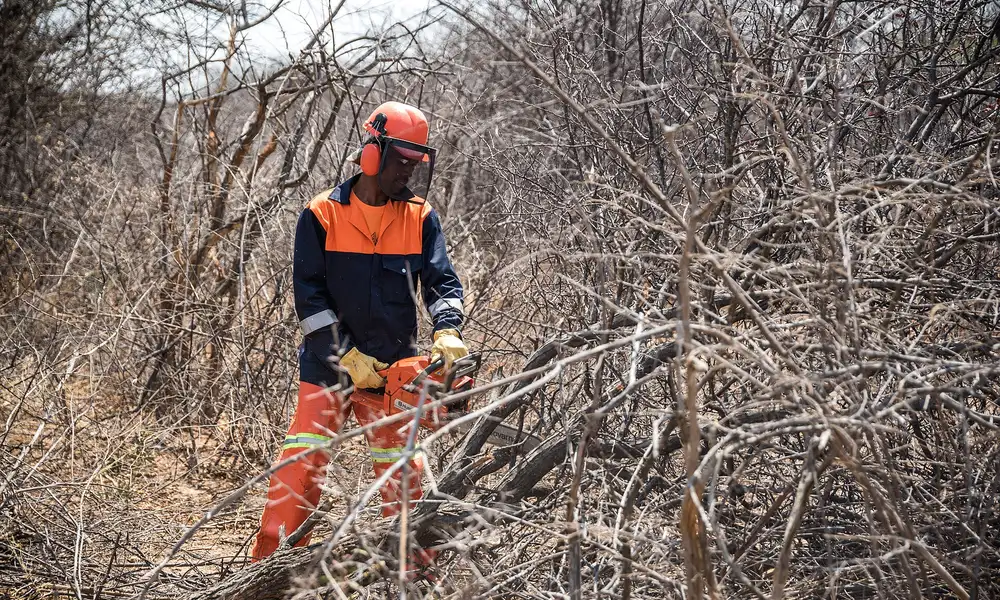
Comparison table: the worst chainsaws of 2026
| Rank | Chainsaw type | Main fault | First warning sign |
|---|---|---|---|
| 1 | Oversized long-bar saws for small jobs | Too heavy, kicks back hard | You cannot control the tip |
| 2 | Tiny top-handle saws used on the ground | Wrong tool for felling and bucking | The bar is too short for the log |
| 3 | Corded electric saws in hardwood | Cord limits reach, torque stalls | The chain stops in a deep cut |
| 4 | One-battery cordless saws | Battery fades halfway through a cut | Chain speed drops after twenty minutes |
| 5 | Saws with a weak oiler and cheap chain | Chain runs dry, dulls fast | Smoke and fine dust instead of chips |
| 6 | Heavy old petrol saws with hard starts | Flooding, hard pulls, no parts | Ten pulls and a flooded engine |
| 7 | Saws with a worn or missing chain brake | Chain will not stop on kickback | The brake lever feels loose or dead |
The worst chainsaws of 2026, ranked
1. Oversized long-bar chainsaws for small yard work: the type to avoid first
The oversized long-bar chainsaw tops this list because it fails at the job a homeowner actually has, and charges premium money for the privilege. On a small yard it is too heavy to hold overhead, too long for the logs you cut, and too eager to kick back when the tip touches anything it should not, while owners report arms that ache after ten minutes and cuts that wander because the bar is longer than the log. Buy a saw sized to your wood: choose the shortest bar that can still cut through your thickest log.
2. Tiny top-handle chainsaws used on the ground: a climbing saw, not a felling saw
The tiny top-handle chainsaw is the saw most buyers are shown first when they ask for something light, and it is easy to see why: small, cheap and easy to carry, it is a superb tool up a tree in trained hands. On the ground it is the wrong tool, because a top-handle saw is built for one-handed use by a climber, with a short bar and a light body, so it has no leverage or reach for felling and bucking and it binds in every deep cut. Top-handle saws invite one-handed cutting, and one-handed cutting is how kickbacks happen, so buy a rear-handle saw for ground work.
3. Corded electric chainsaws in hardwood: the cord is the saw
The corded electric chainsaw promises the simplest ownership of all: no fuel, no oil mixing, no pull cord, just plug in and cut. In hardwood it becomes a wrestling match with its own cable, and owners report spending more time moving the cord, untangling it from branches and keeping it out of the cut than they spend cutting. The motor also limits the cut, because the saw is built light and cheap, so it cannot keep its chain speed up in a deep hardwood cut.
4. One-battery cordless chainsaws: the charge runs out before the log does
The one-battery cordless chainsaw is the newest temptation on the shop floor: quiet, clean, starts with a button, and no fuel to mix. Owners report that the chain speed drops after twenty minutes, the saw stalls in a deep cut, and the battery dies halfway through a log with the bar stuck in the wood, because a spare battery costs nearly as much as the saw and one is never enough for a real job. The cold makes it worse, and a replacement battery after a few seasons can cost half the price of a new saw, so buy one only with two large batteries.
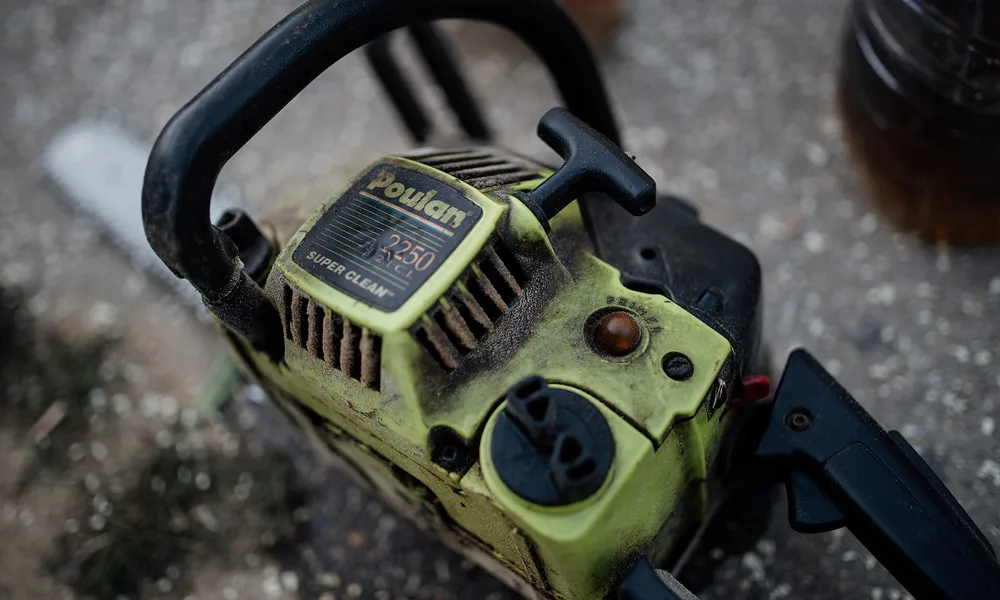
5. Chainsaws with a weak oiler and a cheap chain: the chain runs dry and dulls fast
The chainsaw with a weak oiler and a cheap chain is the quiet failure on this list, because the saw itself can be perfectly good. The engine starts, the bar is straight, the chain is new, and then the cut turns to smoke and fine dust instead of clean chips, because the chain is running dry and the oiler delivers too little oil. A cheap chain also dulls fast and breaks sooner, so test the oiler before you buy and walk away if no oil reaches the tip.
6. Heavy old petrol chainsaws with hard starts: ten pulls and a flooded engine
The heavy old petrol chainsaw with a hard start is the machine most buyers inherit or buy second-hand, and it is easy to see why it appeals: cheap, solid-looking, and the seller swears it ran fine last year. On a cold morning owners report ten pulls and a flooded engine, while the weight alone can be twice what a modern saw weighs. Parts are the other problem: old saws need parts the dealer no longer stocks, so buy a modern saw with a dealer who stocks its parts, and test any used saw cold before you pay.
7. Chainsaws with a worn or missing chain brake: the chain will not stop when it kicks
The chainsaw with a worn or missing chain brake closes this list because it combines the two faults that sink a saw fastest: a safety device that does not work and a chain that will not stay tensioned. Owners report a saw that cuts adequately, but a brake lever that feels loose or dead, a brake band that slips, and a chain that loosens as the bar warms up, which is easy to miss on the shop floor, where the brake is never tested under load. Kickback is the moment it matters: the tip catches and the saw throws back toward your face, so test the brake before you buy.
What to avoid when buying a chainsaw
The most common mistake is buying a chainsaw on its engine size or its bar length alone and forgetting that it has to cut hardwood, stay sharp and oiled, and stop safely when it kicks. Avoid any chainsaw with no recall record available, any saw whose dealer is far away or thinly stocked, and any seller who will not let you run it on hardwood before you pay. Avoid first-year models, saws with warning lights already showing, and any saw whose chain brake feels loose or dead. Wear the right gear every time: helmet, visor, ear protection, gloves and cut-resistant trousers.
Checklist: testing a chainsaw before you commit
- Cut a hardwood log, not a soft branch: the chain should throw clean chips, not smoke, and it should not bind.
- Engage the chain brake at full speed: the chain should stop instantly and stay stopped, and the lever should feel firm, not loose.
- Run the saw until the battery dies or the tank runs dry.
- Check the recall record and the service history, and walk away from any saw with gaps in either.
- Inspect the bar for wear and blueing, and price a new bar and chain before you agree a price.
- Phone the nearest dealer before you buy and ask how long a chain, a bar and an oiler pump would take to arrive.
Frequently asked questions
What is the worst chainsaw to buy in 2026?
The oversized long-bar chainsaw for small yard work is the type to avoid first. It is too heavy to control, too long for the log, and it kicks back harder than any saw you actually need.
Are cheap chainsaws a false economy?
Usually, yes. A cheap chainsaw with a weak oiler and a thin dealer network costs more in downtime than the saving at purchase..
How important is the dealer network when buying a chainsaw?
It matters as much as the saw itself. A chainsaw works hard and wears fast, so it will need chains and bars. A thin network means long waits.
Should I buy a petrol or a cordless chainsaw?
Buy a petrol saw if you cut hardwood logs all day, far from the house. Buy a cordless saw if your jobs are short, near the house, and you own two large batteries.
What should I check on a used chainsaw?
Check the recall record, the bar for wear, the chain for stretch, and the brake for a firm stop. Then cut a hardwood log cold.
Is a first-year chainsaw model a bad buy?
Often, yes. First-year models carry the faults that later production runs fix, from oilers that starve the chain to batteries that fade in the cold, and early owners pay for the learning curve in downtime. A model with two or three seasons behind it is a safer buy.
Bottom line
The worst chainsaws of 2026 fail in the same few ways: a bar too long for the job, a cord that tangles, a battery that dies mid-cut, a chain that runs dry, a saw that will not start cold, and a brake that will not stop the chain. Test it on hardwood, check the recall record, and phone the dealer first.