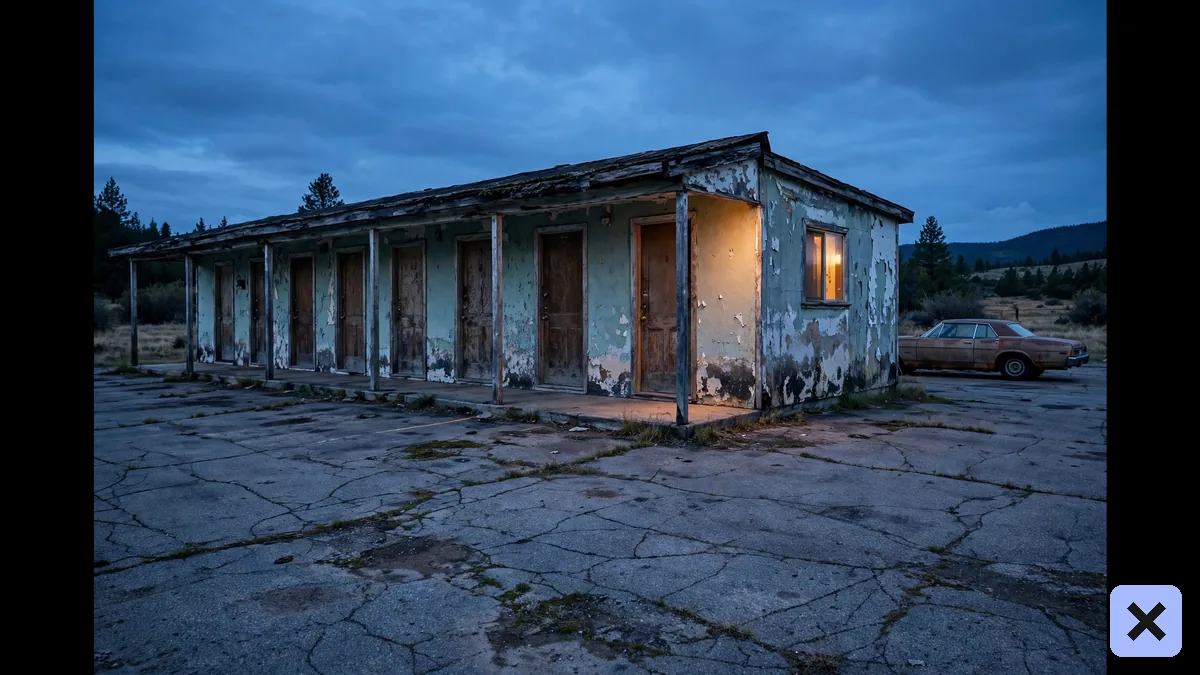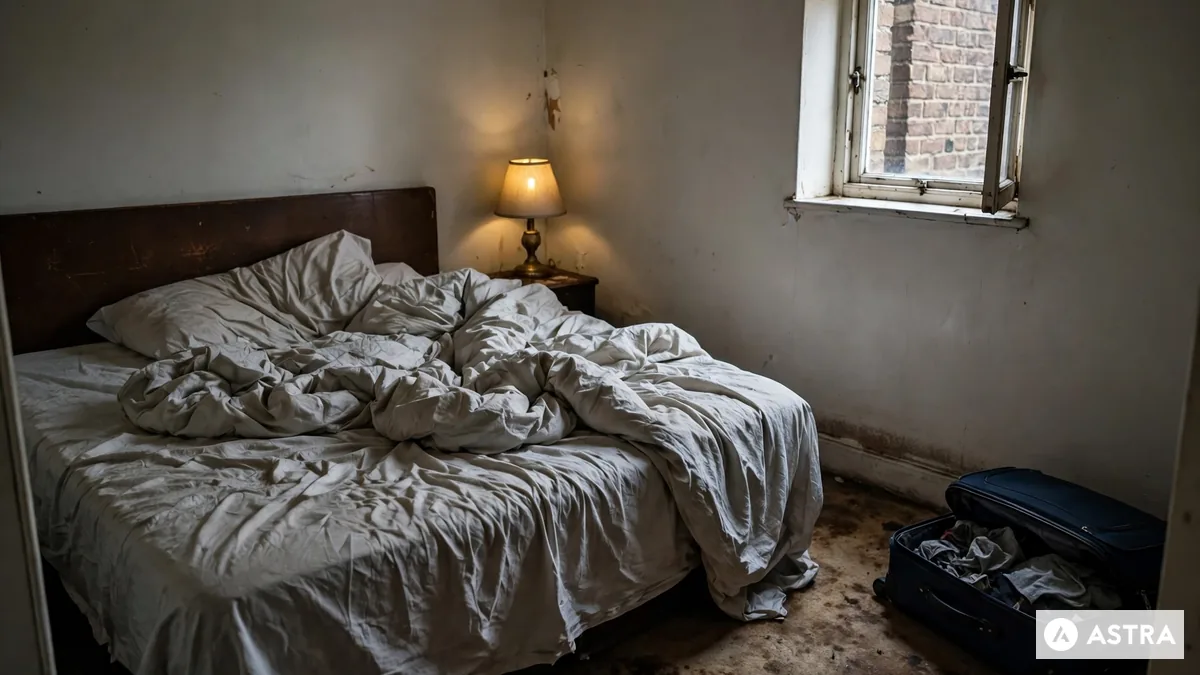
The worst hotel booking mistakes rarely look like mistakes at the time. They look like a good deal, a pretty photo, or a convenient spot on a map. You click confirm, feel pleased with yourself, and only discover the problem days later, standing in a cramped room far from everything you came to see.
A hotel is not just a place to sleep. It is the base for your whole trip, where you recover, plan, and start each morning. A bad one drains your energy and eats your budget. The good news is that most booking disasters follow the same few patterns.
This guide walks through the worst hotel booking mistakes that ruin a trip, from hidden fees and misleading photos to wrong locations and rigid cancellation terms, and shows what to check before you pay.
Key takeaways
- Read the cancellation terms, the total price, and the fine print before you pay, not after.
- Photos show a hotel at its best; reviews, room size, and recent guest comments show it as it is.
- Location matters more than luxury: a well-placed simple hotel beats a grand one in the wrong area.
- Confirm the room type, bed setup, and check-in details in writing before you arrive.
- A short checklist before confirming can save more money and stress than any discount code.
Why a Bad Booking Hurts More Than a Bad Night
A disappointing room is annoying for one night. A bad booking can spoil an entire trip, because it locks you in. Once the money is paid and the terms are non-refundable, you cannot simply walk away without losing a large part of your budget, and that loss shapes every decision that follows.
The Room Is Where the Trip Happens
Think about how much time you actually spend in your room. You sleep, shower, charge your devices, and retreat there when you are tired, wet, or unwell. A noisy room above a bar, a bed that hurts your back, or a bathroom with weak water pressure will affect you every single day, not just once.
That is why small details matter more than grand lobbies. A comfortable bed, a quiet spot within the building, and a clean bathroom will do more for your trip than a rooftop pool you never use. The best rooms are not always the most impressive ones; they are the ones that let you rest properly.
Booking Without Reading the Fine Print
The most expensive hotel booking mistakes are usually written down in plain sight, in the cancellation policy, the fee breakdown, and the room description. Most travellers skip these sections because they look dull, but they are where the real cost of a stay is decided.
A price that looks low on the search results page is not always low. Taxes, service charges, city taxes, and resort fees are often added later, and by the final page the total can be a third higher than the headline price. Compare hotels by their final total, not their advertised rate.
The Cancellation Trap
Non-refundable rates are the classic trap. They are often only slightly cheaper than flexible rates, yet they remove your ability to change plans. If a flight changes or someone falls ill, you lose the whole amount, and that small saving is rarely worth the risk.
Before booking, check the last date you can cancel for free, whether a partial refund is possible after that date, and whether the policy differs for your room type. If the terms are unclear, choose the flexible option or contact the hotel directly to confirm them in writing.
Resort Fees and Other Hidden Costs
Resort fees are charged by some hotels for facilities you may never use, such as a gym or a pool, and they are often listed separately from the room rate, which makes the hotel look cheaper in search results than it really is. Parking, breakfast, and early check-in can add similar surprises.
Trusting Photos and Prices at Face Value
Hotel photos are marketing, not evidence. They are taken with wide-angle lenses, bright lighting, and careful staging, so a room that looks spacious in a photo can feel cramped in person, and a view that looks sweeping can turn out to be a narrow glimpse between two buildings.
The same caution applies to design. A beautiful room can still be a poor place to stay if the layout is awkward, the storage is minimal, or the lighting is too dim to read by. The gap between a room that photographs well and a room that works well is a common disappointment, and it is worth reading about how beautiful hotel design can hide serious practical flaws before you fall for a stylish listing.
What Reviews Actually Tell You
Reviews are most useful when you read them with a purpose. Instead of looking at the overall score, search for the things that matter to you: noise, cleanliness, bed comfort, and the honesty of the photos. A hotel with a high score can still be wrong for you if its weaknesses match your priorities.
Checking the Room You Actually Booked
Many booking mistakes come from assuming that the room in the photo is the room you will get. Hotels often show their best room type in the main gallery, while the cheapest room is smaller, darker, or faces a wall. Always check the room name, size, bed type, and view before you confirm.
Choosing the Wrong Location
Location is the one thing a hotel cannot change, and it is the mistake travellers regret most. A hotel in the wrong area adds travel time to every outing, increases transport costs, and makes it harder to return for a rest during the day. Over a week, those extra journeys add up to hours lost.
The error usually comes from trusting a map at face value. A hotel can look close to the centre while sitting across a busy road or up a steep hill. Check the walking distance to the places you actually plan to visit, and look at the neighbourhood at night as well as during the day. Chasing a fashionable destination without thinking about what you will actually do there is a related trap, a pattern explored in why travelling just to prove you went is the worst travel trend. A quieter place that fits your plans will usually serve you better than a famous address that does not.
Ignoring the Practical Details
Many booking disasters are practical rather than dramatic. The hotel has no lift and your room is on the fourth floor. Check-in starts at three in the afternoon and your flight lands at nine in the morning. The hotel does not accept your payment method, or it requires a large deposit on arrival that you did not expect.
Bed Setup, Occupancy, and Extra Guests
Room descriptions can be vague about who can actually sleep there. A room listed for three people may have a double bed and a small sofa bed, which is fine for a child but uncomfortable for an adult, and a room for two may charge extra for a third guest or not allow one at all.
Wi-Fi, Breakfast, and the Extras That Add Up
Small extras can turn a cheap stay into an expensive one. Paid Wi-Fi, expensive breakfast, laundry charges, and minibar prices add up quickly, especially on longer trips. Some hotels include breakfast and Wi-Fi in the rate; others charge for both, and the difference can be larger than the gap between two hotels.
The Booking Mistakes That Cost the Most
Some mistakes cost a little time or comfort. Others cost real money. The table below ranks the most common booking errors by what they usually cost a traveller, so you can see which ones deserve the most attention before you confirm a stay.
| Mistake | Typical cost | How to avoid it |
|---|---|---|
| Non-refundable rate, plans change | Full stay, often hundreds | Choose flexible cancellation unless the saving is large |
| Hidden resort and city fees | 20 to 60 per night | Compare final totals, not headline rates |
| Wrong location | Hours lost, plus transport costs | Check walking times to your real plans |
| Wrong room type or bed setup | Upgrade fees or a second room | Confirm size, beds, and view in writing |
| Trusting edited photos only | A disappointing stay, hard to fix | Read recent reviews and guest photos |
| Booking the wrong dates | Full stay or rebooking fees | Double-check dates and guest names |
A Smarter Way to Book
Good hotel booking is not about finding a secret trick. It is about slowing down for a few minutes and checking the details that matter. The travellers who rarely have bad stays are not lucky; they follow a simple routine before they pay, and they are willing to walk away from a deal that does not add up.
Start by deciding what you need: location, quiet, bed comfort, Wi-Fi, or price. Then compare a short list of hotels on those terms, using final prices and recent reviews. Choosing a place that genuinely fits the trip, rather than the most impressive listing, makes a real difference, a point that comes through clearly in why some mountain escapes make everything else feel small: the setting matters, but only when it serves the trip you actually want.
Before You Confirm: A Six-Point Checklist
- Check the final total price, including taxes, fees, and breakfast, before you pay.
- Read the cancellation terms and note the last free cancellation date.
- Confirm the room type, size, bed setup, and view match the photos you liked.
- Read recent reviews for noise, cleanliness, and whether the photos are accurate.
- Check the location by walking time to your plans, plus transport and safety at night.
- Confirm check-in times, payment methods, deposits, and guest names in writing.
Frequently Asked Questions
What is the worst hotel booking mistake?
Booking a non-refundable rate without reading the terms is usually the worst mistake, because it removes your ability to change plans. A wrong location and hidden fees are close behind, since both affect every day of the trip.
Should I book directly with the hotel or through a booking site?
Both can work well. Booking sites make comparison easy, while booking directly can bring better room choices and clearer terms. Compare the final total price and cancellation terms on both, and choose the option that gives you the clearest terms.
How can I tell if hotel photos are misleading?
Look for recent guest photos and read reviews that mention room size, view, and noise. If the listing shows only wide-angle shots, treat it with caution and ask the hotel for photos of the exact room type.
Is a cheap hotel always a bad choice?
No. A cheap hotel in the right location, with clean rooms and a comfortable bed, can be an excellent choice. The problem is not a low price; it is a low price that hides fees, a poor location, or a room that does not match its description.
When should I book a hotel to get the best deal?
There is no single best time, and prices change often. Booking early usually gives more choice, while flexible rates let you rebook if the price drops. Avoid non-refundable rates far in advance unless your plans are certain.
What should I do if I arrive and the hotel is not as described?
Stay calm, take photos, and speak to the front desk first, asking for the room type you booked or a suitable alternative. Keep copies of your confirmation, and if the hotel cannot fix the problem, contact the booking channel you used in writing.
The Bottom Line
The worst hotel booking mistakes are rarely about bad luck. They come from rushing, trusting a headline price or a pretty photo, and skipping the fine print. Slow down, check the total price, read the cancellation terms, and confirm the room and the location before you pay. A few careful minutes can save you money, sleep, and a trip you will actually enjoy.