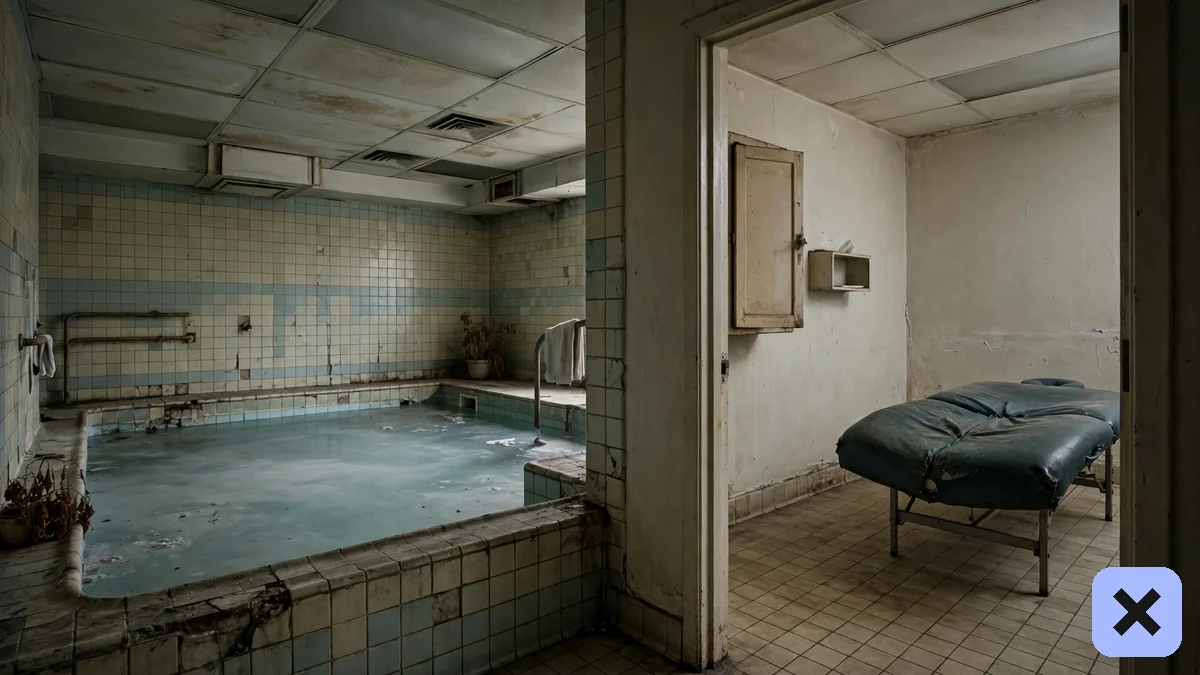
What Makes a Hotel Spa One of the Worst?
The worst hotel spas promise calm and luxury, then deliver a cramped room, a lukewarm pool and a rushed treatment. The gap between the glossy booking photos and the reality behind the spa door is where most disappointments begin.
A bad spa is not simply a small one. Plenty of modest spas do an excellent job with limited space. The worst hotel spas fail on the basics: hygiene, water quality, honest pricing and trained staff. When those foundations are missing, no scented candles or soft music can rescue the experience.
This guide covers the warning signs, the most common failures and the questions worth asking before you book, from cloudy pools and cold treatment rooms to surprise charges at checkout. Spotting a weak spa before you pay can save money and a ruined afternoon.
Key takeaways
- Cloudy water, strong chemical smells and stained tiles signal a poorly maintained spa.
- Short treatments, upselling and vague pricing point to a spa run for revenue, not guest care.
- Check recent reviews that mention the spa by name, not the hotel’s overall rating.
- Ask about therapist qualifications, session length and inclusions before you book.
- A spa that will not answer direct questions is one to avoid.

The Most Common Problems in Bad Hotel Spas
Complaints cluster around a handful of recurring failures. Guests rarely complain about one small flaw; they complain when several stack up in a single visit. A cold room, a hurried massage and an inflated bill add up to an experience that feels careless rather than relaxing.
Dirty or Cloudy Water
Water quality is the first thing a careful guest notices and the hardest thing for a hotel to hide. A pool that looks cloudy, feels slimy on the steps or smells sharply of chemicals is a sign the water is not tested and balanced often enough. In a well-run spa, the water is clear and the surfaces around the pool are dry and clean.
Warm water encourages bacteria to grow quickly, so hydrotherapy pools and jacuzzis need constant attention. When maintenance slips, the risks are real: skin irritation, eye discomfort and infections that linger after the holiday ends. Guests who notice discoloured water or floating debris should stay out and raise it with the front desk.
Cramped and Poorly Kept Treatment Rooms
Treatment rooms in the worst hotel spas are often converted storage spaces or windowless boxes with thin walls. Guests hear conversations from the next room and plumbing noise from nearby taps. A spa should feel private and quiet; when it does not, relaxation is impossible.
Cleanliness matters just as much as quiet. Stained towels, a sagging massage table, peeling paint and a smell of damp are signs the room is not maintained between guests. A good treatment room is warm before the guest arrives. In the worst spas, the room is cold and the session starts late yet still finishes on time.
Rushed Treatments and Untrained Staff
The most frequent complaint about bad hotel spas is feeling rushed. A sixty-minute massage that lasts forty-five minutes, a facial that skips the consultation, a therapist who checks a phone mid-session: these mark a spa that books too many appointments into too few hours. It is worse when staff are not properly trained for the treatments on the menu.
Guests should be able to ask who will perform their treatment and what qualifications they hold. A reputable spa answers without hesitation. Deep tissue and hot stone work should only be done by someone trained to do it safely. When a hotel cannot say who is qualified, the safest choice is to book nothing.
The Worst Hotel Spa Experiences, Ranked by Complaint
Not all spa failures are equal. Some are irritating, some are expensive and some are unpleasant enough to end a holiday on a sour note. The table below ranks the most common problems by frequency and seriousness.
| Problem | How Common | Impact on Guests | Easy to Spot Before Booking? |
|---|---|---|---|
| Cloudy or dirty pool and hot tub water | Very common | High: health risk and ruined visit | Yes, in recent guest photos |
| Rushed or shortened treatments | Very common | High: poor value and frustration | Partly, in reviews mentioning timing |
| Hidden charges and aggressive upselling | Common | Medium: unexpected bills | Yes, if prices are vague online |
| Cold, noisy or cramped treatment rooms | Common | Medium: no relaxation possible | Partly, in photos and reviews |
| Untrained or inexperienced therapists | Fairly common | High: discomfort or injury risk | Rarely, unless reviews name staff |
| Broken saunas, steam rooms and showers | Common | Medium: facilities unusable | Yes, in recent reviews |
| Overcrowded pools and booking chaos | Fairly common | Medium: long waits, no space | Partly, in peak-season reviews |
Hidden Costs and Aggressive Upselling
Money is the second great source of spa disappointment. Many of the worst hotel spas advertise an attractive headline price, then add charges that appear only at checkout. A massage quoted at one rate becomes a different figure once a facility fee or service charge is added. Some hotels charge separately for pool, sauna and steam room access, even when the booking page describes the spa as included.
Upselling inside the treatment room is another familiar pattern. A therapist recommends a pricier oil, extra time or a product to take home, and the guest feels pressured to agree. Upgrades are fine, but the offer should come before the treatment, with a clear price, and a refusal should be accepted gracefully.
The defence is simple: get the full price in writing before the treatment, including every fee, and confirm the session length. If the spa cannot give a clear total, treat that as a warning. Much like the problems in our guide to the worst hotel rooms of 2026, the pattern is the same: the gap between what is promised and what is delivered is where the money disappears.

Facilities That Look Good Online and Fail in Person
Hotel spa marketing is a masterclass in careful photography. A small plunge pool shot from a low angle looks generous, and a sauna out of order for months still appears on the facilities list. Guests who book on those images are often the ones writing the angriest reviews.
Saunas and Steam Rooms Out of Order
A sauna or steam room permanently out of order is one of the most common spa complaints. Guests arrive expecting heat, find a locked door and a handwritten sign, and discover the rest of the spa is a single small pool and two treatment rooms. Hotels rarely update their websites when a facility breaks.
Before booking, ask directly whether the sauna, steam room and pool are working today. A hotel that answers clearly is probably maintaining its facilities. If several recent reviewers mention a broken sauna, assume it is still broken.
How to Spot a Bad Hotel Spa Before You Book
Most spa disappointments are preventable. The information is usually available before money changes hands, in reviews, photos and the hotel’s answers to direct questions. Read the most recent reviews first and search within them for the word spa. A hotel can have a strong overall rating while its spa is consistently criticised.
Guest photos are the second check. Look for images taken by visitors in the last few months, not the professional shots on the hotel website. They show the real state of the pool tiles and treatment rooms. If a spa has no recent guest photos at all, that absence is itself a signal.
Finally, ask questions before booking. A short email about water testing, therapist qualifications, session length and total price tells you a great deal from the quality of the reply. Good spas answer quickly and precisely; weak spas reply slowly, vaguely or not at all. The same caution applies across the hotel, as our roundup of the worst hotel pools of 2026 shows, where cloudy water and broken facilities follow the same pattern of neglected maintenance.
Checklist: Before You Book a Hotel Spa
- Read recent guest reviews that mention the spa by name, and check visitor photos.
- Ask whether the pool, sauna, steam room and hot tub are working today, in writing.
- Confirm the full price, including every fee, and the exact session length.
- Ask who will perform the treatment and what training they hold.
- Check whether spa access is included in your room rate.
- Look for overcrowding signs: day passes for non-residents and reviews mentioning long waits.

What to Do When a Hotel Spa Disappoints
If the spa is worse than promised, speak up while you are still at the hotel. Ask to see the spa manager, describe the problem plainly and ask what can be done: a different slot, a different therapist, a refund or a reduced bill. A calm, specific complaint in person carries far more weight than a review written weeks later.
Document the problem as you go. A photo of cloudy water or a broken sauna door is useful evidence if the hotel disputes the complaint. Keep the receipt and any written price quote, so an undisclosed charge can be challenged with something concrete.
Then write the review. Be specific about what went wrong, when it happened and what the hotel did about it. A clear account of cloudy water, a shortened massage or a hidden fee helps the next traveller decide. The same standard applies to the rest of a trip: a hotel that neglects its spa often neglects its lounges too, as travellers report in our guide to the worst airport lounges of 2026, where the same mix of overcrowding, tired furniture and indifferent service keeps appearing.
Frequently Asked Questions
How can I tell if a hotel spa pool is clean before getting in?
The water should be clear enough to see the bottom, with no floating debris or strong chemical smell. Check the tiles for staining or slime. If the water is cloudy or the smell is sharp, stay out and ask when it was last tested.
Are hotel spas supposed to charge extra for pool and sauna access?
It depends on the hotel, but the charge must be disclosed before you book. Some hotels include spa access in the room rate; others charge a separate facility fee. The problem is a fee that appears only at checkout, so always confirm in writing whether access is included and what it costs.
What should a sixty-minute massage actually last?
A sixty-minute massage should mean sixty minutes of treatment, not sixty minutes from the moment you enter the room. If your session starts late, it should still run its full length; if it ends early, ask for a refund.
Can I ask about a therapist’s qualifications?
Yes, and a good spa will welcome the question. Ask what training the therapist holds for the treatment you booked, particularly for deep tissue or hot stone work. If the spa cannot answer, or the answer is vague, book a simpler treatment or go elsewhere.
What is the most common complaint about hotel spas?
Dirty or cloudy water is the most common serious complaint, followed by shortened treatments and hidden charges. Guests also complain about cold, noisy rooms and saunas out of order for months. Most of these problems show up in recent reviews before booking.
Should I complain at the hotel or just write a review?
Do both, in that order. Complain in person while you are still there, so the hotel can fix the problem, move your appointment or adjust the bill. Then write a specific, factual review. An in-person complaint gives you a remedy; a review helps the next traveller.
The Bottom Line
The worst hotel spas are not unlucky accidents; they come from maintenance skipped, staff stretched thin and prices hidden until checkout. Cloudy water, cold rooms, rushed sessions and broken saunas all point to the same thing: a spa treated as a marketing feature rather than a service. Almost every failure is visible before you book, in recent reviews, guest photos and the hotel’s answers to direct questions. Confirm the price and session length in writing and ask whether the facilities work today. A spa that passes is worth your time; one that fails is worth skipping, however pretty the photos look.


