
The Worst Leaf Vacuums of 2026 to Skip: Suction Machines That Clog, Choke and Quit
The worst leaf vacuums of 2026 look like the smartest buy in the garden centre: a light cordless vacuum that starts with a button, a big petrol machine that promises to swallow an acre of leaves, or a cheap electric model that costs less than a tank of fuel. Then the first real autumn arrives, the wet leaves stick to the lawn, the bag fills in minutes, the shredder jams on damp material, and the vacuum that felt powerful on one dry pile cannot finish the garden at all. A bad leaf vacuum rarely announces itself on the shop floor. This guide ranks the seven worst leaf vacuum types of 2026, by what actually goes wrong, so you can spot the pattern before you buy and leave the worst ones on the shelf.
Key takeaways
- A one-battery cordless vacuum is the type to avoid first: the charge runs out before the leaves do, and the garden is left half cleared.
- Suction matters more than the headline air speed: a vacuum that cannot lift wet leaves is a rake with a bag.
- A tiny bag turns leaf clearing into emptying: check the bag size against your garden before you buy.
- A shredder that jams on damp leaves is worse than no shredder at all, because clearing it stops the job.
- Check the suction, the bag size, the runtime on full power and the weight before you buy, and test on wet leaves, not dry ones.
How the worst leaf vacuums of 2026 were chosen
Every type below was scored on five measures. Suction comes first: can the vacuum actually lift the leaves its size and price promise, from dry autumn drift to wet leaves stuck to damp grass? Bag capacity is second, because a vacuum that fills every few minutes strands a job that is half done. Runtime is third, judged on full power rather than the headline figure, because a vacuum that dies halfway across the garden leaves the worst half still to clear. Shredding is fourth: does the mulcher reduce the leaves to a useful pile, or does it jam on damp material and stop the work? Comfort and durability are the fifth measure, judged on weight, balance, the tube and the bag, because a vacuum that is heavy to carry or falls apart at the joints is a disposable tool.
Two notes before the list. First, this guide is strictly about leaf vacuums: machines that suck leaves up, shred them and fill a bag, judged on suction, bag and shredder. A leaf blower is a different machine that moves leaves with air, as our guide to the worst leaf blowers of 2026 shows, and blower-vacuum combos are covered there too, because they are judged as blowers first. A lawn mower cuts grass and fails on decks and blades, as our guide to the worst lawn mowers of 2026 explains. Second, no single vacuum is named as the worst, because the same bad patterns appear in many machines, and what matters is learning to recognise them for your own garden.

Comparison table: the worst leaf vacuums of 2026
| Rank | Leaf vacuum type | Main problem | First warning sign |
|---|---|---|---|
| 1 | One-battery cordless handhelds | Battery fades halfway | Suction weakens after twenty minutes |
| 2 | Corded electric vacuums | Cord limits reach and tangles | More time moving cord than vacuuming |
| 3 | Weak-suction vacuums | Wet leaves stay on the grass | Only the top layer lifts |
| 4 | Tiny-bag vacuums | Bag fills in minutes | Emptying more than vacuuming |
| 5 | Shredder vacuums that jam | Clogs on damp leaves | Stopping to clear the shredder |
| 6 | Heavy petrol backpack vacuums | Weight, noise and vibration | Shoulders ache before the lawn is done |
| 7 | Ultra-light budget vacuums | Flimsy tube and housing | Tube wobbles and splits at the joint |
The worst leaf vacuums of 2026
1. One-battery cordless handheld vacuums: the charge runs out before the leaves do
The one-battery cordless handheld tops this list because it fails at the job a homeowner actually has, and charges a premium price for the privilege. On a small patio it is a delight: quiet, light, starts with a button, and clears the leaves in ten minutes. On a real garden the battery fades after twenty minutes on full power, the suction weakens as the charge drops, and the machine dies halfway across the lawn with the worst half still to clear.
2. Corded electric vacuums on a long garden: the cord is the machine
The corded electric vacuum promises the simplest ownership of all: no fuel, no oil, no battery to charge, just plug in and vacuum. On a long garden it becomes a wrestling match with its own cable, and owners spend more time moving the cord, untangling it from the fence and keeping it out of the flower beds than they spend vacuuming leaves.

3. Weak-suction vacuums: the leaves stay where they fell
The weak-suction vacuum is the machine most buyers are shown first, and it is easy to see why. The fault is in the number the box hides: suction, the force that lifts a leaf off the ground and pulls it up the tube. A vacuum with high speed and low suction moves a narrow stream of air, so it lifts one dry leaf at a time while the pile stays where it was, and on wet leaves it only stirs the top layer.
4. Tiny-bag vacuums: the bag fills before the garden does
The tiny-bag vacuum looks tidy and light in the shop, and that is exactly the problem. A small collection bag fills in minutes on a real autumn garden, so the owner spends more time stopping, unclipping the bag, emptying it into a bin or compost heap and clipping it back on than they spend vacuuming. The job becomes a loop of short bursts and interruptions, and on a windy day the pile the owner has just cleared blows back across the lawn while they are emptying the bag.
5. Shredder vacuums that jam on damp leaves: the mulcher stops the job
A shredder sounds like the answer to the small-bag problem: chop the leaves as they pass through, and the bag holds far more. The worst shredder vacuums turn that promise into the job itself, because the shredder jams on damp leaves. Wet material wraps around the blades, packs into the housing and stops the machine, and the owner has to switch it off, open the housing and pull out a cold, wet mat of leaves by hand before the job can continue. On a damp autumn morning that can happen every few minutes.
6. Heavy petrol backpack vacuums: strong, loud and wearing you down
The heavy petrol backpack vacuum is the strongest machine on this list, and the hardest to live with. For a homeowner it is a different bargain: a heavy pack on the back, a hot two-stroke engine against the spine, a high-pitched whine that carries two gardens away, and vibration that numbs the hand holding the tube.
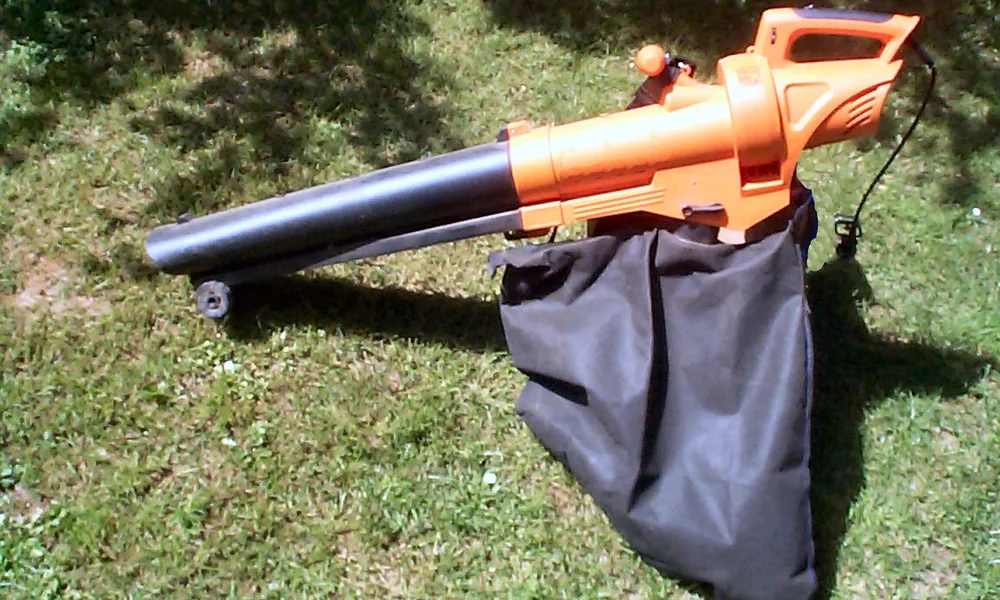
7. Ultra-light budget vacuums: the tube gives up first
The ultra-light budget vacuum is the cheapest machine on this list, and the tube is where the saving shows. The tube is thin, the joints are loose, and the plastic feels cheap in the hand, and after a season of use it wobbles, rattles and splits where it meets the body, so the air leaks out before it reaches the nozzle and the suction shrinks to a sigh. The rest of the machine follows: screws work loose, the housing flexes, and a vacuum that felt light and handy in the shop feels flimsy and tired by its second autumn.
What to avoid when buying a leaf vacuum
The most common leaf vacuum regret is not a bad machine but a wrong match: a one-battery vacuum bought for a big garden, a corded vacuum bought for a long one, or a tiny-bag machine bought for a garden full of trees. Avoid the trap by checking four things before you pay: the suction on wet leaves, not just the top speed; the bag size against the size of your garden; the runtime on full power, not on the low setting; and the tube, which should be solid, smooth and tight at every joint. The same checks work on other garden machines too, and our guide to the best leaf vacuums of 2026 makes the same point about matching the machine to the garden, because the traps are the same everywhere.
Checklist: buying a leaf vacuum that finishes the job
- Test the suction on wet leaves stuck to grass, not just on dry ones in the shop.
- Check the bag capacity in litres, and budget for a large bag if your garden has big trees.
- Check the runtime on full power, and budget for a second battery if one charge cannot clear your garden.
- Hold the vacuum at your side for a minute: if your shoulder aches already, the garden will feel twice as big.
- Test the tube at every joint for wobble and leaks, and check that spares are still sold.
- Check the shredder is metal, wide and easy to clear, and walk away from a plastic shredder buried behind screws.
Frequently asked questions
What is the worst leaf vacuum to buy in 2026?
A one-battery cordless handheld with a small bag is the worst type for most gardens, because the charge runs out before the leaves do and the bag fills in minutes. A vacuum with two batteries and a large bag is a different machine.
Is a leaf vacuum better than a leaf blower?
They do different jobs. A blower moves leaves into a pile, while a vacuum sucks them up, shreds them and fills a bag. A vacuum suits a garden where the leaves must be removed, while a blower suits a garden where they can be piled and composted.
Can a leaf vacuum handle wet leaves?
Only a high-suction vacuum can. Wet leaves stick to damp grass, and a weak vacuum only stirs the top layer, so test on wet leaves before you buy.
Is a blower-vacuum combo worth buying?
Only if the suction is strong, the bag is large and the shredder is metal. Cheap combos clog on damp leaves and fill the bag in minutes, and our leaf blower guide covers them as blowers first.
How big should the collection bag be?
Forty litres is the minimum for a medium garden, and a large garden with big trees needs more. A bag that is too small turns leaf clearing into emptying, and the suction fades as it fills.
Are petrol leaf vacuums better than battery ones?
Petrol vacuums are stronger and run longer, which is why they still rule the biggest gardens. Battery vacuums are quieter, lighter and easier to start, and they suit most suburban gardens.
Bottom line
The worst leaf vacuums of 2026 are the ones that promise suction and deliver a chore: batteries that die halfway, cords that run the job, weak suction that leaves wet leaves behind, tiny bags that fill in minutes, shredders that jam on damp material, backpacks that wear you out, and tubes that split at the joint. Check the suction on wet leaves, the bag size and the runtime on full power before you buy, and the vacuum will clear the garden instead of clearing your afternoon.


