
One Wheel, No Safety Net: The Worst Monowheels of 2026
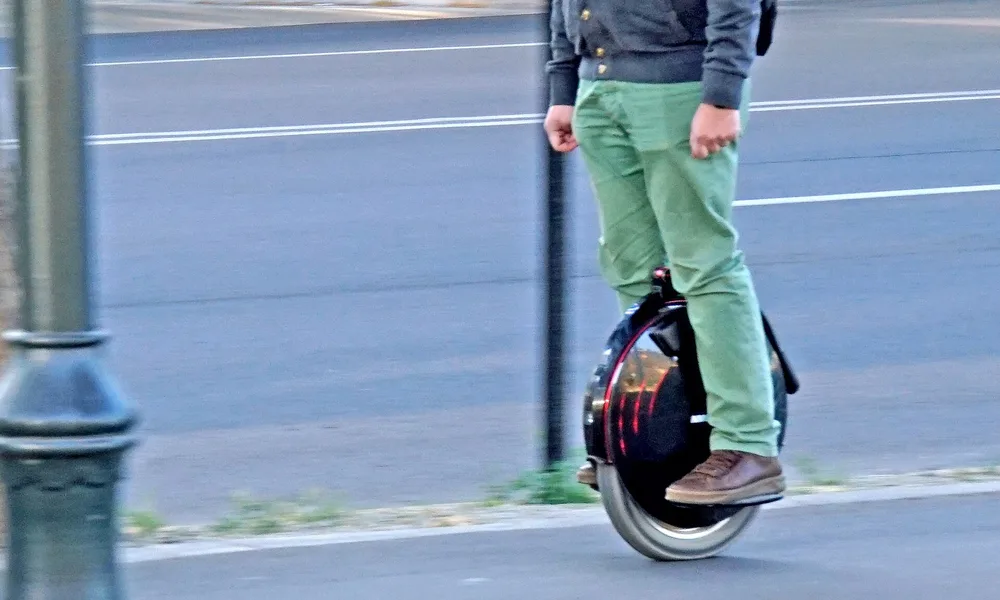
The worst monowheels of 2026 look like the future and ride like a fault-finding exercise. They arrive as a single fat tyre with two foot pedals and a promise of easy gliding, and then the wheel cuts out without warning, the pedals slip in the wet, and the battery gauge collapses halfway home. A monowheel, also called an electric unicycle, is a self-balancing machine with one wheel, no handlebar, no seat and no brake: the rider stands on pedals either side of the tyre and leans to steer. That means a balance failure leaves nothing to catch you. This guide ranks the worst types by the patterns that ruin ownership, not by naming any brand or model.
Key takeaways
- The worst monowheels of 2026 fail on balance, battery or support, and the worst ones fail on all three at once.
- A monowheel that cuts out at speed is a safety failure, not a quirk: send it back.
- Cut any claimed range figure by a third, and walk away from machines that quote range with no battery size.
- Pedal grip, tyre pressure and tilt calibration are the three things to test in the first ten minutes: they are what throw riders off.
- If you cannot lift the wheel, carry it up stairs or get it fixed locally, you do not own transport: you own a very heavy problem.
How the worst monowheels of 2026 were chosen
Every type below was scored on five measures. Balance comes first: does the wheel hold level, stop when the rider leans back, and warn before it gives up? Battery safety is second, judged on certification marks, honest figures and the size of the pack. Build quality is third, from the pedals to the shell and the tyre. Ride comfort is fourth, and support is fifth: spare parts, a reachable seller and a warranty.
Two notes before the list. First, no brand or model is named, because the point is the pattern. Second, a monowheel is not a hoverboard and not a segway. A hoverboard has two wheels side by side on a foot platform, as our guide to the worst hoverboards of 2026 explains, so it can at least sit flat when it stops. A segway has a lean-steer column to hold on to, as our guide to the worst segways of 2026 shows. A monowheel has neither: one wheel, two pedals and your balance. It is also not a pedal unicycle, which has no motor, no battery and no electronics at all, and it is not an electric bike, where pedals, a handlebar and a brake help the rider stop, as our guide to the worst electric bikes of 2026 explains.

Comparison table: the worst monowheels of 2026
| Rank | Monowheel type | Main fault | First warning sign |
|---|---|---|---|
| 1 | The cutout king | Power cuts out without warning | Wheel hesitates or dips on a slope |
| 2 | The wobbling learner | Gyro drift and speed wobble | Wheel veers on a straight path |
| 3 | The range liar | Fantasy range claims | Battery dies halfway home |
| 4 | The battery sweller | Uncertified pack that overheats | Charger runs hot, shell swells |
| 5 | The overweight bruiser | Too heavy to lift or carry | Cannot lift it up the stairs |
| 6 | The pedal-slip machine | Small slippery pedals | Feet slide off in the wet |
| 7 | The orphaned brand | No parts, no support, no warranty | Seller stops replying |
The worst monowheels of 2026, ranked
1. The cutout king: power that dies without warning
The cutout king is the worst monowheel type of 2026, and the only one on this list that is a safety problem rather than a disappointment. The wheel is rolling along, then the motor goes quiet, the pedals dip forward, and the rider is on the ground before they have time to react. A good wheel warns first with a beep, a tilt-back or a gentle slowdown. A bad one gives nothing at all. Test the wheel at low speed on flat ground first, lean back firmly, and listen for the warning beep. If there is no warning, or the wheel dips instead of slowing, send it back.
2. The wobbling learner: a wheel that cannot hold a line
The wobbling learner fails at the one job a monowheel exists to do: hold a straight line. Its gyroscopes and tilt sensors are cheap or badly calibrated, so the wheel never sits level and never tracks straight. At speed the wobble arrives: a side-to-side shake that starts gently and grows until the rider has to slow down or step off. Beginners blame themselves for the first few wobbles, which is why this fault survives: it feels like a learning curve. It is not. If it drifts, its balance system is broken, and no amount of practice will fix a sensor that cannot hold level.
3. The range liar: fantasy figures with a small battery
The range liar is built around a number that was never true. The trick is to quote the range at the lowest speed, on flat ground, with a light rider, and never mention any of those conditions. A scooter that runs out of battery can be pushed; a monowheel that cuts out throws its rider. Cut any claimed range figure by a third, and demand the battery size in watt-hours. The honest wheels in this class quote their range with a rider weight and a speed attached, and they are the only ones worth believing.
4. The battery sweller: an uncertified pack that overheats
The battery sweller is the most expensive fault on this list, and the most dangerous one after the cutout. It arrives with a battery pack that has no certification mark, in a shell that looks the part, and then the charger runs hot and the shell begins to swell at the seam. The warning signs are easy to miss if you are not looking for them. The charger should stay warm, not hot. The shell should sit flat against the wheel, not bulge at the seam. It is a fire risk with a pedal on each side.
5. The overweight bruiser: too heavy to live with
Some monowheels add a bigger battery, a fatter tyre and a heavier frame, then ruin the result by weighing thirty kilograms or more. They may ride far on a flat road, but they are a misery everywhere else. Carrying one up a flight of stairs is a two-person job, lifting it onto a train is a gamble, and getting it into a car boot takes up the whole space. Many owners of these machines simply stop taking them anywhere, which defeats the entire point of owning one. The weight also makes every fault worse. A heavy wheel is harder to stop, harder to catch when it tips, and more painful when it falls on your leg. Before you buy, lift the exact wheel, carry it up a flight of stairs, and put it in your car. If you cannot do that comfortably, the wheel will spend its life at home, and you will have paid a premium for a machine you never ride.
6. The pedal-slip machine: small pedals, no grip
A monowheel reads its rider through the pedals, and the pedal-slip machine is the one where that connection fails. The pedals are small, flat and smooth, with no grip studs and no raised edge, so in the wet a foot slides off without warning. A good pedal is large, studded and slightly dished, so the foot sits in it rather than on it. If your feet slide when the pedals are wet, or if you have to think about keeping your feet in place, the pedals are failing. On a machine with no handlebar, your feet are the only connection you have. They should never slip.
7. The orphaned brand: no parts, no support, no warranty
The orphaned brand is the monowheel sold under a name you have never seen before, at a price that undercuts every established wheel, by a seller with no address, no service centre and no spare parts. The wheel itself may look smart, but the shell is thin, the battery is an unbranded pack of unknown origin, and the controller is a copy of a copy. Owners end up either riding a broken machine or throwing away a wheel that is barely a year old. If the advert cannot name a dealer within fifty miles, walk away. A monowheel with no support is not a bargain. It is a heavy, expensive ornament.
What to avoid when buying a monowheel
The worst monowheel purchase is almost always a rushed one. Buy from a seller who will let you ride the exact wheel you are buying, at low speed, on flat ground, and test the three things that throw riders off: the cutout warning, the straight-line tracking and the pedal grip. A monowheel is the most demanding machine in the personal electric class, and it deserves the most careful test of any of them.
Checklist: testing a monowheel before you commit
- Ride in a straight line on flat ground: the wheel should track straight, not veer or wobble.
- Lean back firmly at low speed and listen for the warning beep: a wheel that dips instead of slowing is faulty.
- Test the pedals in the wet: feet should sit in studded, dished pedals, never slide off smooth ones.
- Ask for the battery size in watt-hours, the certification mark and the price of a replacement battery.
- Lift the exact wheel, carry it up a flight of stairs and put it in your car before you pay.
- Ask the seller to name a dealer and a parts supplier, and check that a tyre and a pedal are actually in stock.
Frequently asked questions
Are monowheels safe to ride?
They are the least forgiving machine in the personal electric class, because there is no handlebar, seat or brake. A wheel that cuts out, wobbles or slips is not safe at any speed, and should be sent back.
Why does my monowheel keep veering to one side?
It is usually a badly calibrated gyro or tilt sensor, or an under-inflated tyre. If it still veers with a correct tyre, the balance system is faulty, and no amount of practice will fix a sensor that cannot hold level.
How far does a monowheel really go on one charge?
Far less than the listing promises. A wheel that quotes range with no battery size is hiding the only number that matters, and a low battery can cut out under the rider, so never trust the last quarter of the gauge.
What should I do if my monowheel battery swells or gets hot while charging?
Stop charging it, move it away from anything flammable, and do not ride it. Contact the seller in writing, keep the charger and the wheel apart, and do not try to open the pack yourself.
Is a monowheel better than a hoverboard?
It goes further and faster, and it handles rough ground better, but it is far harder to learn and far less forgiving. Beginners should start elsewhere.
How heavy is too heavy for a monowheel?
If you cannot lift it up a flight of stairs and put it in your car by yourself, it is too heavy for daily use. Lift the exact wheel before you buy, because a wheel you cannot carry is a wheel you will stop riding.
Bottom line
The worst monowheels of 2026 are not the slowest or the cheapest machines. They are the ones that cut out without warning, lie about their range, swell their batteries or strand their riders with no parts and no support. Test the warning beep, ride a straight line, check the battery in writing and lift the wheel before you pay. Buy the monowheel that survives those checks, and one wheel is enough. Buy the one that fails them, and you have bought a very heavy way to fall over.


