Best Barbells 2026: The Bars Worth Loading for Your Home Gym
The best barbells in 2026 are the ones that still spin smoothly, hold their knurl and stay straight after a year of hard training, not the shiniest bar in the shop or the cheapest one in the sale. A barbell is the centrepiece of any serious home gym: the tool you squat with, deadlift with, press with and row with, and every plate you ever buy hangs from it. Get the bar right and everything else gets easier.
Olympic bars, powerlifting bars, multi-purpose bars and short training bars now crowd the same price range, and the differences are not obvious from a photo. The best barbell for you depends on how you train, how much you lift and how much space you have, and this guide works through all three.
Key Takeaways
- A 20 kg Olympic barbell with a 28 mm shaft is the best all-round choice for most home gyms, and a 15 kg women’s bar with a 25 mm shaft suits smaller hands.
- Knurling matters more than brand: a medium, even knurl grips without tearing your hands, while a smooth or overly sharp knurl is a problem every session.
- Spinning sleeves protect your wrists on cleans and snatches; stiff sleeves are fine for slow powerlifts but punish fast Olympic lifts.
- Buy for the weight you will lift in a year, not the weight you lift today, and check the rated capacity before you buy.
- A stainless steel or hard chrome finish resists rust in a garage gym far better than bare steel or cheap zinc.
How We Picked the Best Barbells
We judged every barbell on five things: the steel, the knurl, the sleeves, the capacity and the value. The shaft should be straight and strong enough to hold your heaviest lifts without bending, the knurl should bite without shredding your palms, the sleeves should spin freely and survive being dropped, and the capacity should cover the weight you will lift in a year. A good barbell lasts a decade, so value means price per year of training.
Best Barbells by Type
Each type earns its place for a different reason, and the table further down compares them at a glance.
Olympic Barbells: Best for All-Round Training
The Olympic barbell is the standard 20 kg bar with a 28 mm shaft, 2.2 metre length and 50 mm sleeves that spin on bearings or bushings. It is built for the Olympic lifts, the clean and jerk and the snatch, where the sleeves must spin freely as the bar turns in your hands. That same spin makes it comfortable for everything else too, from squats to rows, and it is the bar most home gyms should start with. The trade-off is price: a proper Olympic bar costs more than a basic bar.
Powerlifting Barbells: Best for Heavy Squats, Bench and Deadlift
A powerlifting bar is stiffer, thicker and more aggressively knurled than an Olympic bar. The shaft is usually 29 mm, the knurl is deeper so the bar does not slip during a heavy deadlift, and the centre knurl is deliberately rough to grip your back during a squat. The sleeves spin less, because powerlifts are slow and the bar does not need to turn in your hands. If your training is built around the squat, bench press and deadlift, and you never clean or snatch, a powerlifting bar is the better tool, though its aggressive knurl will chew up your hands on high-repetition work.

Multi-Purpose Barbells: Best Value for Beginners
A multi-purpose bar sits between the Olympic and powerlifting designs. It has a 28 mm shaft, a medium knurl, dual knurl marks for both Olympic and powerlifting hand positions, and sleeves that spin well enough for light Olympic work. For a beginner who does a bit of everything, this is the smartest buy: it handles squats, presses, deadlifts and the occasional clean without excelling at any single lift, and it costs far less than a competition-grade bar.
Short and Training Barbells: Best for Small Spaces
Not every home gym has room for a 2.2 metre bar. Short bars, usually 1.5 to 1.8 metres and 10 to 15 kg, fit into a spare bedroom or a small garage, and they suit teenagers, technique work and racks too narrow for a full-length bar. Training bars, often aluminium and weighing 5 to 10 kg, are designed for learning the Olympic lifts with light weights. The trade-off is capacity: a short bar bends under heavy loads, so check the rated capacity before you buy.
What Makes a Barbell Worth Buying
The best barbells share a few qualities no matter what they cost. The shaft is straight and stays straight, the knurl is even and comfortable, the sleeves spin smoothly and the finish survives your gym. Cheap barbells fail on exactly these points: shafts bend under moderate loads, knurling is patchy or razor sharp, sleeves seize up after a few months, and the finish flakes off. Steel quality is the hidden difference: tensile strength, measured in PSI, tells you how much load the bar can take before it bends permanently, and a bar rated at 190,000 PSI or more will handle anything a home lifter can throw at it.
Best Barbells Compared
| Barbell Type | Best For | Shaft | Typical Price | Downside |
|---|---|---|---|---|
| Olympic, 20 kg | All-round training | 28 mm | £200–£450 | Costs more than a basic bar |
| Powerlifting, 20 kg | Heavy squat, bench, deadlift | 29 mm | £250–£500 | Knurl too rough for high reps |
| Multi-purpose, 20 kg | Beginners, mixed training | 28 mm | £120–£250 | Compromises at heavy weights |
| Women’s Olympic, 15 kg | Smaller hands, Olympic lifts | 25 mm | £200–£400 | Lower capacity than a men’s bar |
| Short training bar | Small spaces, technique work | 25–28 mm | £80–£180 | Bends under heavy loads |
Knurling, Sleeves and Finish Explained
Knurling is the crosshatch pattern cut into the shaft, and it decides how the bar feels in your hands. A medium knurl grips well without tearing skin, and it is the right choice for most lifters. A fine knurl feels smooth but slips when you sweat, while an aggressive knurl locks the bar into your hands for a maximal deadlift but leaves your palms raw.
Sleeves are the rotating ends that hold the plates, spinning on either bushings or bearings. Bushing sleeves are cheaper, tougher and slower to spin, which suits powerlifting and general training. Bearing sleeves spin freely and smoothly, which suits Olympic lifting, but they cost more and need more care. Either way, the sleeve should spin without grinding or wobbling.
Finish is what stands between your bar and rust. Stainless steel is the best choice for a damp garage: it barely rusts and needs almost no maintenance, but it costs the most. Hard chrome is nearly as good and cheaper. Zinc and black oxide look smart when new but wear faster and need regular oiling. Bare steel has the sharpest knurl feel and rusts the fastest, so it suits only a dry indoor gym.
How Much Barbell Do You Need?
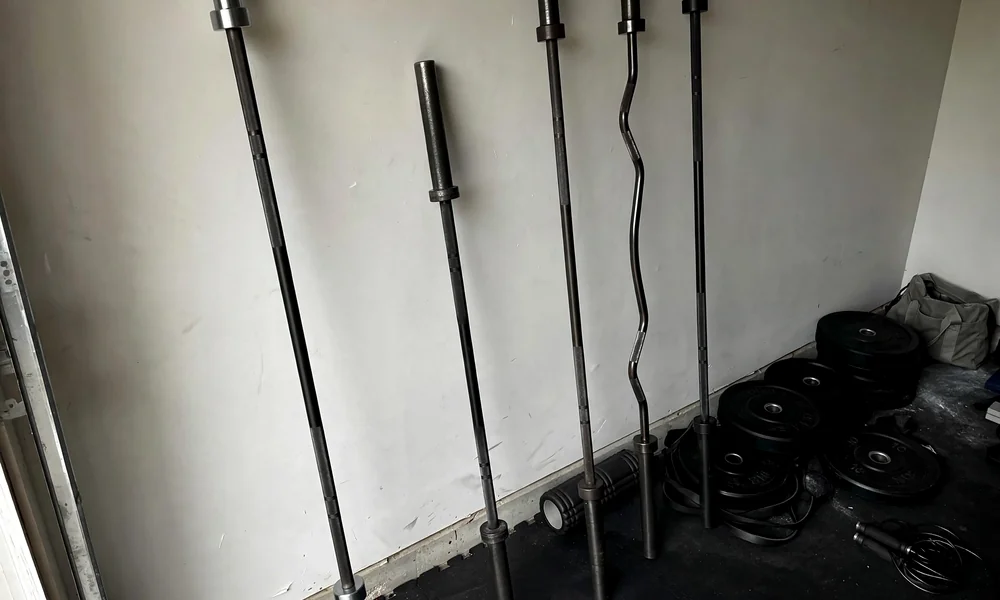
Most adults should start with a 20 kg Olympic or multi-purpose bar, and most women and smaller lifters should consider a 15 kg bar with a 25 mm shaft, which is easier to grip and lighter to handle. The bar itself is part of the load, so a 20 kg bar with 40 kg of plates is a 60 kg lift. Length matters too: a standard bar is 2.2 metres long, so measure your rack and your room before you order. Capacity is the number most buyers forget to check. A bar rated to 300 kg is plenty for most home lifters, while a bar rated to 150 kg will not last long if you deadlift seriously. Our guide to the best weight benches of 2026 shows how a bar pairs with a bench for a complete pressing setup.
Barbell Care: Keep Your Bar Straight and Rust-Free
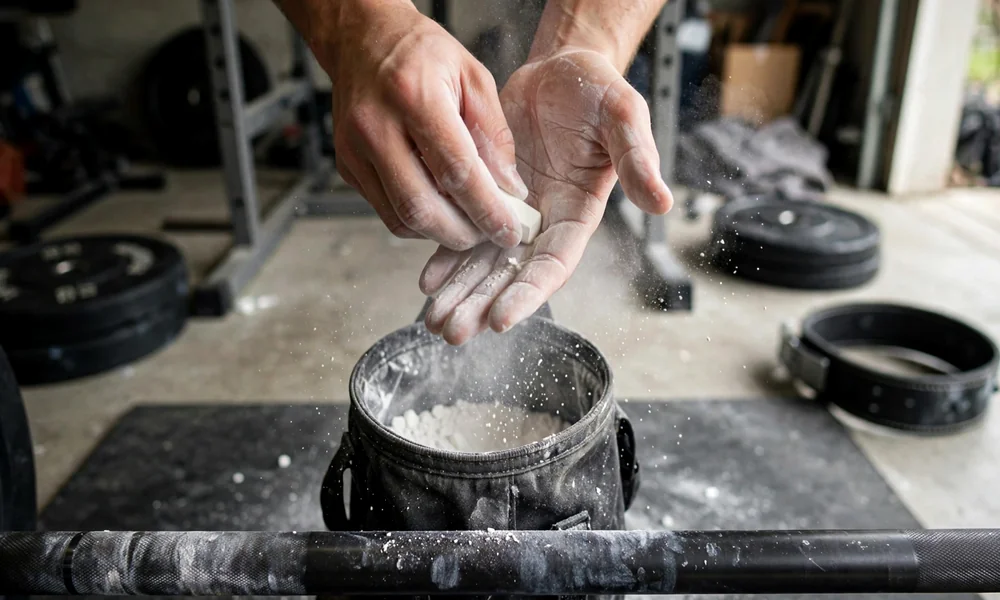
A good barbell lasts a decade with simple care. Wipe the chalk off the shaft after every session, brush the knurl with a nylon brush once a week, oil the shaft lightly every month or two, and store the bar horizontally on a rack, never leaning in a corner. Never drop an empty bar, and never drop a bar loaded with iron plates onto a hard floor: the shock bends shafts and cracks sleeves.
A barbell does not train alone. It needs a rack to hold it, a bench to press from, plates to load it with and a floor that can take the impact, so plan the whole setup together. Our guide to the best kettlebells of 2026 covers a second free-weight option that trains the movements a barbell misses, especially swings and carries. If you want a lighter free-weight option for warm-ups and accessory work, the best dumbbells of 2026 pair well with a barbell for a home gym that covers every movement.
Barbell Buying Checklist
- Choose a 20 kg Olympic or multi-purpose bar for general training, or a 15 kg bar with a 25 mm shaft for smaller hands.
- Check the tensile strength is at least 190,000 PSI and the rated capacity covers the weight you will lift in a year.
- Test the knurl: medium and even, comfortable to grip, not smooth and not razor sharp.
- Spin the sleeves by hand: they should turn smoothly without grinding, wobbling or rattling.
- Pick a rust-resistant finish for a garage gym, ideally stainless steel or hard chrome.
- Measure your rack and your room to confirm a 2.2 metre bar fits before you order.
Frequently Asked Questions
What is the best barbell for a beginner?
A 20 kg multi-purpose bar with a 28 mm shaft is the best beginner barbell. It handles squats, presses, deadlifts and rows, and it costs less than a competition bar. If you have small hands, a 15 kg bar with a 25 mm shaft is easier to grip.
What is the difference between an Olympic barbell and a standard barbell?
An Olympic barbell weighs 20 kg, has a 28 mm shaft and 50 mm sleeves that spin, and it is 2.2 metres long. A standard barbell is shorter and lighter, with 25 mm sleeves that do not spin and take only standard plates with a one-inch hole.
How much should I spend on a barbell?
Expect to pay between £120 and £250 for a good multi-purpose bar, and between £200 and £450 for a quality Olympic or powerlifting bar. Below £100, bars usually have weak steel, poor knurling and sleeves that seize. A barbell lasts a decade, so the cost per year is low.
Do I need a powerlifting bar or an Olympic bar?
If you train the squat, bench press and deadlift and never clean or snatch, a powerlifting bar is the better tool: stiffer, thicker and more aggressively knurled. If you do Olympic lifts or a mix of everything, an Olympic bar is the better choice, because its spinning sleeves and moderate whip suit fast lifts.
How do I stop my barbell from rusting?
Wipe chalk off after every session, brush the knurl weekly with a nylon brush, and oil the shaft lightly every month or two. Choose a stainless steel or hard chrome finish if your gym is a damp garage, and store the bar horizontally on a rack.
Can I use a barbell without a squat rack?
You can deadlift, row, press from the floor and clean without a rack, but you cannot squat or bench press safely without one. A rack is the essential partner for a barbell, so budget for both together.
Bottom Line
The best barbell for most home gyms in 2026 is a 20 kg Olympic or multi-purpose bar with a 28 mm shaft, a medium knurl, freely spinning sleeves and a rust-resistant finish. Buy for the lifter you will be in a year, check the capacity and the steel, and spend a little more on the bar you will touch in every session.