Seven Pit-Lane Failures Behind the Worst Pit Crews of 2026
The worst pit crews of 2026 are not the slowest cars or the unluckiest teams. They are the crews whose habits turn a routine stop into a disaster: a wheel nut that will not come off, the wrong tyres on the wrong corners, a car sent back into traffic with a wheel loose, and a pit wall that does not know the car is coming. A pit stop is the most practised moment in motorsport, a job measured in seconds and rehearsed hundreds of times, and when a crew gets it wrong, the race is often lost in the lane rather than on the track. This guide ranks the worst types of pit crew you will see in 2026.
Key takeaways
- The worst pit crews are types and patterns, not people: the same bad habits show up in every series, at every level, in every pit lane.
- A pit stop is a rehearsed routine, not an improvisation: crews that do not practise together fail together when the pressure comes.
- Speed means nothing without accuracy: a fast stop with a loose wheel is worse than a slow stop done properly.
- Communication decides the stop before the car arrives: a crew that does not know the plan cannot execute it.
- Judge a crew by its worst stop, not its best one, because the bad habits always return at the worst moment.
How the worst pit crews were chosen
Every type below was scored on five measures. Speed comes first, because a stop that takes twice as long as it should hands positions to every rival. Accuracy is second, judged on the nuts and the tyres, because one loose wheel can end a race. Safety is third, because a car released into traffic or a dropped jack is a danger to the whole pit lane. Communication is fourth, judged on the radio between the crew, the driver and the pit wall. Practice is fifth, because the crews that rehearse the stops that go wrong are the ones that cope when a real stop goes wrong.
One note before the list. No real crew is named here, because this guide ranks types and patterns, not individual teams. The pit lane is also a different world from the circuit: the track decides how fast the car goes, but the crew decides how long it stops, and our guide to the worst race tracks of 2026 ranks the venues where even a good crew cannot save the day.

Comparison table: the worst pit crews of 2026
| Rank | Pit crew type | Main fault | Cost to everyone else |
|---|---|---|---|
| 1 | The Slow Wheel-Gun Crew | Fumbled nuts, cross-threaded wheels | Positions lost at every stop |
| 2 | The Wrong-Tyre Crew | Wrong compound, wrong corners | A car that cannot race after its stop |
| 3 | The No-Practice Crew | No rehearsal, everyone guessing | Chaos the moment anything goes wrong |
| 4 | The Silent Radio Crew | No word to the pit wall | A crew caught unprepared, every time |
| 5 | The Unsafe Release Crew | Cars sent into traffic, wheels loose | Near-misses and penalties in the lane |
| 6 | The Jack Fumblers | Cars dropped early, jacks misplaced | Stops that end before the work is done |
| 7 | The Blame-Game Crew | Stops spent arguing, not working | A team that never learns from mistakes |
The worst pit crews of 2026
1. The Slow Wheel-Gun Crew: the worst pit crew of all
The slow wheel-gun crew is the worst pit crew you will ever watch. This is the crew that turns a two-second job into a twelve-second ordeal: the gun hesitates, the nut will not seat, the gunner pulls off and tries again, and the car sits in the box while the rivals stream past. The problem is rarely the gun. It is the hands holding it: a gunner who has not practised enough, a nut that was not cleaned, and a crew with no plan for the moment the first try fails. A good crew makes the wheel change look boring; this crew makes every stop a drama, and the drama costs positions the driver must win back on the track.
2. The Wrong-Tyre Crew: the right stop, the wrong rubber
The wrong-tyre crew does everything quickly and still ruins the race, because the tyres they fit are the wrong ones: the soft compound when the hard one was planned, wet tyres on a drying track, or tyres on the wrong corners, and the car handles like a shopping trolley. The stop looks fine and the car leaves on time, but three laps later the driver is on the radio saying the car will not turn or stop. The same careless preparation ruins smaller race days too, and our guide to the worst go-karts of 2026 shows how a fun day can be spoiled by the same poor planning. In a real race, a whole stint is thrown away.
3. The No-Practice Crew: guessing their way through the stop
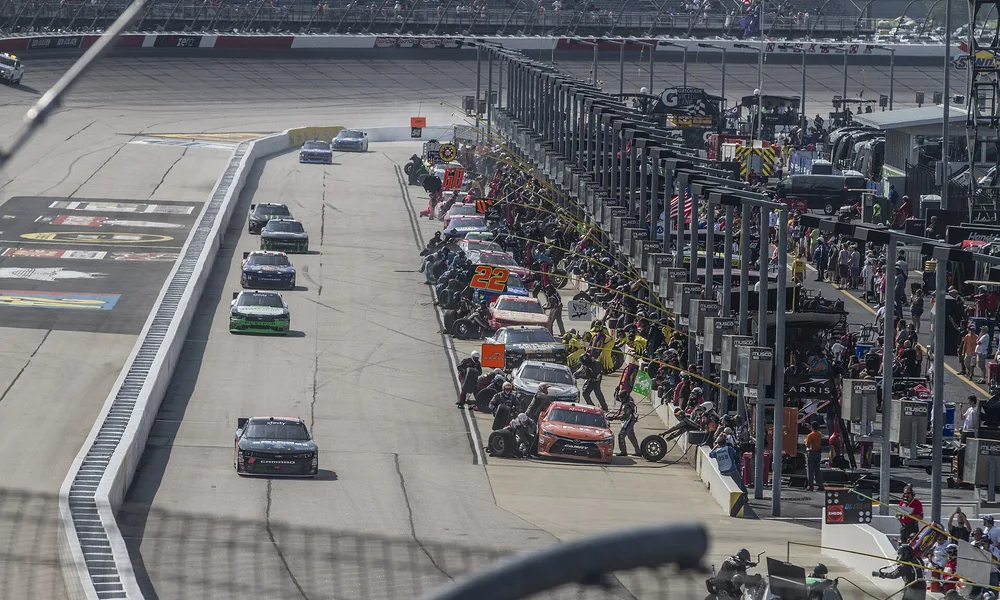
The no-practice crew treats the pit stop as something that will sort itself out on the day. They do not rehearse, they do not run timed stops between races, and they do not practise what happens when a nut sticks, a jack slips, or a driver overshoots the box. On a clean day they look adequate, and that is the trap: the clean day convinces them practice is a waste of time. Then something goes wrong, and there is no routine to fall back on. People stand in each other’s way, two crew members reach for the same job while another is left undone, and somebody shouts instructions that should have been settled weeks ago.
4. The Silent Radio Crew: nobody told the pit wall
The silent radio crew does not talk, and the silence costs them every race. The driver reports a problem, but the message never reaches the crew, or reaches them garbled. The pit wall calls the car in, but nobody tells the tyre men, so the car arrives to find the tyres still stacked in the garage. Communication in a pit lane is short, fixed phrases, repeated back and confirmed by the person who needs to hear them. The best crews sound dull on the radio, because every message is the one everybody expected. The silent crew sounds busy, because people are shouting across the garage to fix the gap the radio left.
5. The Unsafe Release Crew: sent out into traffic
The unsafe release crew is the most dangerous type on this list, because its failures put people at risk: the car released while another is coming down the lane, or the driver waved out with a wheel nut that is not tight. The stop looks fast, and then the problems start: a near-miss in the lane, a wobbling wheel, or a penalty that costs more than the fast release saved. Safety is a system, not a feeling: somebody watches the lane, somebody checks the nuts, and the release only happens when all three agree. The same discipline decides races in the air too, and our guide to the worst pilots of 2026 ranks the flyers who skip their own checks with the same costly results.
6. The Jack Fumblers: the car comes down too soon
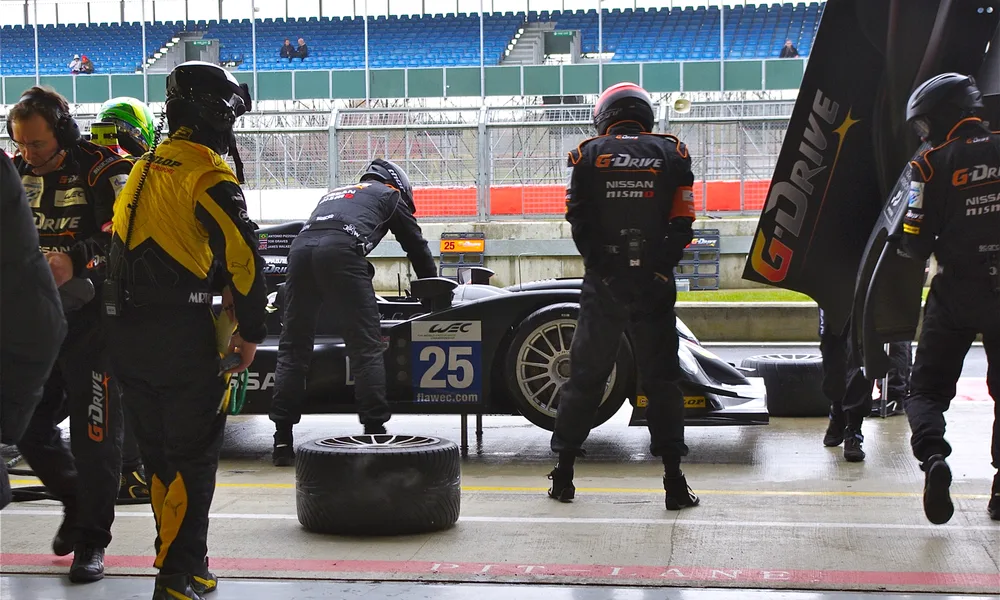
The jack fumblers are the crew whose stops end before the work is done. The jack goes under the car in the wrong place, so the car sits crooked and the wheel men cannot reach their nuts. The car is lifted, the work is half finished, and then the jack drops the car back down because somebody thought the job was over. The jack looks like the simplest tool in the pit lane, and that is why it gets the least attention. A good jack crew treats the lift as the frame for the whole stop: the car goes up level, stays up until every job is confirmed, and comes down once, cleanly. The fix is unglamorous: practise the lift and mark the jacking points.
7. The Blame-Game Crew: arguing instead of working
The blame-game crew never has a bad stop, only bad luck and bad colleagues. After every slow stop, the argument starts before the car has left the box: the gunner blames the nut, the nut man blames the wheel, the wheel man blames the jack, and the jack man blames the driver for stopping a metre short. The shouting fills the garage, the debrief becomes a trial, and nothing changes. The best crews debrief a bad stop quietly, with timings, looking for the one thing to fix before the next race. This crew debriefs by finding a culprit, always somebody else.
What to avoid when judging a pit crew
The most common mistake is judging a crew by its fastest stop. A single quick stop proves nothing: it may have been a clean day, a simple tyre change, or plain luck. Judge the crew by its worst stop instead, and by what happens when things go wrong. A crew that learns from a bad stop is a good crew having a bad day; one that repeats the same bad stop all season is a bad crew.
Checklist: spotting a bad pit crew
- Watch the stop times across a race, not just the best one: wild variation is the first sign of a crew without a routine.
- Check whether the tyres are marked and checked twice: a crew that skips the second check fits the wrong set.
- Listen to the radio: short, confirmed messages mean a crew that talks properly; shouting across the garage means the radio has failed.
- Watch the release, not the stop: a car sent into traffic or with a loose wheel means skipped safety checks.
- Look for rehearsal: a crew that practises its failures as well as its clean stops copes when a real stop goes wrong.
- Watch the debrief: a crew that argues about blame after a bad stop will make the same mistake again.
Frequently asked questions
How long should a good pit stop take?
It depends on the series, but a top single-seater crew changes four tyres in about two seconds, and a stock car crew does four tyres and fuel in around twelve.
What is the most common pit crew mistake?
A stuck or cross-threaded wheel nut, usually because the nut was not cleaned or the gun was not seated properly. It is almost always a practice failure rather than bad luck.
Why do pit crews practise stops that go wrong?
Because a clean stop needs no thinking, but a bad one needs a routine. Crews rehearse stuck nuts, dropped jacks and overshot boxes so a small problem stays small instead of ending the race.
Can a bad pit stop really lose a race?
Yes, and it happens often. A slow stop hands positions to rivals, a wrong tyre ruins a whole stint, and an unsafe release can bring a penalty. Races are regularly decided in the lane rather than on the track.
Who decides when a car comes in for a pit stop?
The pit wall decides, using the race strategy, the tyre wear and the traffic, and tells the driver and the crew by radio. The crew then prepares the tyres and equipment so everything is ready when the car arrives.
What makes a pit crew safe as well as fast?
A fixed routine with checks: somebody watches the lane, somebody checks every nut, and the car is only released when all the checks agree. Speed comes from practice; safety comes from never skipping the checks.
Bottom line
The worst pit crews of 2026 lose races in the same basic ways: they do not practise, they do not talk, they do not check their work, and they do not learn from their mistakes. A good crew is boring to watch, the same smooth stop every time. If a crew’s stops are a drama and its debriefs are arguments, the race is already being lost in the pit lane.