Dodge the Worst Plasterers of 2026: Seven Wall Finishers Who Leave Cracks, Bumps and Dust Behind
The worst plasterers of 2026 do not look like trouble when they first walk into your room. They tap the wall, name a price per wall and promise a flat finish by Friday. The trouble shows up later: the skim dries with trowel lines across it, the corners are not straight, the plaster peels away from the wall in sheets.
Key takeaways
- A good skim coat is thin, even and flat; a bad one shows trowel lines, hollows and ridges in sideways light.
- Preparation decides whether plaster stays on the wall, so ask what will be done to the surface before any plaster is mixed.
- Cracks that are only filled will open again; a proper repair uses tape or mesh and lets each coat dry.
- Get the price in writing per wall or per room, including the clean-up, and agree what counts as an extra before work starts.
- Walk away from any plasterer who will not show you finished work, will not put the price in writing, or wants most of the money up front.
How the worst plasterers of 2026 were chosen
Every type below was scored on five measures. Finish quality comes first: is the wall flat, smooth and free of trowel lines, hollows and ridges when the light falls across it? Preparation is second: does the plasterer clean, seal and key the surface so the plaster bonds, or does he skim straight over dust, damp and loose paint? Honest pricing is third. Reliability is fourth: does he turn up, finish the rooms he started and come back to fix snags? Aftercare is fifth.
Two notes before the list. First, no single plasterer is named as the worst, because the same bad patterns appear in many places, and what matters is learning to recognise them wherever you book. Second, this guide is about plastering only: skim coats, plasterboard, patching, rendering and ceiling finishes. Whole-house building work, such as extensions and structural alterations, is a different job, and our guide to the worst builders of 2026 covers that, while the trade that follows the plasterer with a brush is covered in our guide to the worst painters and decorators of 2026.
Comparison table: the worst plasterers of 2026
| Rank | Plasterer type | Main fault | What it costs you |
|---|---|---|---|
| 1 | The rush-coat plasterer | Skim laid on too fast and never flattened | Walls you have to sand or re-skim |
| 2 | The no-prep plasterer | Plasters over dust, damp and loose paint | Plaster that peels off in sheets |
| 3 | The wavy-wall plasterer | No straight edge or level, walls bow | Skirting and shelves that will not sit flat |
| 4 | The crack-and-go plasterer | Cracks filled, never taped or meshed | The same cracks back within weeks |
| 5 | The dust-and-damage plasterer | No sheets, plaster on floors and fittings | Cleaning and repairs after the job |
| 6 | The quote creeper | Low quote, then extras per wall and room | A bill far above the agreed price |
| 7 | The vanishing plasterer | Half a room done, then never returns | You pay someone else to finish it |
The worst plasterers of 2026
1. The rush-coat plasterer: a skim that was never flattened
The rush-coat plasterer is the most expensive type on this list, because his work looks finished until the light catches it. He mixes too much plaster at once, spreads it fast and moves on before it has been trowelled flat. The wall looks fine from the doorway, but stand to one side with a lamp and the surface is full of trowel lines, ridges and hollows.
A good plasterer works in sections he can finish properly, keeps his trowel clean and checks the wall with a straight edge and a sideways light before he leaves. Ask to see a finished wall in sideways light before you pay the final sum.
2. The no-prep plasterer: plaster that never had a chance to stick
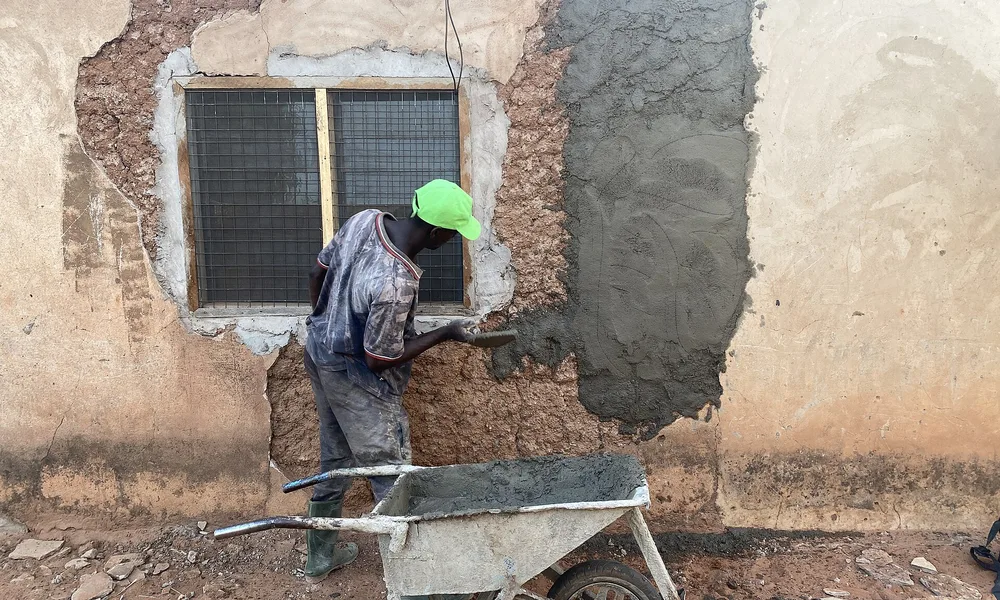
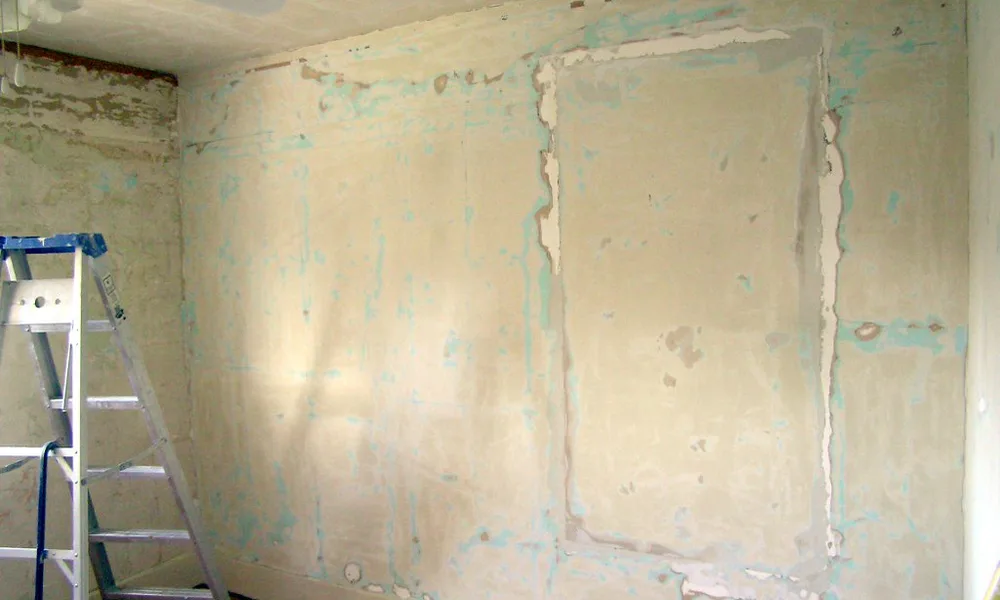
The no-prep plasterer skips the part of the job you cannot see, and that is exactly why his plaster falls off. He plasters straight over dusty brick, flaking paint and damp patches without cleaning, sealing or keying the surface. The skim looks fine for a few days, then it sounds hollow when you tap it.
Preparation is not a favour; it is the job. Before any plaster is mixed, the wall should be brushed clean, loose material removed, damp investigated rather than covered, and a bonding agent or sealer applied where the surface needs it. Ask what he will do to prepare each wall, and be suspicious of anyone who says the wall is fine as it is without even touching it. If the damp is not fixed first, the same wall will need doing again, as our guide to the worst plumbers of 2026 shows.
3. The wavy-wall plasterer: flat paint on a wall that is not flat
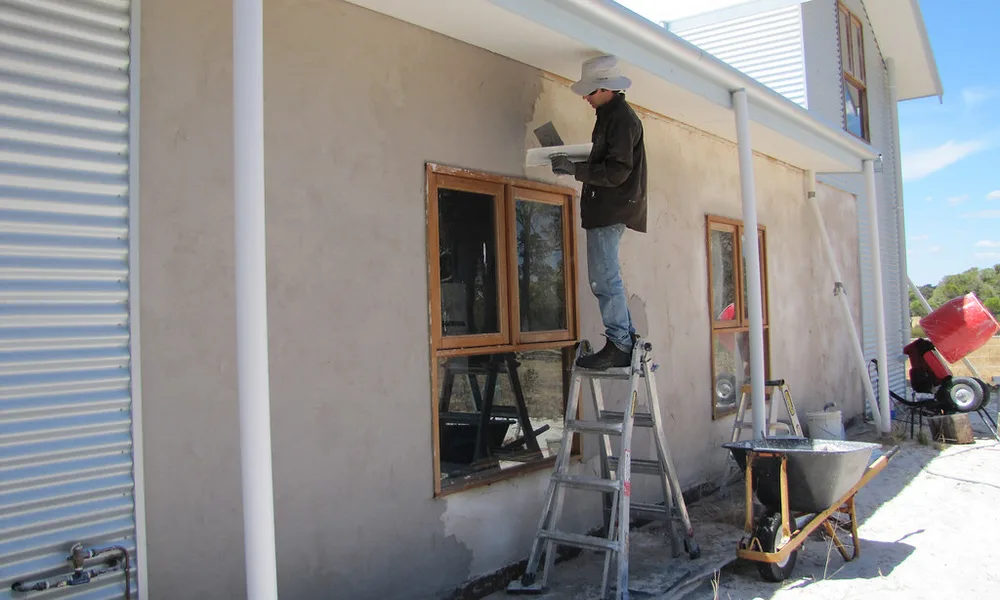
The wavy-wall plasterer never uses a straight edge, and it shows in everything that comes after him. His walls bow in the middle, dip at the corners and lean away at the top. Skirting boards will not sit against them, shelves rock, and kitchen units leave gaps you can see your hand through.
Flatness is checked, not guessed. A good plasterer runs a long straight edge across the wall in several directions while the plaster is still workable, and checks corners with a level. Before he leaves, hold a straight edge against the wall yourself and look for daylight underneath it.
4. The crack-and-go plasterer: the same crack, twice
The crack-and-go plasterer treats every crack as if it were a scratch. He fills it with a smear of filler, skims over the top and paints it out, and the crack opens again within weeks, often in exactly the same line. Hairline cracks are usually movement, not damage, and a smear of filler does nothing about the movement.
A proper repair starts by finding out why the wall cracked, then cutting the crack open, taping or meshing it, and letting each coat dry before the next goes on. Ask how he will treat the cracks, and listen for the words tape, mesh and drying time. If he says he will just fill them and skim over, you will pay for the same wall twice.
5. The dust-and-damage plasterer: the mess is part of the price
The dust-and-damage plasterer treats your home like a building site and leaves it that way. He works without dust sheets, so plaster splashes across the floorboards, the window frames and the light fittings. The plastering may be good, but the clean-up takes you a weekend and the damage takes a decorator.
Protection is part of the quote, not an extra. A careful plasterer sheets the floors and the furniture, tapes the sockets and switches, and cleans as he goes, because dried plaster is far harder to remove than wet plaster is to catch. Agree before work starts that the floors and fittings will be protected and the room left swept and tidy.
6. The quote creeper: the price grows wall by wall
The quote creeper wins the job with a low price and then recovers the difference, and more, through extras. The first wall costs what was agreed, the second needs extra preparation, the ceiling is charged separately, the corners are extra, and the clean-up appears on the bill as a line of its own. Each extra is small enough to argue about, and by the end the final bill bears no relation to the quote you accepted.
A proper quote lists every room, wall and ceiling, and says what is included: the materials, the preparation, the plastering and the clean-up. Ask for the price in writing per room, and agree that any extra must be quoted and approved by you before the work is done, never billed afterwards.
7. The vanishing plasterer: half a room and a silent phone
The vanishing plasterer starts well and then slowly disappears. The first room is finished, the second is half done, and then the phone stops being answered. He is always about to return, always finishing another job first, always waiting on materials.
Good plasterers give you a written programme with dates for each room. Agree stage dates in the contract, with a payment held back until each room is complete and checked. Pay in stages tied to finished rooms, never most of the money up front. A plasterer who knows you are watching the dates is far less likely to drift away to the next job.
Before you book a plasterer: six checks
- Look at finished work in sideways light, and feel the wall for ridges and hollows.
- Ask what preparation each wall will get, and how damp, cracks and loose paint will be dealt with.
- Get the price in writing per room, including materials, preparation and clean-up, with extras agreed in advance.
- Agree stage payments tied to finished rooms, with the final sum only when the work is checked and dry.
- Check corners with a level and walls with a straight edge before he leaves each room.
- Ask who protects the floors and furniture, and who cleans up when the job ends.
Frequently asked questions
How do I tell if a plastered wall is actually flat?
Hold a long straight edge or spirit level against the wall and look for daylight underneath it, then shine a lamp sideways across the surface. A flat wall shows no gaps and no trowel lines in sideways light.
How long should plaster dry before it is painted?
A skim coat usually needs several days to dry right through, longer in cold or damp weather. The wall should be an even pale colour all over, with no dark damp patches, before it is painted. Painting over wet plaster traps moisture, and the paint will peel.
Why does plaster crack after it has been done?
Most cracks come from movement in the wall underneath, or from a repair that was only filled and never taped or meshed. Drying too fast can also crack a skim, especially in a warm room with the heating on.
Should a plasterer seal the wall before skimming?
Often, yes. A bonding agent or sealer stops a dry wall sucking the water out of the fresh plaster too fast, which is what makes it crack and peel. It also helps the skim grip dusty or painted surfaces. If the plasterer says no preparation is needed without checking the wall, get a second opinion.
What should a plastering quote include?
Every room, wall and ceiling, the materials, the preparation, the plastering and the clean-up, with the price for each part written down. Extras should be named in advance, not discovered on the bill.
Can I plaster over old plaster?
Sometimes, if the old plaster is sound, clean and firmly bonded to the wall. Loose, hollow or damp plaster has to come off first, and the wall underneath has to be prepared.
Bottom line
The worst plasterers of 2026 share one habit: they rush the parts of the job you cannot see, and they leave you paying for the parts you can. Check finished work in sideways light, get the price in writing per room, pay in stages, and walk away from any plasterer who rushes you, skips the preparation or wants most of the money before a single wall is done.